The arrival of a high-level delegation from the Millennium Challenge Corporation (MCC) to advance Liberia’s second compact is more than a diplomatic milestone—it is a defining test of the country’s capacity to convert opportunity into measurable national progress.
Liberia’s reaffirmation for a second compact by the MCC Board in December 2025 was not automatic. It followed years of uneven reform, hard lessons from the first compact, and renewed efforts by the administration of Joseph Nyuma Boakai to restore credibility in governance, fiscal discipline, and policy coherence. That this second compact process has now moved into its technical development phase should be welcomed—but not romanticized.
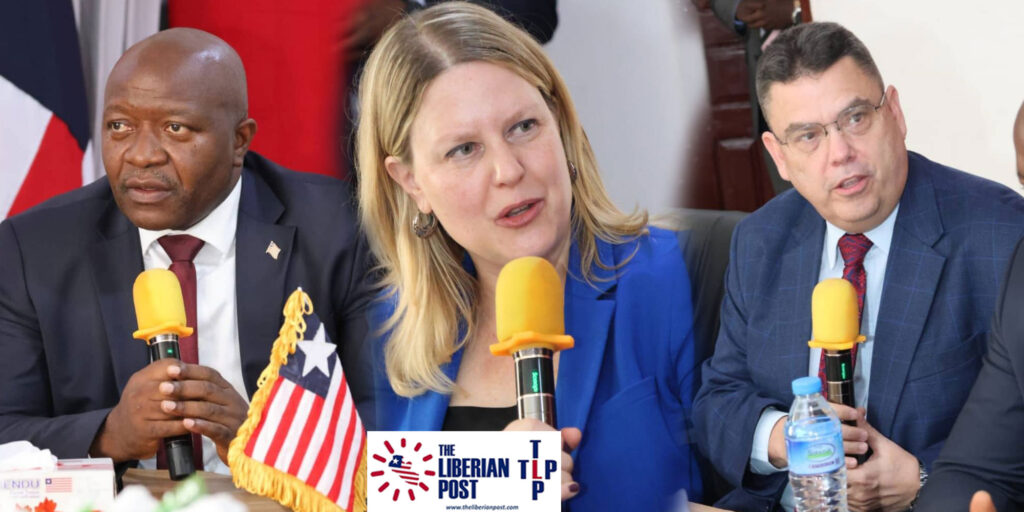
The MCC model is unforgiving by design. It rewards performance, not promises. It demands evidence-based policymaking, transparent institutions, and a whole-of-government approach that Liberia has historically struggled to sustain beyond initial enthusiasm. Finance Minister Augustine Kpehe Ngafuan was right to caution that the delegation’s visit marks “the start of a process,” not a finish line. In truth, it is where the real work begins.
Liberia’s first MCC compact delivered tangible infrastructure—most notably in the energy sector—but also exposed deep structural weaknesses: slow implementation, coordination failures, and institutional bottlenecks that diluted impact. Those shortcomings must not be repeated. The second compact must go beyond physical outputs and confront binding constraints to growth, whether in road connectivity, land administration, energy reliability, or public sector efficiency.
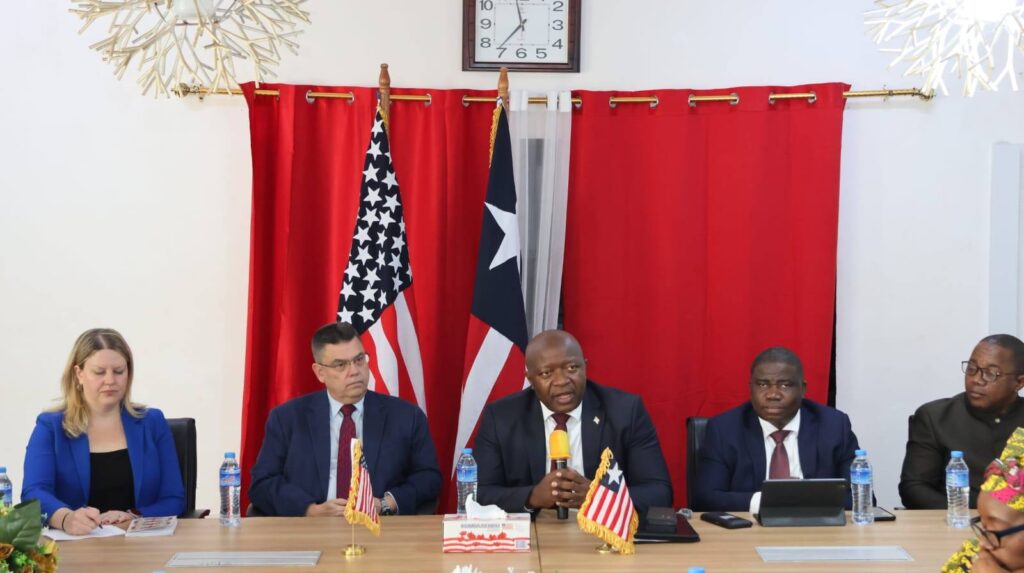
Equally critical is national ownership. MCC compacts succeed where governments lead decisively and inclusively. Civil society, the private sector, and line ministries must be more than participants in workshops; they must be accountable partners in design and execution. The forthcoming root-cause analysis process will only be as credible as the data, candor, and political will behind it.
There is also a cautionary lesson in timing. Liberia enters this phase amid fiscal pressure, public impatience, and competing development priorities. The temptation to oversell expectations must be resisted. MCC funding is not a blank check, nor is it a substitute for domestic reform. It is a catalyst—one that amplifies good policy and exposes weak governance.

This moment therefore calls for discipline: disciplined planning, disciplined coordination, and disciplined communication with the public. If Liberia treats the second MCC compact as a national project rather than a donor program, it can anchor long-term growth and institutional renewal. If not, it risks becoming another missed opportunity, documented in reports but thin in impact.
Liberia has been given another chance. What matters now is whether it has learned enough to use it wisely.