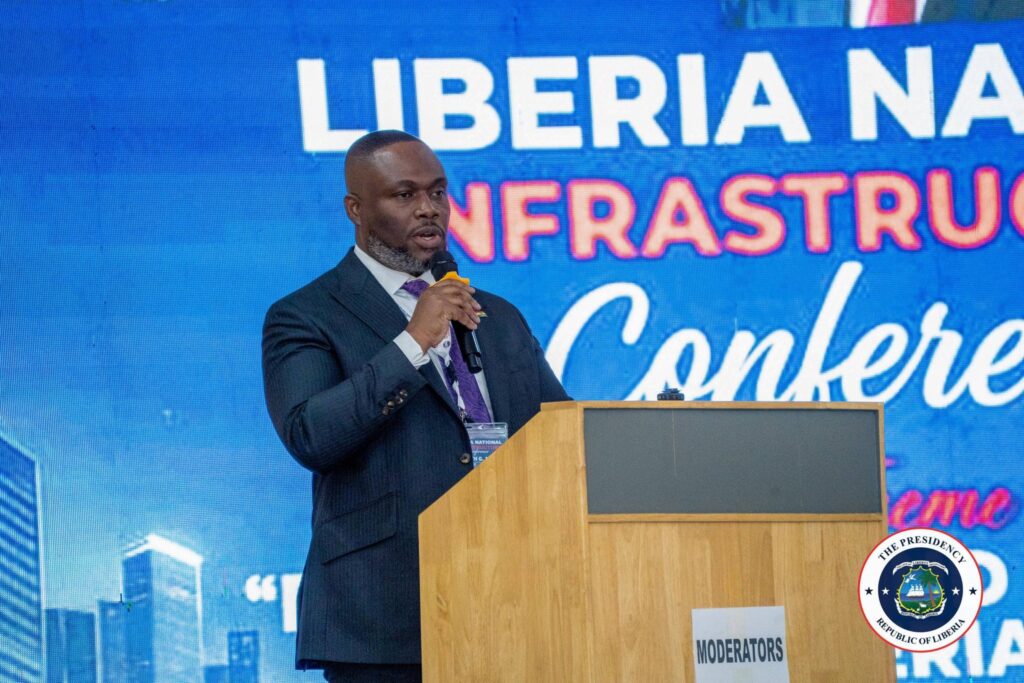
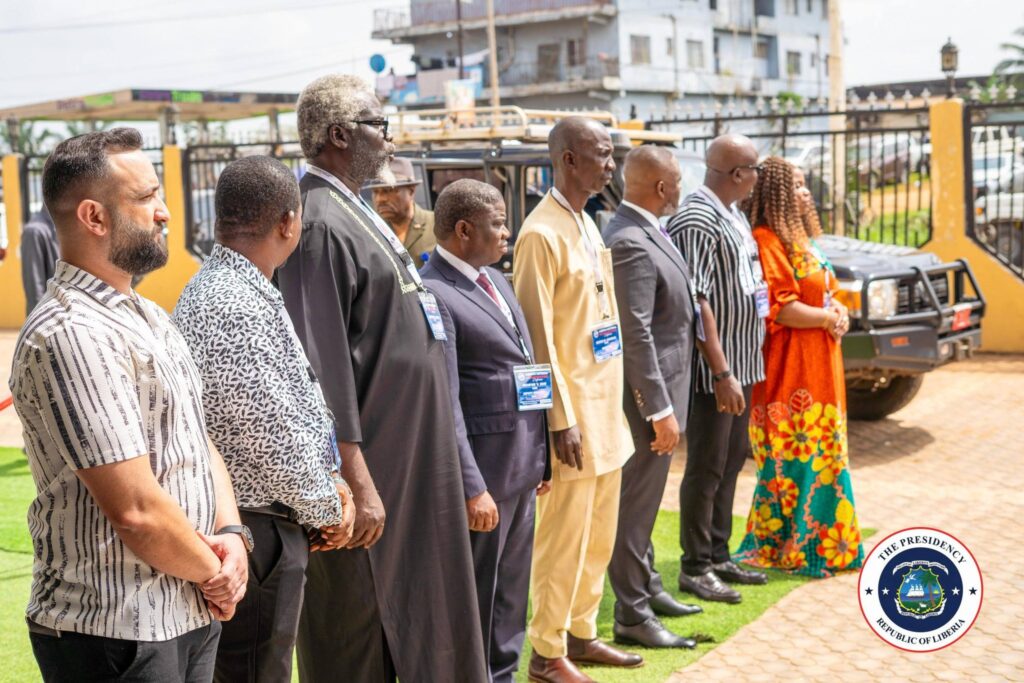
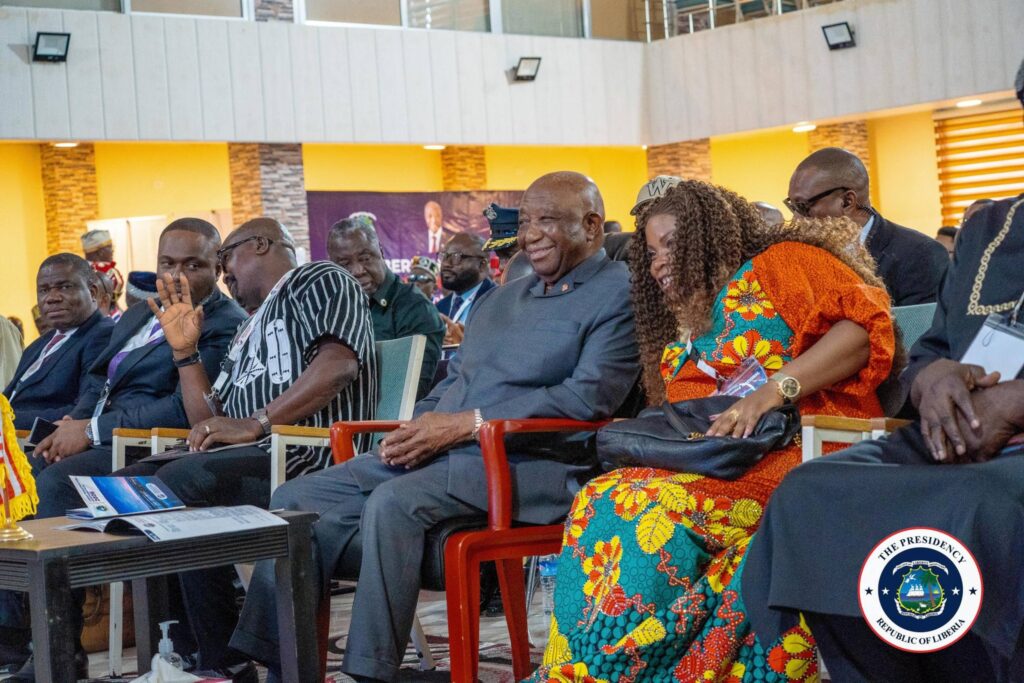
Liberia’s first post-war National Infrastructure Conference is more than a policy gathering; it is a statement of national intent. Convened in Ganta, Nimba County, far from the familiar corridors of Monrovia, the conference signals a deliberate shift in how the country thinks about development, inclusion, and national renewal. After years of fragmented projects and reactive planning, Liberia has taken an important step toward treating infrastructure not as isolated undertakings but as the backbone of nation-building.
At the heart of the conference is a sober acknowledgment of reality. Liberia’s infrastructure deficit remains one of the country’s most binding constraints. Roads that wash away with each rainy season, unreliable electricity, limited water systems, congested ports, and weak digital connectivity continue to stifle productivity and widen inequality between urban and rural Liberia. These are not abstract problems; they affect farmers’ ability to get produce to market, students’ access to education, businesses’ capacity to grow, and the state’s ability to deliver services.
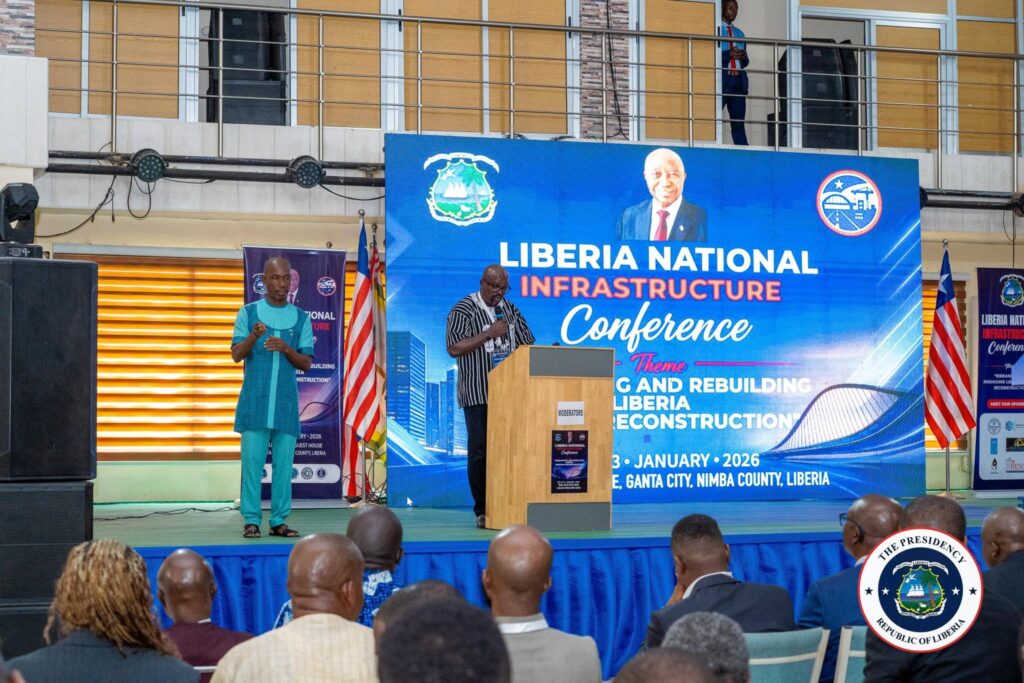
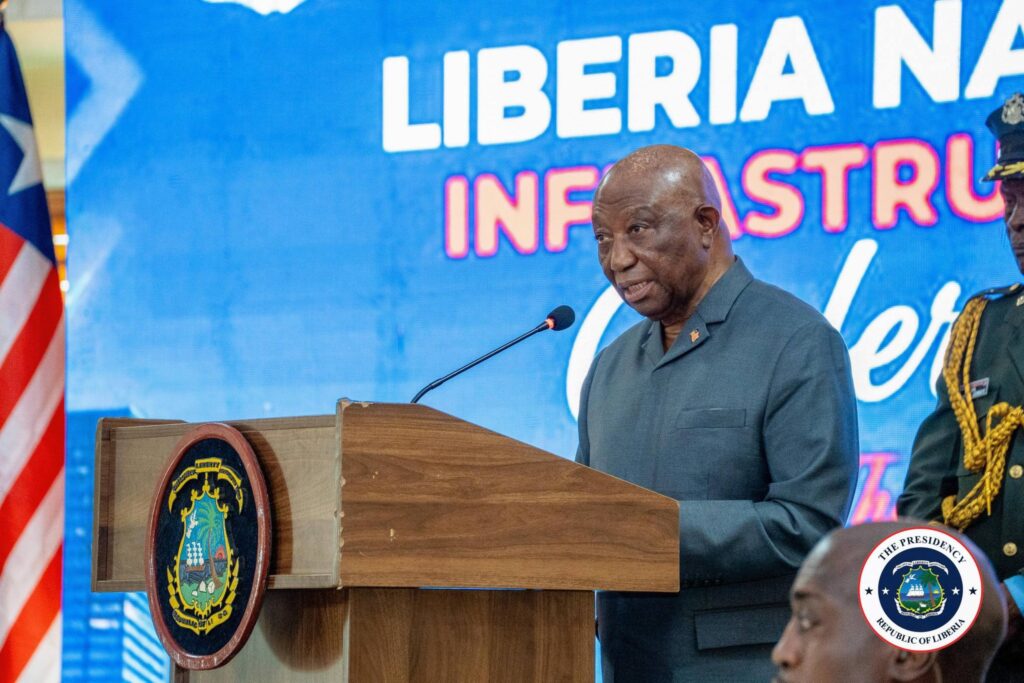
President Joseph Nyuma Boakai, in opening the conference, framed infrastructure as a matter of dignity and opportunity, not merely engineering. That framing is both timely and necessary. For too long, development conversations have focused on plans without pathways, strategies without sequencing, and ambitions without financing. The conference offers a chance to correct that pattern by aligning vision with execution.
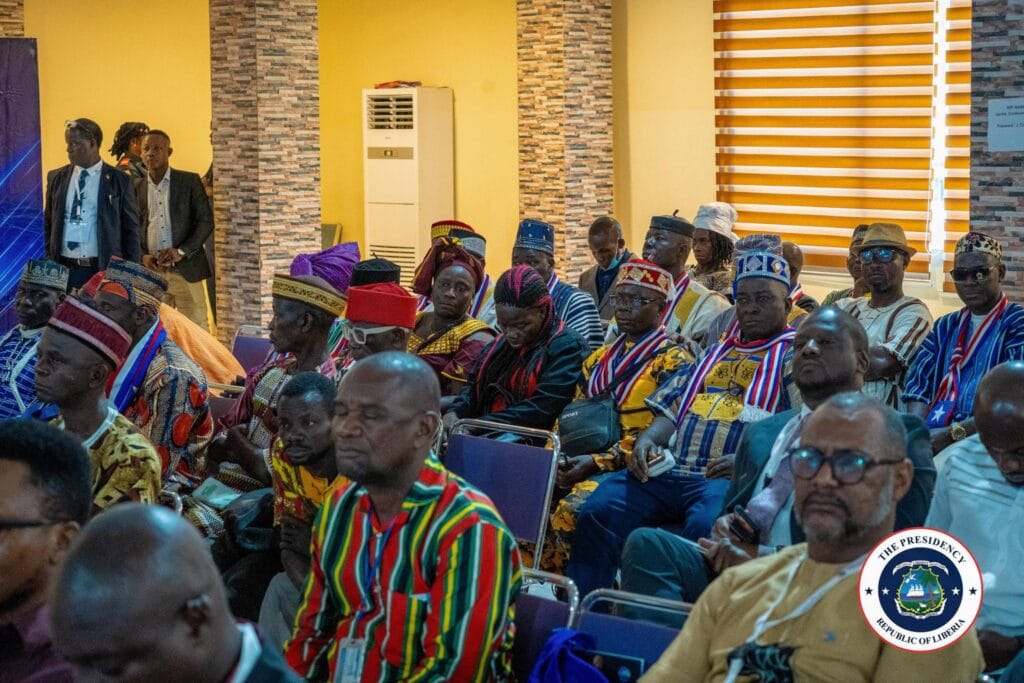
Equally important is the symbolism of hosting the conference in Nimba County. Development that is discussed only in the capital risks reinforcing the very centralization it claims to challenge. By taking this national conversation to the interior, the government acknowledges that infrastructure must connect people, regions, and markets across the country, not simply radiate outward from Monrovia. This geographic choice matters, and it should set a precedent for future national dialogues.
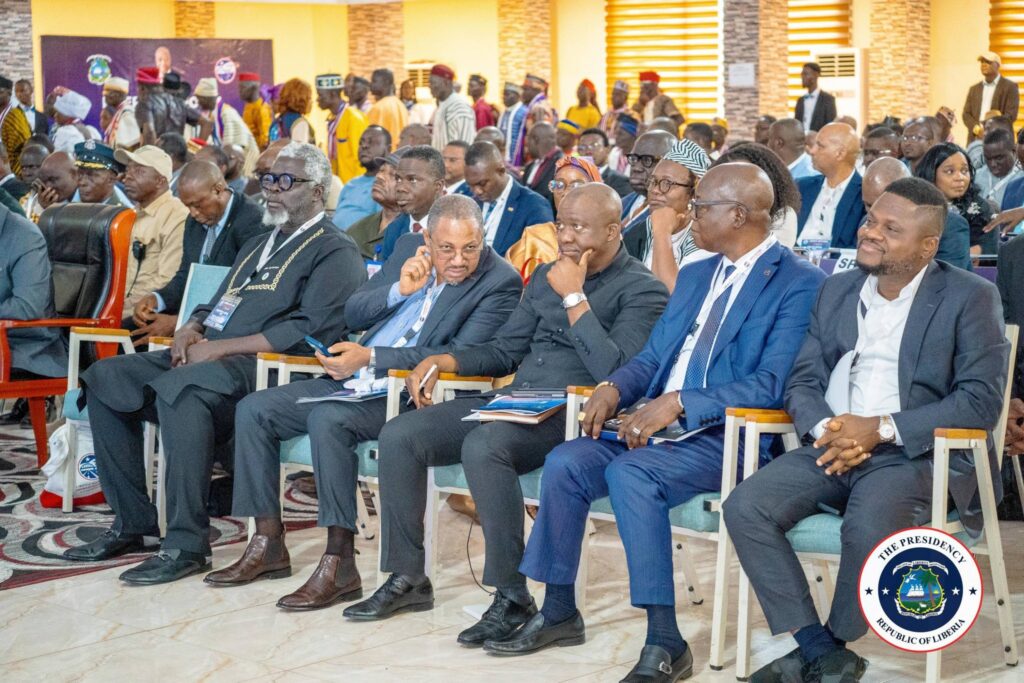
However, the success of the conference will not be measured by the eloquence of speeches or the thickness of policy documents. It will be judged by what happens next. Liberia does not suffer from a lack of diagnoses; it suffers from a lack of disciplined follow-through. The country has produced countless assessments identifying roads, energy, ports, housing, and water as priorities. What has been missing is coordination, sustained financing, and institutional accountability.
In this regard, the emphasis on a whole-of-government approach is encouraging. Infrastructure cannot be the responsibility of one ministry alone. It requires synchronized action across finance, planning, public works, lands, environment, local government, and the private sector. Without strong coordination, projects stall, costs escalate, and public trust erodes. The conference must therefore lead to clear governance structures that define who does what, by when, and with which resources.
Financing remains the elephant in the room. Liberia’s fiscal space is limited, and public resources alone cannot meet the scale of infrastructure needs. The conference rightly highlights the importance of public-private partnerships, development finance, and regional cooperation. But attracting investment requires more than project lists; it requires predictable rules, transparent procurement, enforceable contracts, and political stability. Infrastructure policy must therefore go hand in hand with governance reform.
Another critical test will be whether climate resilience and sustainability move from rhetoric to reality. Liberia is highly vulnerable to climate shocks, particularly coastal erosion and flooding. Building infrastructure that cannot withstand these pressures is not just wasteful; it is irresponsible. The conference’s attention to resilience must translate into design standards, environmental safeguards, and long-term maintenance planning.
Ultimately, the National Infrastructure Conference presents a rare opportunity to reset Liberia’s development trajectory. It can help shift the national mindset from short-term fixes to long-term systems, from political cycles to generational impact. But opportunity alone is not achievement.
Liberians have heard promises before. What they now need is evidence that this moment is different: roads that last, power that stays on, water that flows, and infrastructure that supports jobs, trade, and national cohesion. If the outcomes of this conference are matched by political will and institutional discipline, it may well be remembered as a turning point. If not, it risks becoming another well-intentioned milestone that failed to change the lived reality of the people.
The task ahead is clear. Rebuilding Liberia will not happen overnight, but it must begin with clarity, honesty, and resolve. The National Infrastructure Conference has opened the door. The responsibility now lies in walking through it.