Liberia’s engagement with SpaceX on the margins of the World Economic Forum in Davos is more than a feel-good headline. It is a moment of validation—and a test of national seriousness.
For decades, Liberia has spoken about potential. Too often, the global market has responded with skepticism. Davos 2026, however, marked a subtle but important shift: this time, a major global investor spoke for Liberia. When a senior SpaceX representative publicly praised Liberia’s speed, clarity, and political commitment—and pledged to actively promote the country to other investors—it sent a signal that cannot be ignored.
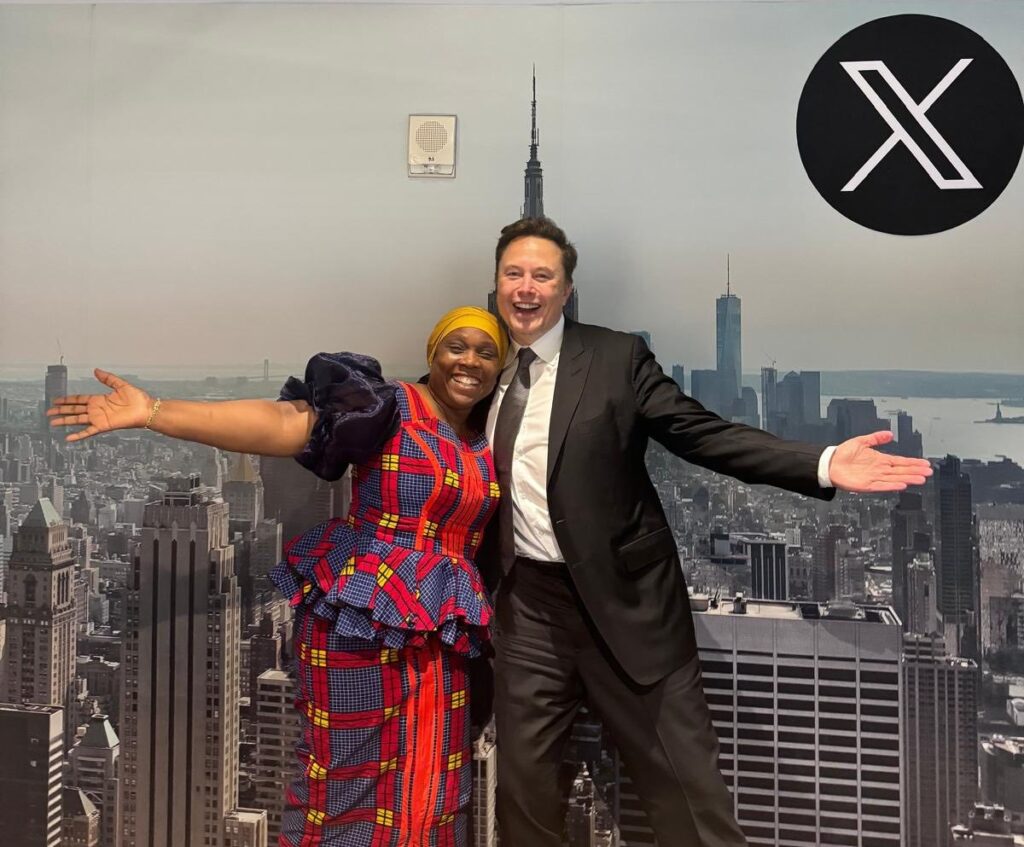
In global finance and technology circles, endorsements do not come cheaply. SpaceX is not a charity, nor is it sentimental. It is one of the world’s most valuable private companies, operating at the frontier of innovation and risk. For such a firm to describe Liberia as efficient, forward-looking, and reform-driven challenges long-held stereotypes about the country’s investment climate.
Equally important is why the praise came. The SpaceX narrative was not about tax holidays or unchecked concessions; it was about governance. It was about decisive leadership, regulatory coherence, and a willingness to cut through bureaucratic inertia. That distinction matters. Investors today are not just chasing incentives—they are chasing predictability.
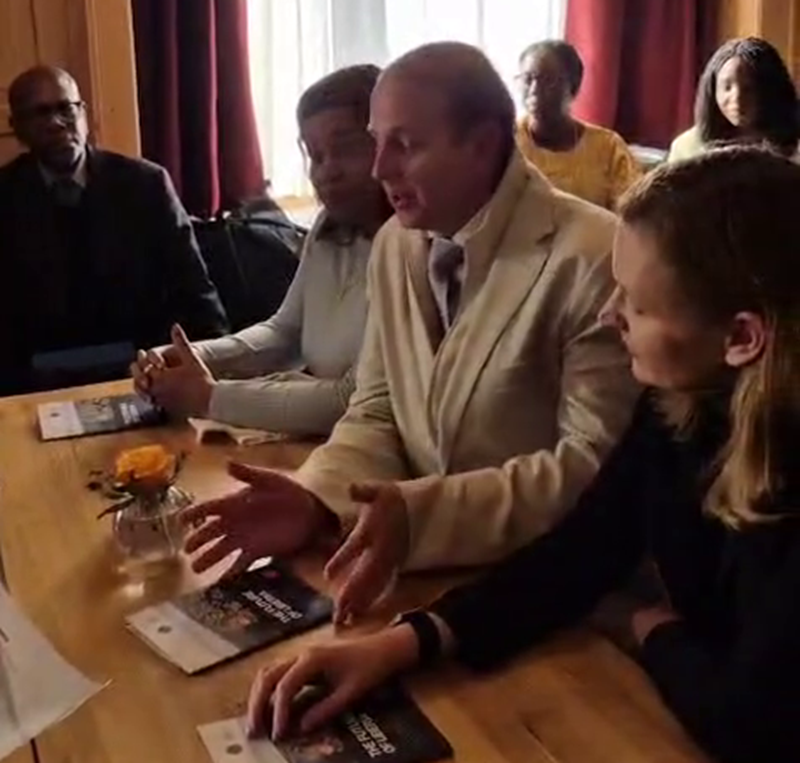
Liberia’s first-ever invitation to Davos underscores this new reality. Davos is not a courtesy forum; it is an arena of credibility. Countries are noticed there not because they attend, but because of how others speak about them. The fact that SpaceX and Afreximbank publicly supported Liberia’s case signals that the country’s reform narrative is beginning to resonate beyond official talking points.
The reference to the 2024 call between President Joseph Nyuma Boakai and Elon Musk is also instructive. Investment confidence is rarely built overnight. It is the product of sustained engagement, consistency, and follow-through. Davos suggests that earlier conversations are now maturing into tangible credibility.
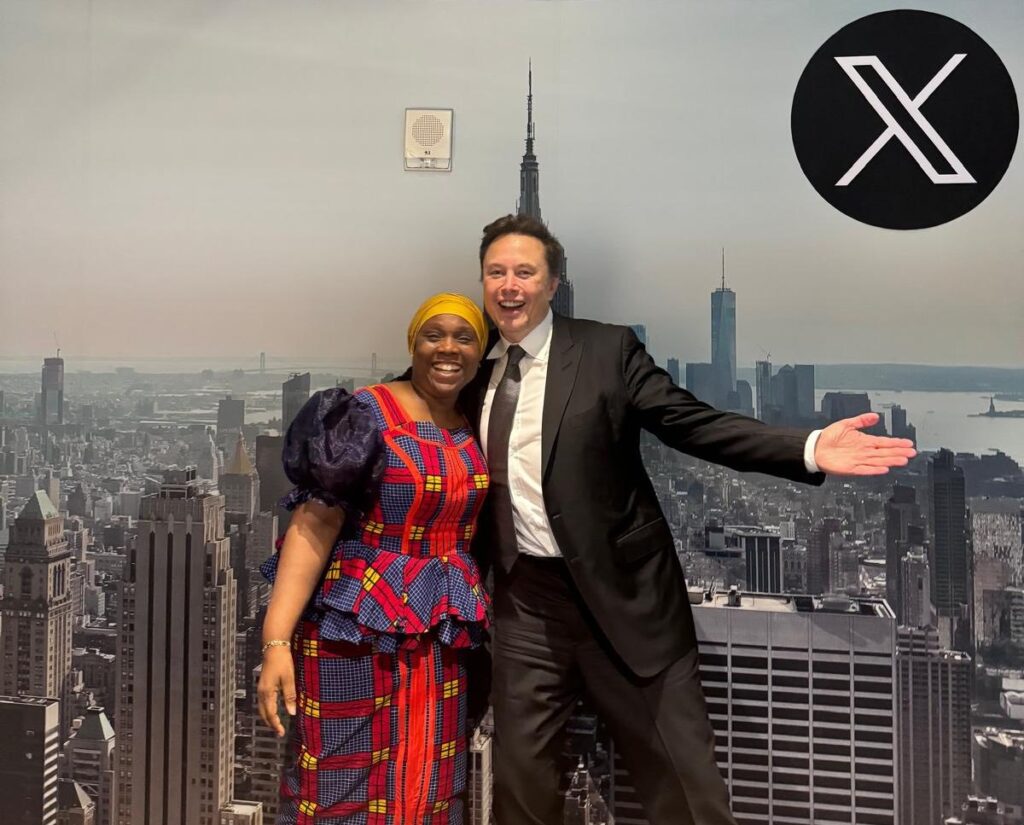
But editorials are not meant to applaud endlessly. This moment also raises expectations. Global endorsements raise the bar at home. If Liberia is to benefit meaningfully from this attention, reforms must deepen, not stall. Transparency must be institutionalized, not personalized. Investor facilitation must become the norm across ministries, not an exception driven by high-level intervention.
The SpaceX moment should therefore be read as both opportunity and obligation. It is an opportunity to reposition Liberia as a serious investment destination in a competitive African landscape. It is also an obligation to prove—consistently—that the country can deliver beyond pilot successes and flagship relationships.
Davos has shown that the world is beginning to listen. The harder work now is ensuring that, when investors look closer, Liberia continues to justify the confidence that SpaceX so publicly expressed.