

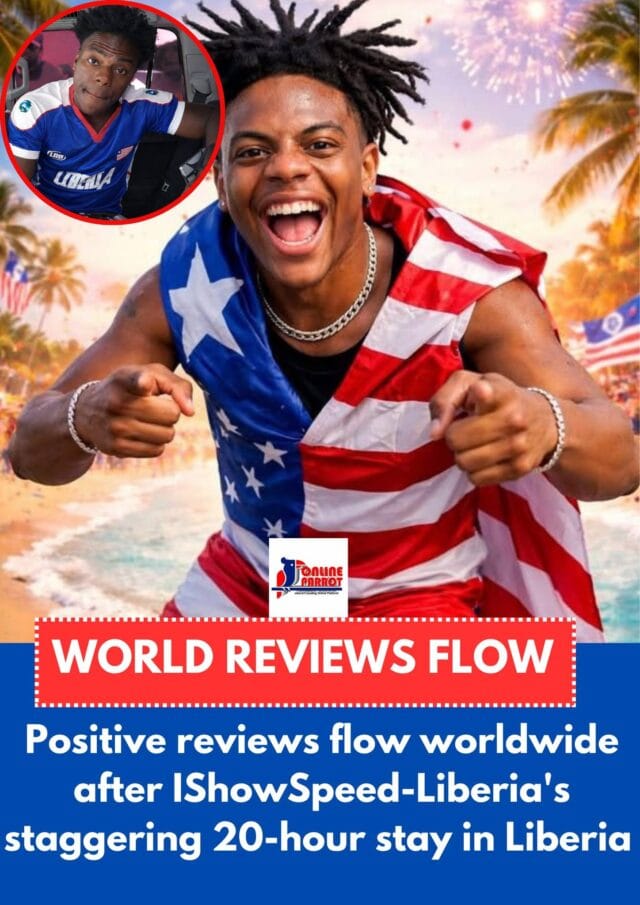
MONROVIA, Liberia – Monrovia witnessed an unprecedented surge of global digital attention this week following the visit of American YouTube sensation IShowSpeed, whose live-streamed interactions across the capital ignited intense reactions among Liberians at home and abroad.
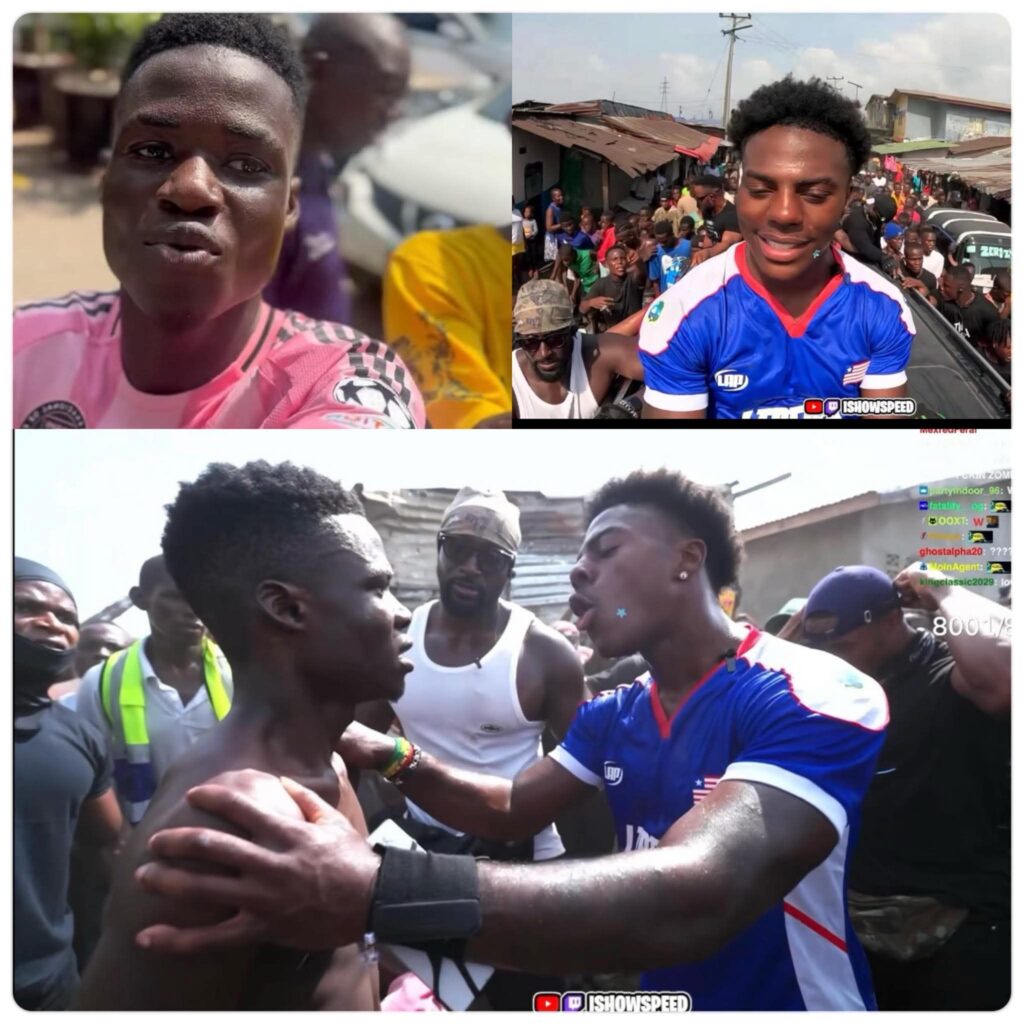
From Providence Island to the crowded streets of central Monrovia, Speed’s brief but electrifying stay drew thousands of young Liberians into the streets and millions more online, transforming an ordinary weekday into a moment of national spotlight. Social media timelines, particularly Facebook, were flooded with raw, emotional, celebratory, and sometimes critical reactions—capturing a nation processing what many described as Liberia’s biggest organic digital exposure in years.

A Cultural Moment Beamed to the World
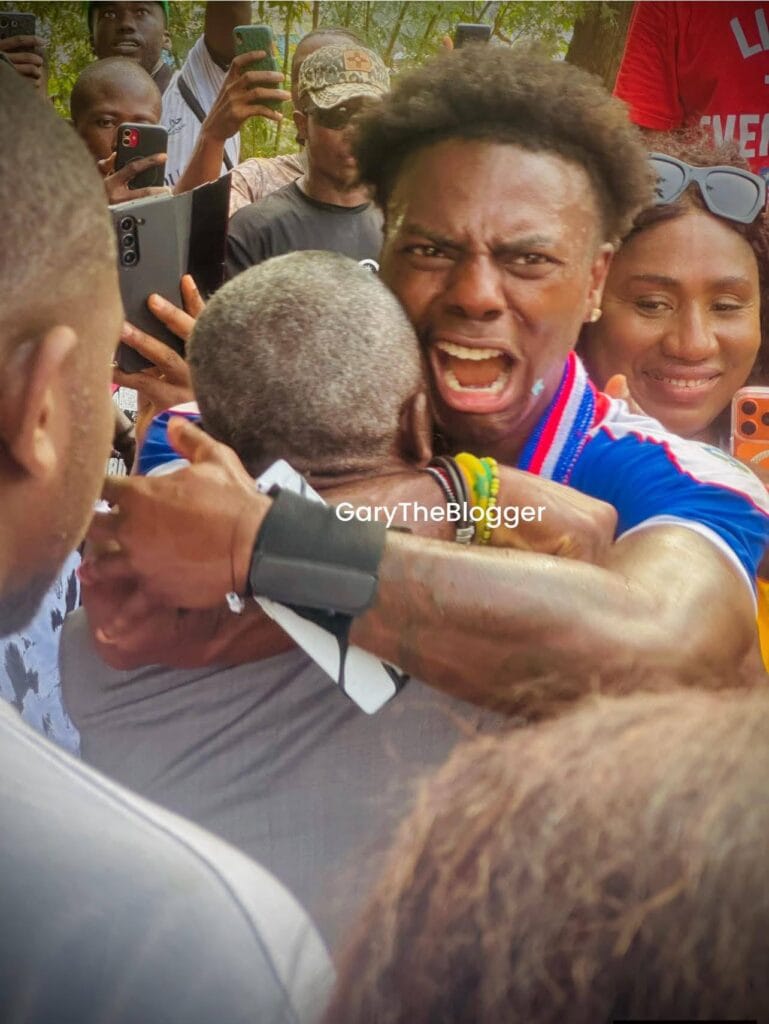
Many commenters hailed the visit as a cultural breakthrough. Speed’s traditional welcome on historic Providence Island, where he received kola nuts from traditional elders and sampled Liberian cuisine, was widely praised as symbolic and dignified. His emotional reaction after connecting with distant relatives tracing their lineage to Maryland County resonated deeply with Liberians, especially those in the diaspora.
Several commenters described the moment as “ancestral,” highlighting the historical link between freed African Americans and Liberia. One viral reaction noted that Speed, born Darren Watkins Jr. in Ohio, embodied “a living bridge between past and present,” turning entertainment into an unexpected history lesson viewed by millions worldwide.

Crowds, Chaos, and Concern
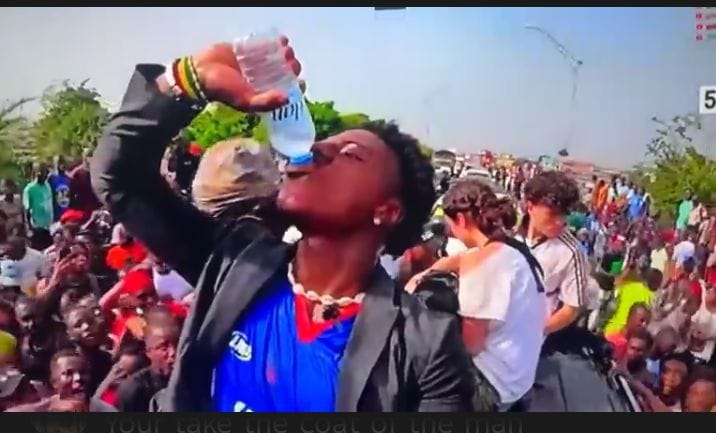
However, the overwhelming turnout also raised serious concerns. According to Speed himself, Liberian authorities advised his team to abruptly end the live stream due to security risks posed by uncontrollable crowds. Police reportedly struggled to maintain order as fans filled streets and public spaces, prompting mixed reactions online.
While many sympathized with the safety decision, others criticized crowd behavior, urging better discipline in future high-profile visits. Still, most commenters agreed that the turnout—estimated at over one million live views within hours—was proof of Liberia’s youthful energy and hunger for global engagement.
Jollof Wars and Lighthearted Controversies
No West African cultural moment would be complete without controversy. Speed’s rating of Liberian jollof rice at 8/10—while suggesting Nigerian jollof was superior—sparked spirited online debate. Though some took offense, many treated it humorously, proposing that Speed should have tasted cassava leaf, palm butter, or torborgee before passing judgment.
Other minor gaffes, including historical slip-ups and missed celebrity encounters, were noted by critics but largely overshadowed by what many called the “net positive” impact of the visit.
National Pride and Tourism Boost
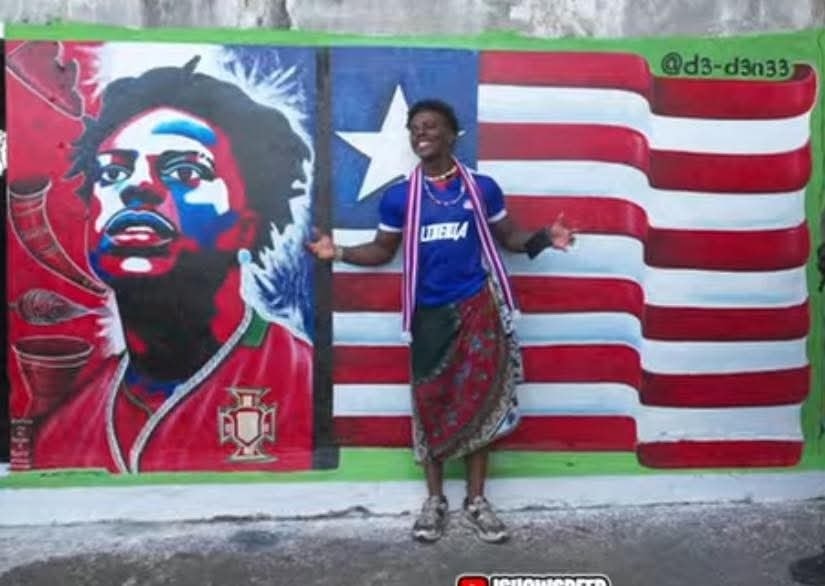
Across the comments, a dominant theme emerged: pride. Bloggers, creatives, and ordinary citizens emphasized that Liberia was seen—not through scripted tourism ads, but through authentic, unfiltered interaction. Many credited institutions such as the Liberia National Tourism Authority, security agencies, and cultural organizers for coordinating the visit.
Prominent local content creators described the day as exhausting but historic, stressing that Liberia’s smiles, hospitality, art, and youth culture reached a global audience in real time. One widely shared comment summed it up: “Liberia is more than headlines—today the world saw our humanity.”
A Moment That Lingers
As Speed himself later posted simply, “Liberia showed out,” the consensus among many Liberians is that the visit—despite imperfections—marked a turning point in digital visibility. For a country often defined by its struggles, the day offered a rare chance to be defined by its people, culture, and global relevance.
Whether remembered for tears, laughter, debates, or sheer spectacle, IShowSpeed’s Monrovia stop has firmly entered Liberia’s modern pop-cultural history—leaving behind conversations that will likely outlast the stream itself.