
Liberia’s hosting of the Joint Statutory Meetings of ECOWAS’ specialized monetary and financial institutions is more than a calendar event for technocrats. It is a quiet but consequential signal that the country—and the wider West African region—is recommitting itself to a difficult but necessary project: building economic integration on the foundations of discipline, cooperation, and trust.
For more than two decades, the idea of a single West African currency has hovered between aspiration and anxiety. Supporters see it as a pathway to lower transaction costs, stronger intra-regional trade, and a more coherent response to external shocks. Skeptics warn of premature convergence, weak fiscal discipline, and asymmetric economies being bound together before they are ready. Both sides are right to a degree. That is precisely why meetings like the ones now taking place in Liberia matter.
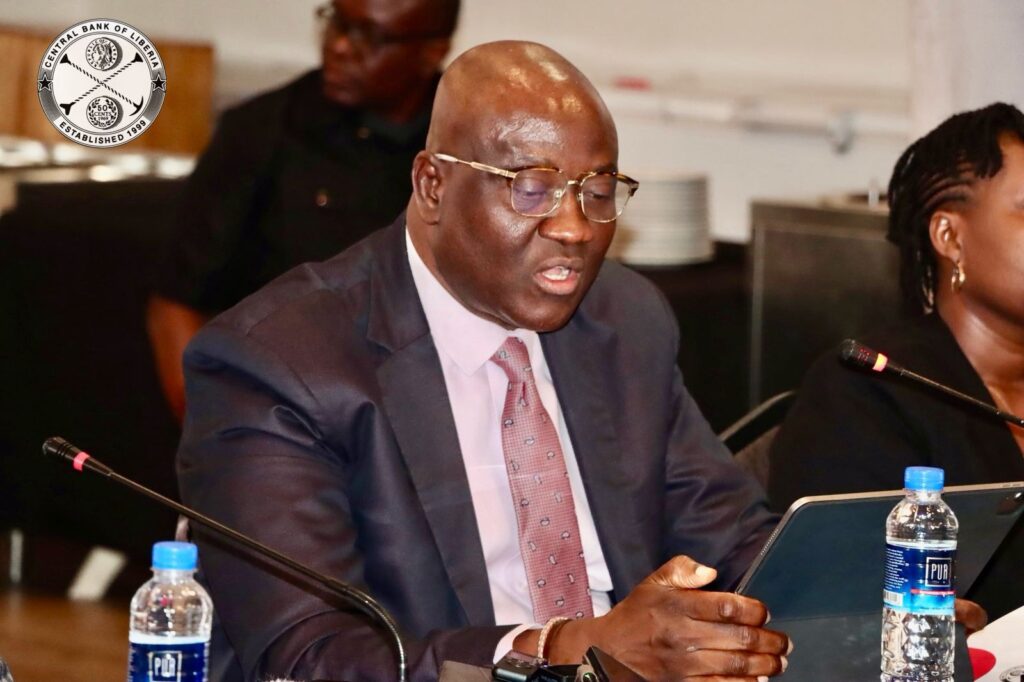
What is unfolding in Monrovia is not a ceremonial march toward a shiny new currency. It is the hard, technical work that precedes any credible monetary union: harmonizing policies, strengthening supervision, aligning macroeconomic indicators, and confronting uncomfortable truths about governance, inflation, debt, and financial sector resilience. The presence of institutions such as WAMA, WAMI, WAIFEM, insurance supervisors, and central bank leaders underscores that this process is about systems, not slogans.
Liberia’s role as host is symbolically important. Once synonymous with fragility and post-war recovery, the country is now providing the platform for regional conversations on stability and convergence. Hosting does not mean leadership by proclamation; it means leadership by reliability. It means offering a neutral space for dialogue, demonstrating institutional readiness, and signaling confidence in regional solutions at a time when global economic uncertainty is testing even the most advanced economies.
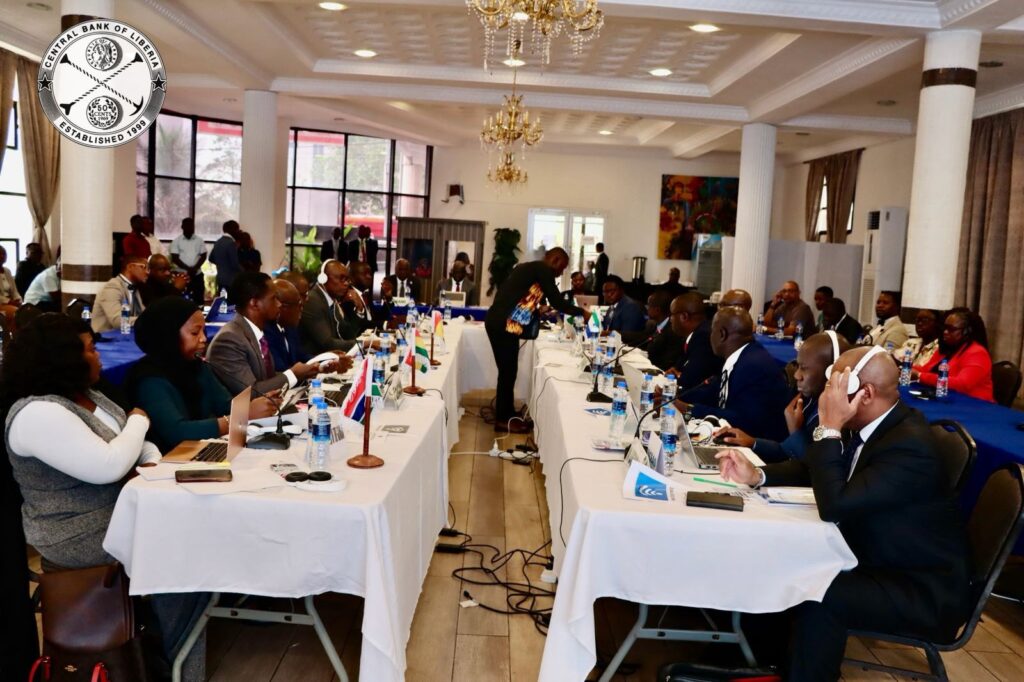
The broader regional context makes these meetings even more urgent. West Africa is navigating inflationary pressures, currency volatility, climate-driven economic shocks, rising public debt, and the spillover effects of political instability in parts of the Sahel. In such an environment, fragmentation is the easiest path. Coordination is the harder one—but also the only sustainable option.
A single currency, if it ever comes, must be earned. It will not succeed through political enthusiasm alone. It requires convergence that is real, not cosmetic; supervision that is independent, not compromised; and institutions that inspire confidence across borders. These meetings are a reminder that monetary integration is as much about discipline as it is about unity.
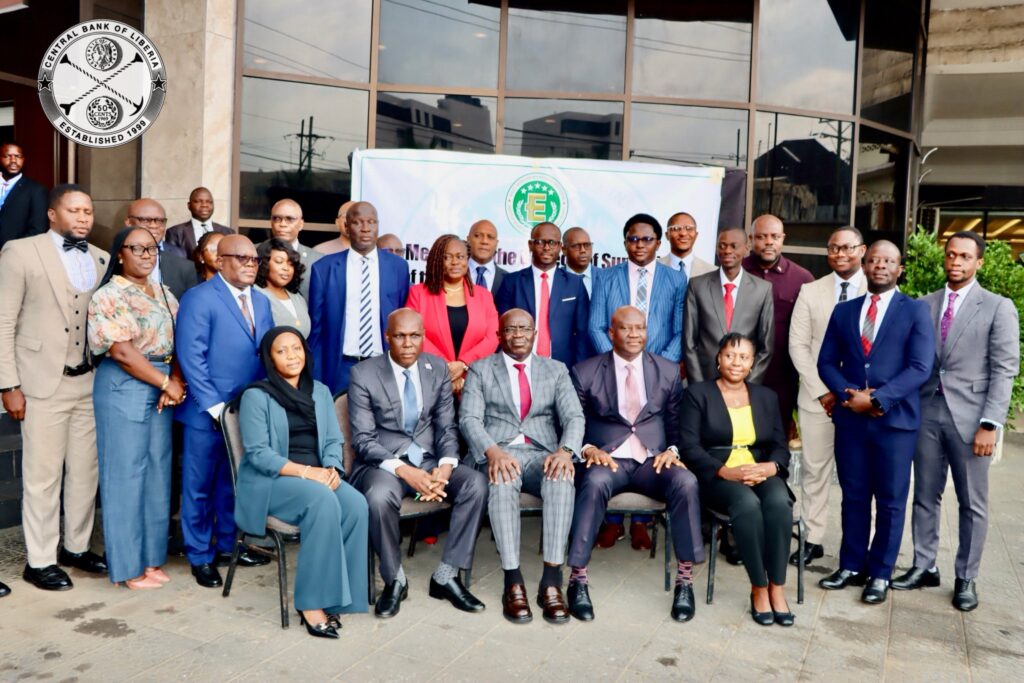
There is also a lesson here for national policymakers. Regional ambitions cannot outrun domestic reforms. Fiscal responsibility, credible statistics, strong financial regulation, and transparent governance are not boxes to tick for ECOWAS compliance—they are prerequisites for national stability. A regional currency will only be as strong as the weakest institutions within it.
For Liberia, the opportunity goes beyond hosting. Participation in these discussions reinforces the country’s stake in shaping the rules rather than merely adapting to them. It aligns with Liberia’s broader re-engagement with multilateral institutions and its effort to position itself as a constructive regional actor.
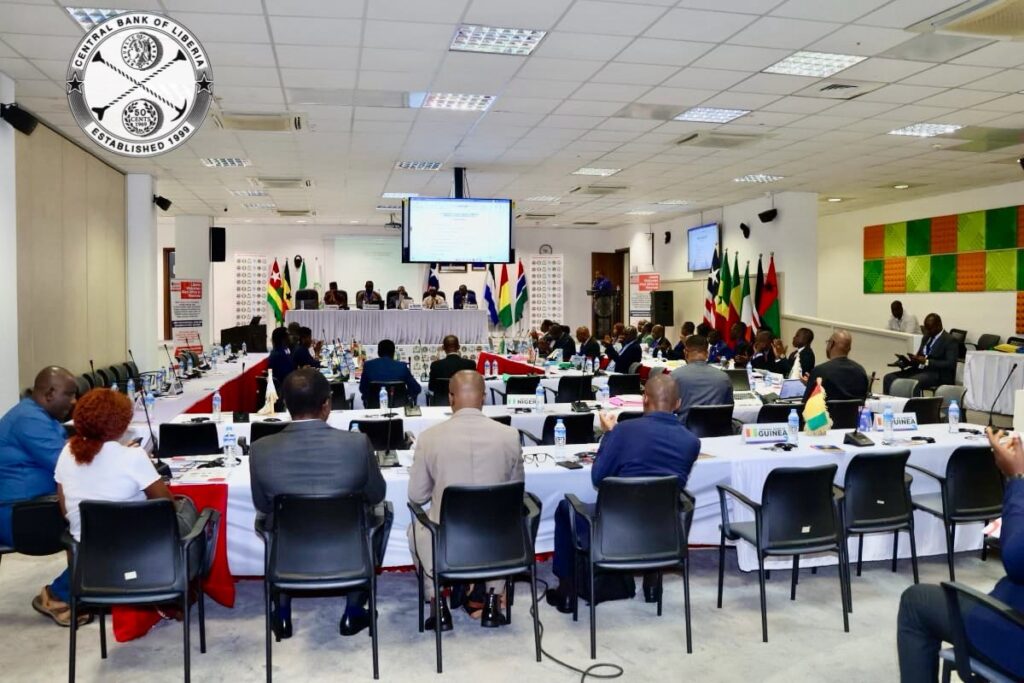
The road to a single West African currency remains long and uncertain. That is not a failure; it is realism. What matters is that the journey is being approached with seriousness rather than haste. If these meetings advance even incremental improvements in coordination, supervision, and policy coherence, they will have justified their importance.
In an era when global cooperation is under strain, West Africa’s insistence on talking, planning, and aligning is itself an act of resolve. Liberia’s hosting of these talks is a reminder that integration is not built in moments of triumph, but in rooms where difficult conversations are allowed to happen.
Follow The Liberian Post on Facebook and X (formerly twitter)