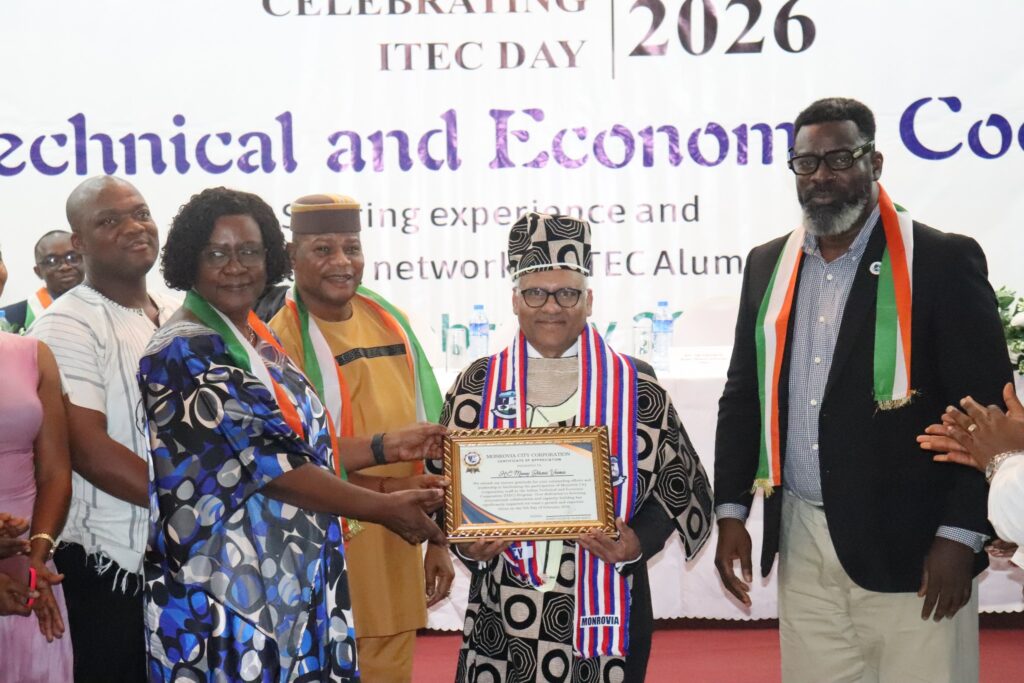
Liberia’s celebration of ITEC Day 2026 offered more than ceremonial speeches; it provided a rare glimpse into what effective development cooperation looks like when it prioritizes people over projects.
For decades, Liberia has received aid measured in dollars, buildings, and vehicles. Yet some of the most durable development gains have come not from infrastructure alone, but from human capacity—quietly built through programs like ITEC.
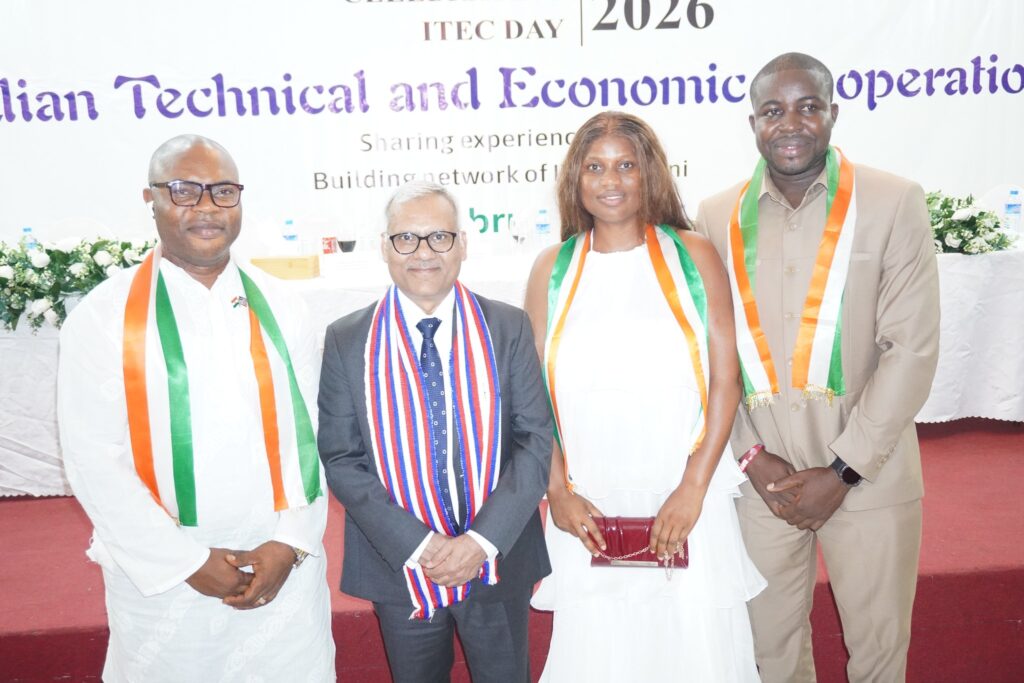
India’s approach stands out because it treats training as partnership, not patronage. Skills are transferred, not imposed. Alumni return home expected to lead, not wait.
The renewed emphasis on alumni accountability—championed by Liberia’s ITEC graduates themselves—is especially encouraging. When trained professionals organize, mentor others, and demand impact from themselves, the narrative shifts from dependency to ownership.
Equally important is the lesson for Liberia’s policymakers. Training only matters when institutions are ready to absorb and utilize talent. Without placement, authority, and accountability, even the best training risks being wasted.
ITEC’s success should challenge Liberia to rethink how it engages all international partners: prioritize skills, measure impact, and insist on results that improve governance and livelihoods.
Development is not a gift. It is a discipline. ITEC reminds us that when partnerships are built on respect, responsibility, and results, progress follows.
Follow The Liberian Post on Facebook and X (formerly twitter)