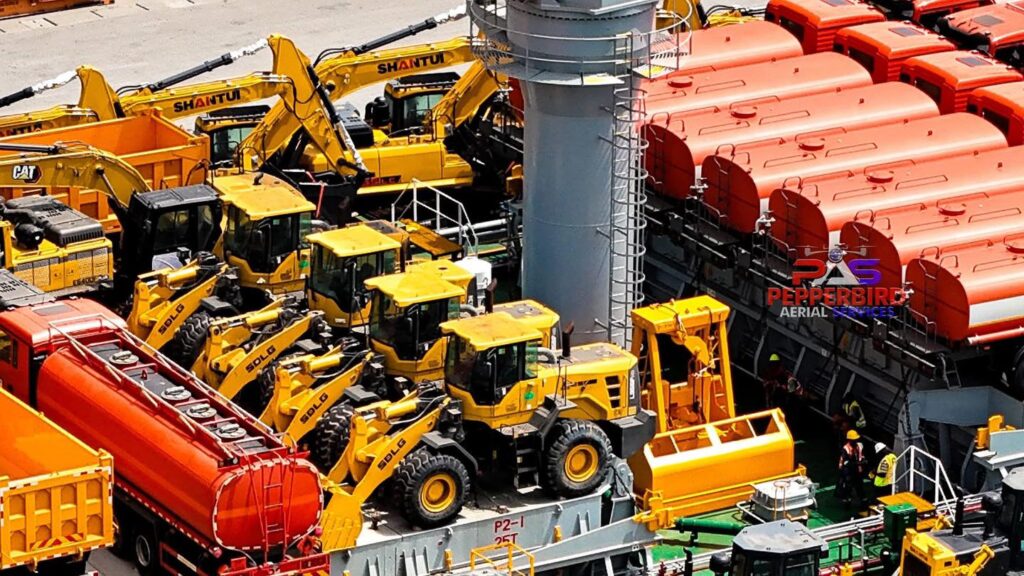
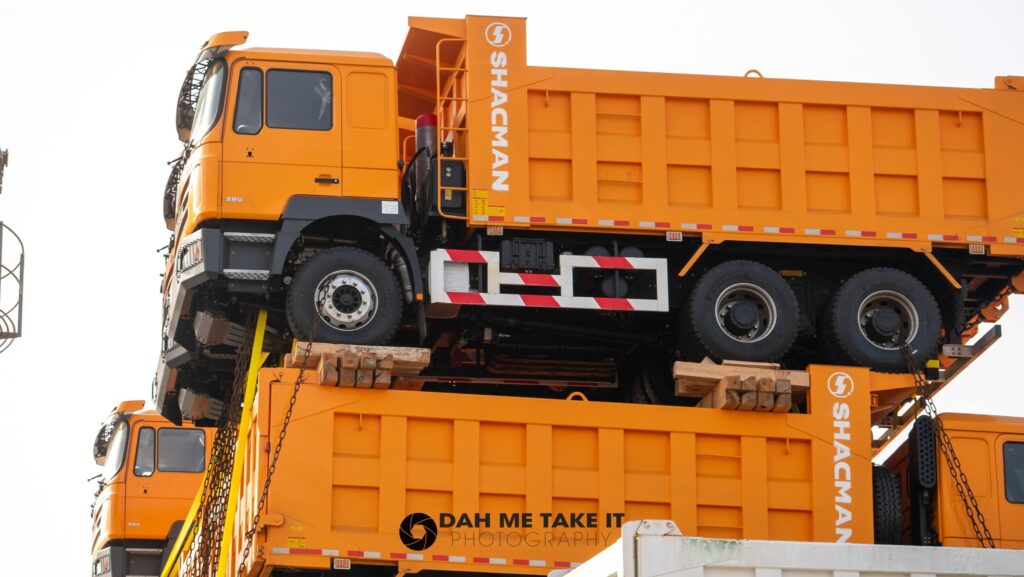
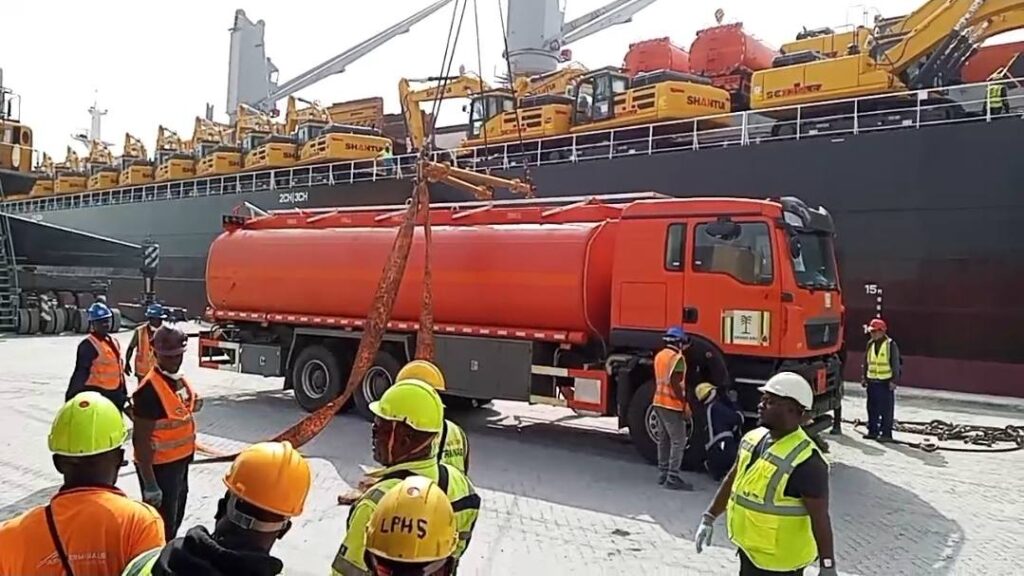
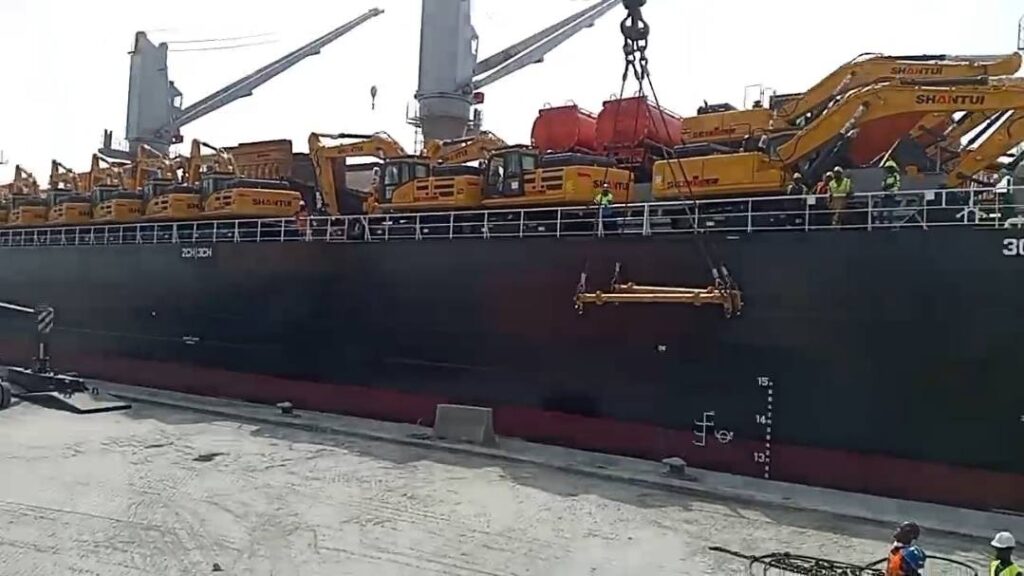
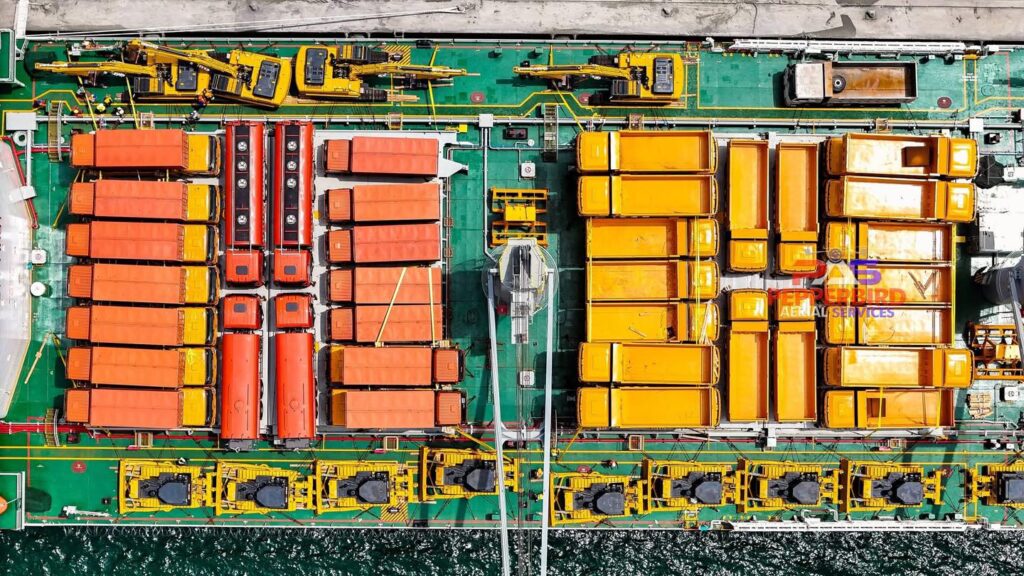
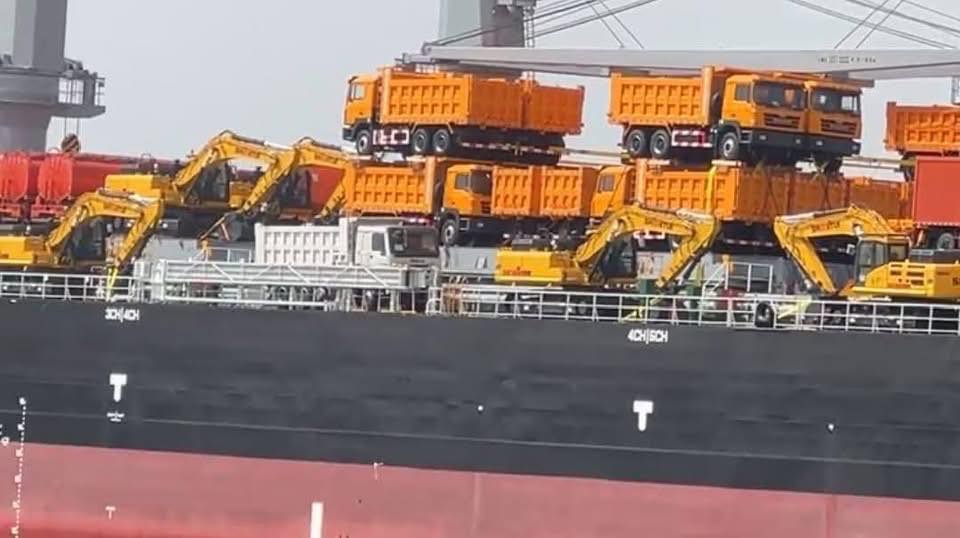
On Sunday, February 22, 2026, Liberia witnessed something that political discourse alone could not manufacture: 137 pieces of heavy-duty, earth-moving equipment physically touching Liberian soil at the Freeport of Monrovia.
For nearly two years, the “Yellow Machine” project lived largely in the arena of rhetoric. It was announced with fanfare. It was debated in talk shows. It was attacked on social media. It was defended in cabinet rooms. It was scrutinized in public squares. It was doubted, dismissed, dissected, and politicized.
Then, steel met dock.
And in that moment, rhetoric encountered reality.
The Burden of Political Promises
In Liberia’s political culture, promises are abundant. Delivery is rarer.
The Yellow Machine initiative became a symbol of this tension. Critics questioned procurement procedures, pricing structures, and transparency. Supporters insisted it was a transformative intervention for county-level infrastructure. Skeptics predicted it would never materialize.
This is not unusual. In our political history, ambitious infrastructure promises often dissolve into bureaucratic inertia, procurement disputes, or budgetary constraints.
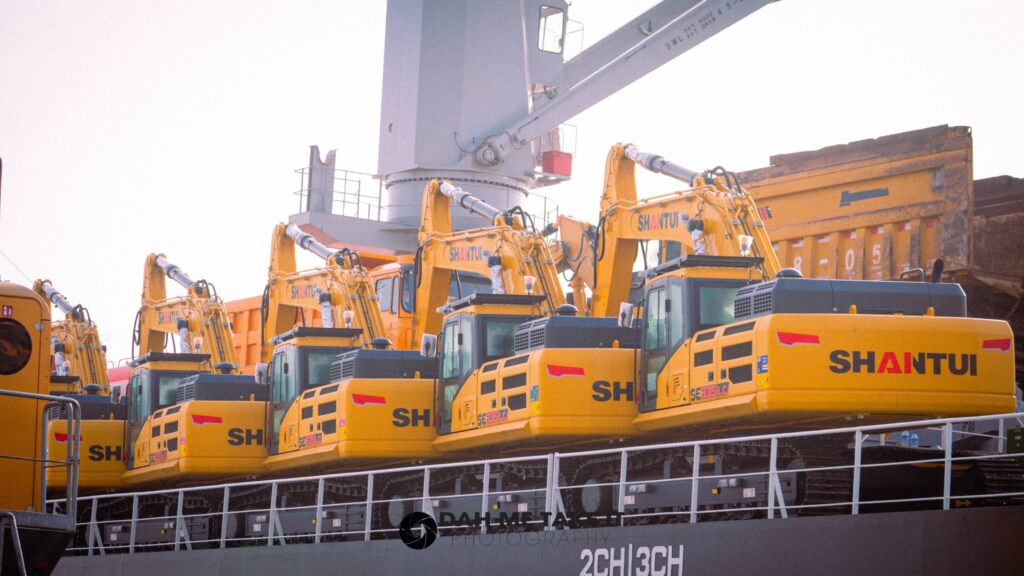
What makes the arrival of the first batch of equipment significant is not merely the machinery itself—but the crossing of a psychological threshold.
Political words became physical assets.
But that is only the first test passed.
The Difference Between Arrival and Impact
The real question is not whether machines arrived.
The real question is whether they will work.
Governance is not validated at the port. It is validated on the road. It is validated in the villages where farmers must transport produce. It is validated in counties where ambulances struggle through mud in the Rainy Season. It is validated in markets that cannot function because feeder roads are impassable.
If these machines remain parked, poorly maintained, or politically weaponized, then the arrival becomes spectacle—not transformation.
Liberians have seen too many projects celebrated at launch and forgotten at implementation.
This moment demands discipline beyond celebration.
From Campaign Narrative to Administrative Execution
Political rhetoric thrives on aspiration. Administrative governance thrives on systems.
The Yellow Machine initiative must now transition from a political narrative to a management framework. That means:
- Clear operational guidelines
- Transparent deployment schedules
- Non-political usage protocols
- Rigorous maintenance systems
- Professional operator training
- Public accountability mechanisms
If counties are to truly benefit, then usage must be guided by need, not influence.
The Chairman of the Yellow Machine Board has stated that the equipment will not be used for political purposes. That assurance must now be institutionalized—not merely repeated.
Rhetoric reassures. Systems protect.
The Political Lesson
The arrival of these machines teaches a broader lesson about democratic accountability.
In a republic, skepticism is not sabotage. Public questioning forced reviews. Reviews led to restructuring. Restructuring led to renegotiation. Renegotiation led to delivery.
Political rhetoric without scrutiny can produce waste. Scrutiny without eventual delivery produces cynicism. The healthy balance between the two produces governance.
What happened with the Yellow Machines reflects that tension: controversy did not kill the project; it arguably strengthened its foundation.
Managing Expectations
The enthusiasm surrounding “Yellow Machine Day” must be tempered with realism.
Heavy equipment does not automatically fix roads. It requires:
- Fuel supply chains
- Spare parts logistics
- Operator competence
- Transparent budgeting
- Continuous supervision
Liberia’s infrastructure challenge is systemic, not symbolic. Machines are tools, not solutions in themselves.
If properly managed, they can catalyze agricultural growth, reduce transportation costs, and increase county productivity. If mismanaged, they will become expensive monuments to poor planning.
The Real Meaning of Alignment
The focus on aligning rhetoric with reality is not about political credit. It is about institutional credibility.
When leaders make commitments and fulfill them—even after delays—it strengthens public trust.
But credibility is not secured by one shipment. Two more consignments are expected. Beyond that lies the greater responsibility: sustained performance.
Alignment between rhetoric and reality is not a single event. It is a pattern of behavior.

A Call for Maturity
Liberia’s political culture must mature beyond two extremes:
- Blind praise when announcements are made.
- Total dismissal before outcomes are seen.
The appropriate response is measured optimism—celebrate delivery, monitor execution.
The arrival of 137 machines is worthy of acknowledgment. But it is the beginning of a long administrative marathon.
The true headline will not be written at the port.
It will be written in counties where road networks improve measurably within the next 12 to 24 months.

Conclusion
Political rhetoric is powerful. It mobilizes hope. It frames direction. It inspires vision.
But governance is ultimately judged by reality.
On February 22, 2026, rhetoric met steel.
Now reality must meet responsibility.
If this administration ensures that these machines transform into functioning infrastructure—maintained, accountable, and equitably deployed—then the Yellow Machine story will become a case study in political promise fulfilled.
If not, it will become another cautionary tale in Liberian public administration.
The choice lies not in speeches—but in systems.
Follow The Liberian Post on Facebook and X (formerly twitter)