

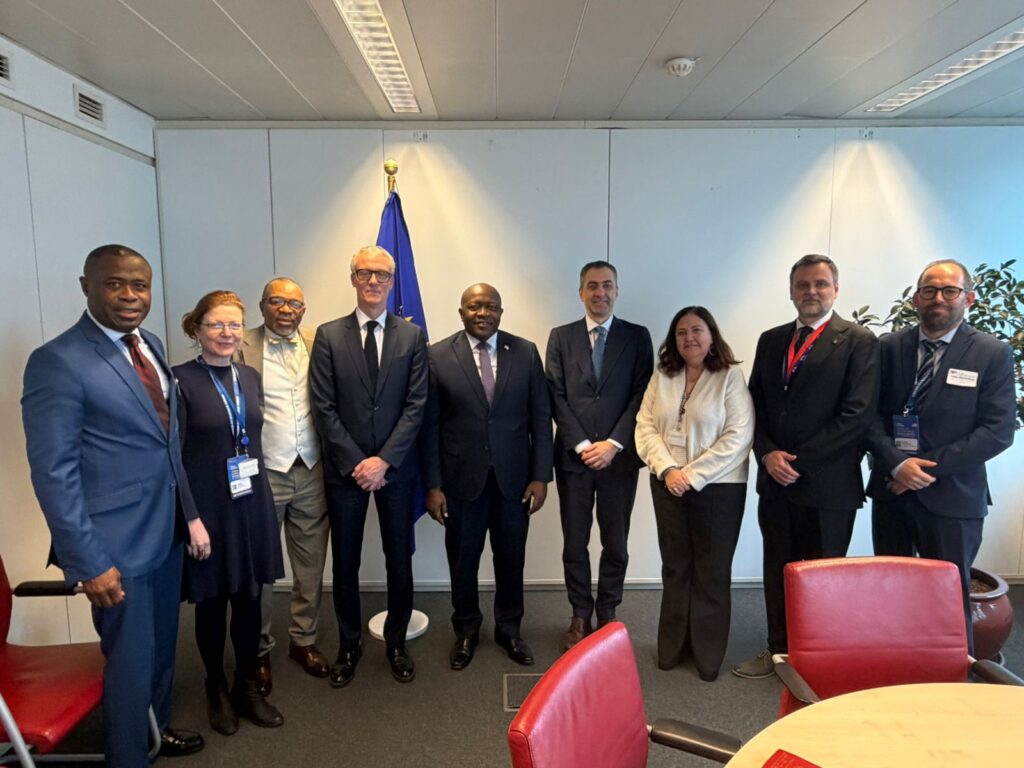
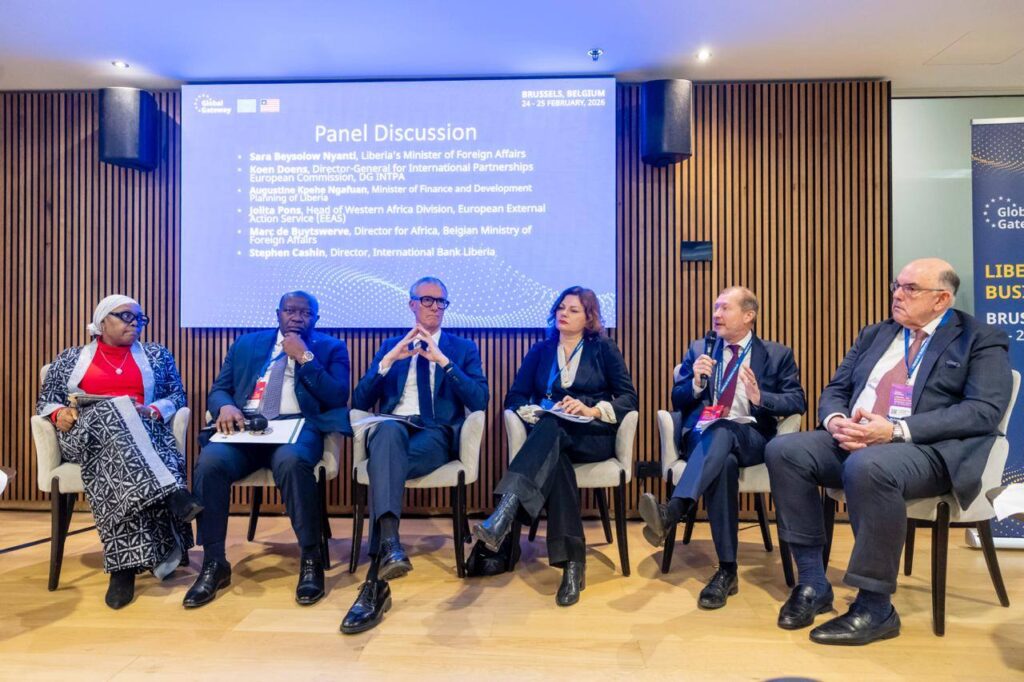
The Liberia–European Union Business Forum in Brussels is more than another diplomatic engagement. It is a test of whether Liberia is ready to fully embrace private sector–led transformation — and whether Europe is prepared to invest not just capital, but long-term confidence in Liberia’s future.
With more than €1.5 billion in potential projects reportedly discussed during the forum, the scale of ambition is undeniable. But ambition alone does not transform economies. Execution does.
A Strategic Shift in Economic Diplomacy
For decades, Liberia’s engagement with international partners largely revolved around aid, post-war reconstruction, humanitarian support, and governance stabilization. Those interventions were necessary. They helped rebuild institutions, restore macroeconomic order, and stabilize a fragile democracy.
But the Liberia–EU Business Forum signals a deliberate shift — from aid dependency to investment partnership.
This is a welcome transition.
Private sector–led development is not merely a policy slogan. It is the only sustainable path to job creation, domestic revenue mobilization, and long-term economic resilience. Governments do not create wealth; they create conditions for wealth to be created.
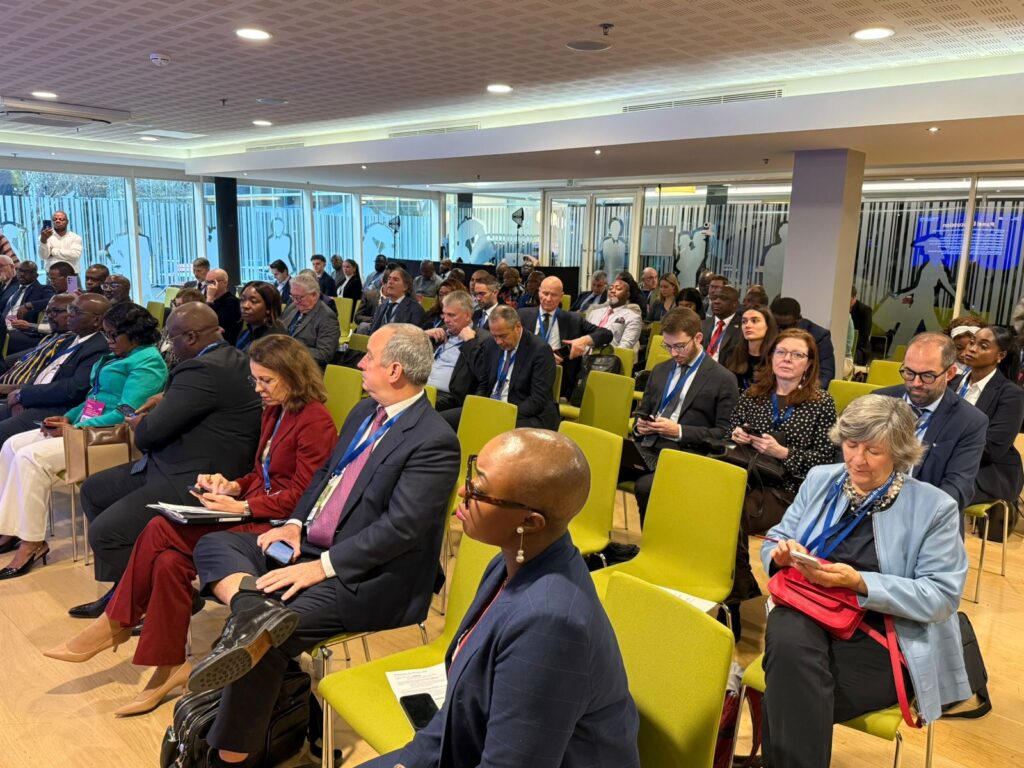
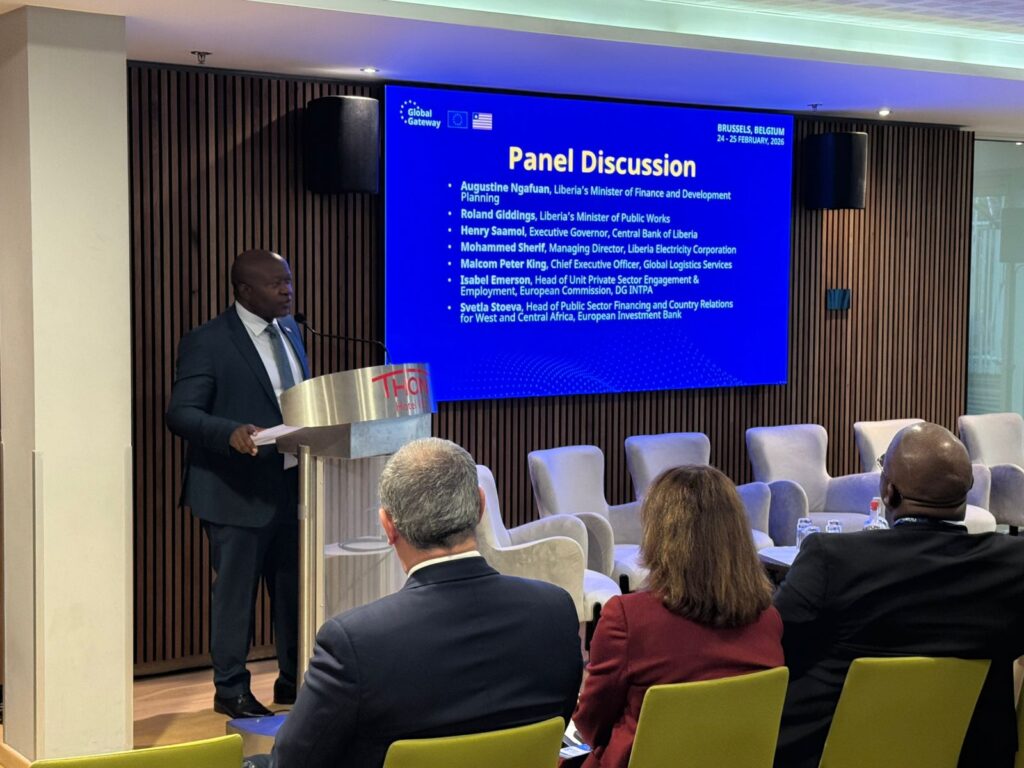
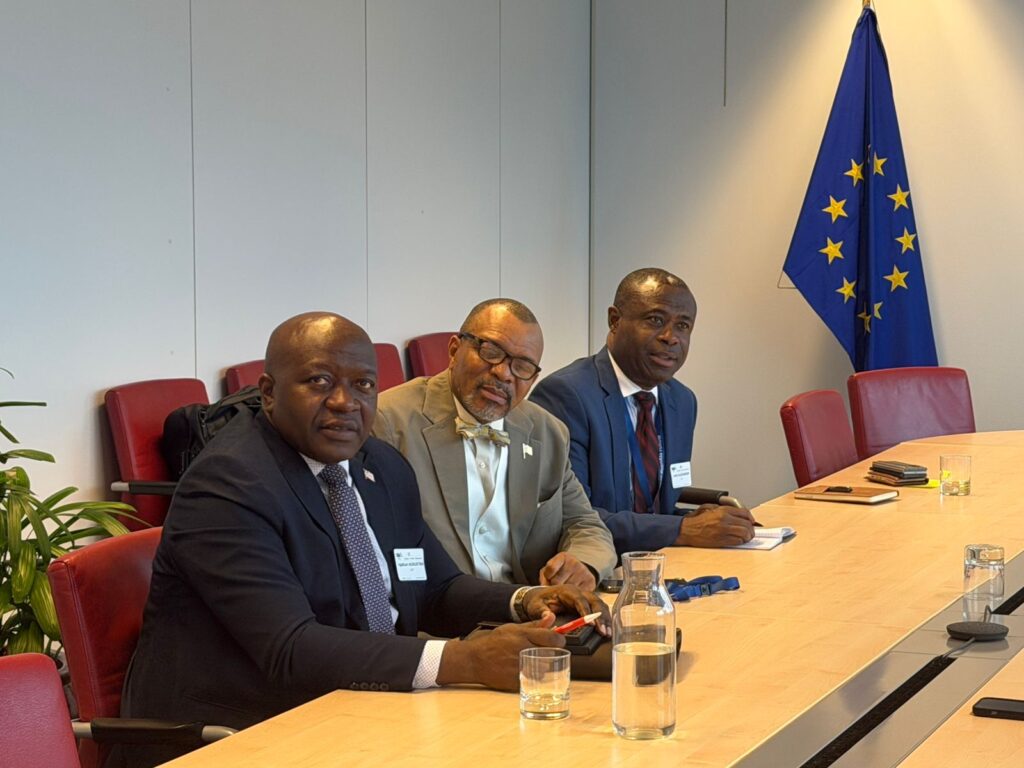
The forum’s emphasis on government-to-business (G2B) and business-to-business (B2B) engagements reflects that reality. The presence of Liberian ministers responsible for Finance, Commerce, Agriculture, Public Works, and Mines & Energy underscores the seriousness of the effort.
€1.5 Billion: Opportunity or Illusion?
The headline figure — €1.5 billion in potential projects — is impressive. For an economy the size of Liberia’s, that represents transformative capital.
But the operative word is “potential.”
Liberia has, in the past, announced major investment pipelines that failed to materialize due to regulatory bottlenecks, weak coordination, land disputes, infrastructure deficits, or governance uncertainties.
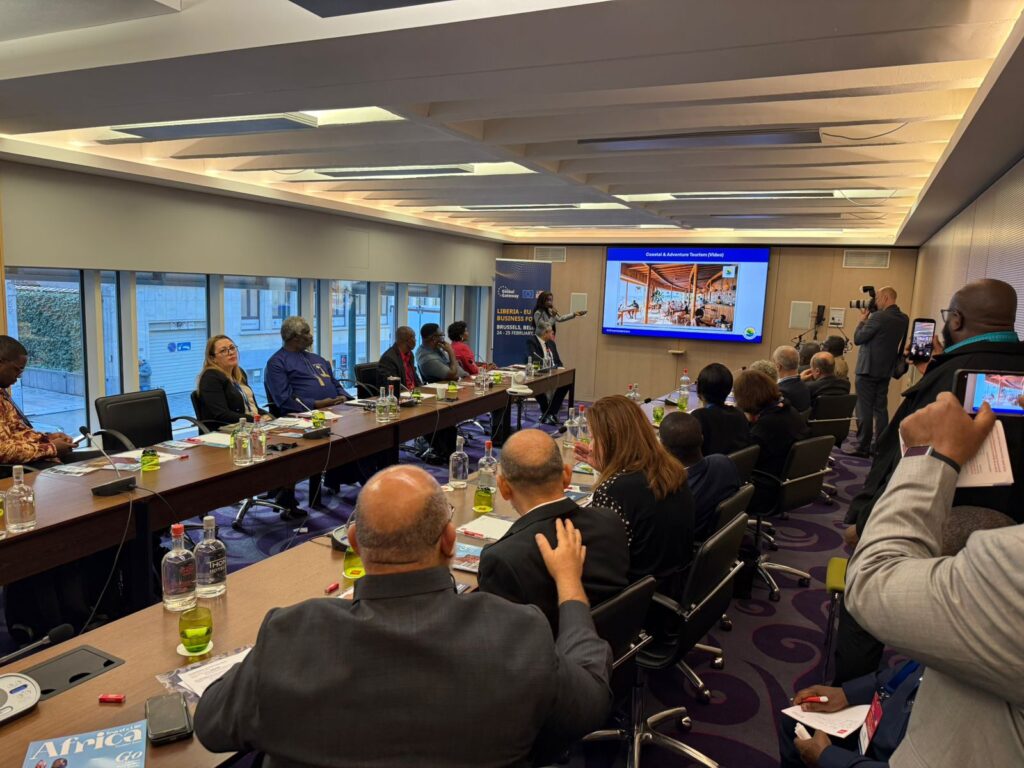
This forum must not become another addition to a long list of promising communiqués that fade into silence.
The question now is simple:
- How many of these projects will move from concept to contract?
- How many will break ground?
- How many Liberians will be employed?
- How much domestic value will be retained?
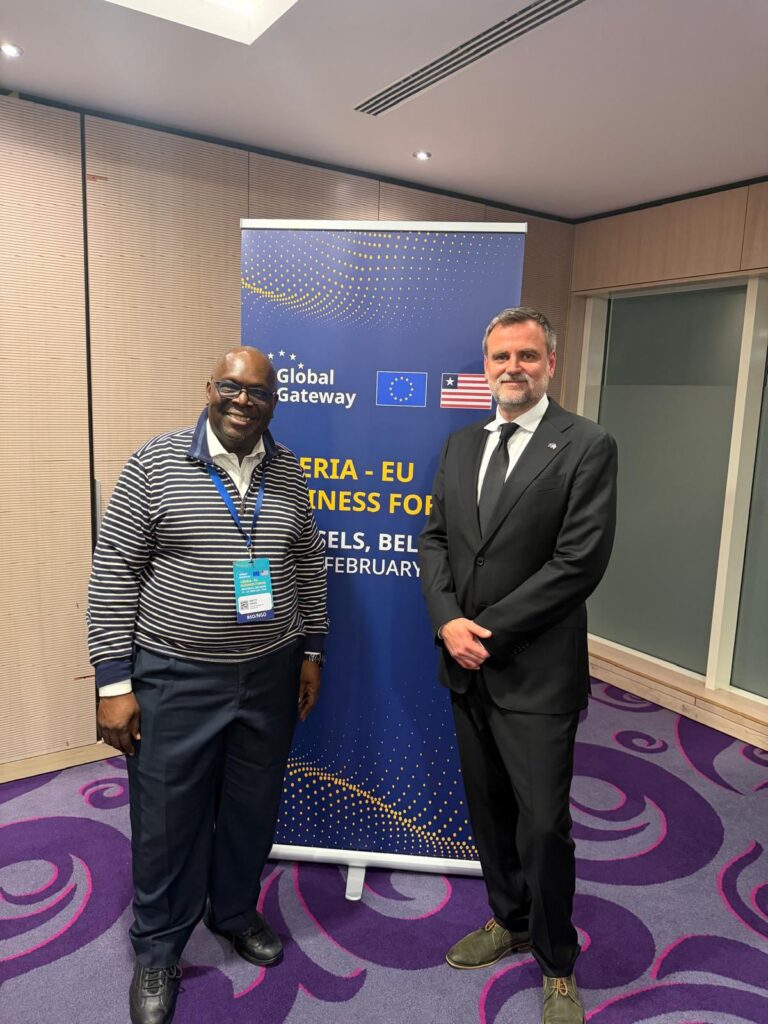
The Political and Economic Context
The Liberia–EU dialogue takes place at a critical time. Liberia’s new administration has pledged to implement the ARREST Agenda for Inclusive Development. The country faces high youth unemployment, infrastructure gaps, fiscal constraints, and rising expectations from citizens at home and in the diaspora.
At the same time, the European Union is repositioning its engagement with Africa through its Global Gateway strategy — focusing on infrastructure, sustainable investment, and strategic partnerships rather than traditional donor frameworks.
In that convergence lies opportunity.
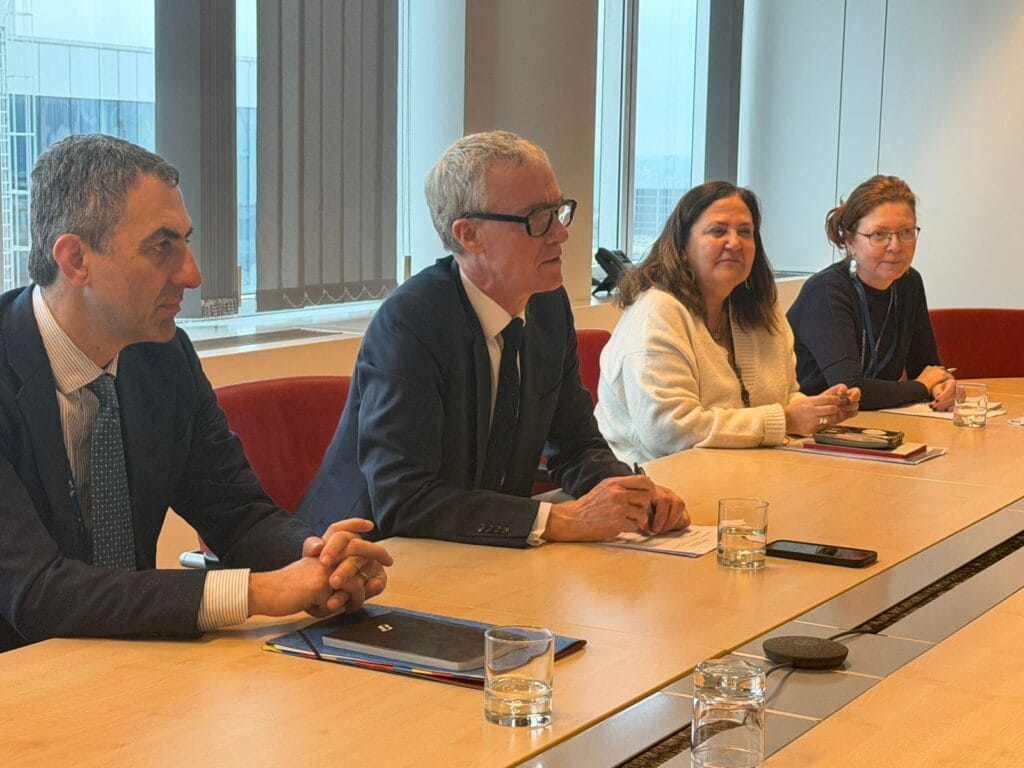
Europe seeks stable, reliable partners in West Africa. Liberia seeks capital, technology, and market access. If structured properly, the partnership can be mutually beneficial.
The Private Sector Must Lead — But Government Must Enable
Private sector–led growth requires more than business forums. It requires:
- Regulatory clarity
- Predictable tax regimes
- Transparent procurement processes
- Enforceable contracts
- Functional courts
- Reliable energy supply
- Efficient ports and customs systems
Investors do not invest in speeches. They invest in certainty.
The government’s willingness to listen to diaspora Liberians and European investors is commendable. But listening must now be followed by reform.
If Liberia wants to compete for European capital, it must reduce bureaucratic friction, digitize systems, accelerate land governance reforms, and strengthen anti-corruption enforcement.
The Diaspora Dimension
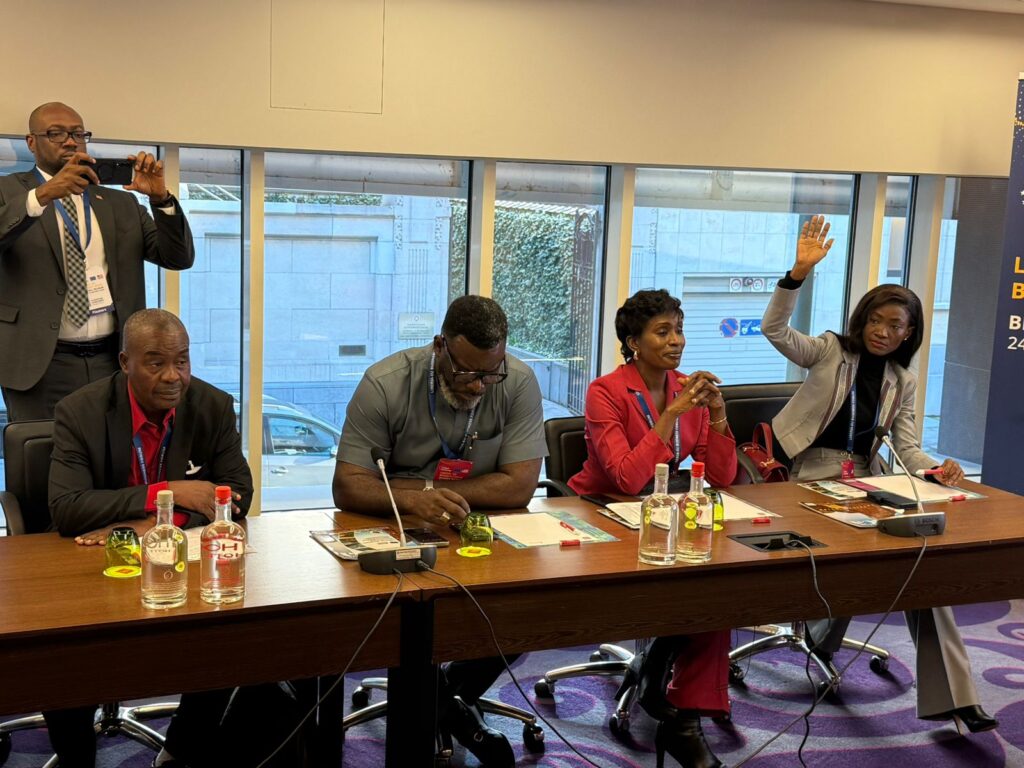
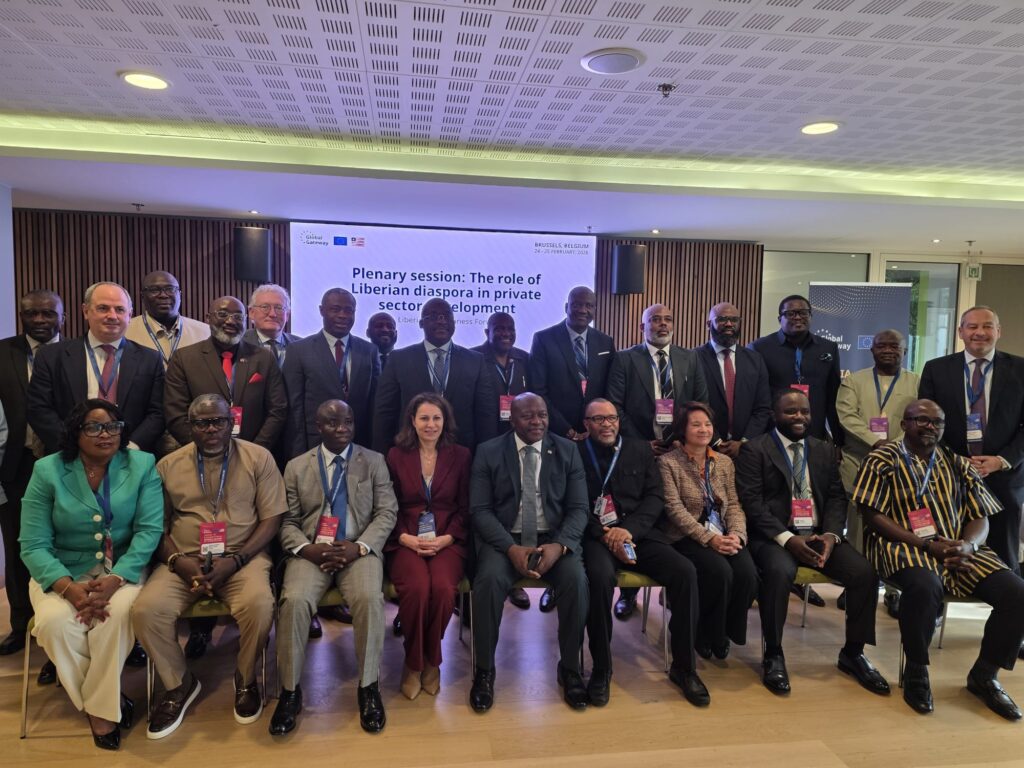
An overlooked strength of this forum is the role of the Liberian diaspora in Europe. Diaspora professionals, entrepreneurs, and investors serve as bridges between capital markets and home opportunities.
Discussions around diaspora bonds and financial instruments indicate a maturing conversation about how to mobilize Liberian capital abroad. If structured with transparency and credibility, such instruments could unlock significant financing.
But again, trust is the foundation.
Diaspora Liberians will invest when they see reforms at home aligning with their confidence abroad.
A Moment That Must Not Be Wasted
Liberia is not starting from zero. In some respects, it is emerging from what Finance Minister Augustine Ngafuan once described metaphorically as “the negative.” Years of conflict, institutional fragility, and economic shocks placed the country behind its regional peers.
Progress requires not only ambition but discipline.
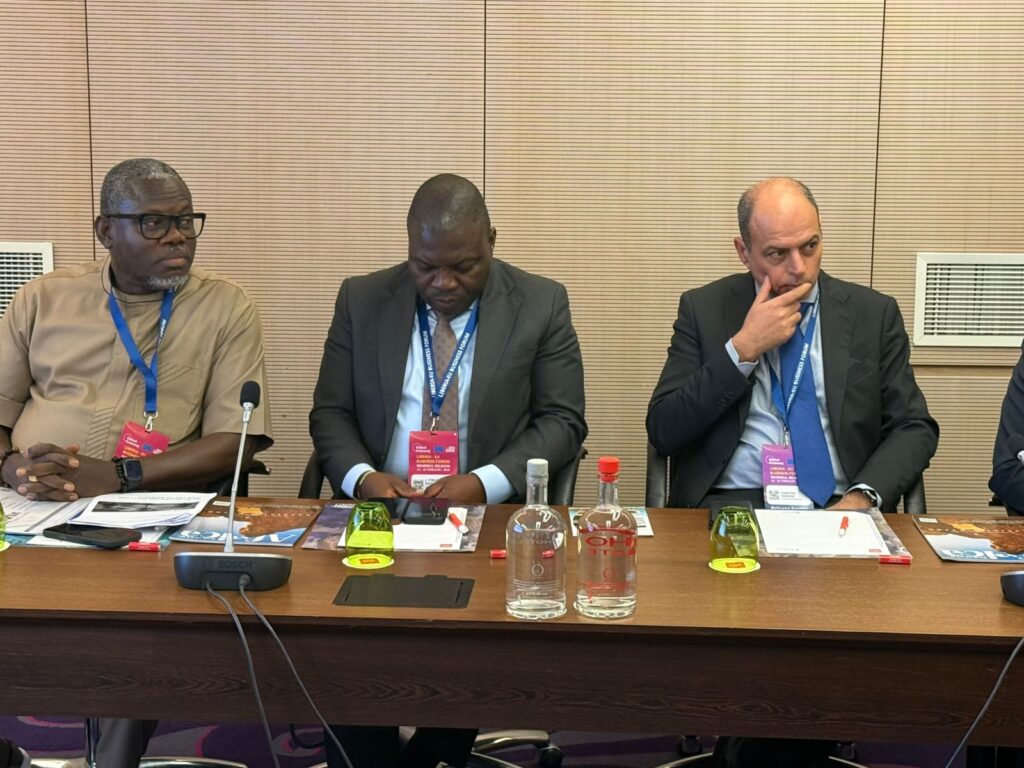
The Liberia–EU Business Forum has created momentum. It has opened doors. It has demonstrated alignment between Monrovia and Brussels around private sector leadership.
Now comes the difficult part: implementation.
What Success Would Look Like
Success would mean:
- Signed investment agreements within months, not years.
- Infrastructure projects moving to execution stage.
- Liberian SMEs integrated into European supply chains.
- Agricultural value chains expanded with export-ready standards.
- Energy investments reducing power costs.
- Youth employment numbers rising measurably.
If even a fraction of the €1.5 billion potential is realized, Liberia’s economic trajectory could change meaningfully.
The Final Word
The Liberia–EU Business Forum represents a defining opportunity. It signals confidence in Liberia’s reform path and a willingness by Europe to engage beyond rhetoric.
But forums do not build roads. Dialogue does not create jobs. Announcements do not generate electricity.
Performance does.
Liberia now stands at a crossroads: it can convert potential into prosperity, or it can allow momentum to dissipate into memory.
The choice — and the responsibility — lies with policymakers, investors, and institutions alike.
The time for celebration has passed. The time for delivery has begun.
Follow The Liberian Post on Facebook and X (formerly twitter)