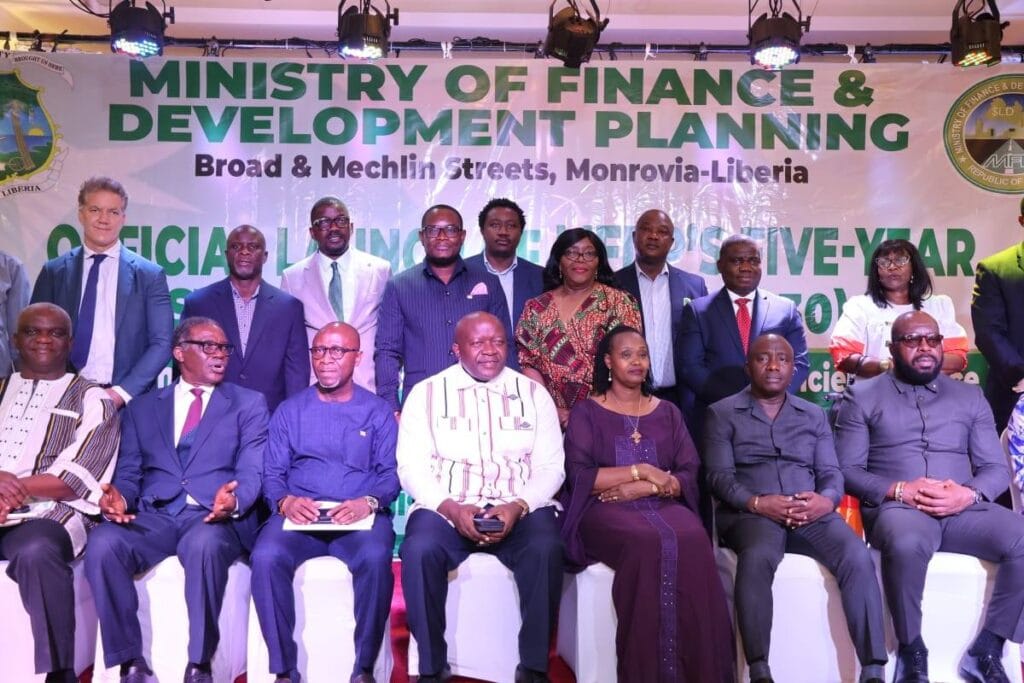
The launch of the Ministry of Finance and Development Planning’s 2026–2030 Strategic Plan marks an important moment in Liberia’s ongoing effort to strengthen economic governance and public financial management. The document, unveiled this week at the EJS Ministerial Complex in Congo Town, represents more than a bureaucratic exercise. It is a statement of intent by the government to improve fiscal discipline, modernize state institutions, and deliver more effective services to the Liberian people.
But like many strategic plans before it, the true test will not lie in the eloquence of the document or the enthusiasm of the launch ceremony. The real measure will be implementation.

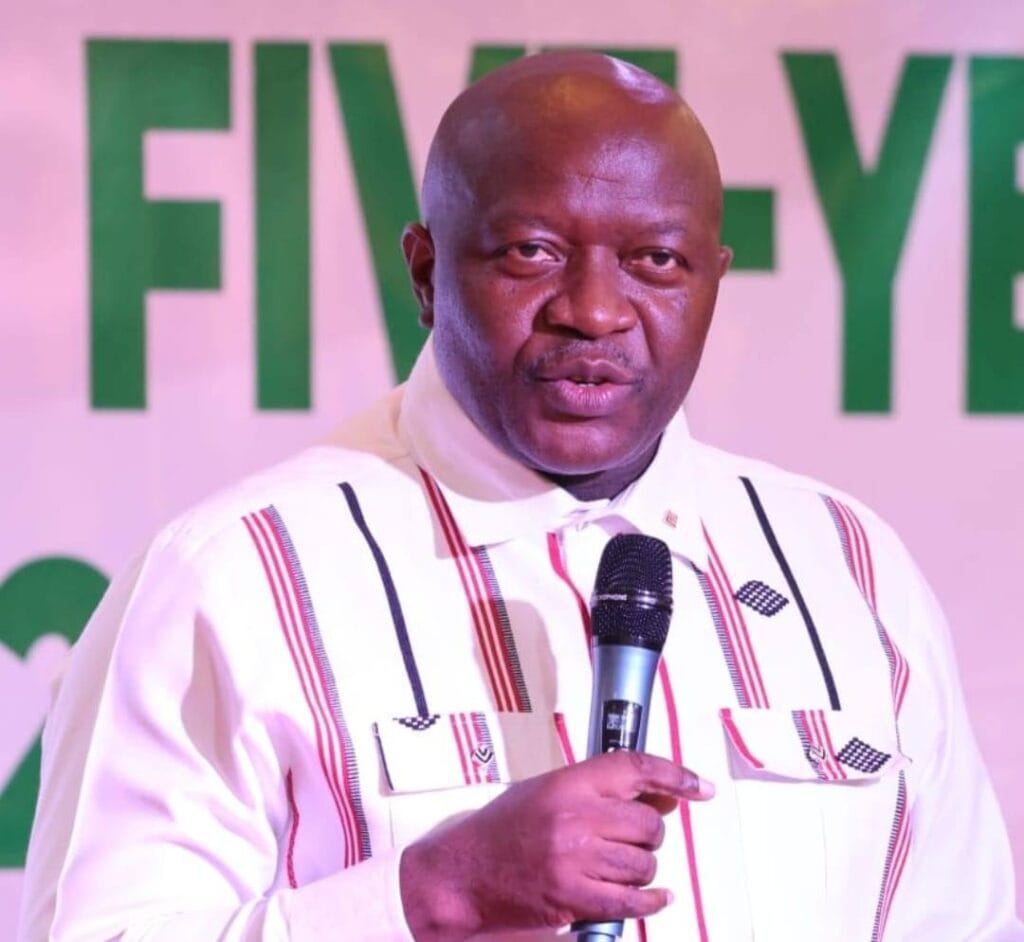
Finance Minister Augustine Kpehe Ngafuan was candid about this reality when he addressed the gathering of government officials, development partners, and civil society representatives. Strategic plans, he reminded the audience, do not transform countries on their own. Institutions do so through consistent execution, discipline, and accountability.
That frank admission is both refreshing and necessary.
For decades, Liberia has produced numerous policy frameworks—many of them well written and ambitious—only to see them fall short due to weak implementation, bureaucratic inertia, and fragmented coordination across government agencies. The new five-year plan must avoid that fate.
The strategic priorities outlined by the Ministry of Finance are encouraging. They include modernizing financial management systems, strengthening fiscal reporting and accountability, improving debt management, and accelerating digital transformation across government financial processes. These reforms are not merely technical adjustments; they go to the heart of how the Liberian state functions.
At its core, the Ministry of Finance serves as the engine room of government. It is the institution responsible for mobilizing resources, allocating budgets, and ensuring that the machinery of government continues to function. When the ministry operates efficiently, the entire government benefits. When it falters, the consequences ripple across every sector—from health and education to infrastructure and agriculture.

That is why the emphasis on fiscal discipline and transparency in the new strategic plan is so critical.
Liberia’s development ambitions, including the ARREST Agenda for Inclusive Development, require significant financial resources. Yet the country’s domestic revenue mobilization remains insufficient to meet those demands. Strengthening public financial management and improving revenue performance are therefore essential if Liberia hopes to finance its development priorities without accumulating unsustainable debt.
Equally important is the plan’s focus on digitalization. By moving away from paper-based processes toward automated financial systems, the government can significantly reduce bureaucratic delays, improve transparency, and limit opportunities for corruption. In a country where administrative bottlenecks often frustrate both citizens and businesses, such reforms could dramatically improve the efficiency of public service delivery.

Another promising aspect of the strategy is its emphasis on institutional professionalism. Building a competent and accountable public financial management workforce is indispensable for long-term reform. Systems alone cannot deliver results; they require capable professionals who understand both the technical and ethical responsibilities of public service.
However, the strategic plan also highlights several challenges that cannot be ignored.
Liberia continues to face fiscal pressure, institutional capacity gaps, and economic vulnerability. These structural constraints will test the ministry’s ability to deliver on its ambitious targets, including increasing revenue performance, reducing public debt levels, and achieving improved audit outcomes.

Implementation will therefore require not only leadership within the Ministry of Finance but also cooperation across the entire government. Budget discipline must become a shared responsibility among all ministries and agencies. Development partners must align their support with national priorities. And the legislature must exercise its oversight role constructively to ensure accountability.
Perhaps the most important message delivered at the launch came from Minister Ngafuan himself: the Ministry of Finance does not belong to any individual official. It belongs to the Liberian people.
That principle should guide every reform effort over the next five years.

Ultimately, the purpose of fiscal reform is not simply to improve government systems. It is to improve the lives of ordinary Liberians—by ensuring that teachers are paid on time, hospitals receive adequate funding, roads are built efficiently, and public resources are used responsibly.
If the Ministry of Finance can translate its strategic vision into measurable outcomes, this plan could become a turning point in Liberia’s economic governance.
But the nation has learned a hard lesson over the years: plans do not succeed because they are announced. They succeed because they are executed.
The next five years will reveal whether this strategy becomes another document on a shelf—or a genuine blueprint for national progress.
Follow The Liberian Post on Facebook and X (formerly twitter)