
The outcome of the Conakry summit between Liberia, Guinea, and Sierra Leone offers a much-needed moment of reassurance in a region that knows too well the cost of conflict.
At a time when tensions along the Liberia–Guinea border threatened to escalate, the decision by Presidents Joseph Boakai, Mamady Doumbouya, and Julius Maada Bio to choose dialogue over confrontation is both commendable and necessary.
The agreement to intensify joint border patrols, enhance intelligence sharing, and establish rapid communication mechanisms is a clear acknowledgment that security challenges in the Mano River region are shared — and must be addressed collectively.
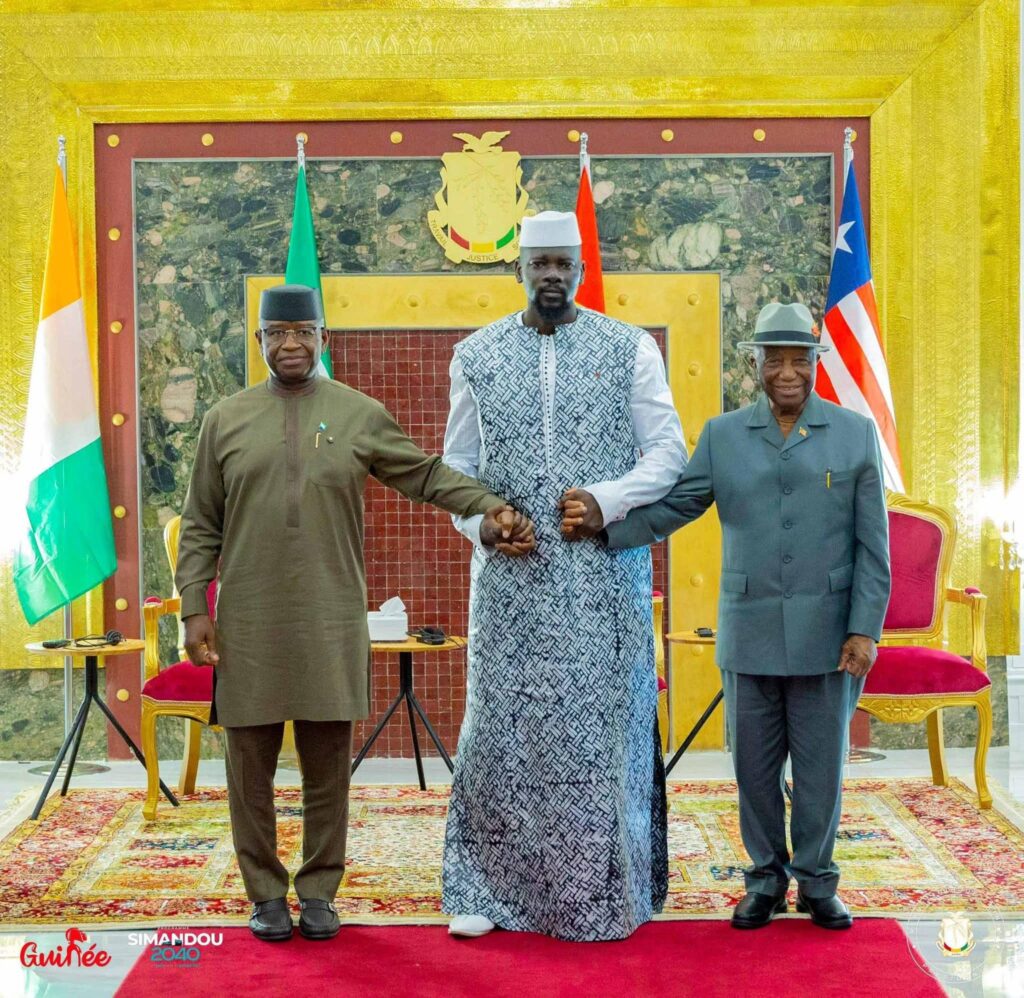
Equally important is the commitment to resolve disputes through peaceful diplomatic means. This is not merely a procedural statement; it is a reaffirmation of a principle that has too often been ignored in Africa’s past.
However, while the summit’s outcomes are encouraging, they must not become another set of well-crafted promises that fail at the level of implementation.
The true test lies ahead.
Will joint patrols actually be conducted consistently? Will intelligence sharing be timely and effective? Will local communities — often the first to feel the impact of border tensions — be meaningfully engaged?
These are the questions that will determine whether the Conakry agreement becomes a turning point or a missed opportunity.

The decision to convene a Mano River Union summit within one month is particularly significant. The MRU was once a vital platform for regional cooperation, but its influence has waned over time. Revitalizing it could provide the institutional backbone needed to sustain dialogue and prevent future crises.
Yet even this effort will require political will, resources, and sustained commitment.
There is also a broader lesson to be drawn. Border tensions in West Africa are rarely just about territory. They are often rooted in deeper issues — weak communication, lack of clear demarcation, economic marginalization of border communities, and historical mistrust.
Addressing these underlying factors will require more than security measures. It will require development, inclusion, and long-term cooperation.
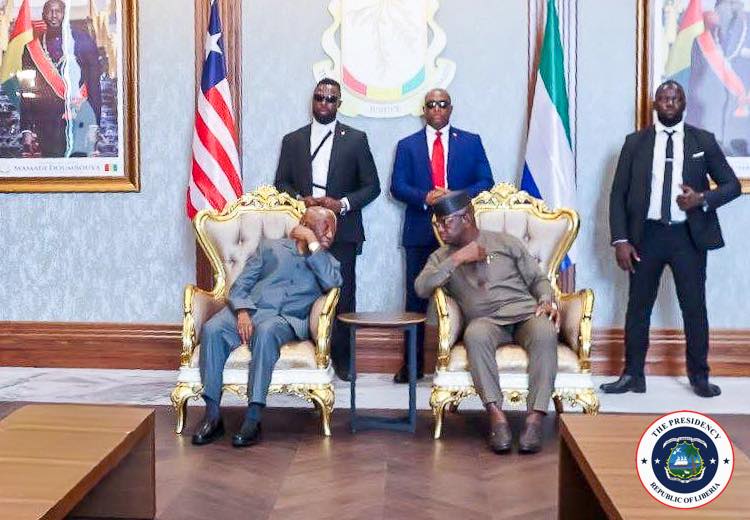
The leaders of Liberia, Guinea, and Sierra Leone have taken an important first step. They have shown that even in moments of tension, diplomacy can prevail.
Now they must prove that their commitments can endure beyond the summit room.
The people of the Mano River region deserve not just agreements, but results — not just promises, but peace.
Follow The Liberian Post on Facebook and X (formerly twitter).