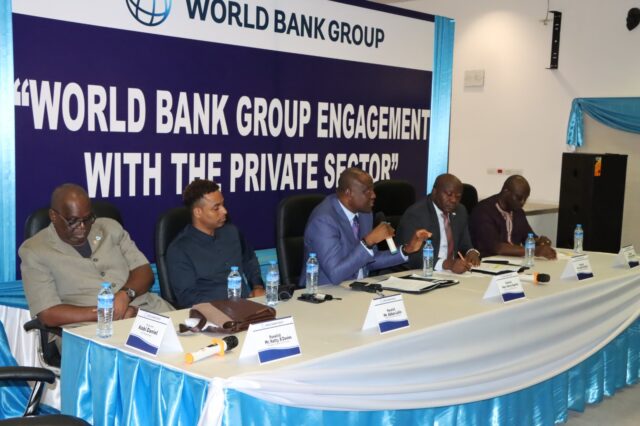
MONROVIA — Liberia’s path to private sector growth extends far beyond access to finance, with policymakers and business leaders warning that structural bottlenecks in energy, infrastructure, and market access remain the real constraints choking enterprise expansion and job creation.
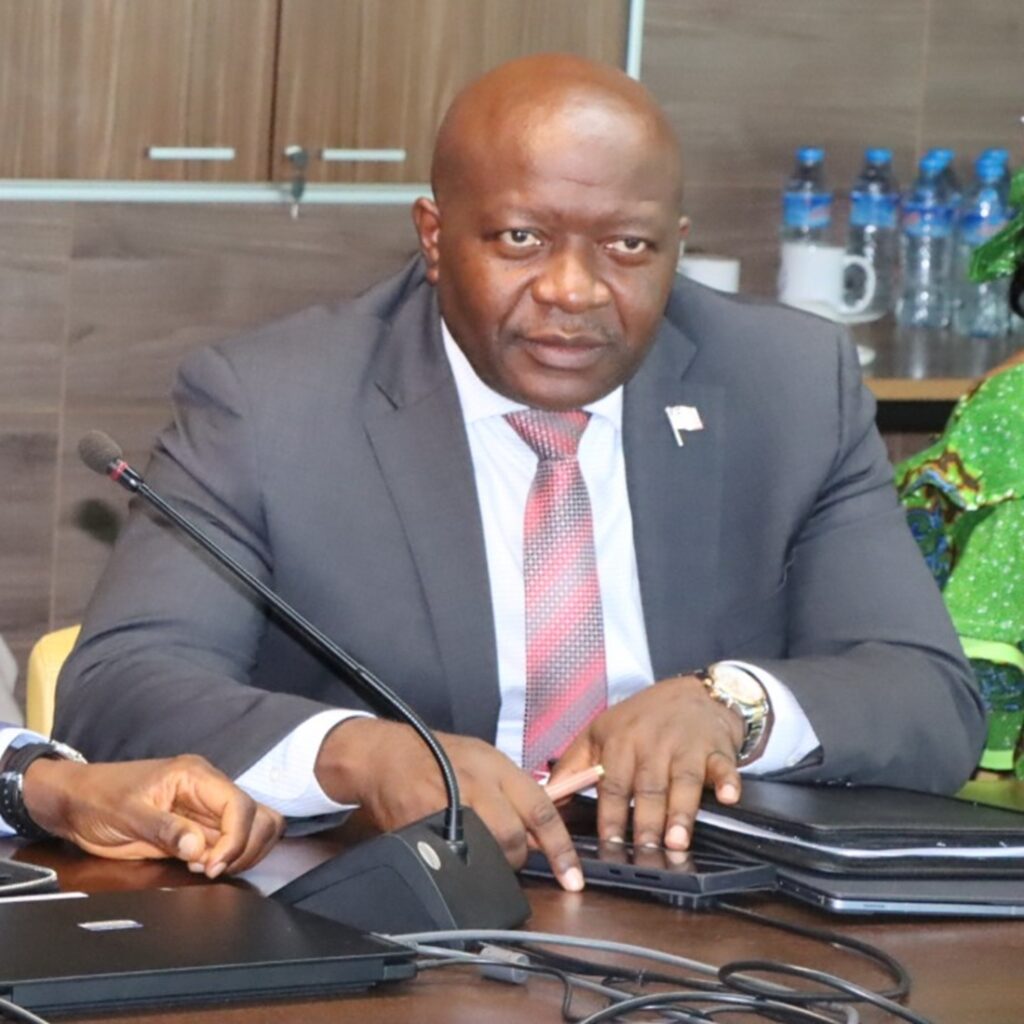
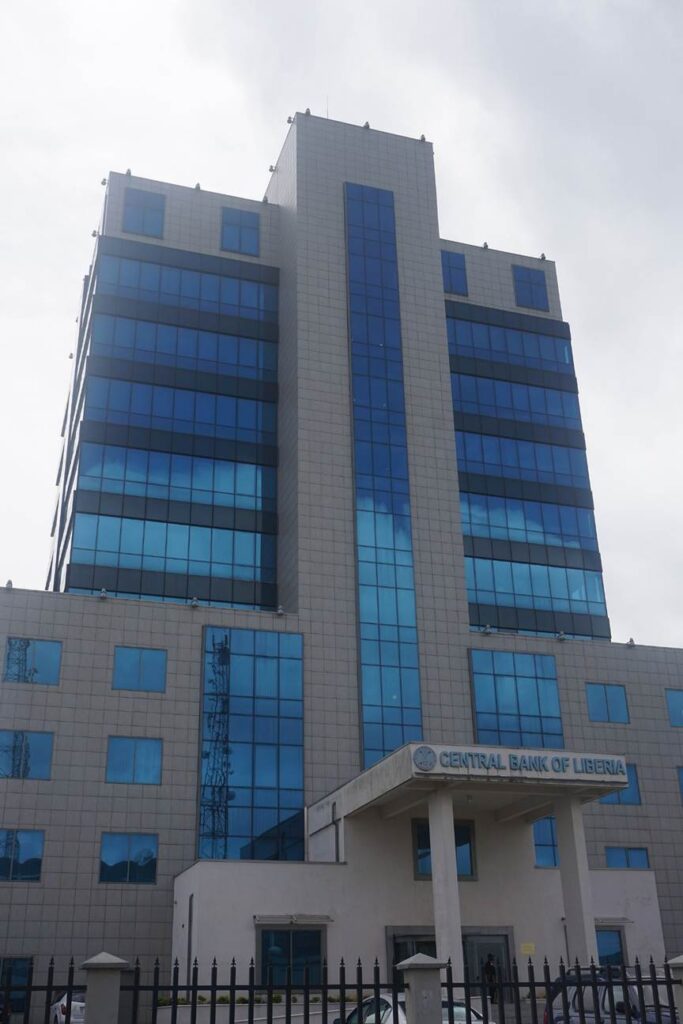
This consensus emerged during a high-level engagement between the World Bank and Liberia’s private sector held at the Central Bank of Liberia, where Finance and Development Planning Minister Augustine Kpehe Ngafuan delivered one of the most forceful interventions of the forum.
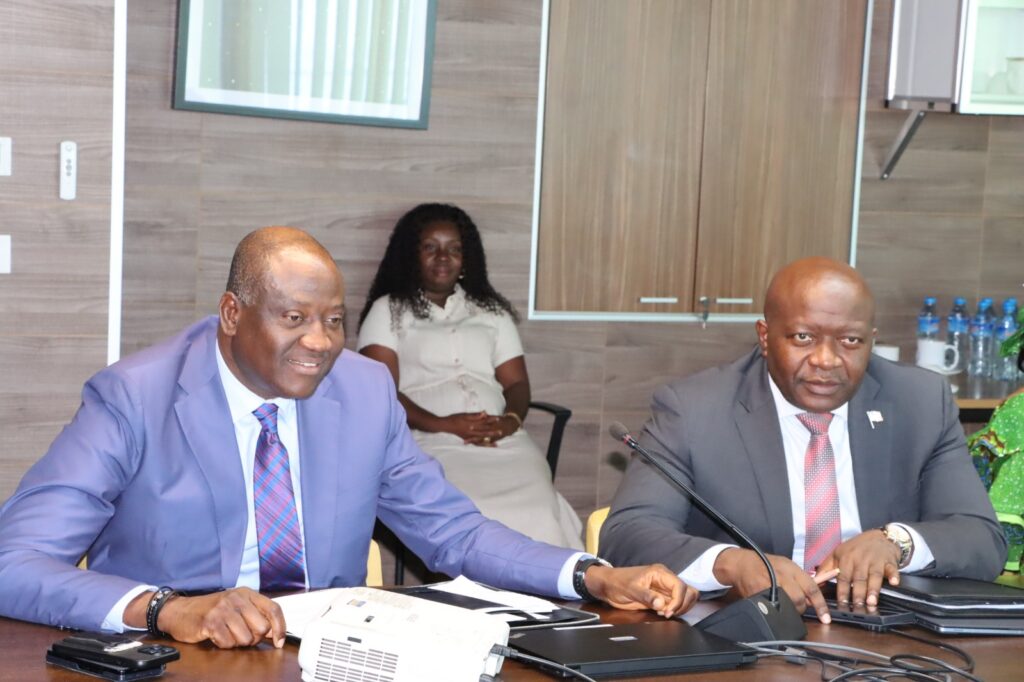
Ngafuan argued that while access to credit remains important, it is not the root problem.
“We must deal with the structural constraints,” he said. “When we are investing in power, we are empowering the private sector.”
Energy as the Missing Link
The Finance Minister drew a direct connection between Liberia’s high cost of electricity and the failure of many small businesses.
Recounting a conversation with a struggling entrepreneur, Ngafuan said:
“A small businesswoman told me she had to close because of the high cost of electricity. She simply could not afford it.”
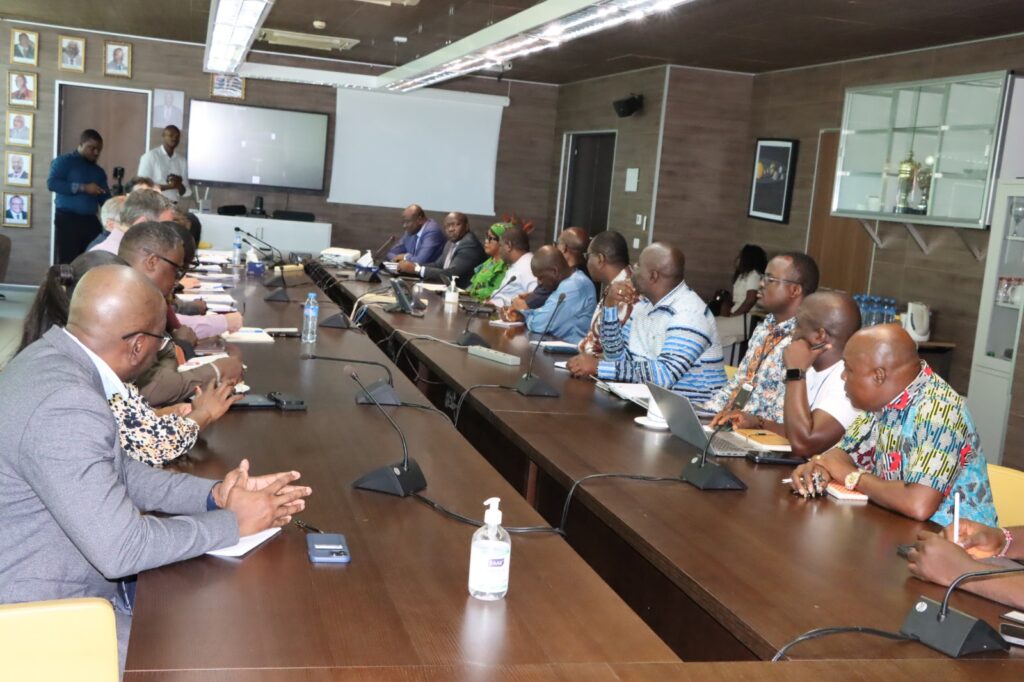
He explained that high operating costs reduce profitability, making it difficult for businesses to repay loans—thereby contributing to the very financial challenges often blamed on SMEs.
“When businesses become profitable, their ability to meet their obligations increases,” he added.
Central Bank Highlights Systemic Constraints
Central Bank of Liberia Executive Governor Henry F. Saamoi reinforced the argument, describing Liberia’s SME financing challenges as deeply systemic.
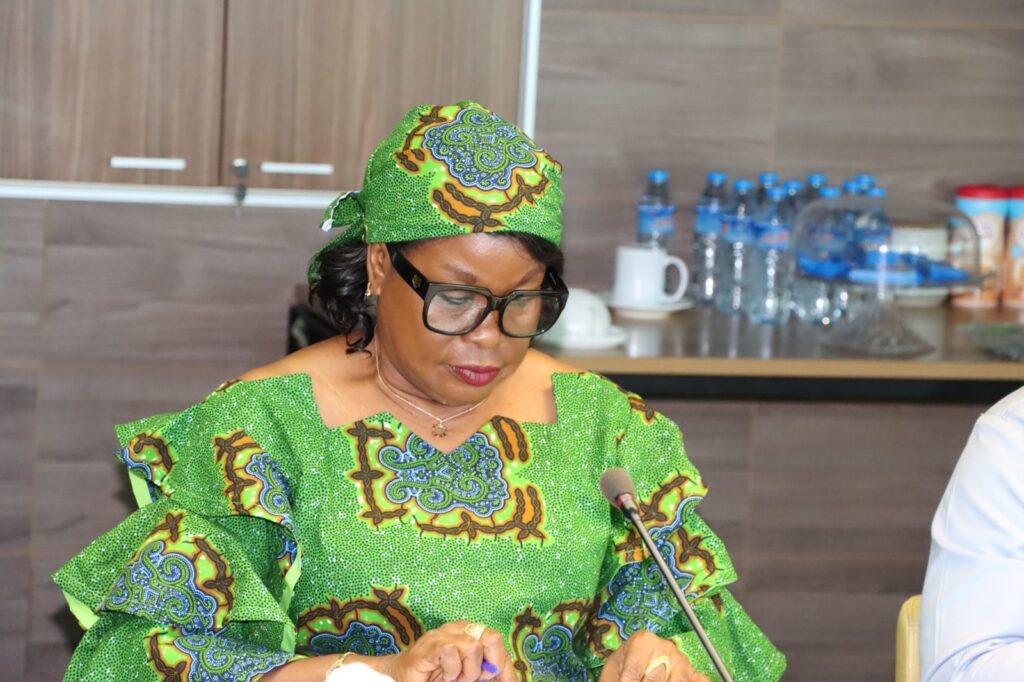
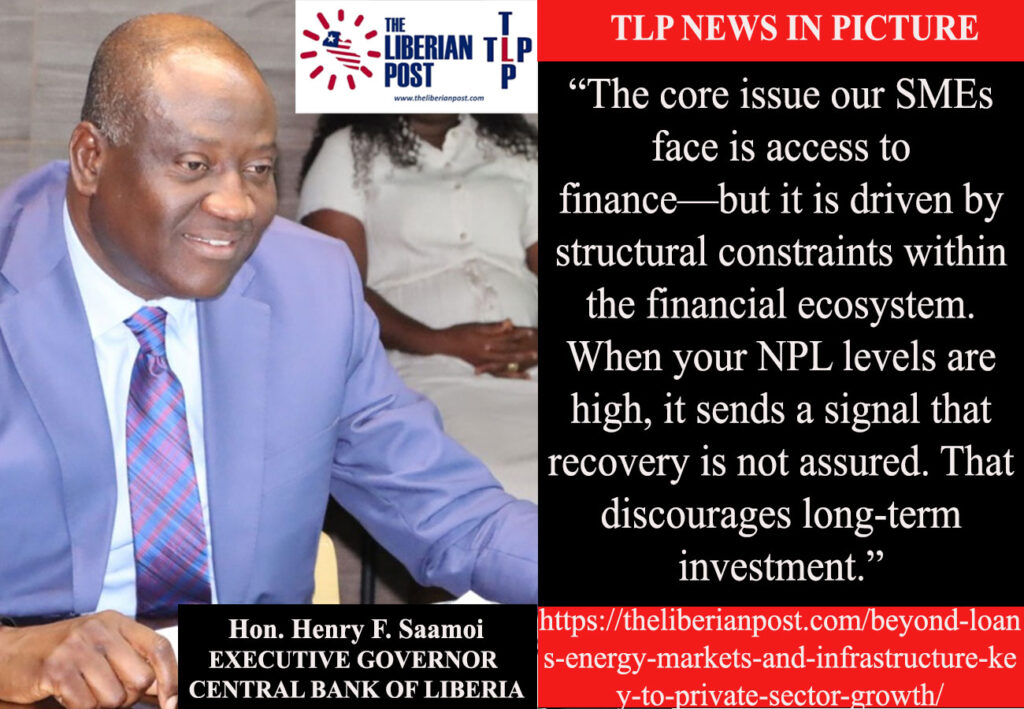
“The core issue our SMEs face is access to finance—but it is driven by structural constraints within the financial ecosystem,” Saamoi said.
He pointed to a range of interrelated barriers:
- Weak legal enforcement mechanisms
- High non-performing loans (NPLs)
- Lack of long-term funding
- Limited credit information systems
According to him, banks remain reluctant to lend not because liquidity is unavailable, but because recoverability is uncertain.
“When your NPL levels are high, it sends a signal that recovery is not assured. That discourages long-term investment,” he explained.
Infrastructure Bottlenecks Raise Costs
Beyond energy, infrastructure—particularly ports and roads—emerged as another major constraint.
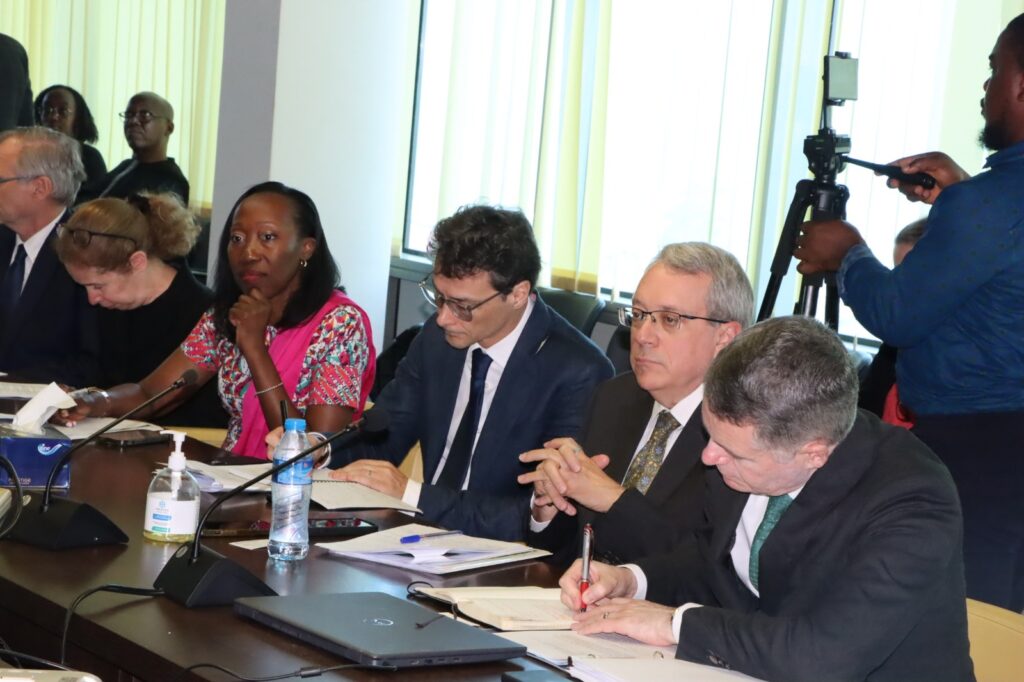
Business leaders highlighted high port costs, delays, and inefficiencies that significantly increase the cost of doing business in Liberia, often passed on to consumers.
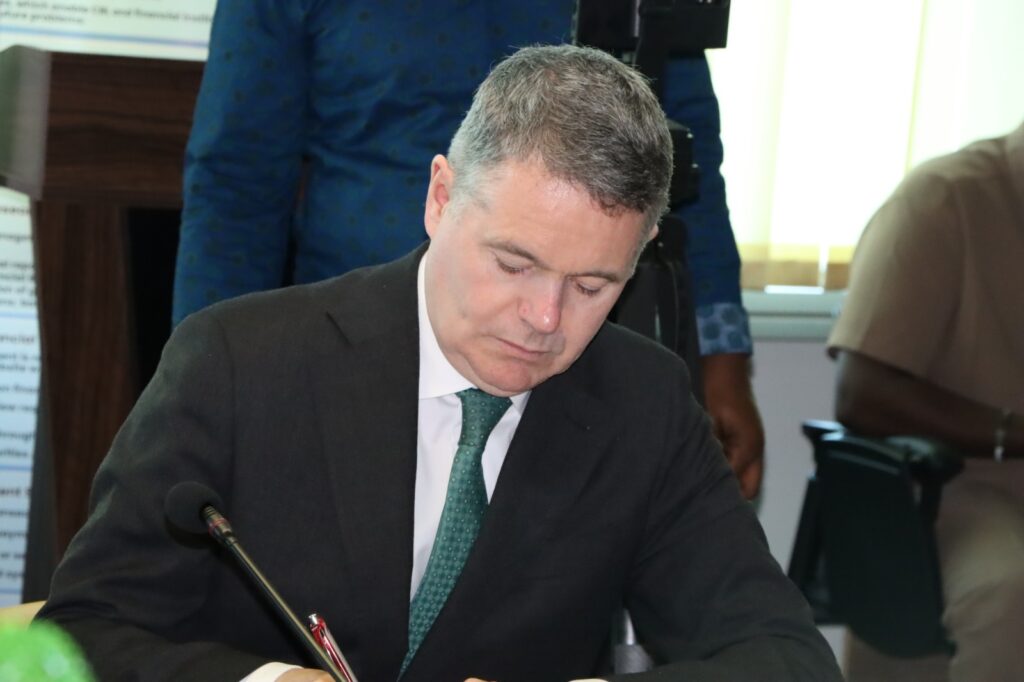
World Bank Managing Director Paschal Donohoe acknowledged the concern, noting that infrastructure remains central to economic transformation.
“There are few investments that can have a more powerful effect on growth and job creation than energy and infrastructure,” he said, citing roads and port systems as critical enablers of private sector expansion.
Access to Markets: The Overlooked Factor
While much attention has focused on finance, the Ministry of Commerce stressed that market access is equally critical.
Officials warned that providing loans to businesses without ensuring they can sell their products would be counterproductive.
“You can give all the money you want, but if businesses cannot access markets, it is a waste,” a senior Commerce Ministry official said during the session.

Efforts are now underway to:
- Leverage ECOWAS trade frameworks
- Utilize the African Continental Free Trade Area (AfCFTA)
- Improve standards and product certification
A Holistic Approach to Growth
The discussions signaled a shift toward a more integrated approach to economic development—one that simultaneously addresses finance, infrastructure, and market systems.
Ngafuan emphasized that government credibility and timely payments to businesses are also critical.
“Government cannot be the biggest defaulter in the system,” he said, noting that unpaid obligations to contractors weaken the entire financial ecosystem.
Looking Ahead
As Liberia seeks to accelerate growth and job creation, the message from the Central Bank engagement was clear: fixing the business environment—not just expanding credit—will determine the success of the private sector.
For policymakers and partners alike, the challenge now is execution—translating dialogue into reforms that lower costs, expand opportunities, and unlock the full potential of Liberian enterprise.
Follow The Liberian Post on Facebook and X (formerly twitter).