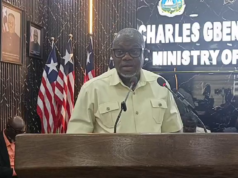
President Joseph Nyuma Boakai’s decision to personally engage the Liberian Senate Thursday of last week is more than a routine political event—it is a signal. And in a governance environment often strained by mistrust, miscommunication, and institutional friction, it is the right signal at the right time.
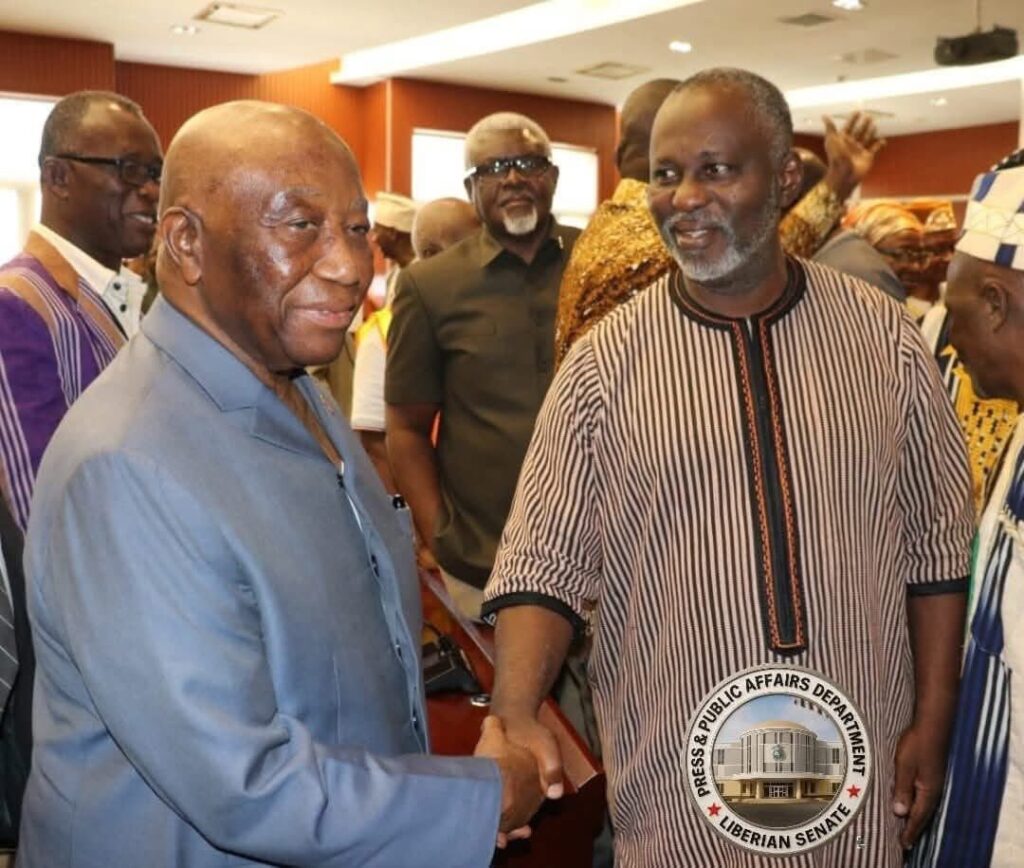
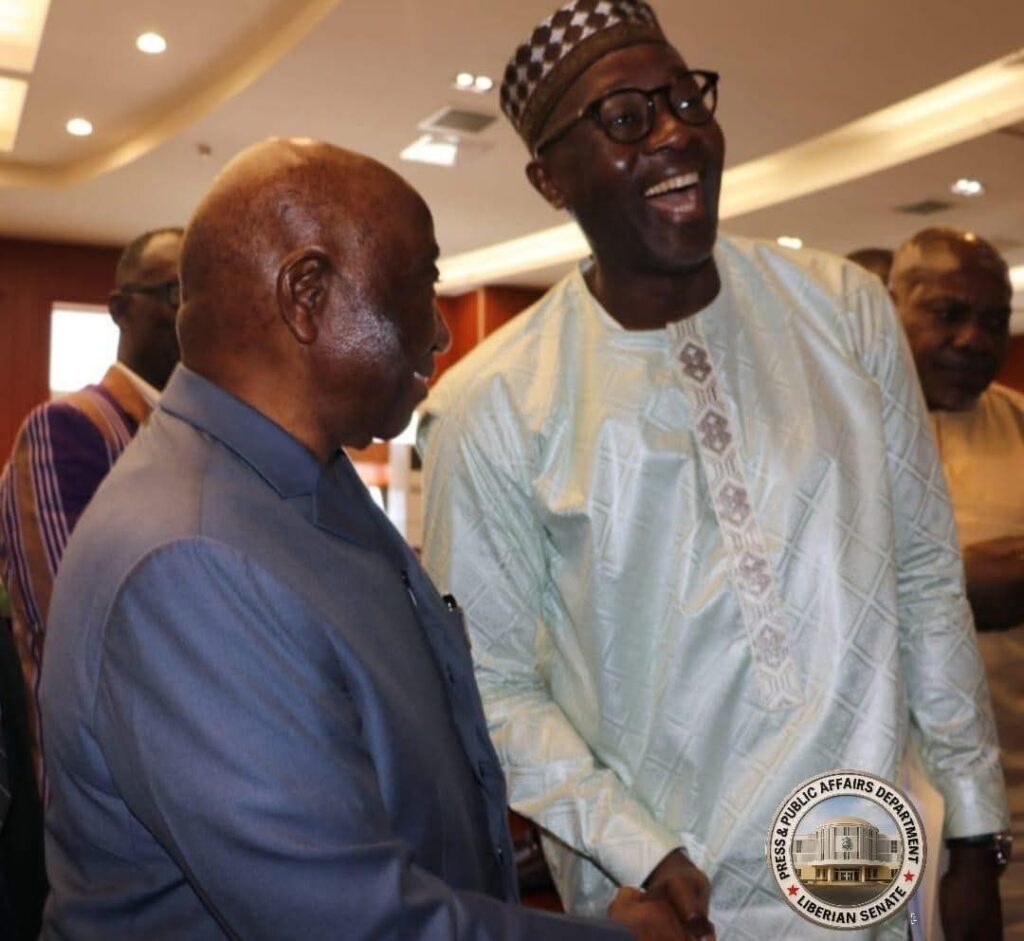
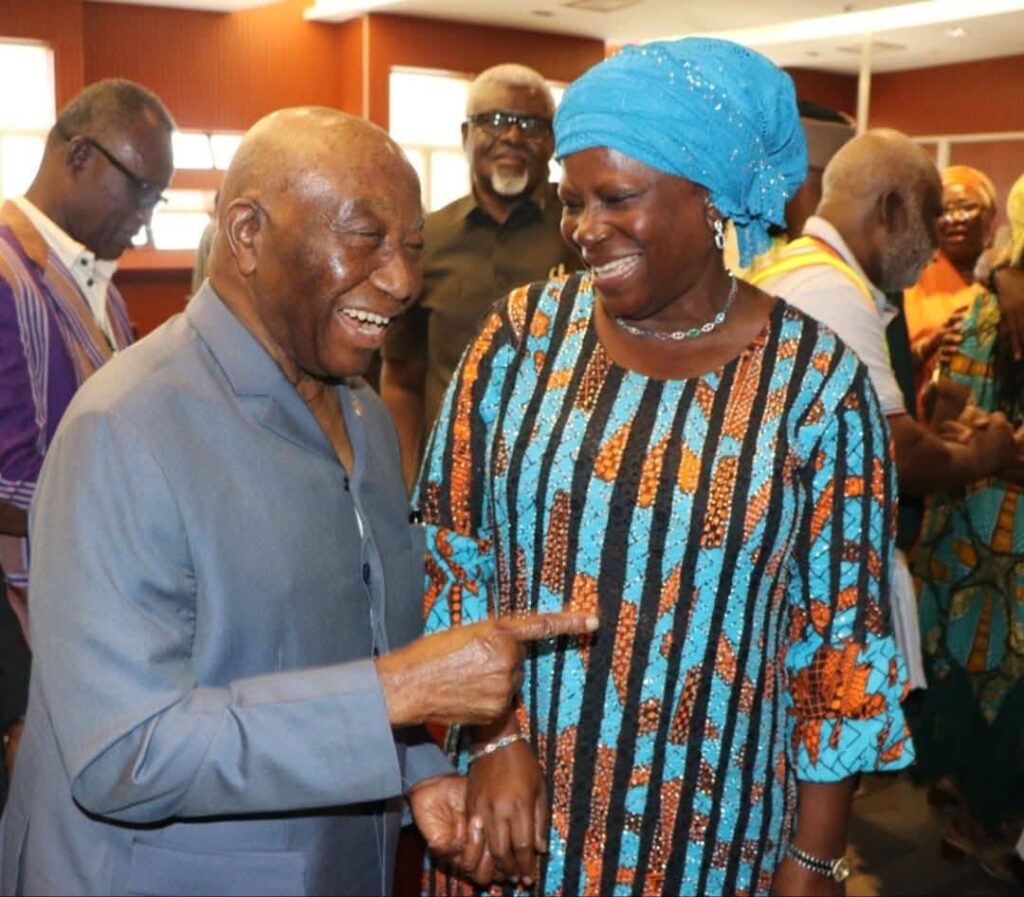
For over two hours, the President sat with lawmakers, listened to their concerns, and laid out his administration’s priorities. That simple act—direct engagement—may prove to be one of the most consequential governance choices of his presidency so far.
Dialogue Over Distance
Too often in Liberia’s recent political history, the Executive and Legislature have operated in parallel rather than in partnership. Policies are announced without sufficient consultation. Legislative resistance follows. Progress stalls.
What President Boakai has done—by accepting the Senate’s invitation and showing up with his team—is to narrow that gap.
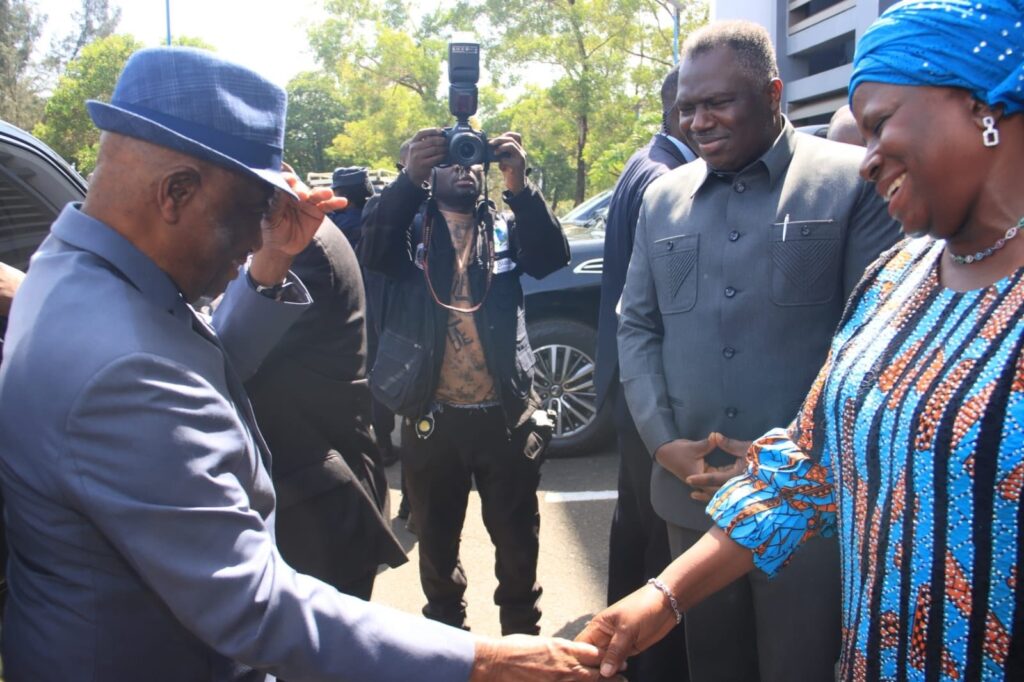
This is how functional democracies work: not through press statements and public posturing, but through sustained, substantive dialogue behind institutional doors.
Listening as Leadership
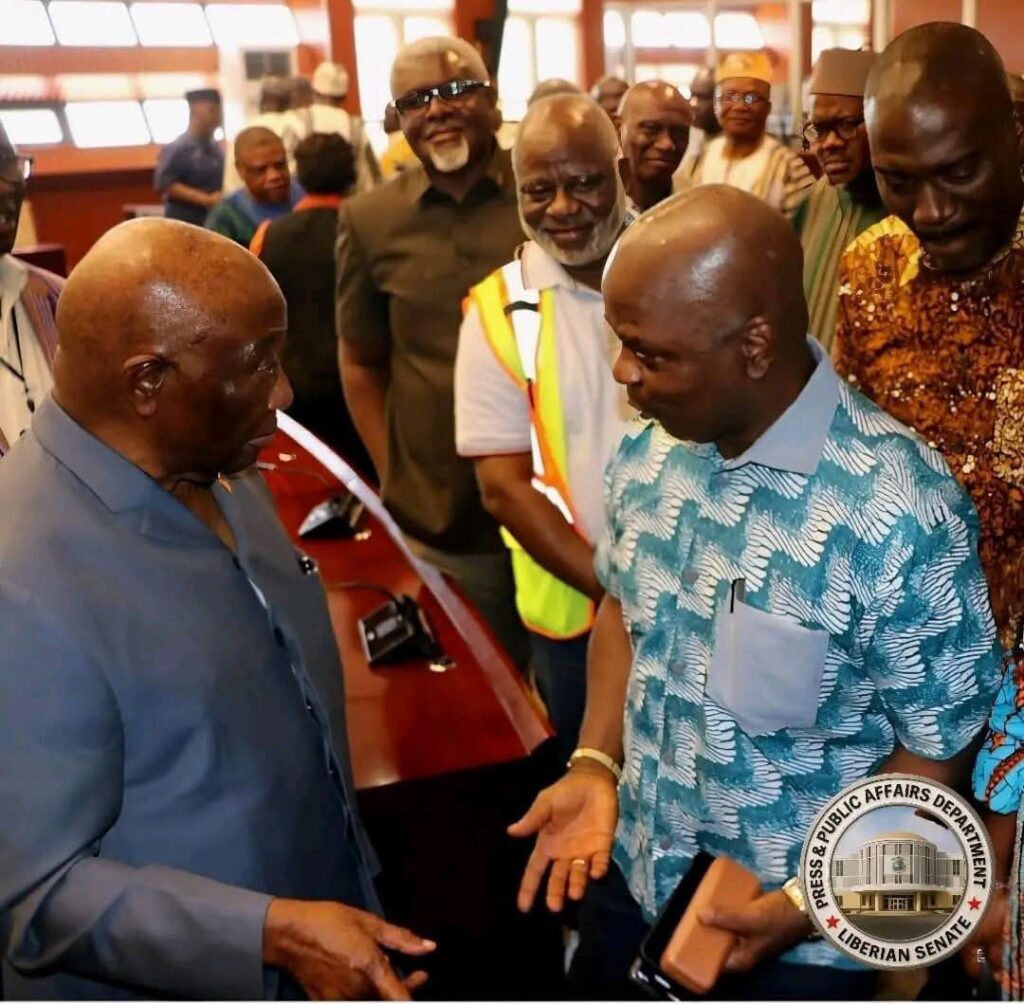
Equally important is what transpired during the meeting. Senators reportedly raised real issues from their counties—service delivery gaps, infrastructure deficits, governance bottlenecks. These are not abstract policy debates; they are the lived realities of Liberians.
By creating space for those concerns to be aired directly, the President demonstrated a leadership style anchored in listening.
And that matters.
Leadership is not only about directing policy—it is about absorbing feedback, reconciling competing interests, and building consensus. In this regard, Boakai’s approach reflects a quieter, more deliberate form of governance—one that prioritizes inclusion over imposition.
The Test Will Be Implementation
But dialogue, no matter how constructive, is only the beginning.
The true measure of this engagement will be what follows. Will the concerns raised by Senators translate into policy adjustments? Will budgetary priorities reflect the realities highlighted during the meeting? Will coordination between ministries and legislative committees improve?
Liberians have seen meetings before. What they are waiting for now is impact.
The mention of initiatives like the Yellow Machines program and county-level development priorities suggests that the administration understands the urgency of delivery. The challenge is execution—and execution requires alignment.
A Strategic Moment
This engagement comes at a particularly sensitive time.
Liberia is navigating economic pressures, development demands, and regional diplomatic tensions, including recent concerns along the Guinea border. In such a context, internal political cohesion is not a luxury—it is a necessity.
A divided government cannot effectively respond to external challenges. A coordinated one can.
By engaging the Senate directly, President Boakai is reinforcing the idea that national stability begins with institutional harmony.
A Call for Continuity
The Senate, for its part, must match this openness with responsibility. Constructive oversight—not obstruction—should define its posture. The Legislature’s role is not merely to critique, but to collaborate in shaping workable solutions.
What Liberia needs now is not episodic engagement, but a sustained culture of consultation.
This meeting should not be an exception. It should become the norm.
Conclusion: A Step in the Right Direction
President Boakai’s visit to the Senate will not, by itself, transform governance in Liberia. But it represents a meaningful step toward a more cooperative and responsive political system.
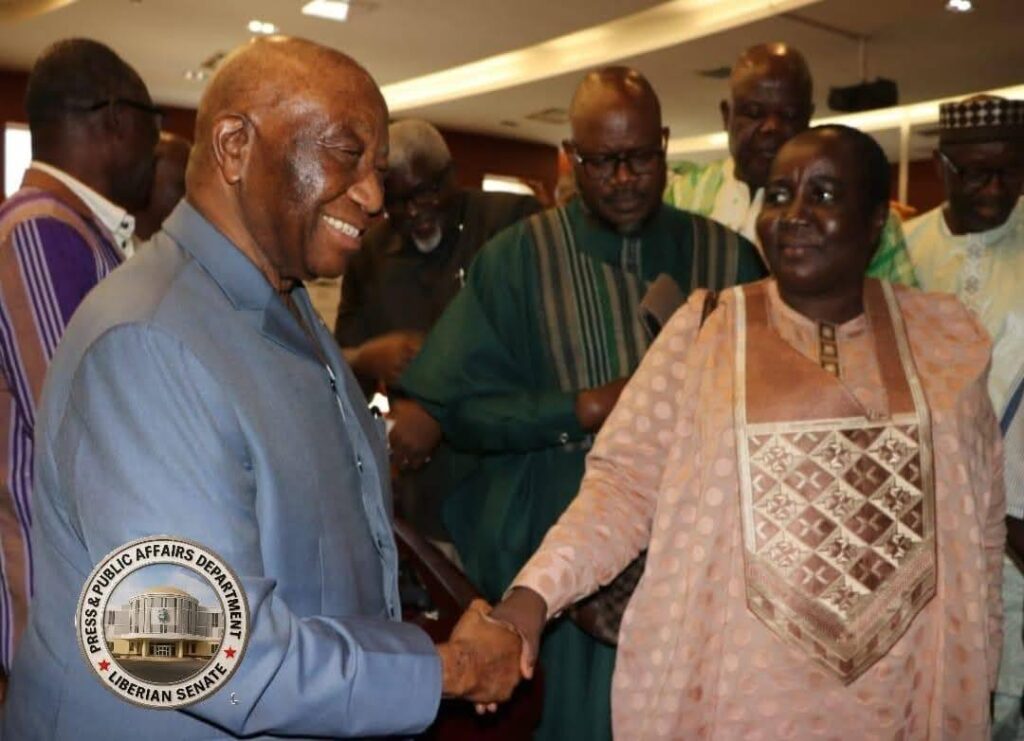
It is a reminder that progress is not only built through policies, but through relationships—between institutions, between leaders, and ultimately, between government and the people.
If sustained, this approach could redefine how Liberia is governed.
If abandoned, it will be remembered as a missed opportunity.
For now, it stands as a commendable start.
Follow The Liberian Post on Facebook and X (formerly twitter).