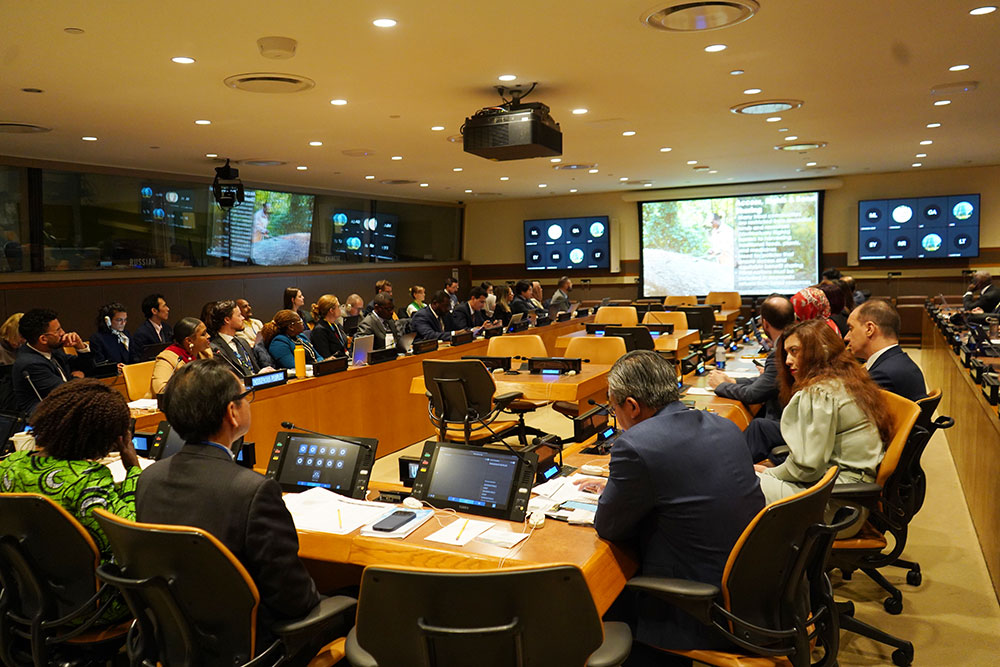
NEW YORK — Liberia has called for stronger international support to unlock the full economic potential of its vast forest resources, as it joined global leaders in commemorating the International Day of Forests 2026 at the United Nations Headquarters.
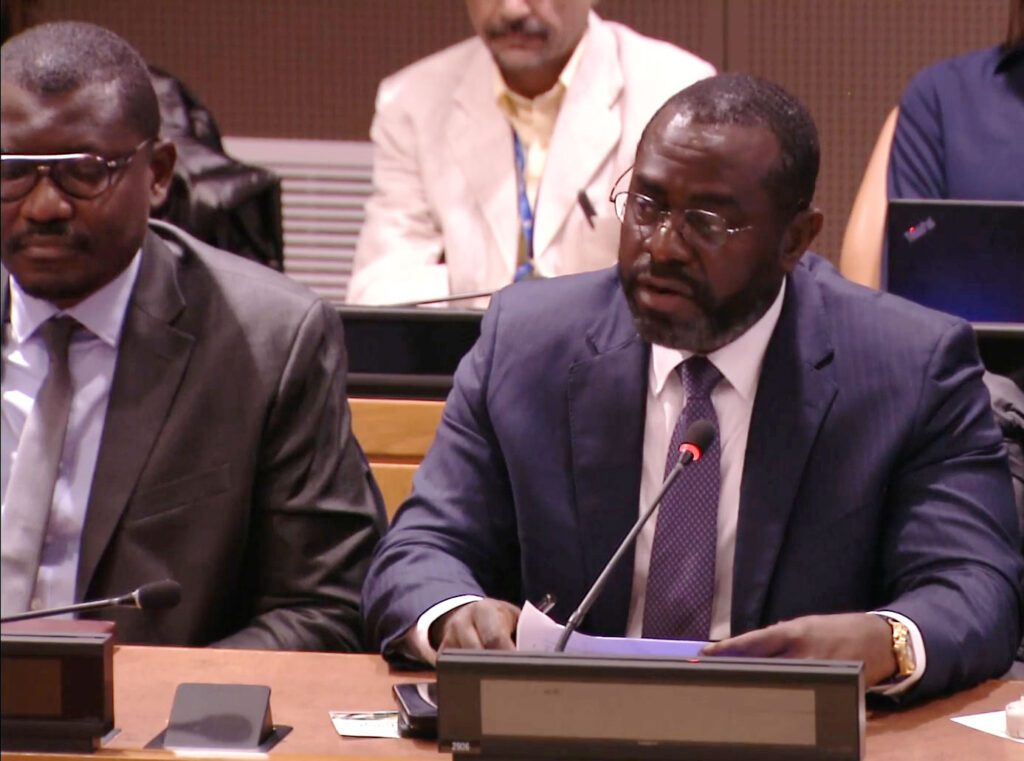
Delivering Liberia’s statement, Deputy Permanent Representative to the United Nations, Baba Sillah, highlighted the country’s rich forest endowment and its critical role in both national development and global environmental sustainability.
Forests as Economic Engines
Speaking under the theme “Forests and Economies,” Ambassador Sillah emphasized that Liberia’s forests are not only ecological treasures but also powerful drivers of economic growth.
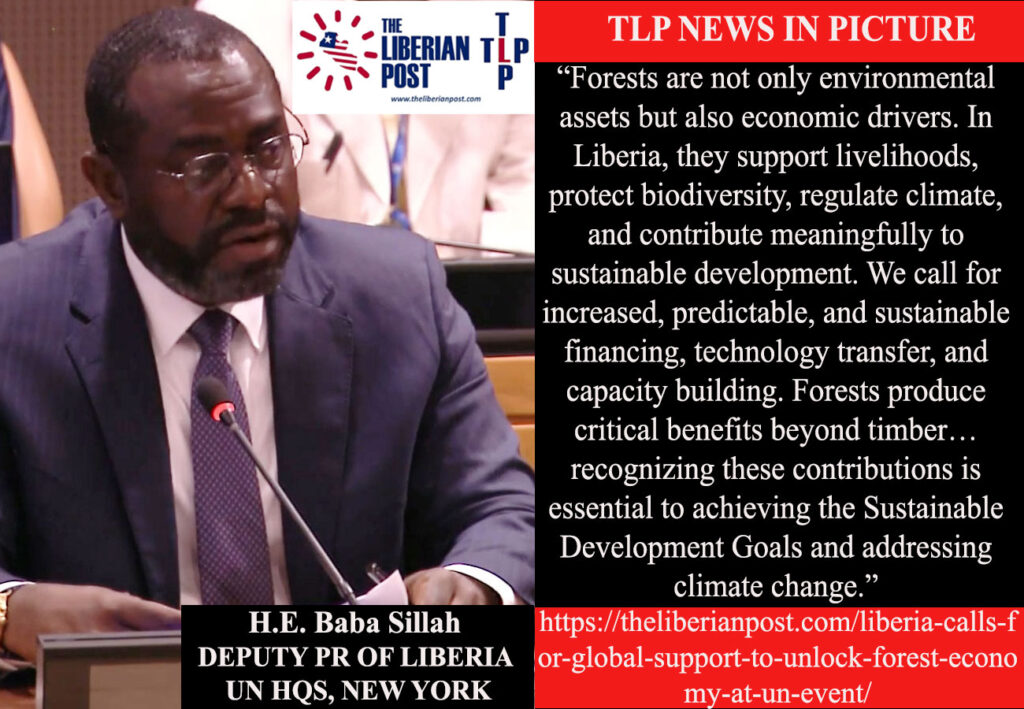
“Forests are not only environmental assets but also economic drivers,” Sillah declared. “In Liberia, they support livelihoods, protect biodiversity, regulate climate, and contribute meaningfully to sustainable development.”
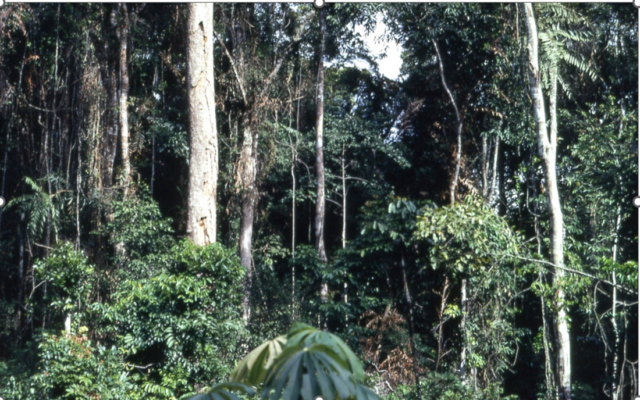
Liberia is home to more than 42 percent of the Upper Guinean Forest, one of the most biodiverse ecosystems in the world—making it a key player in global conservation efforts.
Supporting Livelihoods and Growth
Sillah noted that Liberia’s forestry sector contributes to national revenue through sustainable timber production and exports, while non-timber forest products such as honey, medicinal plants, fruits, and natural fibers remain essential to rural livelihoods.
He added that forests also support household energy, small-scale enterprises, and agroforestry, creating jobs and promoting economic diversification across the country.
Emerging sectors such as ecotourism, conservation enterprises, and climate finance are further positioning Liberia’s forests as valuable national assets with global significance.
Policy Framework Driving Sustainability
The diplomat outlined Liberia’s policy framework for responsible forest management, including the National Forestry Reform Law and the country’s “Three Cs” approach—Commercial, Community, and Conservation forestry.
He also highlighted the Community Rights Law, which empowers local populations, and Liberia’s REDD+ strategy, aimed at advancing conservation while unlocking climate financing opportunities.
Call for International Support
Despite progress, Sillah stressed that Liberia cannot fully realize the economic and environmental benefits of its forests without sustained global cooperation.
“We call for increased, predictable, and sustainable financing, technology transfer, and capacity building,” he urged. “Forests produce critical benefits beyond timber… recognizing these contributions is essential to achieving the Sustainable Development Goals and addressing climate change.”
Balancing Conservation and Development
Sillah reaffirmed Liberia’s commitment to balancing conservation with economic advancement, noting that sustainably managed forests can drive both resilience and prosperity.
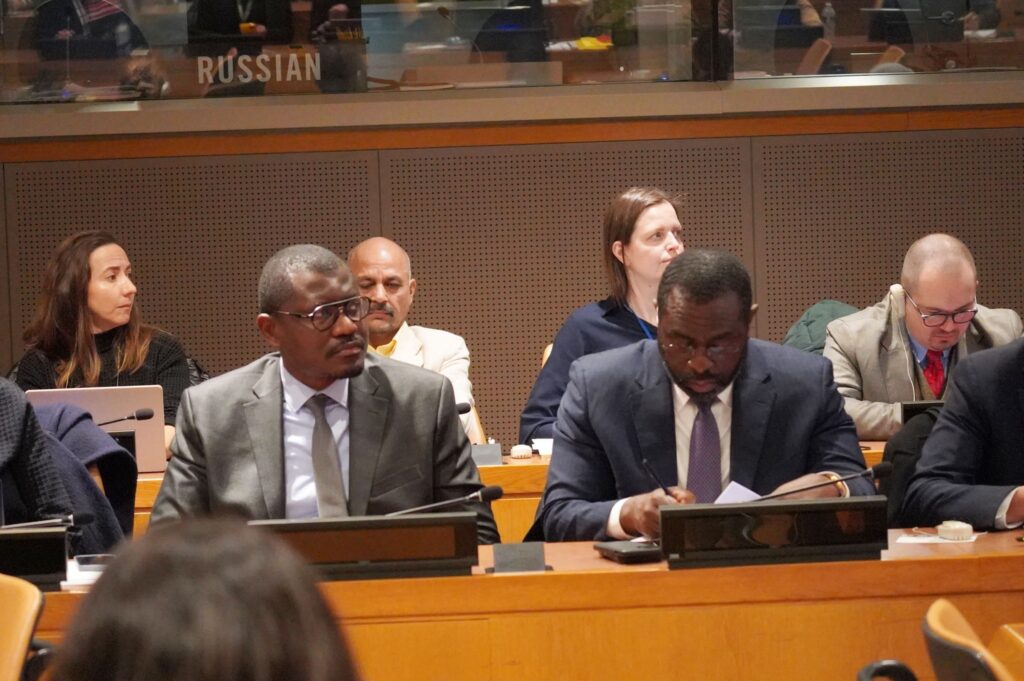
“As we reflect on this theme, Liberia reaffirms its commitment to protecting its forests while responsibly advancing their economic potential,” he said. “Sustainably managed forests can drive resilience, prosperity, and environmental stewardship.”
Global Relevance
Liberia’s message comes at a time when forests are increasingly seen as central to combating climate change, preserving biodiversity, and supporting green economies worldwide.
With its vast forest resources and evolving policy framework, Liberia is positioning itself as both a steward of critical ecosystems and a participant in the global green economy.
Follow The Liberian Post on Facebook and X (formerly twitter).