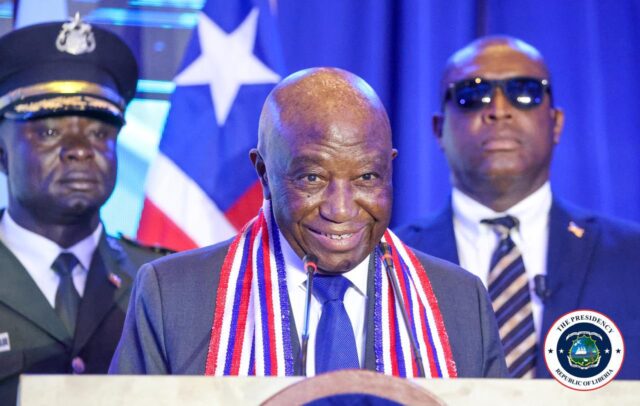
MONROVIA, Liberia — President Joseph Nyuma Boakai has declared Liberia’s fisheries sector a cornerstone of the country’s economic transformation, calling for aggressive investment, stronger governance, and deeper international partnerships to unlock what officials describe as one of the nation’s most underutilized assets.
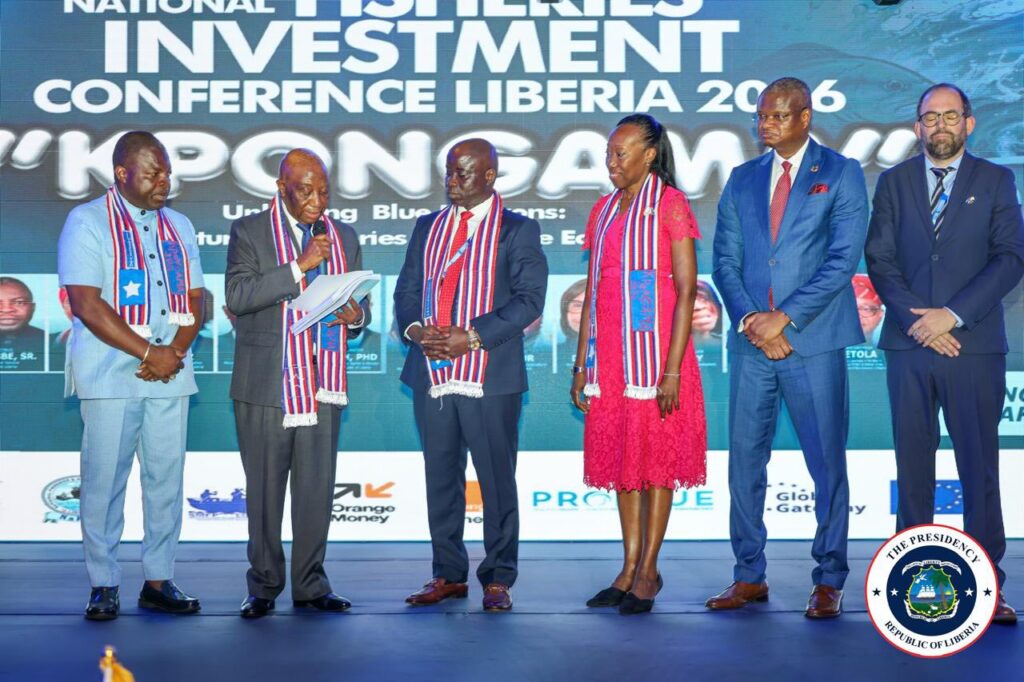
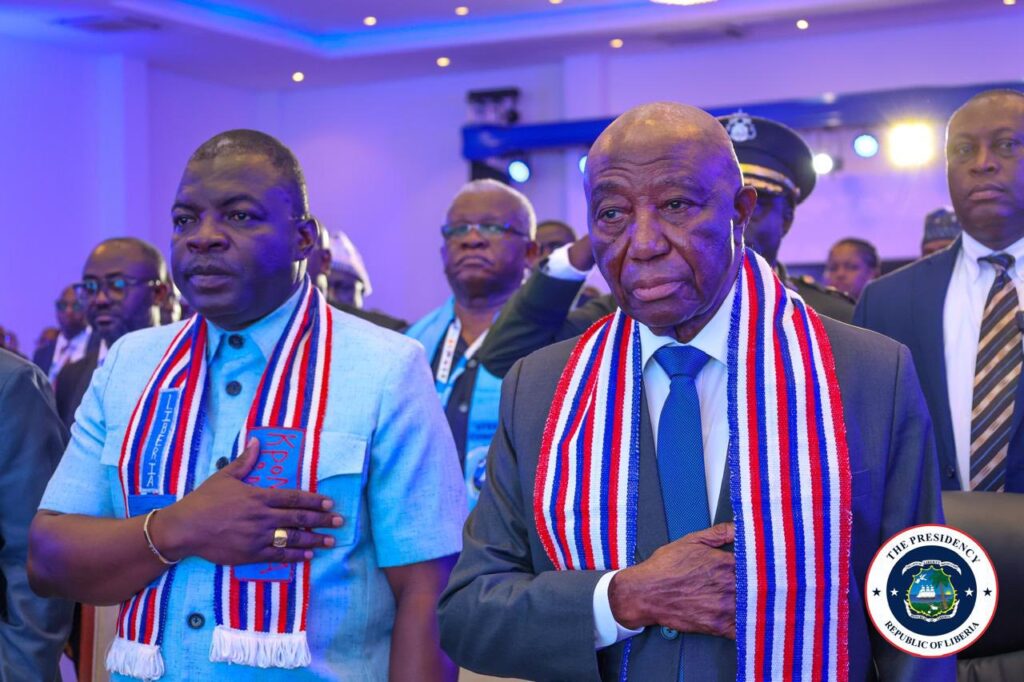
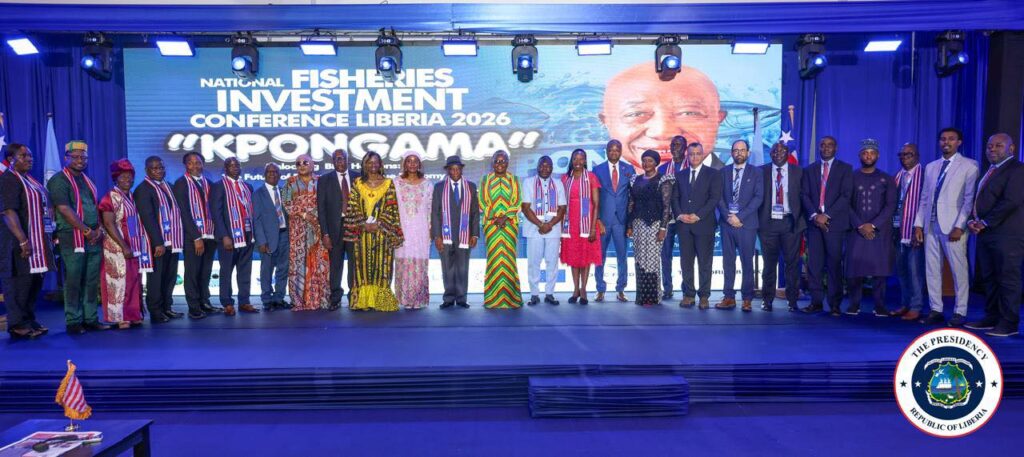
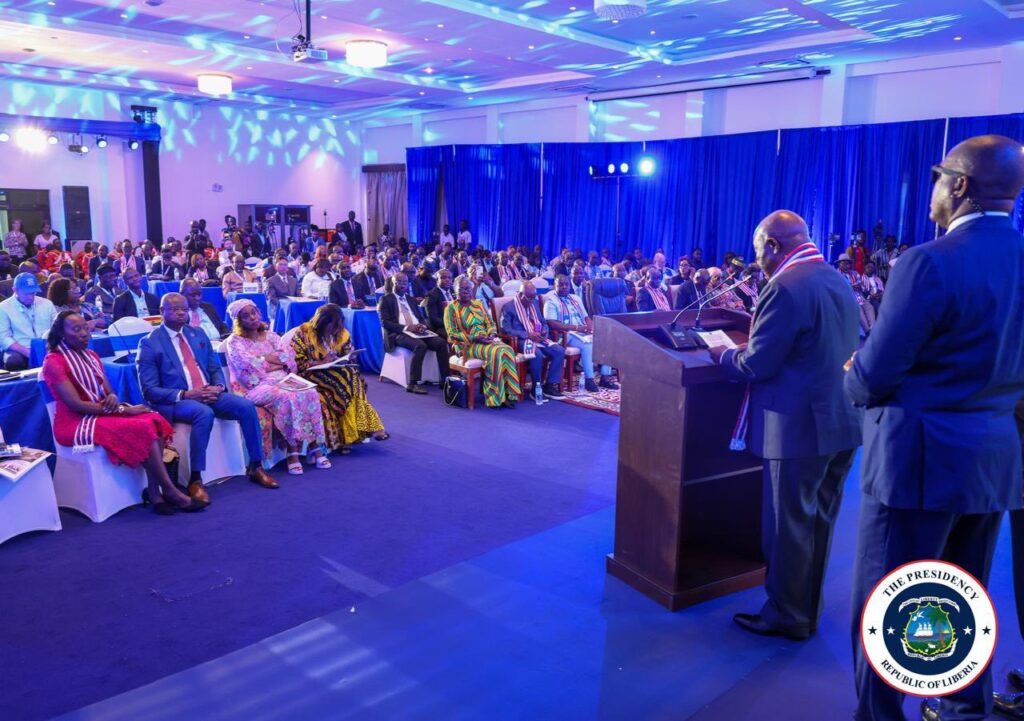
Speaking at the opening of the National Fisheries Investment Conference—dubbed “KPONGAMA,” a Kpelle term meaning “coming together”—the President underscored his administration’s commitment to repositioning fisheries and the broader blue economy as drivers of jobs, food security, and sustainable growth.
“This is not just a conference; it is a decisive step toward transforming our natural endowments into real opportunities for our people,” President Boakai said, emphasizing that Liberia’s vast marine resources must translate into tangible economic benefits.
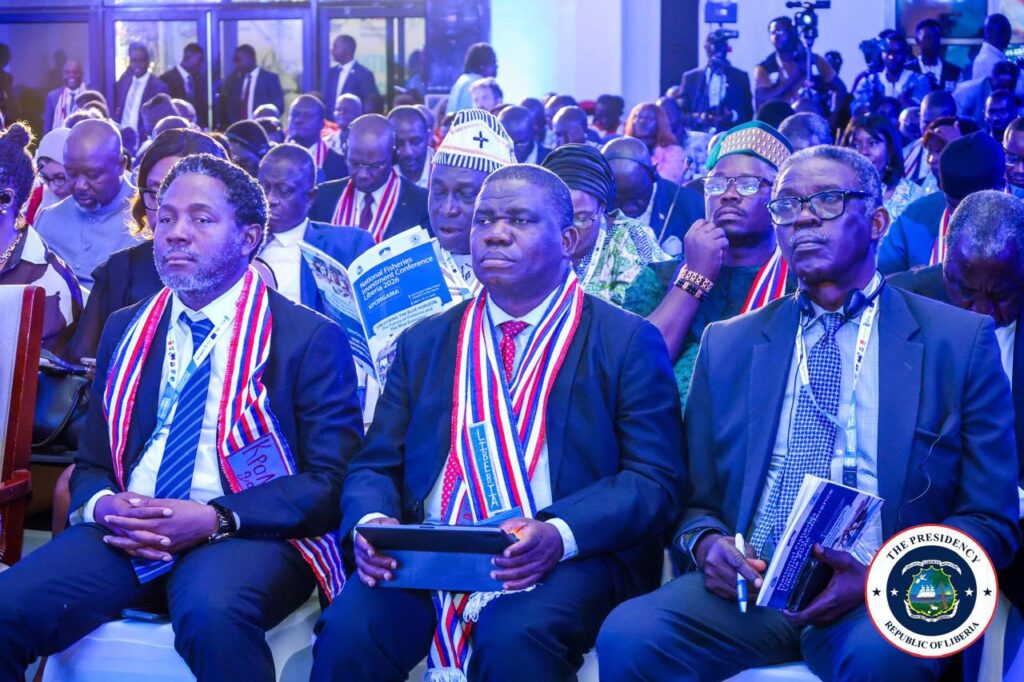
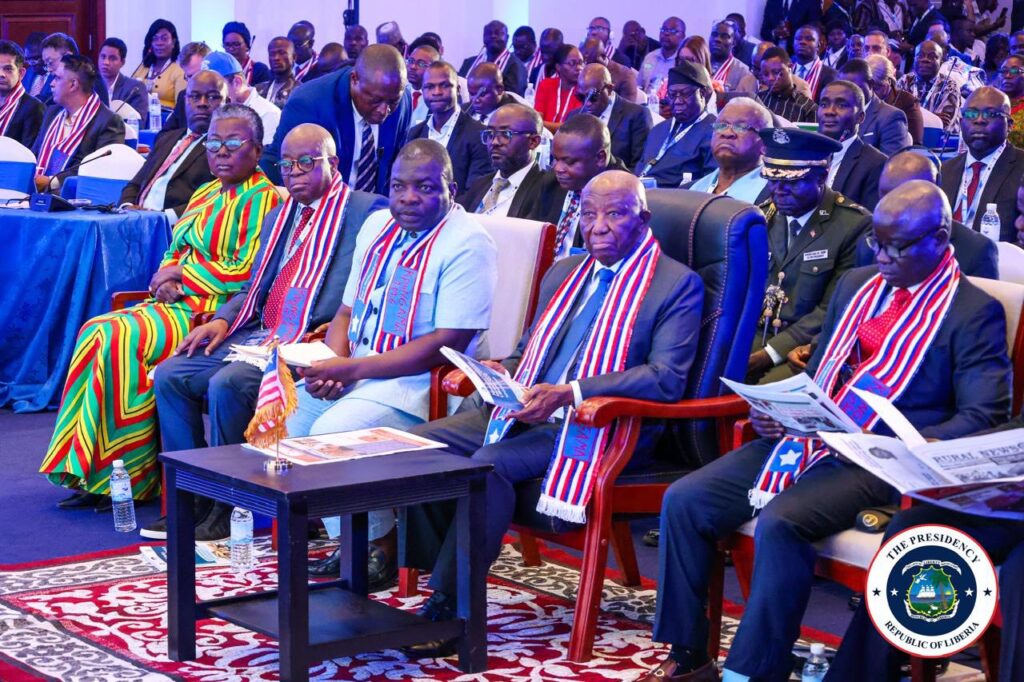
The high-level gathering brought together government officials, investors, and development partners, including the World Bank and United Nations agencies, to mobilize investment and chart a long-term roadmap for the sector.
From Potential to Prosperity
At the center of the government’s strategy is a shift from subsistence fishing to a modern, investment-driven industry.
Director General of the National Fisheries and Aquaculture Authority (NaFAA), Cyrus Saygbe, described the conference as a turning point in Liberia’s development trajectory.
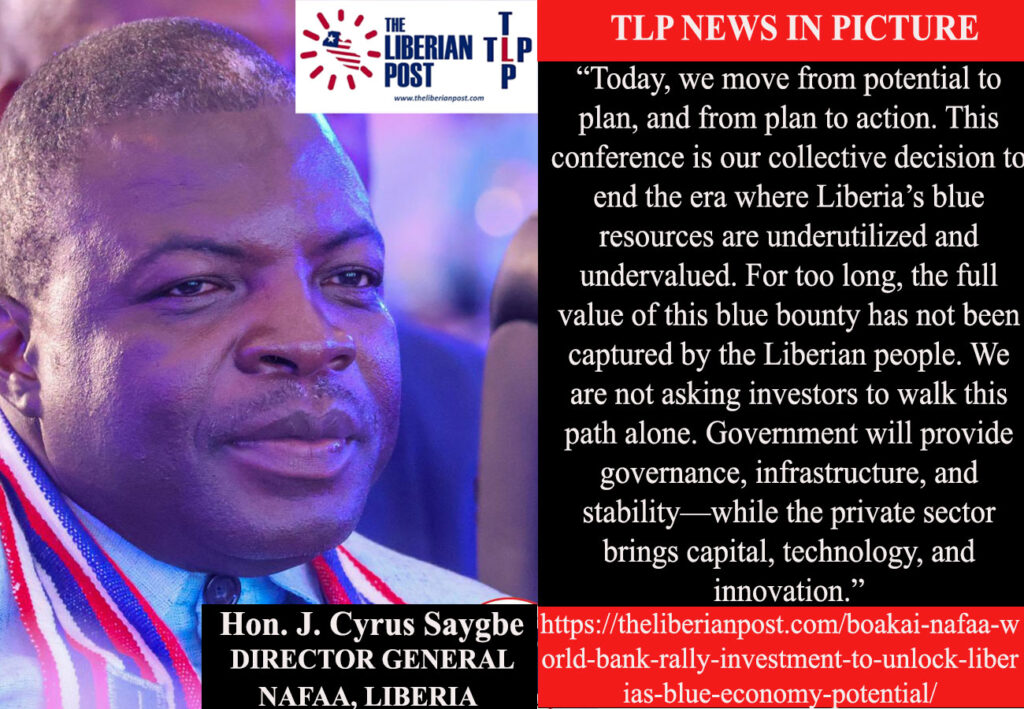
“Today, we move from potential to plan, and from plan to action,” Saygbe declared. “This conference is our collective decision to end the era where Liberia’s blue resources are underutilized and undervalued.”
He noted that Liberia’s waters—stretching 200 nautical miles into the Atlantic—contain some of the richest fish stocks in the region, yet the country continues to lose value due to illegal fishing, weak infrastructure, and limited processing capacity.
“For too long, the full value of this blue bounty has not been captured by the Liberian people,” Saygbe said, pointing to illegal, unreported, and unregulated fishing as a major challenge.
Major Investment Opportunities
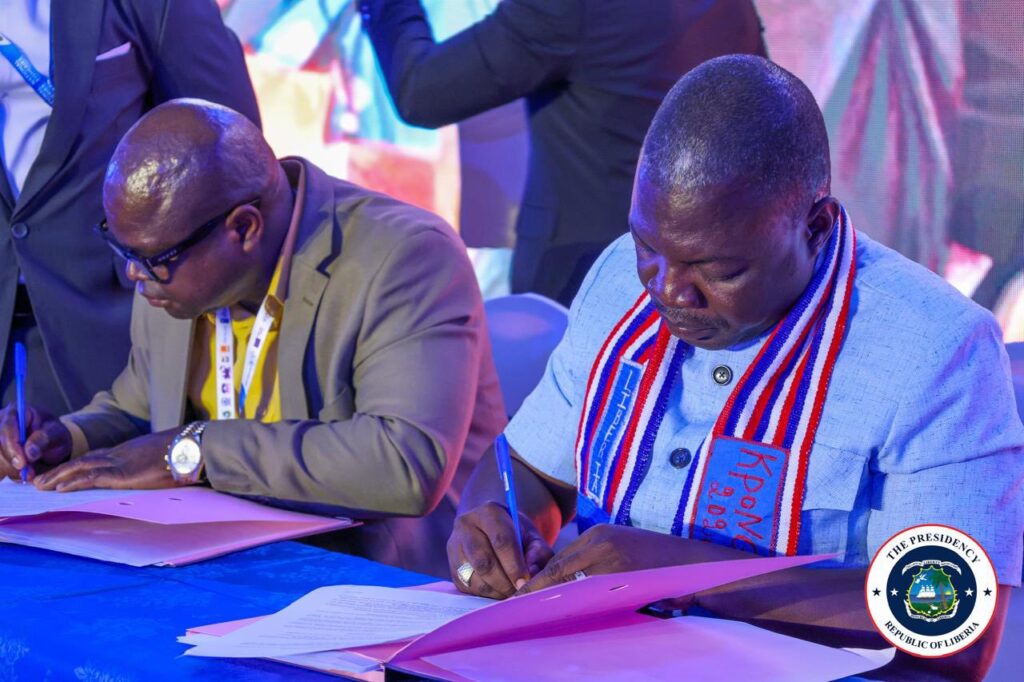
To address these gaps, the government unveiled a series of bankable projects aimed at attracting private capital. These include the development of a modern industrial fishing harbor, expansion of the national fishing fleet, and large-scale aquaculture initiatives.
Saygbe emphasized that the government is committed to a public-private partnership model.
“We are not asking investors to walk this path alone,” he said. “Government will provide governance, infrastructure, and stability—while the private sector brings capital, technology, and innovation.”
World Bank, Partners Push for Scale and Sustainability
Development partners echoed the call for investment while stressing the need for sustainability and structural reforms.
Representatives of the World Bank and UNDP highlighted the importance of transforming the sector “from subsistence to scale, from extraction to sustainability, and from potential to prosperity.”
They pointed to ongoing interventions, including cold storage infrastructure, climate resilience programs, and financing mechanisms designed to reduce post-harvest losses and improve value chains.
Economic Imperative
Officials from the Ministry of Finance and Development Planning noted that fisheries currently contribute only a small fraction to Liberia’s GDP despite employing tens of thousands of people—highlighting a significant productivity gap.
They argued that with targeted investment, export earnings could more than triple, while creating thousands of jobs, particularly for youth and women.
A Defining Moment
President Boakai framed the initiative as part of a broader national agenda to diversify the economy and reduce dependence on traditional sectors.
“We are determined to ensure that our oceans, rivers, and coastal resources become engines of growth and prosperity,” he said.
As Liberia seeks to position itself as a regional hub for fisheries and maritime investment, stakeholders say the success of the KPONGAMA conference will ultimately depend on translating commitments into concrete projects.
For Saygbe, however, the direction is clear:
“The horizon before us is blue—and it is bright.”
Follow The Liberian Post on Facebook and X (formerly twitter)