MONROVIA — Deputy House Speaker Thomas P. Fallah has unveiled a new political movement aimed at rallying nationwide support for President Joseph Nyuma Boakai ahead of the 2029 elections, signaling an early realignment of Liberia’s political landscape.
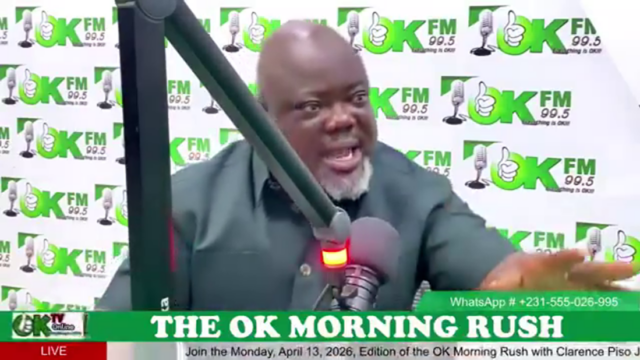
Speaking Monday on OK FM’s OK Morning Rush, Fallah announced the formation of the National Independent Movement for Boakai (NIMU)—a non-partisan structure designed to mobilize support across party lines, including from opposition ranks and independent voters.
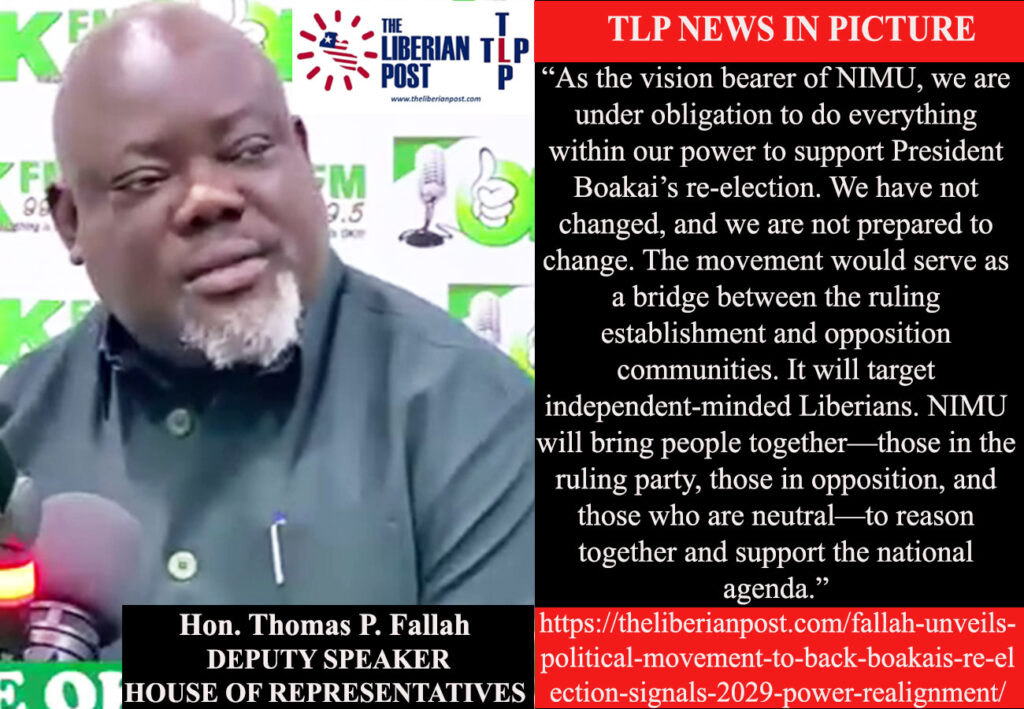
“As the vision bearer of NIMU, we are under obligation to do everything within our power to support President Boakai’s re-election,” Fallah declared. “We have not changed, and we are not prepared to change.”
Fallah said the movement would serve as a “bridge between the ruling establishment and opposition communities,” targeting what he described as “independent-minded Liberians” who are not traditionally aligned with political parties.
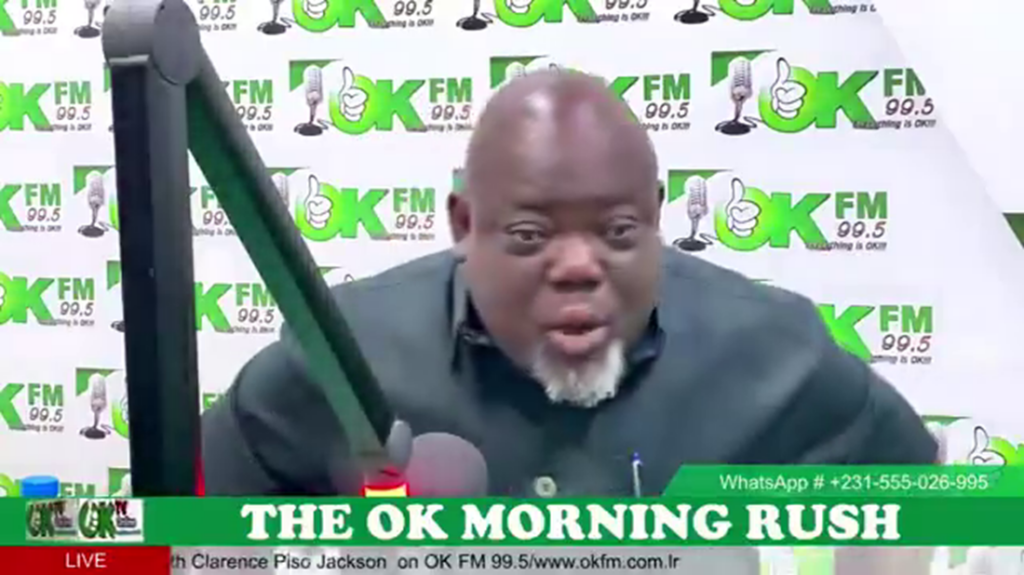
“NIMU will bring people together—those in the ruling party, those in opposition, and those who are neutral—to reason together and support the national agenda,” he said.
The Deputy Speaker disclosed that the movement has already been unveiled in Lofa County and is preparing for a nationwide rollout, beginning with Montserrado. Plans are also underway to expand into the Liberian diaspora, including the United States and Canada.
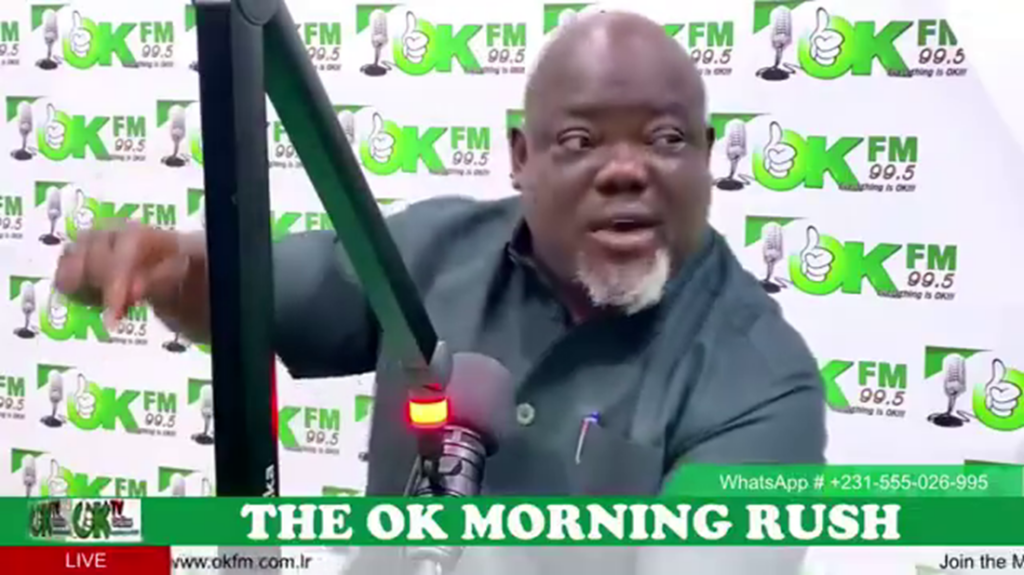
“We will be launching internationally. We are not waiting. We are mobilizing our networks to ensure that this vision becomes reality,” he added.
In one of the interview’s most politically significant remarks, Fallah suggested that former President George Weah should reconsider any potential bid for a political comeback in 2029.
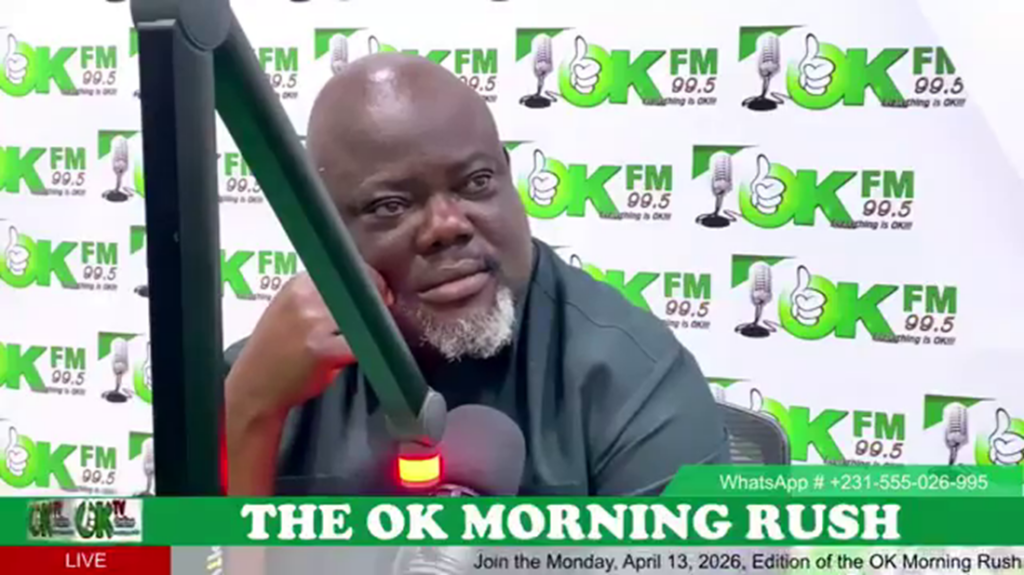
“With all due respect, I don’t think he should contest. He should rest and spend time with his family,” Fallah said, describing his comments as “brotherly advice.”
He further predicted a generational shift in leadership, arguing that Liberia is approaching a transition point where a new class of leaders will emerge.
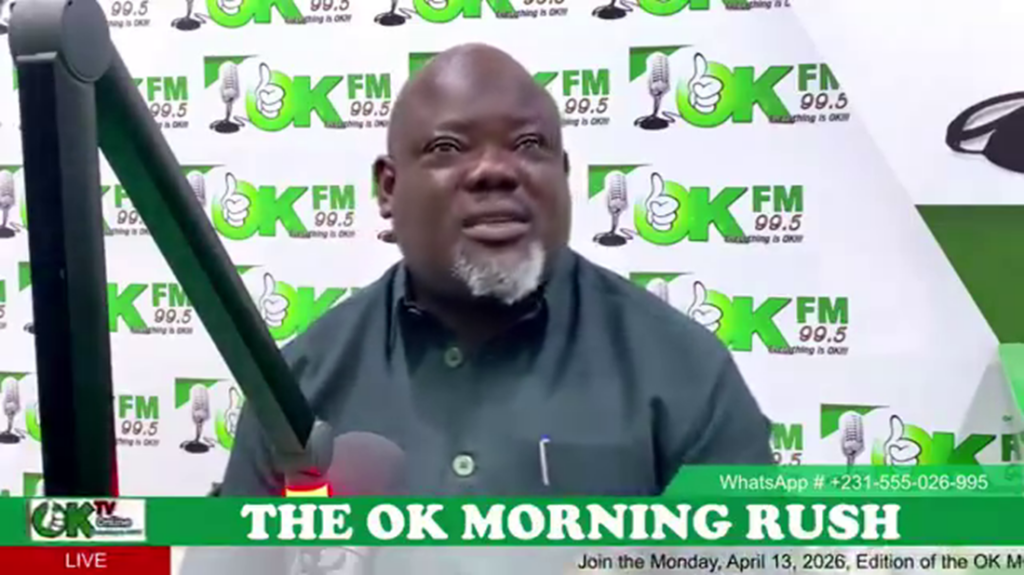
“The next generation of national leadership will be our generation,” he asserted. “We have gone through the ranks. It will be our time.”
Fallah also clarified that NIMU’s loyalty is tied directly to President Boakai, stating that if the President chooses not to run in 2029, the movement would support any candidate he endorses.
“Whoever President Boakai points to—we will support. That is clear,” he said.
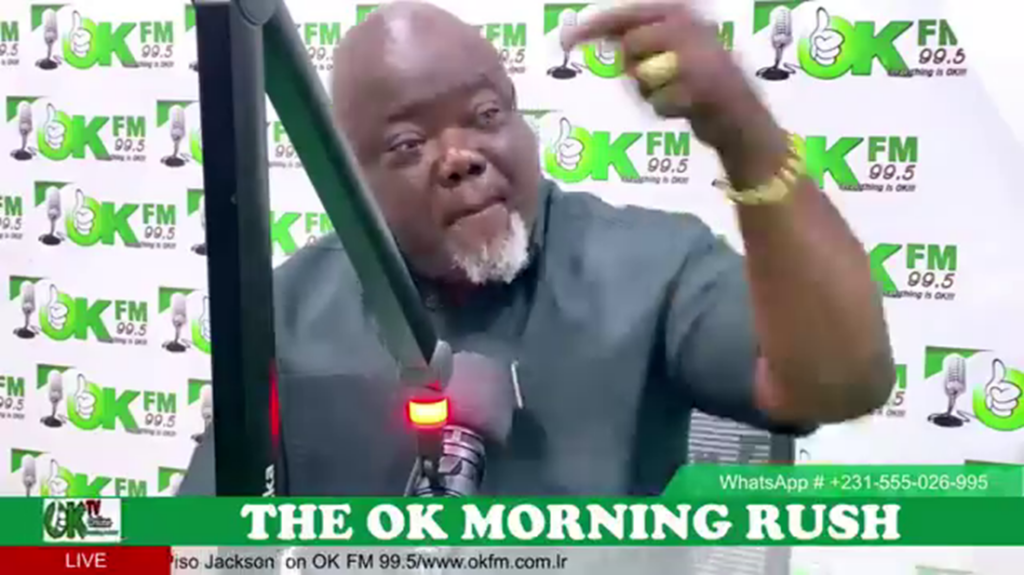
The announcement comes amid growing political positioning across Liberia, as key actors begin laying the groundwork for the post-2029 political era.
Political analysts say Fallah’s move represents more than just a support group—it is an early indication of coalition-building and influence consolidation ahead of the next electoral cycle.
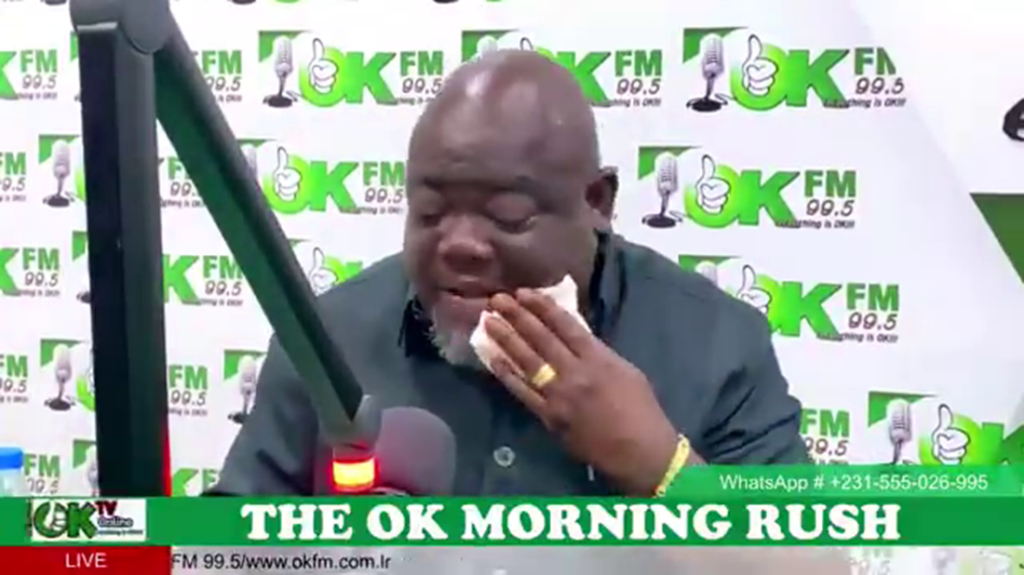
By positioning NIMU as both a unifying platform and a strategic mobilization tool, Fallah appears to be carving out a central role in shaping Liberia’s political future.
Whether the movement gains traction across party lines remains to be seen, but one thing is clear: the race toward 2029 has already begun.
Follow The Liberian Post on Facebook and X (formerly twitter)