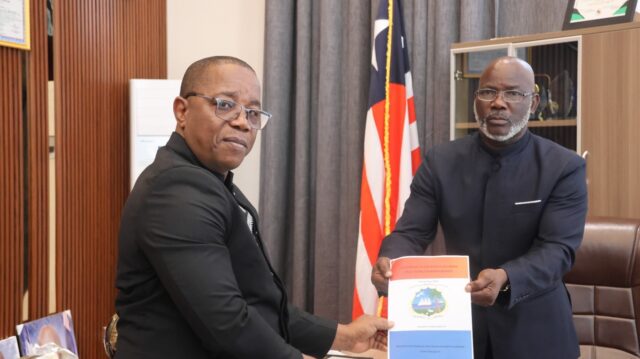
MONROVIA — President Joseph Nyuma Boakai has submitted a US$45 million draft supplementary budget to the National Legislature, seeking to accelerate service delivery and fast-track key priorities under the government’s ARREST Agenda for Inclusive Development (AAID).
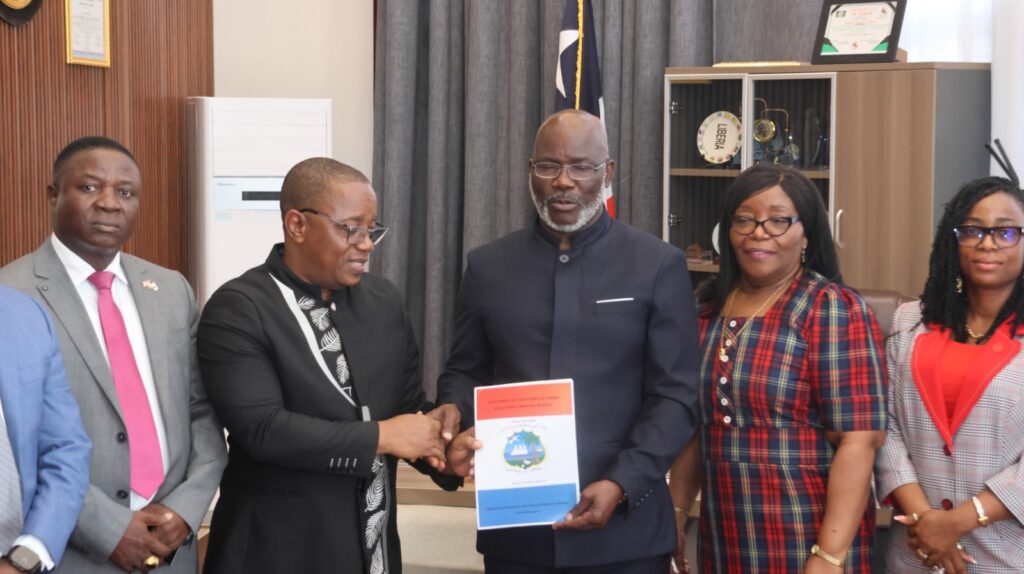
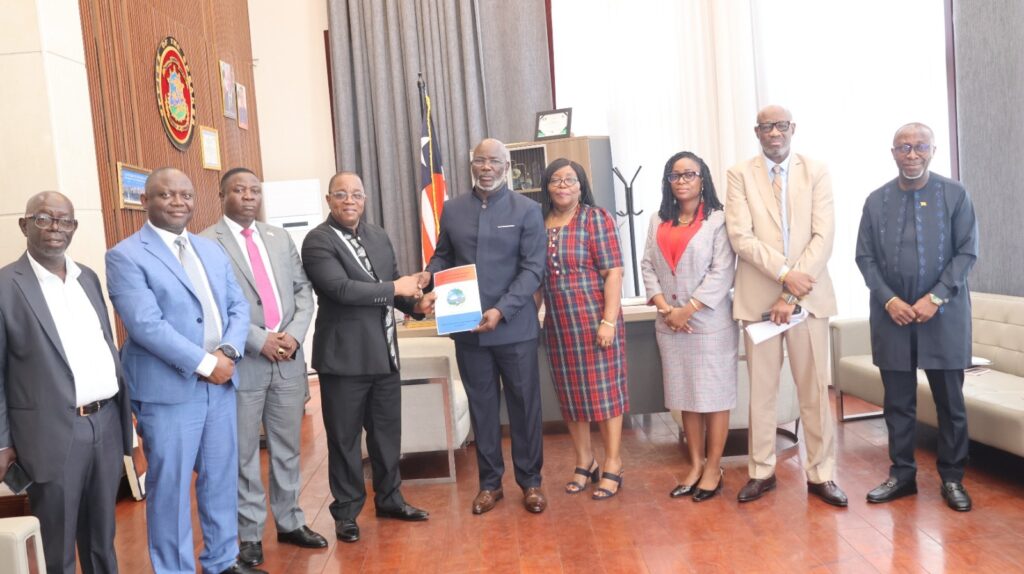
The proposal, submitted in keeping with Section 23.1 of the Amended and Restated Public Financial Management Law of 2009, was formally presented to House Speaker Richard Nagbe Koon by Acting Finance and Development Planning Minister Anthony G. Myers. He represented Finance Minister Augustine Kpehe Ngafuan, who is currently leading Liberia’s delegation to the World Bank/IMF Spring Meetings in Washington, D.C.
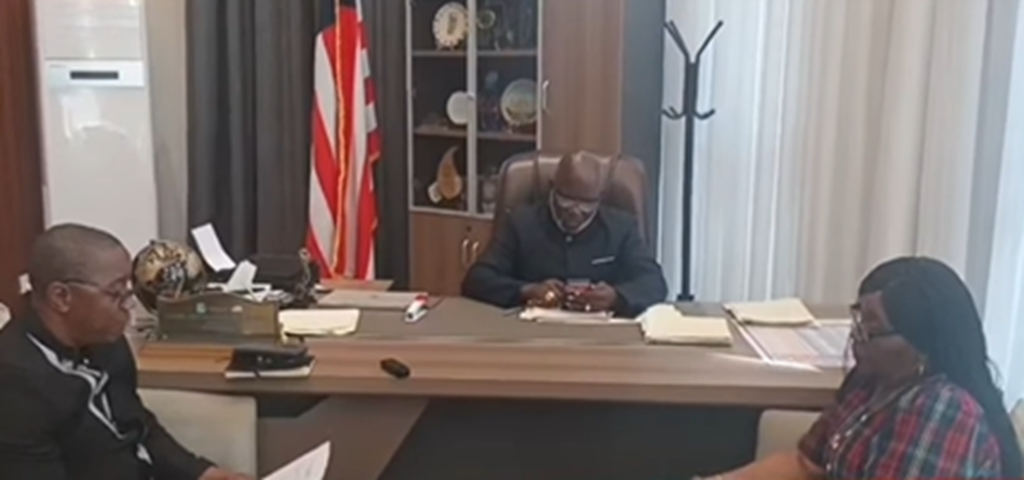
According to Minister Myers, the proposed budget injection is designed to address urgent development priorities and sustain ongoing government programs. He disclosed that US$40 million of the funding will come from delayed World Bank budget support for FY2025, while an additional US$5 million will be generated from stronger-than-expected domestic revenue performance.
Myers attributed the domestic revenue gains to improved tax policy measures and enhanced administrative efficiency, noting that these efforts helped cushion the impact of delayed external financing.
A significant portion of the supplementary budget—over 40 percent, or approximately US$19.3 million—has been earmarked for the health, education, and social development sectors, underscoring the administration’s focus on human capital development.
Under the proposal, the education sector will receive US$7.3 million to support teacher recruitment, expand school feeding programs, and settle outstanding obligations to the West African Examinations Council (WAEC). The health sector is set to receive US$10.9 million, including funding for drug response initiatives and the acquisition of land for the construction of a National Children’s Hospital. Social development programs targeting vulnerable populations will receive US$1.05 million.
To enhance infrastructure and service delivery, US$7.2 million—representing 15.9 percent of the budget—has been allocated to infrastructure and basic services, including US$4.02 million for the rollout of the government’s “yellow machines” initiative.
An additional US$18.5 million has been designated for other priority interventions, including US$5.1 million to strengthen national security and support the rule of law in response to emerging challenges.
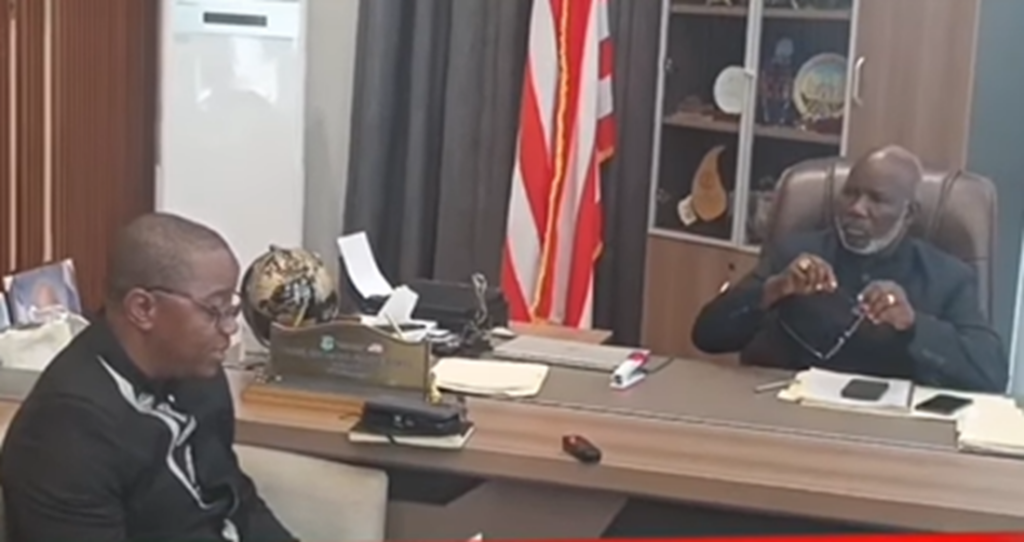
“This budget reflects a deliberate shift toward strengthening social protection systems, expanding access to essential services, and investing in infrastructure that supports inclusive growth,” Myers said.
Responding to the submission, Speaker Koon commended President Boakai and the Ministry of Finance for prioritizing investments in critical social sectors. He highlighted funding for the proposed National Children’s Hospital and support for the University of Liberia as key interventions that could significantly improve access to essential services and strengthen human capital.
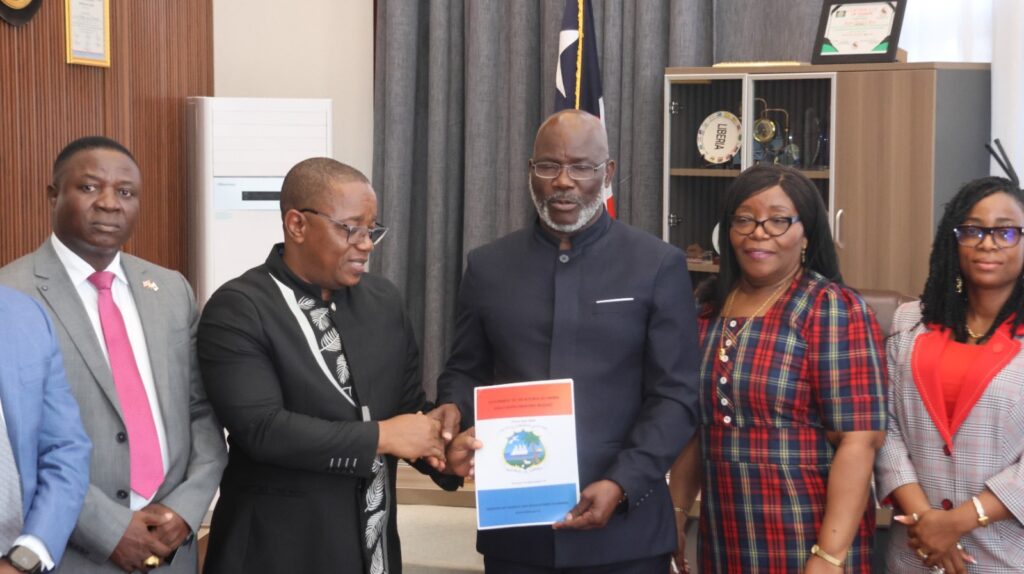
If approved, the FY2026 national budget will increase from US$1.249 billion to approximately US$1.295 billion, representing a 3.6 percent rise. The revised figure also reflects a year-on-year growth of 47 percent—about US$414 million—compared to the previous fiscal year.
The supplementary budget now awaits legislative scrutiny, as policymakers weigh its potential to accelerate Liberia’s development agenda and deliver tangible benefits to citizens.
Follow The Liberian Post on Facebook and X (formerly twitter)