The expulsion of Montserrado County District #10 Representative Yekeh Kolubah marks one of the most consequential legislative decisions in Liberia’s recent democratic history. It is not merely about one lawmaker—it is about precedent, institutional authority, and the future boundaries of political conduct in the Republic.
For the first time in modern Liberian legislative practice, a sitting representative has been removed by his peers on grounds tied to national sovereignty and constitutional integrity. That alone elevates this moment beyond routine political discipline. It establishes a benchmark—one that will now shape how future misconduct is judged, interpreted, and punished.
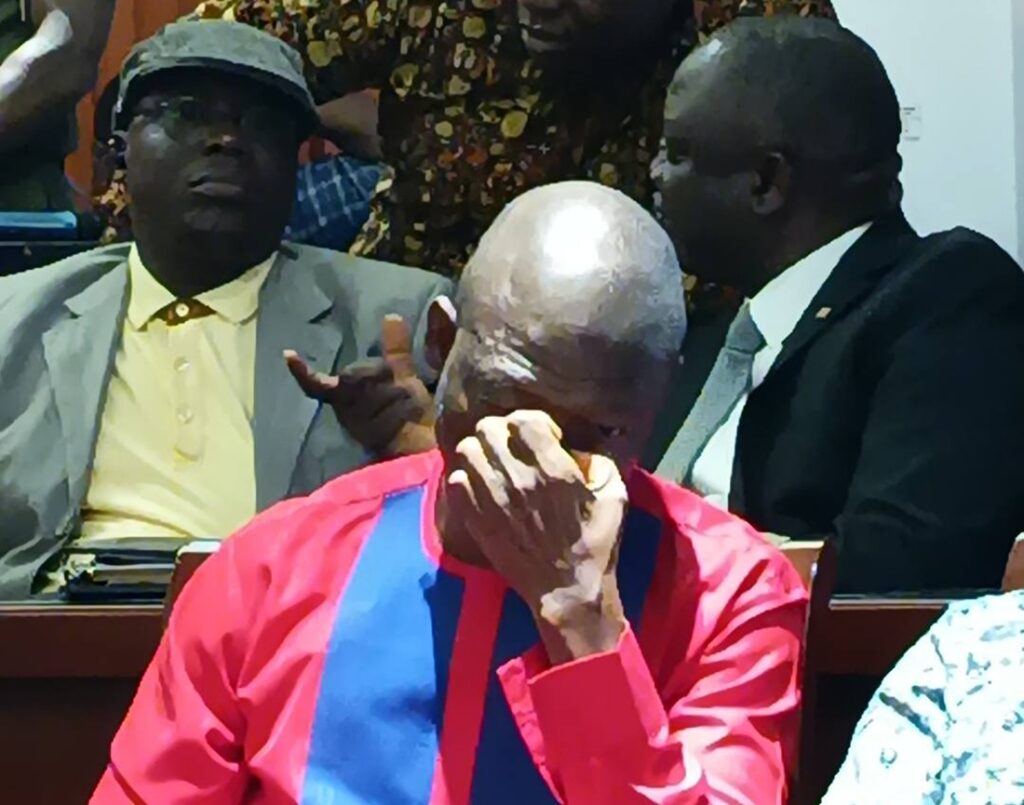
At the core of the House’s decision is a clear assertion: that actions or statements perceived to undermine the state’s sovereignty cannot be tolerated within the legislative body. Whether one agrees with the severity of the punishment or not, the House has drawn a line—publicly and decisively.
And that is where the issue of precedent becomes critical.
Precedents are powerful. They do not exist in isolation; they echo forward. Today, Kolubah is the subject. Tomorrow, it could be any lawmaker. The question is no longer just what he did, but what standard has now been set.
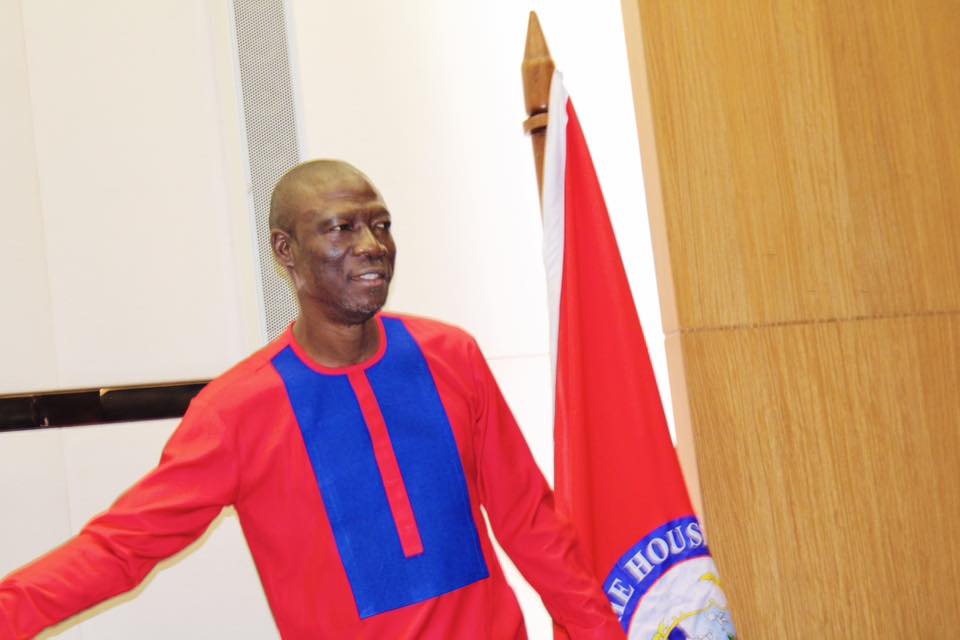
If this precedent is to hold legitimacy, it must be applied consistently, fairly, and without political bias. Selective enforcement would undermine the very institutional strength the House seeks to assert. A precedent that is only invoked when convenient is not a standard—it is a weapon.
Equally important is due process. While the House has constitutional authority to discipline its members, the durability of this precedent will ultimately depend on whether it withstands legal scrutiny. Kolubah has already signaled his intention to challenge the decision in court. That process must be respected, not resisted. A strong democracy does not fear review—it welcomes it.
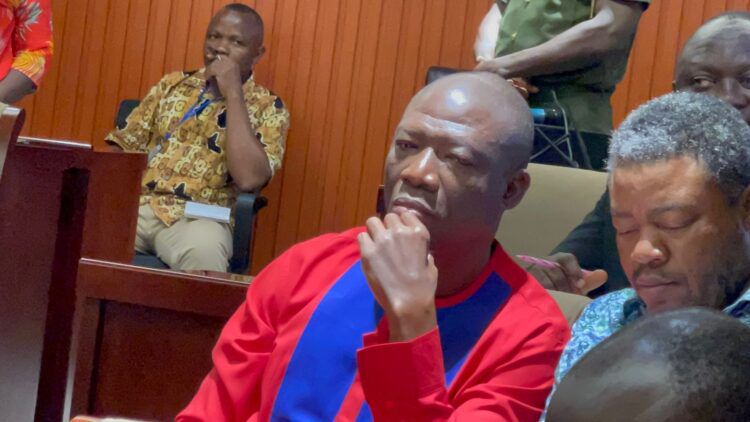
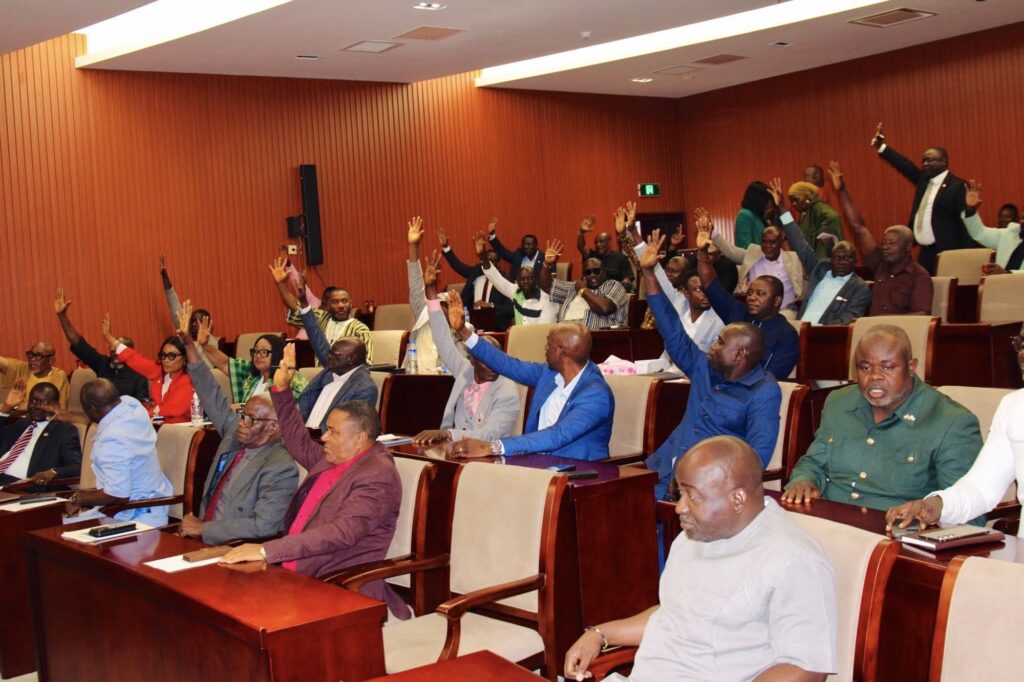
This moment also reveals something deeper about Liberia’s evolving political culture. The fact that lawmakers from across counties—including some perceived allies—supported the resolution suggests a shift toward prioritizing institutional order over personal alliances. That is a positive signal, but it must be sustained beyond this case.
However, caution is necessary.
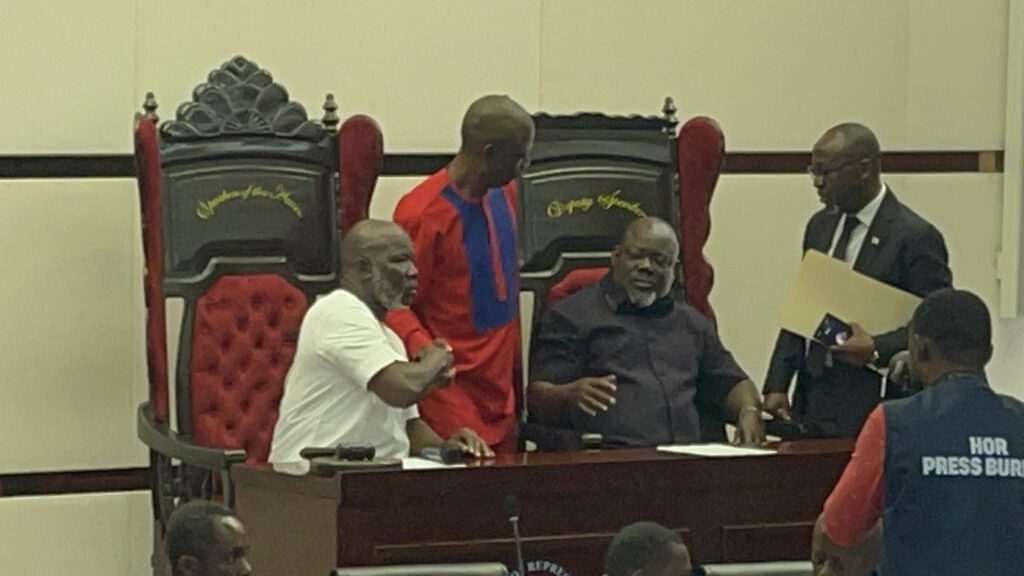
The power to expel is among the most serious tools available to a legislative body. If used excessively or politically, it risks creating a chilling effect—where dissent is suppressed not through debate, but through removal. Democracies thrive on disagreement. The goal must never be to silence voices, but to ensure that those voices operate within constitutional boundaries.
The Kolubah case, therefore, sits at a delicate intersection: between discipline and overreach, between order and suppression.
If managed correctly, it can strengthen Liberia’s democracy by reinforcing accountability and respect for national institutions. If mishandled, it could set a dangerous path where legislative power is used to settle political scores.
This is why precedent matters.
Liberia now has a reference point—a case that future generations of lawmakers, lawyers, and citizens will look to when defining the limits of political conduct. The responsibility now lies with both the Legislature and the Judiciary to ensure that this precedent is anchored in law, fairness, and national interest—not expediency.
In the end, the real test is not the expulsion itself.
The real test is what Liberia does with the precedent it has just created.
Follow The Liberian Post on Facebook and X (formerly twitter)