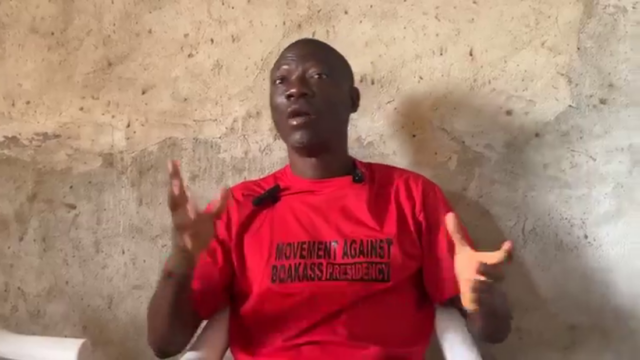
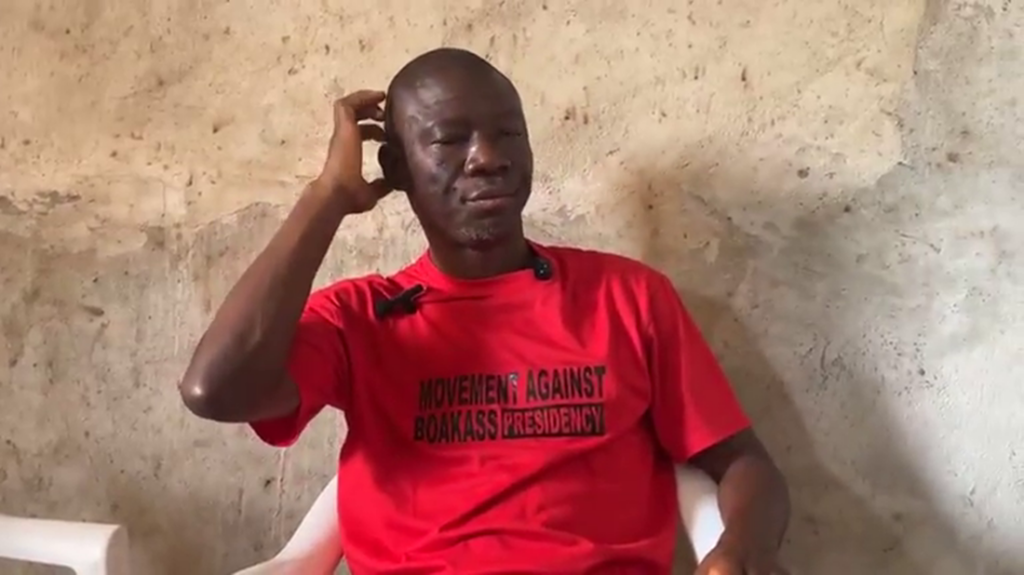
MONROVIA — Expelled Montserrado County District #10 Representative Yekeh Kolubah on Sunday unleashed a barrage of explosive allegations against President Joseph Nyuma Boakai, the judiciary, and senior government officials, dramatically escalating an already tense political and legal standoff.
Addressing the media following his controversial removal from the House of Representatives of Liberia, Kolubah openly challenged the government to arrest him over alleged treason claims, while simultaneously declaring the launch of his 2029 presidential campaign.
Direct Challenge to the Presidency
In a fiery and defiant tone, Kolubah dismissed reports that he could be arrested, arguing that any treason charge would imply a declaration of war between Liberia and neighboring Guinea.
“To arrest me for treason means Liberia and Guinea are at war,” he asserted, daring the administration to act. “I challenge them—come and arrest me.”
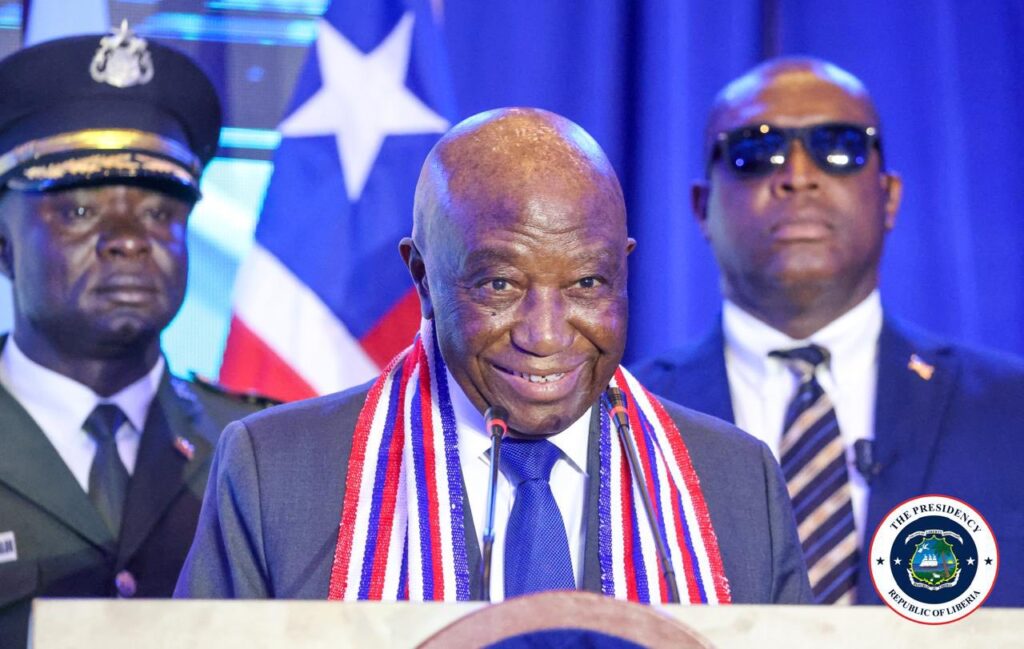
He further accused President Boakai—whom he repeatedly referred to as “Bob Joe”—of incompetence and failing to govern effectively, declaring that the President had “been expelled from the Executive Mansion” in symbolic political terms.
Allegations Against the Judiciary
Perhaps the most serious claims centered on alleged interference involving the Supreme Court of Liberia.
Kolubah alleged that Yamie Quiqui Gbeisay participated in a meeting at the Executive Mansion and advised lawmakers to deny receiving a Supreme Court communication related to his case—an allegation he challenged officials to publicly refute.
“We are testing whether we have a Supreme Court in this country,” Kolubah declared, framing the situation as a broader constitutional crisis rather than a personal legal battle.
The claims, if substantiated, could raise profound concerns about judicial independence and the separation of powers—cornerstones of Liberia’s democratic framework.
Disputing His Expulsion
Kolubah also rejected the legitimacy of his expulsion, alleging procedural irregularities and claiming that some lawmakers whose names appeared on the resolution have since distanced themselves from it.
“Our rules are clear. People are now saying they did not sign,” he said, describing the process as “illegal” and vowing to challenge it through the courts.
He confirmed plans to seek redress from the Supreme Court, despite simultaneously questioning its integrity, insisting it remains the only avenue for justice.
Border Dispute and Foreign Policy Claims
In another striking development, Kolubah accused the government of misleading the public on Liberia’s boundary with Guinea, claiming he possesses documents suggesting that disputed territory is for Guinea, the same claim that landed him in trouble with his former colleagues in the House of Representatives.
He further questioned the government over alleged dealings with Guinea, including claims that vehicles were provided to the Liberian government—raising concerns about transparency in foreign relations.
Mobilization and Political Escalation
Kolubah used the platform to formally declare the start of his 2029 campaign against President Boakai or the Unity Party’s reelection, announcing plans for a nationwide political tour across Liberia’s 15 political subdivisions.
He called on supporters to provide logistical assistance—including fuel, transportation, and accommodation—rather than direct financial contributions, as he prepares to mobilize grassroots backing.
“We will move from county to county,” he said, urging supporters to rally behind what he described as a political struggle against “lawlessness and abuse of power.”
Warning Against Protests
Despite his combative rhetoric, Kolubah urged supporters not to engage in protests on his behalf, warning of potential state crackdowns.
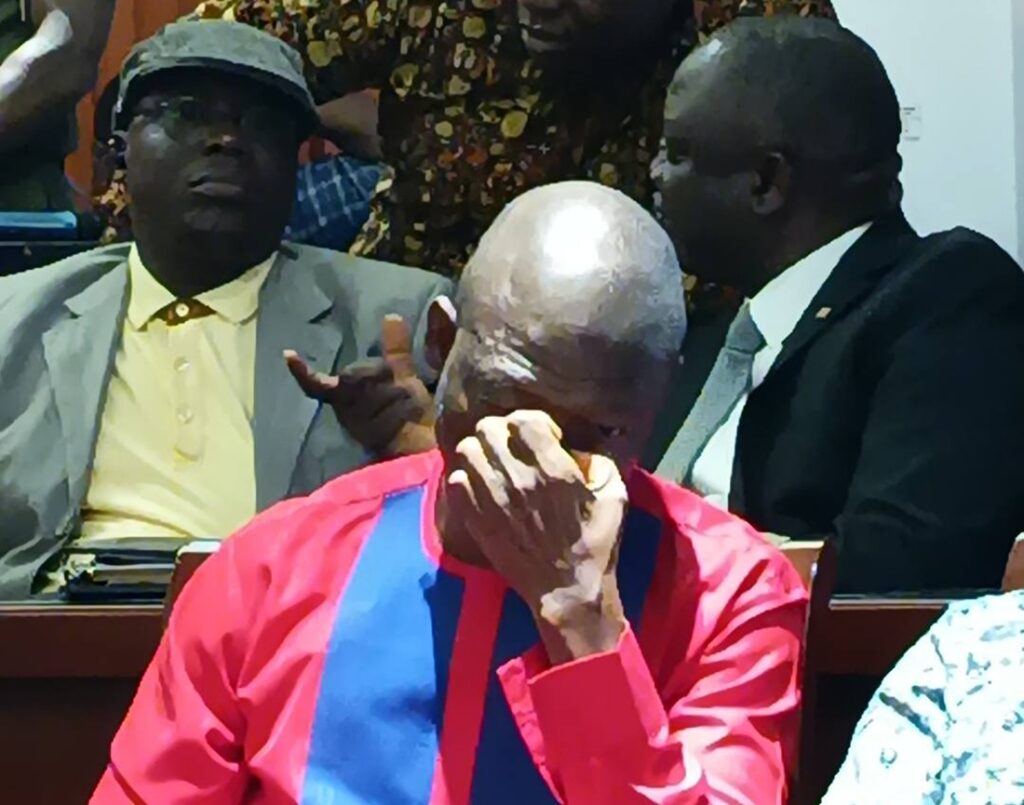
“I don’t want anyone to be brutalized because of me,” he cautioned, describing authorities as “reckless” while encouraging political rather than physical confrontation.
Mounting Political Tensions
Kolubah’s remarks underscore deepening political tensions in Liberia, particularly surrounding legislative authority, judicial independence, and executive power.
His allegations—ranging from claims of judicial interference to accusations of executive overreach—are likely to intensify scrutiny on all branches of government in the days ahead.
As the legal battle over his expulsion moves to the Supreme Court, the outcome could have far-reaching implications for Liberia’s constitutional order and political stability.
For now, Kolubah appears determined to transform his expulsion into a broader political movement—setting the stage for a high-stakes confrontation between the outspoken lawmaker and the Boakai administration.
Follow The Liberian Post on Facebook and X (formerly twitter)