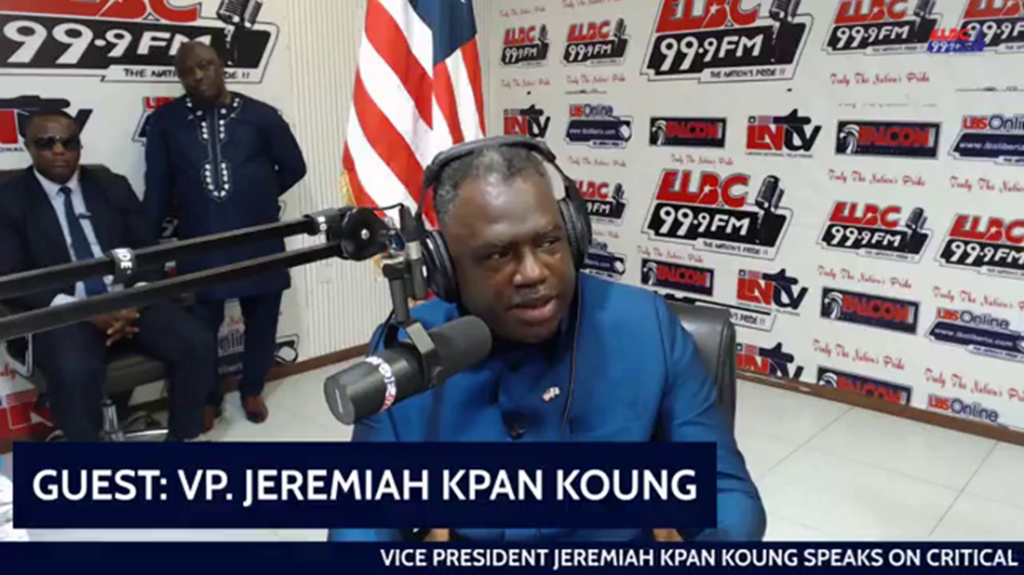
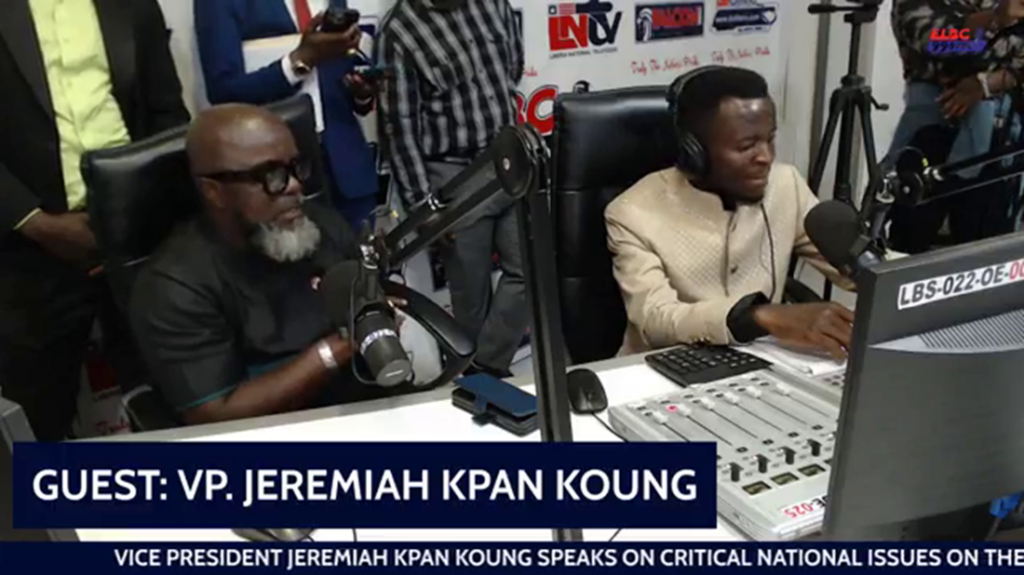
Vice President Jeremiah Kpan Koung’s recent appearance on ELBC was more than a routine media engagement—it was a candid exposition of Liberia’s economic fragility and a declaration of intent. His remarks cut through diplomatic niceties and confronted uncomfortable truths about the country’s business climate, energy crisis, and governance gaps.
But clarity of diagnosis is only half the battle. The real question is whether this moment signals genuine policy execution—or simply another cycle of well-articulated ambition.
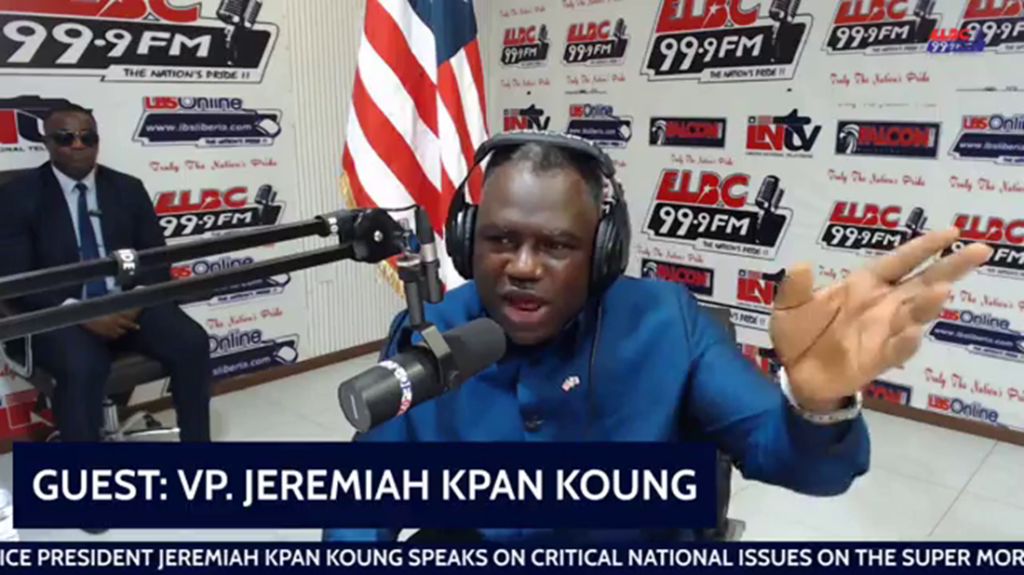
Koung did not mince words. Describing Liberia’s market as “unfriendly” to its own citizens, he pointed to a long-standing structural imbalance: sectors legally reserved for Liberians are, in practice, dominated by foreign actors. This is not a new revelation. What is new—or at least notable—is the Vice President’s explicit commitment to enforcement.
That commitment, if realized, could mark a turning point. For years, the problem has not been the absence of laws, but the absence of enforcement. Liberia’s Investment Act is clear. The failure has been institutional—weak regulation, limited oversight, and, as Koung himself admitted, a lack of political will.
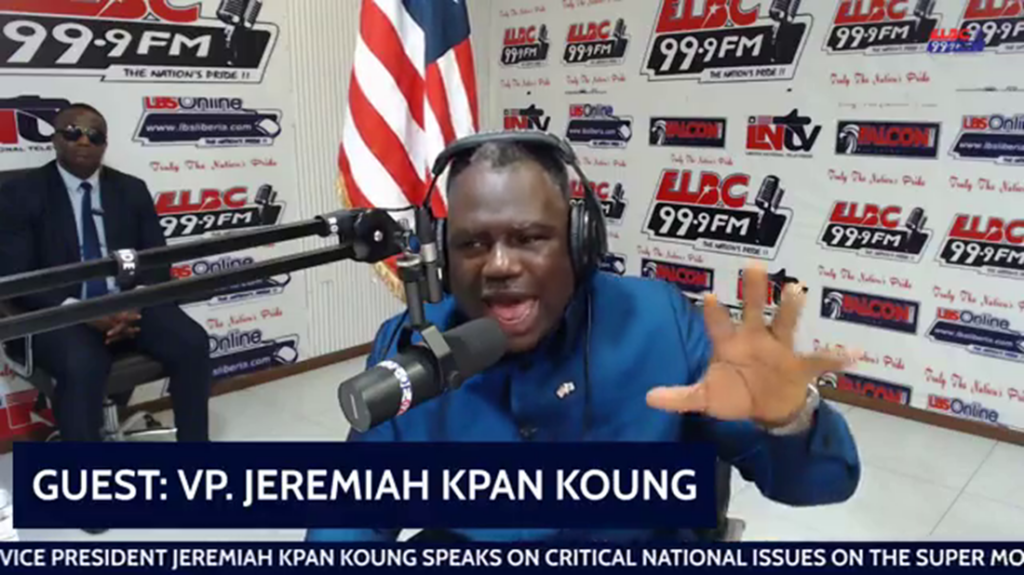
Yet enforcement is easier promised than delivered. Any serious attempt to restructure market access will inevitably collide with entrenched interests—both foreign and domestic. It will require not just political will, but political courage.
The Vice President’s assertion that enforcing existing laws could create over 10,000 jobs is compelling. But it also raises a critical question: what systems are in place to ensure that Liberians are prepared to fill these roles? Without parallel investments in skills development, access to finance, and business support, enforcement alone risks creating disruption without sustainable empowerment.
And that brings us to another central issue Koung highlighted—access to capital. His critique of Liberia’s high-interest lending environment is accurate. Double-digit interest rates, compounded by additional fees, effectively shut out local entrepreneurs. The proposed solution—low-interest financing mechanisms—has been discussed before. The difference now must lie in execution, transparency, and scale.
If Liberian businesses are to compete, they need more than policy statements. They need capital, protection, and a level playing field.

Still, it was Koung’s comments on electricity that carried the greatest weight. His framing of the energy crisis as a foundational barrier—one that undermines every sector—was both direct and indisputable.
“Electricity is everything,” he said. That is not rhetoric; it is economic reality.
No country can industrialize, modernize agriculture, or deliver quality healthcare without reliable power. Liberia’s dependence on inconsistent supply, aging infrastructure, and costly imports has long constrained growth. Koung’s proposed $2–3 billion investment in the energy sector reflects the scale of the challenge.

But again, the issue is not awareness—it is delivery.
Large-scale infrastructure projects demand not only financing, but institutional coordination, transparency, and long-term planning. The idea of leveraging mining revenues to fund energy development is innovative, but it will require disciplined implementation and broad political consensus.
Perhaps the most striking admission from the Vice President was his acknowledgment that Liberia’s core challenge has been a lack of political will. That statement, while refreshing, also serves as an indictment of past and present governance.

If the political will now exists, as Koung claims, then the expectations must rise accordingly.
Liberians are not short on promises. What they have lacked is follow-through.
This moment, therefore, is a test. Not of policy design, but of political resolve. Can the government enforce its own laws? Can it reform a business environment long skewed against its citizens? Can it finally tackle the electricity crisis with the urgency it demands?
The answers will not come from radio interviews. They will come from actions—visible, measurable, and sustained.
Koung has laid out a bold vision. The country will now judge him, and the administration he serves, not by the strength of their words, but by the weight of their results.
Follow The Liberian Post on Facebook and X (formerly twitter)