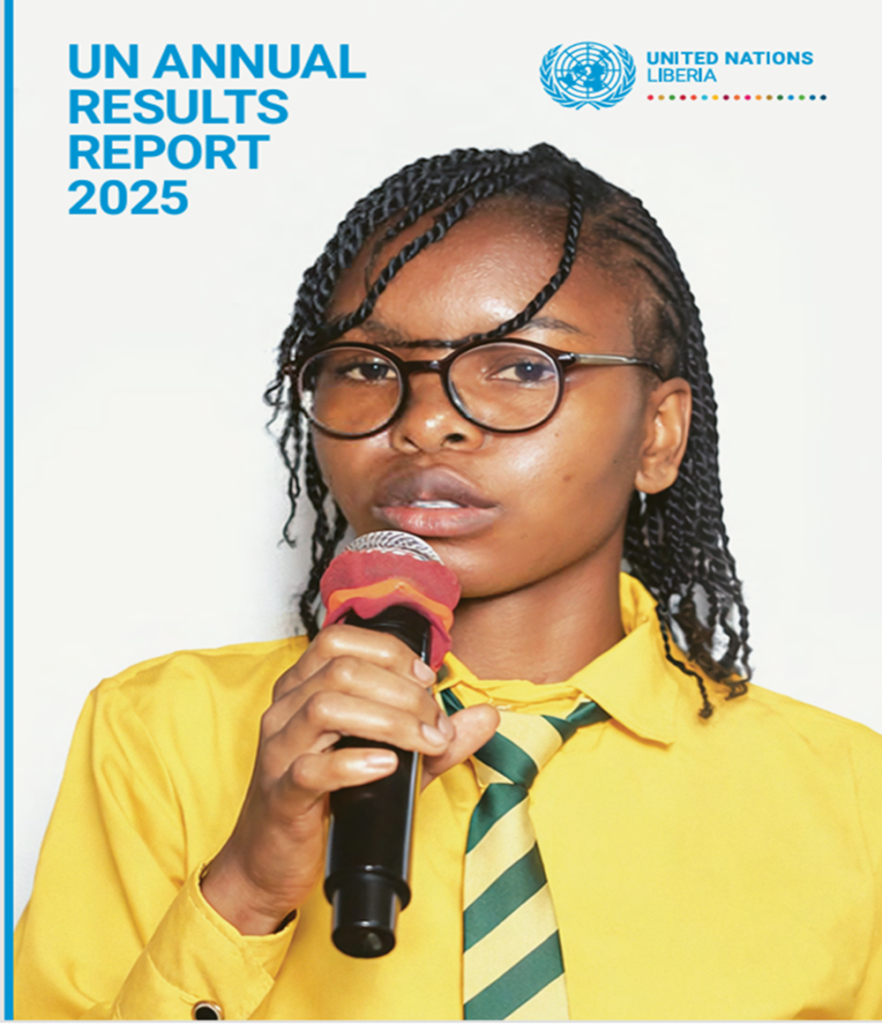
MONROVIA – Liberia recorded steady economic growth of about five percent in 2025, but widespread poverty, food insecurity, and structural vulnerabilities continue to undermine the country’s development trajectory, according to the United Nations Annual Results Report.
The report describes 2025 as a “pivotal moment” marked by resilience and gradual recovery, driven largely by improvements in mining, agriculture, and services. However, it cautions that these gains remain fragile amid declining external assistance and persistent socio-economic challenges.
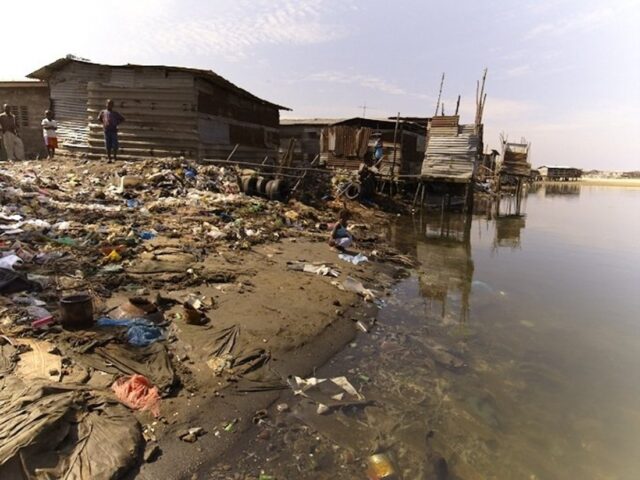
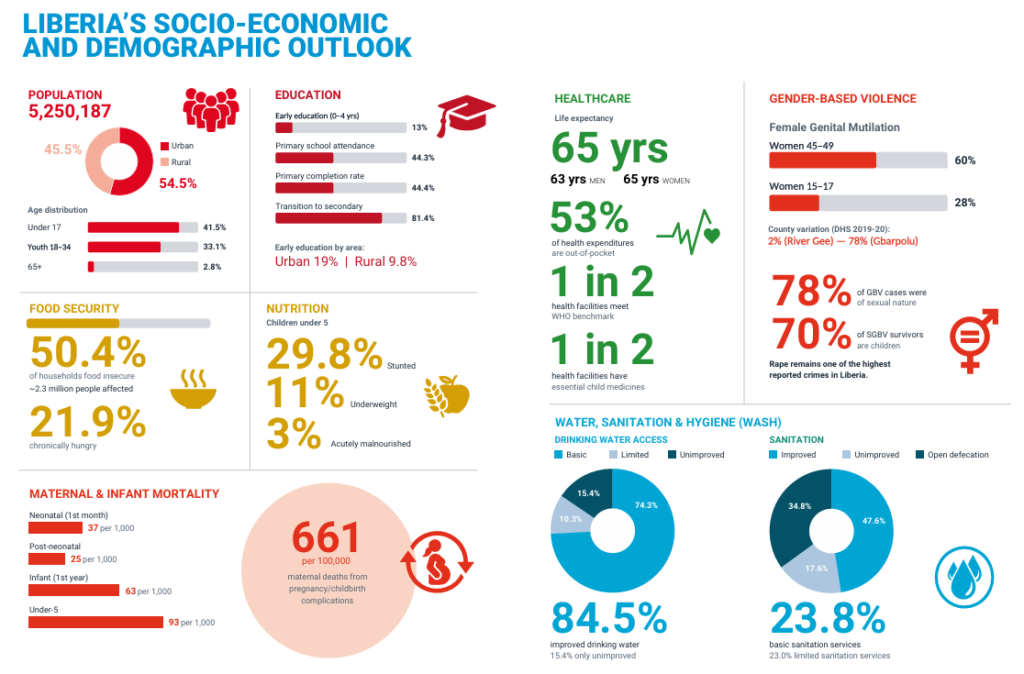
Despite macroeconomic progress, more than half of Liberian households continue to face food insecurity, with approximately 2.3 million people affected. The report notes that high dependence on food imports, weak agricultural productivity, and inflationary pressures have compounded the situation, leaving many households vulnerable to shocks.
Human development indicators also reveal a mixed picture. While maternal mortality declined significantly to 628 per 100,000 live births and immunization coverage reached 83 percent, Liberia still ranks among countries with some of the lowest human development outcomes globally. Adult literacy remains below 60 percent, and youth unemployment continues to pose a major challenge.
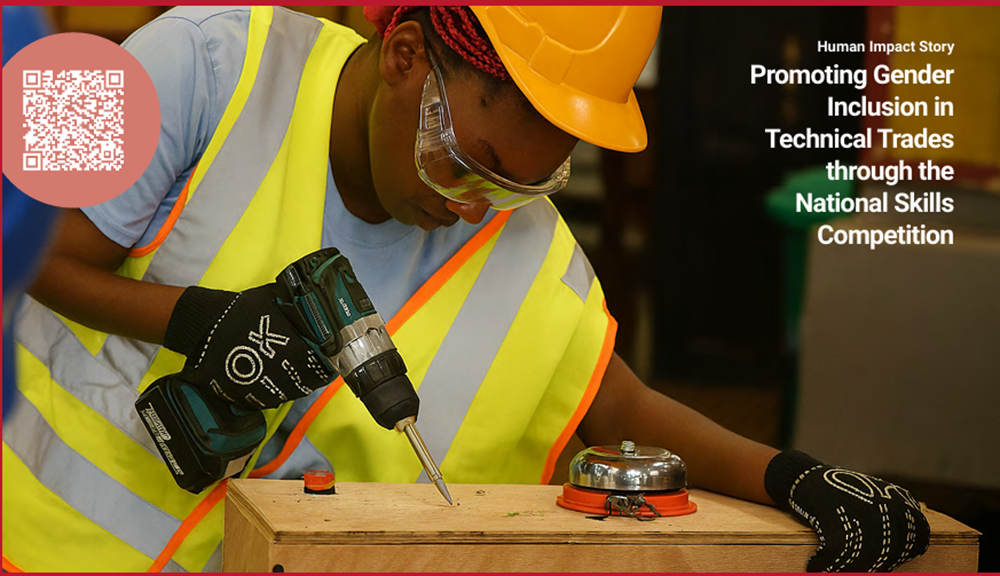
The United Nations highlighted notable achievements in the health sector, including expanded access to family planning services for over 368,000 women and strengthened healthcare delivery systems nationwide. Similarly, education and nutrition programs, such as the Home-Grown School Feeding Programme, supported over 80,000 schoolchildren while boosting local agricultural production.
However, the report underscores that structural constraints—including limited fiscal space, high public debt, and reliance on external financing—continue to hinder sustainable growth. Liberia’s economy remains highly exposed to global commodity price fluctuations and exchange rate volatility.
Governance reforms and democratic stability were cited as positive developments, with Liberia maintaining over two decades of peace and strengthening institutional frameworks. Yet, concerns about corruption, unemployment, and the high cost of living have fueled public dissatisfaction and calls for reform.
Looking ahead, the United Nations is urging a shift toward transformative policies focused on strengthening institutions, expanding domestic resource mobilization, and investing in human capital. The new 2026–2030 Cooperation Framework is expected to prioritize long-term systems development over short-term interventions.
The report concludes that while Liberia has made meaningful progress, achieving inclusive and sustainable development will require bold reforms, stronger partnerships, and sustained commitment to addressing deep-rooted structural challenges.
Follow The Liberian Post on Facebook and X (formerly twitter)