Liberia’s development story in 2025, as captured by the United Nations Annual Results Report, is one of cautious optimism shadowed by persistent hardship. On paper, the numbers tell a story of progress: economic growth hovering around five percent, declining maternal mortality, expanded immunization coverage, and increased access to essential services. These are not trivial gains. They reflect years of investment, coordination, and resilience.
But beyond the statistics lies a more sobering reality—one that millions of Liberians confront daily.
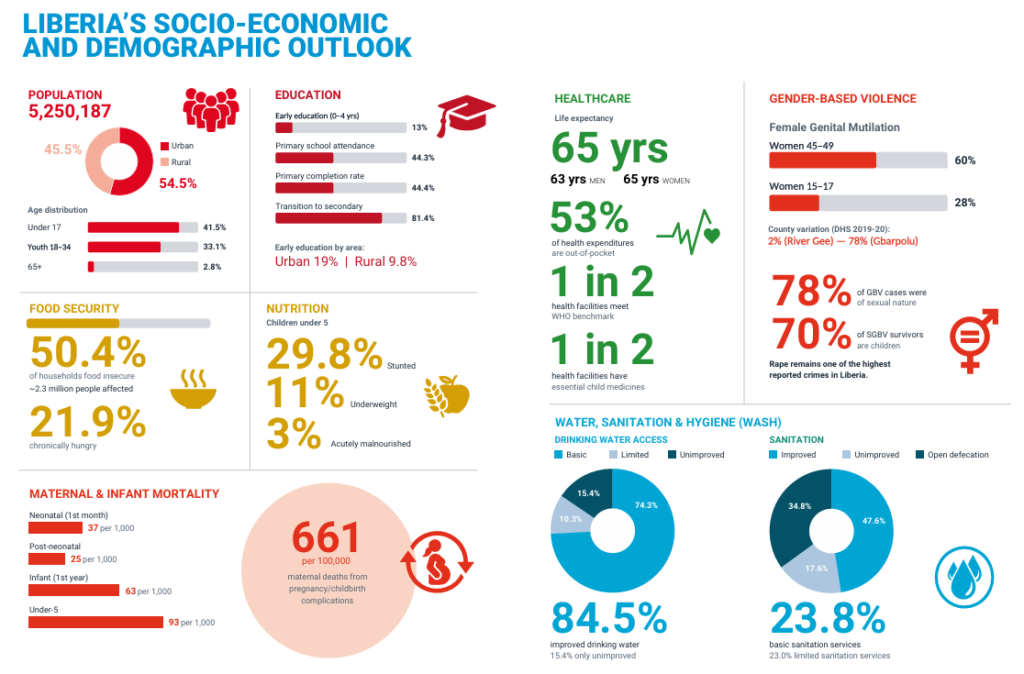
For all the recorded progress, more than half of the population continues to grapple with food insecurity. Poverty remains widespread, and youth unemployment continues to strain households and communities alike. The disconnect between macroeconomic gains and lived experience is stark. Growth, in its current form, is not yet translating into meaningful improvements in the quality of life for the average Liberian.
This is the central contradiction the country must now confront: development that looks promising in reports but feels insufficient on the ground.
Part of the challenge lies in Liberia’s structural vulnerabilities. The economy remains heavily dependent on imports and a narrow range of commodity exports, leaving it exposed to global shocks. Declining external assistance has further tightened fiscal space, limiting the government’s ability to expand critical services or invest at the scale required. These constraints are not new, but they have become more pronounced in a rapidly changing global environment.
Equally concerning is the persistence of governance challenges. While Liberia has rightly earned praise for maintaining democratic stability and peaceful political transitions, public trust in institutions remains fragile. Rising concerns about corruption, cost of living, and service delivery gaps are fueling dissatisfaction and testing the credibility of reforms.
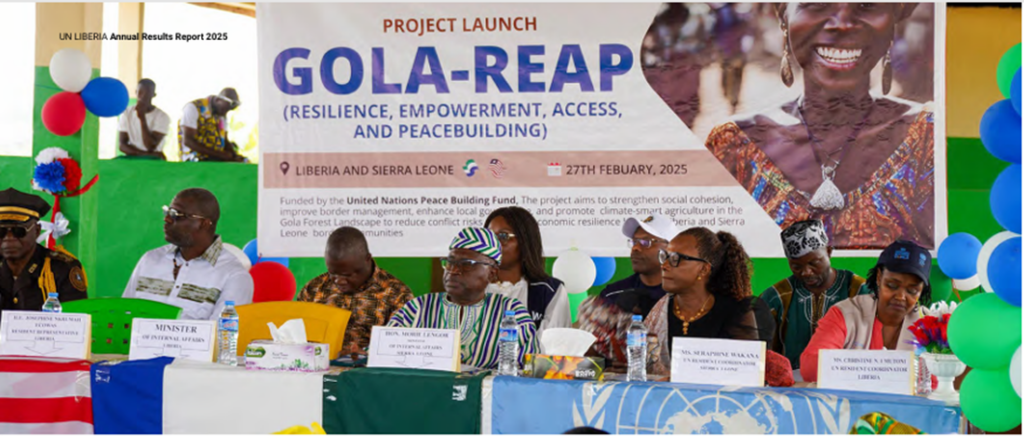
Yet, this moment also presents an opportunity.
The transition to a new development framework offers a chance to recalibrate national priorities. Incremental progress will no longer suffice. Liberia must shift from short-term, project-based interventions to long-term systems strengthening—building institutions that can deliver consistently, equitably, and transparently.
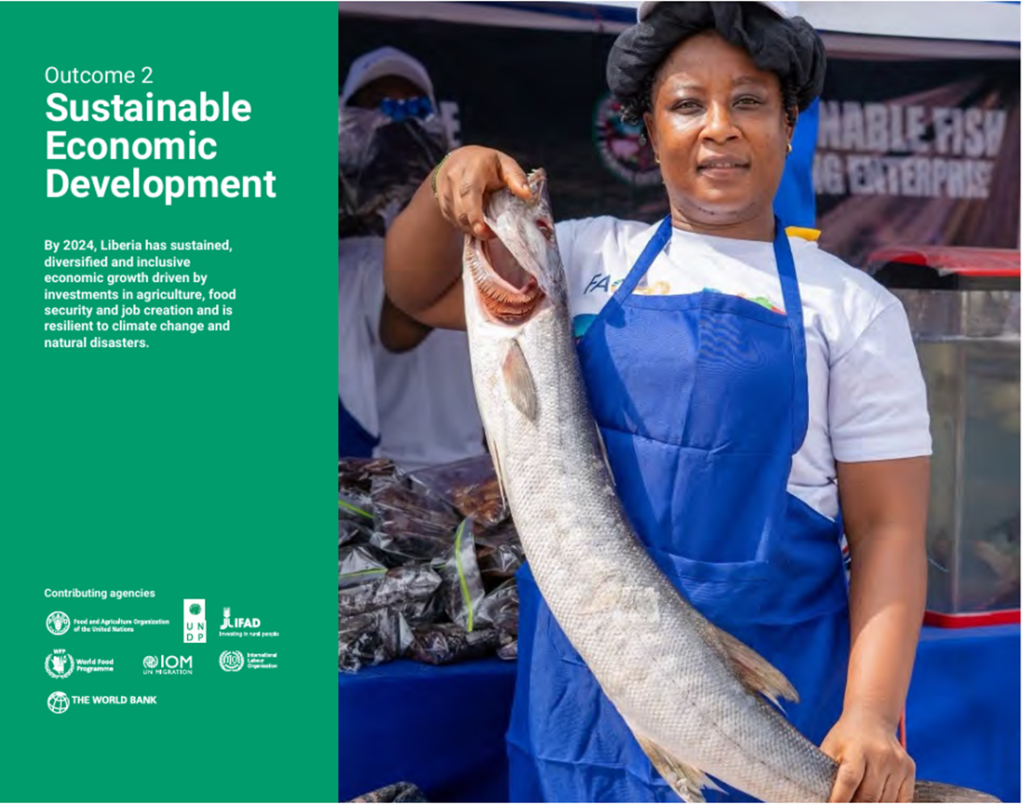
Investing in human capital must take center stage. Improvements in health and education, though notable, remain insufficient relative to the scale of need. A country where literacy rates remain low and young people struggle to find jobs cannot sustain inclusive growth. Without deliberate efforts to expand economic opportunities, especially for youth and women, social pressures will continue to mount.
Equally critical is the need to strengthen domestic resource mobilization. Heavy reliance on external financing is no longer sustainable in an era of shrinking global aid. Liberia must broaden its revenue base, improve public financial management, and create an environment that encourages private sector investment.
Ultimately, the question is not whether Liberia is making progress—it is. The real question is whether that progress is deep, inclusive, and resilient enough to withstand the pressures it now faces.
The answer, at least for now, remains uncertain.
Liberia stands at a crossroads. The gains of today can either become the foundation for lasting transformation or remain fragile achievements vulnerable to reversal. The difference will depend on the choices made now—choices that must prioritize not just growth, but equity, accountability, and opportunity for all.
Follow The Liberian Post on Facebook and X (formerly twitter)Top of FormBottom of Form