MONROVIA, LIBERIA — The Liberia Telecommunications Authority (LTA) has fined Orange Liberia four million Liberian dollars after finding the telecommunications company liable for the unauthorized issuance of a customer’s SIM card to a third party, a breach regulators say compromised customer privacy and telecommunications security.
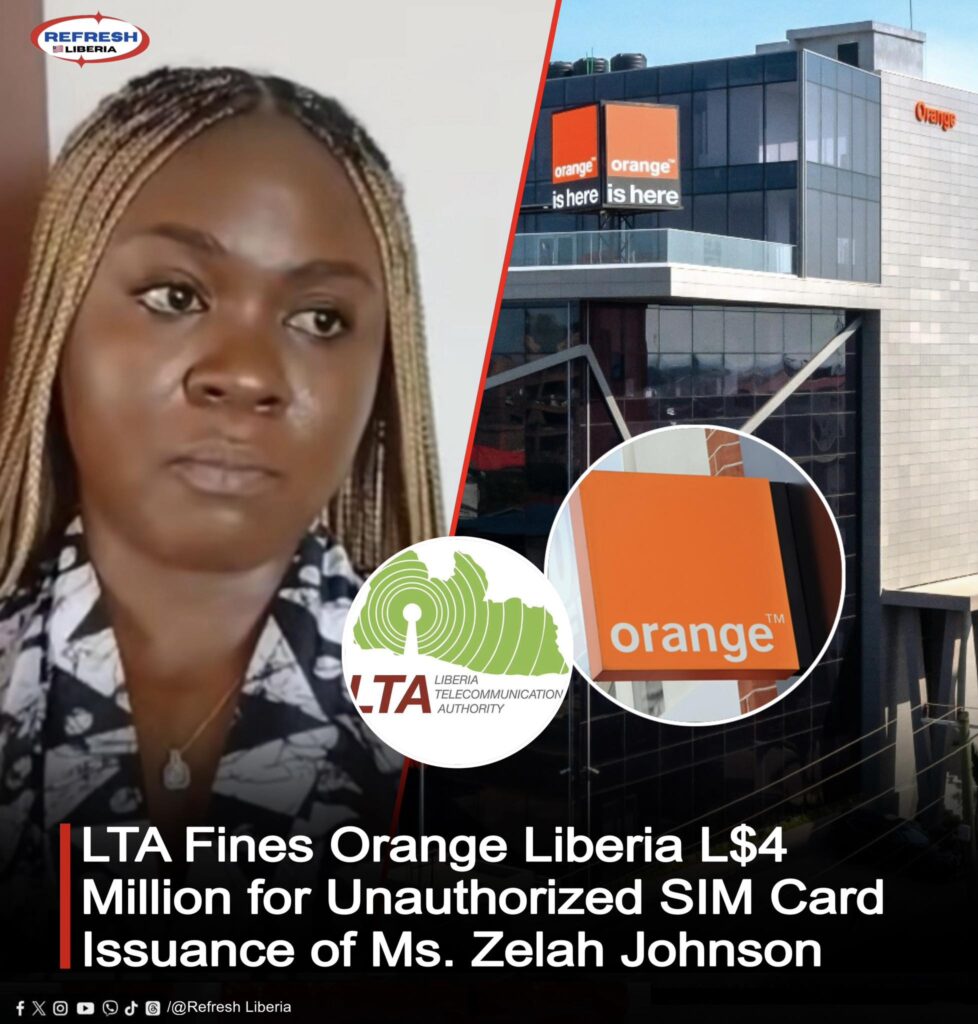
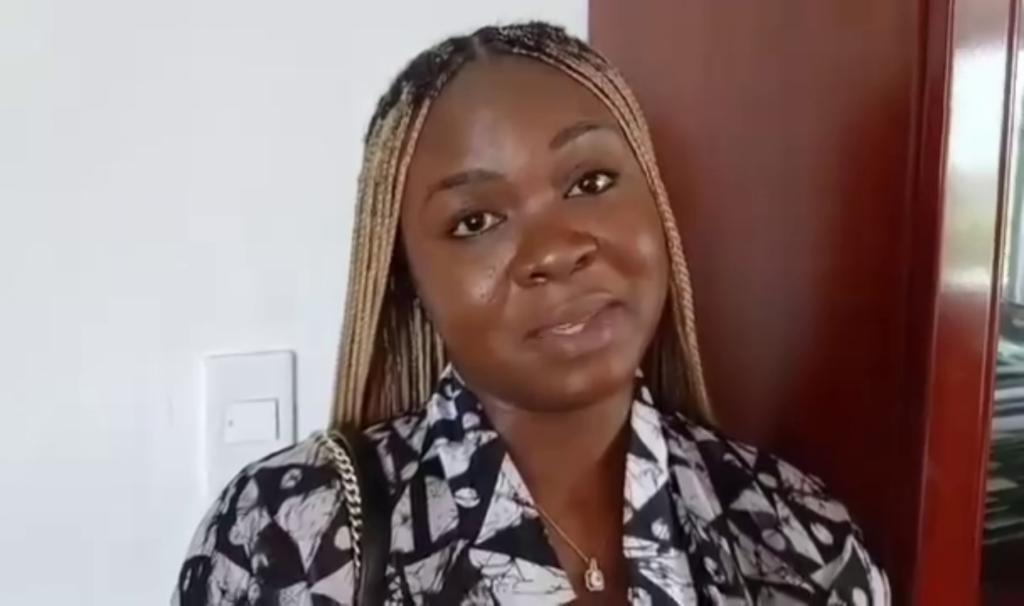
According to an official statement issued by the LTA on Monday, May 25, 2026, the case involved Ms. Zelah Johnson, whose Orange Liberia phone number reportedly stopped functioning in February 2024 after the SIM card linked to her account was allegedly reissued to another individual without her authorization.
The LTA said investigations established that the unauthorized individual later gained access to accounts connected to Ms. Johnson’s SIM card, permanently locking her out and exposing her personal information to privacy and communications breaches.
“During the investigation, it was found that the SIM card was improperly issued to the third party by Orange, in violation of company procedures and Orange license conditions,” the Authority stated.
Violation of Telecommunications Laws
The telecommunications regulator concluded that Orange Liberia failed to adequately protect customer information and violated provisions of Liberia’s Telecommunications Act of 2007 relating to customer confidentiality, data protection, and unauthorized access to telecommunications systems.
As part of its ruling, the LTA ordered Orange Liberia to disclose the identities of both the employee allegedly involved in the unauthorized SIM issuance and the individual who obtained the SIM card improperly.
In addition to the L$4 million fine, the Authority warned that telecommunications operators and sector actors will continue facing strict penalties for violations that compromise customer security and privacy.
“The LTA reaffirmed its commitment to protecting telecommunications consumers and warned that service providers and all actors in the sector will be held accountable for actions that compromise customer privacy and security,” the statement noted.
The development has triggered renewed public debate over data privacy, SIM card security, and customer protection within Liberia’s rapidly expanding telecommunications and mobile money sector.
Growing Concerns Over Digital and Mobile Money Security
The case comes at a time when mobile numbers in Liberia are increasingly linked to banking services, mobile money wallets, social media accounts, and other sensitive digital platforms, making SIM-related fraud a growing concern among consumers.
Cybersecurity experts say unauthorized SIM swaps and fraudulent SIM reissuance can expose victims to identity theft, financial losses, hacking, and unauthorized access to confidential information.
The issue has become particularly significant with the rapid expansion of mobile money services across Liberia, where telecom companies now play a central role in digital financial transactions.
Orange Liberia remains one of Liberia’s largest telecommunications and mobile money providers, serving millions of subscribers nationwide.
Earlier this year, the LTA granted Orange Money a separate operating license under new regulations requiring telecommunications operators to separate mobile money operations from core telecom services as part of efforts to strengthen regulatory oversight and consumer protection.
LTA Tightens Regulatory Oversight
The latest enforcement action also reflects what observers describe as increasingly aggressive regulatory oversight by the Liberia Telecommunications Authority under ongoing reforms within Liberia’s telecommunications sector.
In recent months, the LTA has intensified actions involving licensing enforcement, mobile money regulation, spectrum management, SIM registration compliance, and consumer protection measures.
The Authority has repeatedly emphasized the importance of compliance with telecommunications laws and data protection standards as Liberia expands digital connectivity and financial inclusion.
The Telecommunications Act of 2007 grants the LTA broad authority to regulate operators, enforce customer protection standards, and sanction companies found violating sector regulations.
As of Monday evening, Orange Liberia had not publicly responded to the LTA ruling or disclosed whether it intends to challenge the decision.
The case is expected to further intensify conversations around digital privacy, customer protection, and accountability within Liberia’s telecommunications industry.
Follow The Liberian Post on Facebook and X (formerly twitter).