-Thirty-Six Years After the Barkedu Massacre, Survivors Continue to Mourn Their Loved Ones as Liberia Advances National Healing, Memorialization and the Pursuit of Justice for Victims of Civil War Atrocities
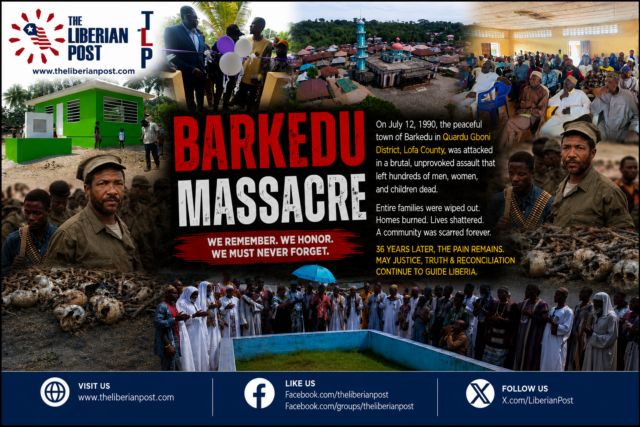
BARKEDU, Lofa County – Every year on July 12, the quiet town of Barkedu falls silent in a way that words can scarcely describe.
For some, it is a day of prayer. For others, it is a day of tears.
For many survivors, it is the day time itself seems to stop, transporting them back to a terrifying morning in 1990 when hope gave way to horror and an entire community’s trust was shattered by violence.
Thirty-six years may have passed since that fateful day, but for the people of Barkedu, the memories remain painfully vivid.
They remember the frightened children hiding beneath trees. They remember mothers trying to quiet crying babies for fear their voices would attract armed men.
They remember fathers venturing cautiously from the bush in search of food before returning to reassure their families that somehow they would survive.
Above all, they remember the promise. A promise that it was safe to come home. That promise, according to survivors, changed everything.
Among those who continue to tell the story is Jahmanati Mamadi Sackor, whose heartfelt reflection marking the anniversary of the Barkedu Massacre serves not only as a tribute to the victims but also as a warning to future generations about the devastating consequences of hatred, division and war.
“We remember. We reflect. We pray. We must never forget,” Sackor wrote.
Those words have become a solemn refrain for survivors who believe that preserving the memory of Barkedu is essential if Liberia is to protect the peace it has worked so hard to build since the end of its brutal civil conflict.
The Day Barkedu Changed Forever
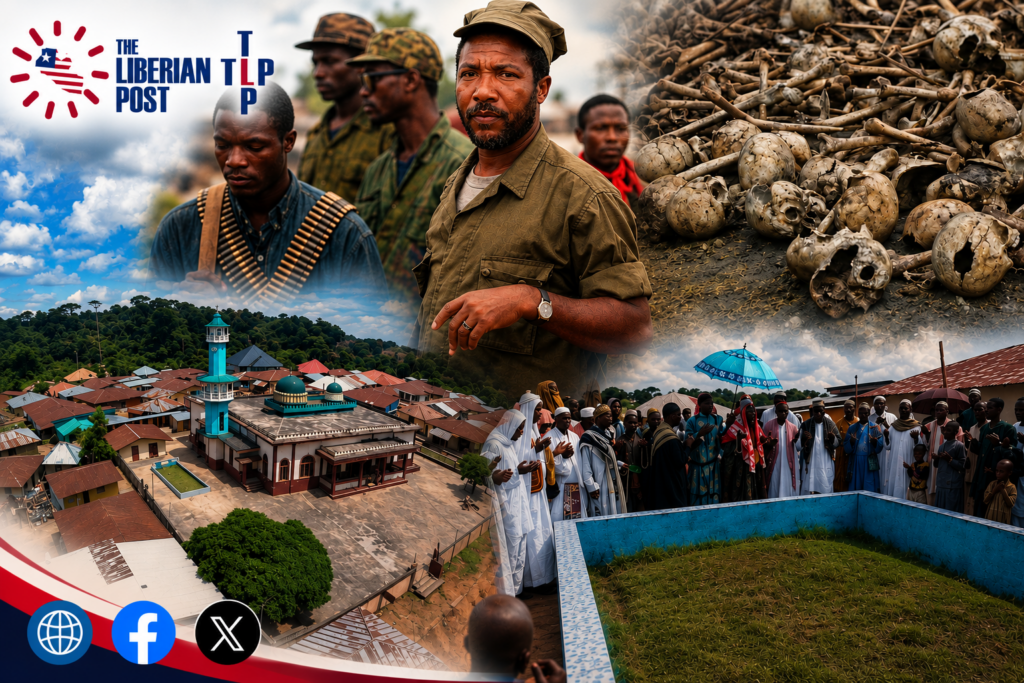
Before the civil war reached Barkedu, life moved at the gentle pace familiar to many rural Liberian communities.
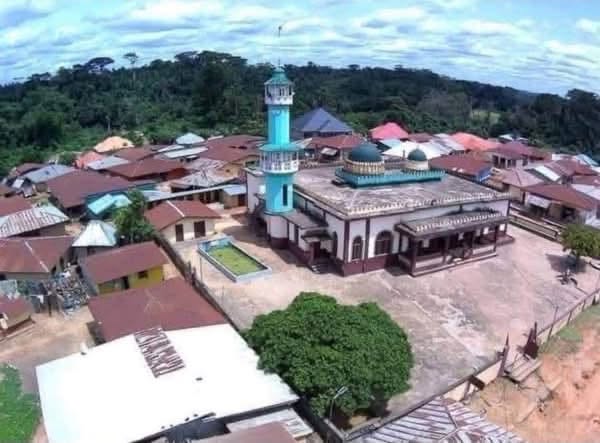
Situated in Quardu-Gboni District, Lofa County, the town was home to farmers, traders, religious leaders and families who depended on the land and on one another. Children filled schoolyards with laughter while farmers worked their fields, believing that tomorrow would look much like yesterday.
Then Liberia’s civil war arrived.
As fighting spread across the country in the early months of 1990, fear swept through Barkedu. Families abandoned their homes almost overnight, seeking refuge in nearby forests where they hoped the dense vegetation would shield them from the violence closing in around their community.
For days, hundreds of civilians survived in the bush with little food, little water and no certainty about what awaited them.
Many believed they would remain there until the fighting subsided.
Instead, according to Sackor and numerous survivor testimonies, word eventually reached those hiding that they could safely return to town.
The message, survivors say, came with assurances that no one would be harmed.
Residents were reportedly invited to gather at the town’s Palava Hall for what was described as a peaceful meeting.
Exhausted by days of fear and displacement, families emerged from the forest believing the worst was over.
Mothers carried infants on their backs.
Children clung to their parents’ hands.
The elderly leaned on younger relatives for support as they slowly made their way back toward the town they had fled only days earlier.
It was a walk many believed would lead them home.
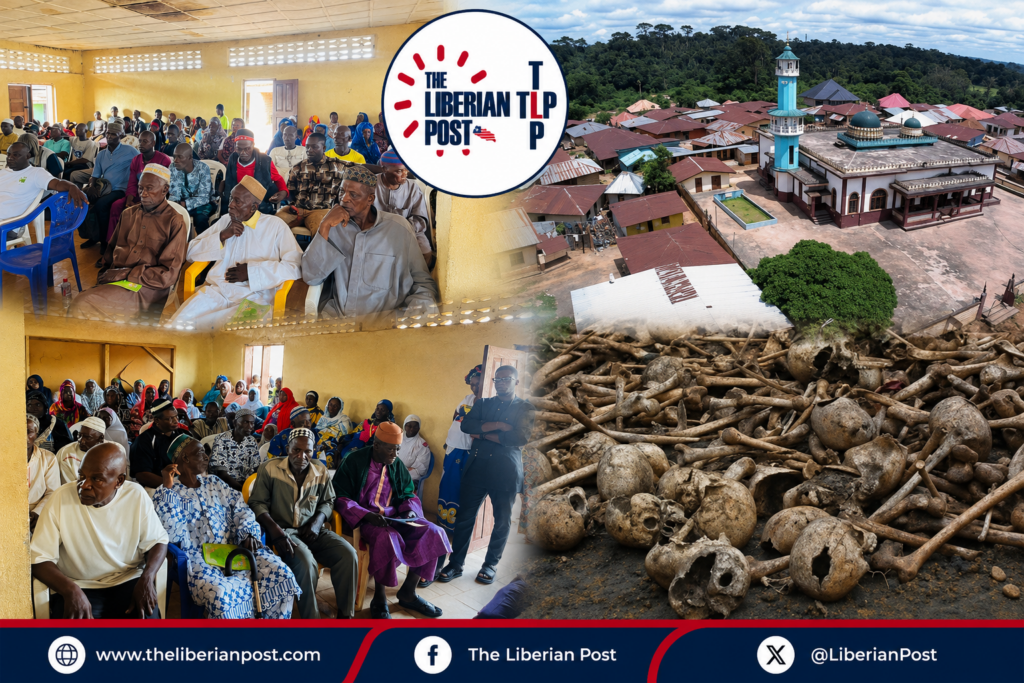
Instead, according to survivor accounts documented over the years, it became a march into one of the earliest and most devastating massacres of Liberia’s First Civil War.
Witnesses have consistently maintained that after civilians assembled, they were met with a barrage of gunfire.
The victims were not combatants. They were ordinary Liberians.
They were fathers and mothers trying to protect their children.
They were sons and daughters whose futures ended before they had truly begun.
They were elderly men and women whose only desire was to live out their remaining years in peace.
Many survivors have also long maintained that Mandingo civilians and Muslims were specifically targeted because of their identity, allegations that have remained central to survivor testimonies and Liberia’s historical record of the tragedy.
For those who survived, the memories have never faded.
Some watched parents collapse before their eyes.
Others lost siblings, spouses or children in a matter of moments.
Many fled once again into the bush, carrying not only physical wounds but emotional scars that would remain with them for decades.
For countless families, there were no proper funerals.
No opportunity to mourn.
Only hurried burials, unanswered questions and lives forever altered by unimaginable loss.
More Than A Place of Tragedy
Today, Barkedu is once again a living community.
Children play in its streets. Farmers cultivate their fields.
Families worship together in churches and mosques.
Life has returned.
Yet beneath that resilience lies a painful history that residents refuse to allow the nation to forget.
For survivors like Sackor, remembering Barkedu is not about reopening old wounds or encouraging revenge.
It is about honoring those whose voices were forever silenced.
“These were not armed combatants,” Sackor wrote in his reflection.
“They were fathers, mothers, children, elders and ordinary citizens. They carried no weapons, posed no military threat and had no means of defending themselves.”
His words reflect the conviction shared by many survivors that preserving the memory of the massacre is essential to preventing future generations from repeating the mistakes of the past.
That belief increasingly aligns with Liberia’s broader national conversation about truth, accountability and reconciliation.
For many years after the war ended, communities like Barkedu received little national attention beyond the painful memories carried by survivors.
Today, however, that silence is gradually giving way to recognition.
The Office for the Establishment of the War and Economic Crimes Court for Liberia (OWECC-L) has made Barkedu one of the communities central to its national outreach efforts, recognizing that meaningful reconciliation begins by listening to survivors and acknowledging the suffering endured by communities devastated by the country’s civil wars.
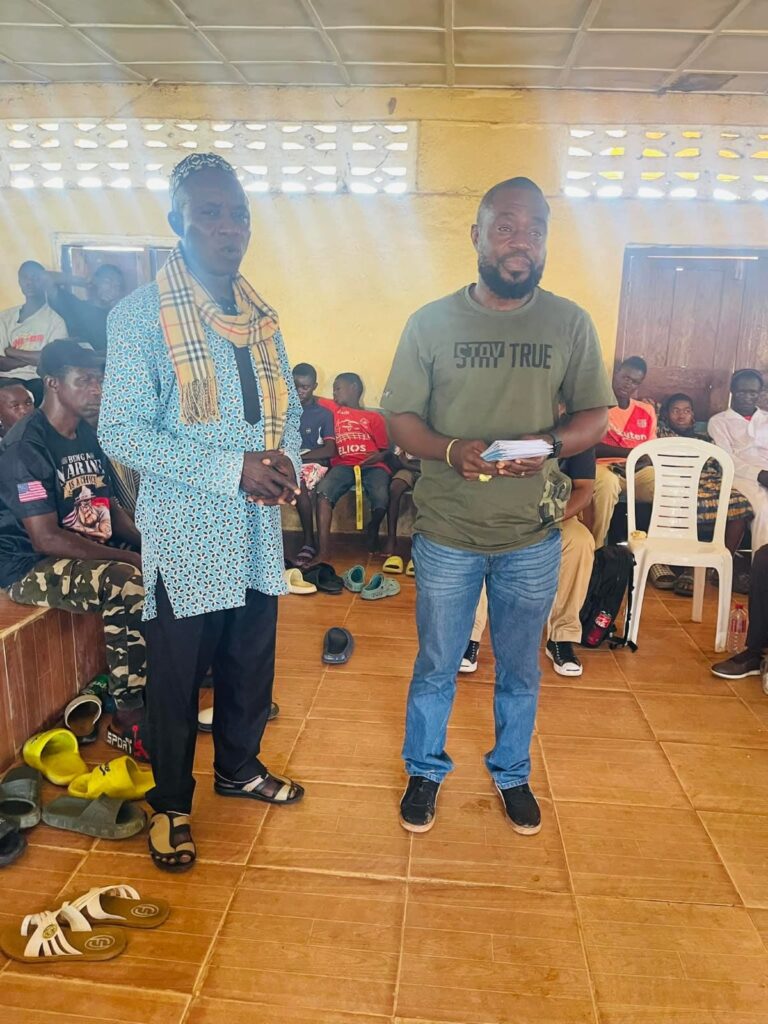
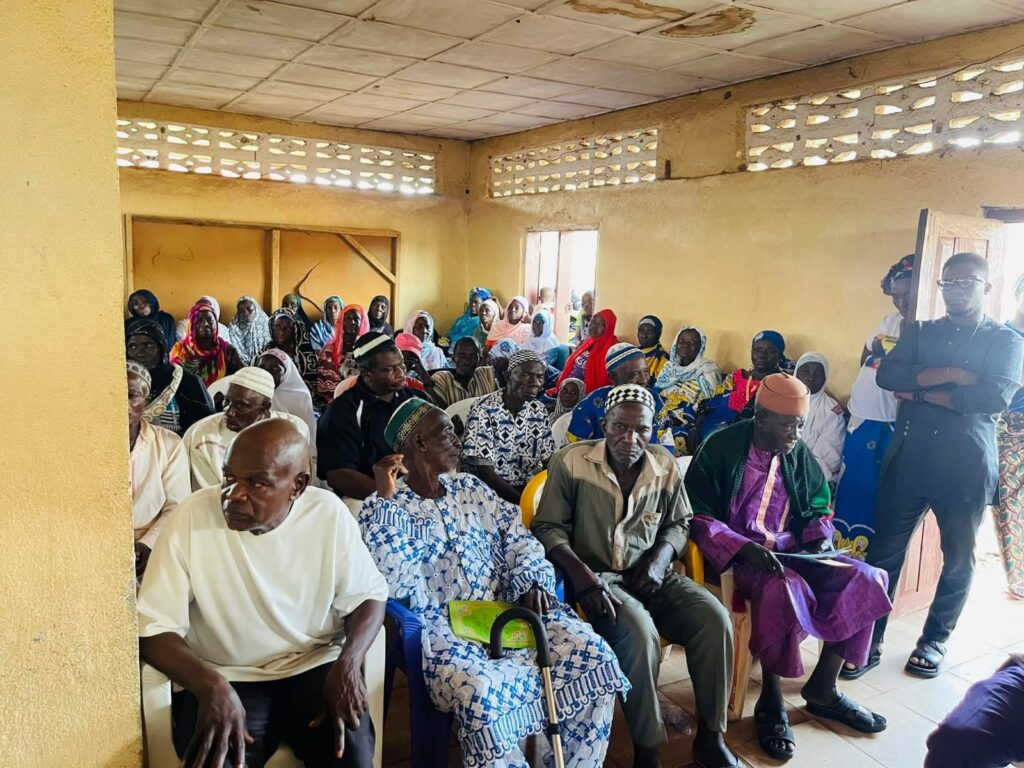
Last year, an OWECC-L delegation visited the Barkedu Massacre site ahead of its nationwide justice outreach campaign, meeting with survivors, local authorities and community leaders while emphasizing that remembrance and accountability are vital components of Liberia’s transitional justice process.
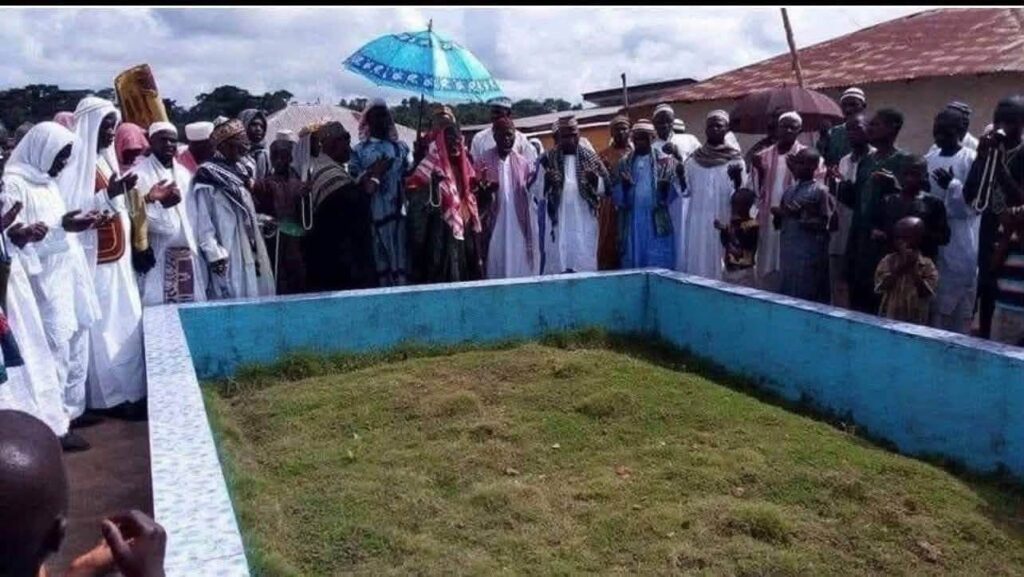
During activities commemorating the 35th anniversary of the massacre, OWECC-L again joined survivors and victims’ families in honoring those who lost their lives, reaffirming that preserving historical memory is an essential step toward building a peaceful and united Liberia.
For many residents, those visits represented something long overdue.
Recognition. Recognition that Barkedu’s story is Liberia’s story.
Recognition that the victims deserve to be remembered not merely as casualties of war, but as human beings whose lives mattered.
Recognition that the nation cannot fully heal by forgetting the communities that suffered its deepest wounds
Healing A Nation By Remembering Its Past
Across Liberia, the conversation about the civil war has evolved.
For years, survivors often carried their pain in silence. Many believed the country wanted to move forward without confronting the horrors that had unfolded in communities like Barkedu, Behn Town, Phebe, Carter Camp and the Lutheran Church.
But peace without memory, survivors say, is fragile.
That is why memorialization has become an increasingly important pillar of Liberia’s reconciliation journey.
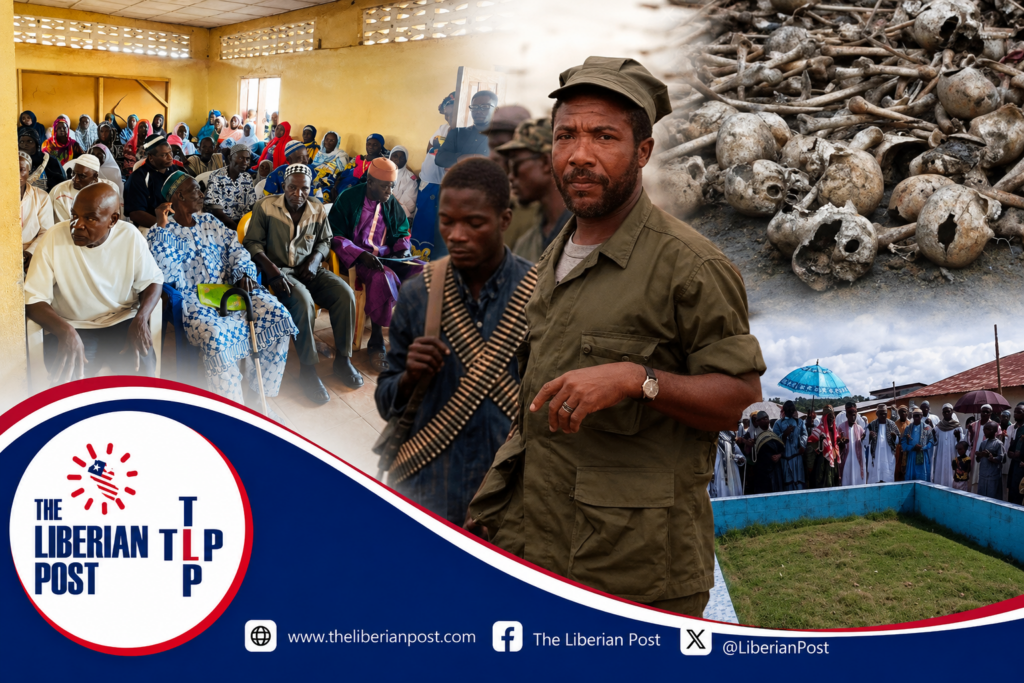
With support from the United Nations Development Programme (UNDP) and the Independent National Commission on Human Rights (INCHR), memorial monuments have been erected at massacre sites and mass graves across the country, including in Lofa County. These monuments stand not as symbols of division, but as reminders of the immense human cost of war and the shared responsibility to prevent history from repeating itself.
During the dedication of several memorial sites, government officials, human rights advocates and international partners emphasized that every victim deserves to be remembered, regardless of ethnicity, religion or political affiliation. They noted that acknowledging the past is not about assigning collective guilt but about preserving historical truth, restoring dignity to victims and creating spaces where survivors can grieve openly while future generations learn from Liberia’s painful history.
For communities like Barkedu, those memorials represent more than concrete and stone.
They represent recognition. They represent dignity.
And for many families who buried loved ones without ceremony or never recovered their remains, they represent a place where memories can finally find a home.
The commitment to remembrance has also been reflected in the work of OWECC-L, which continues to engage communities across Liberia through public education and dialogue on the country’s transitional justice agenda.
Officials of the institution have repeatedly stressed that establishing a War and Economic Crimes Court is not solely about prosecuting those most responsible for wartime atrocities. It is also about strengthening the rule of law, restoring public confidence in justice and ensuring that future generations understand that crimes against civilians should never go unanswered.
The Office of the United Nations High Commissioner for Human Rights (OHCHR) has likewise renewed its support for Liberia’s efforts to establish the court, describing accountability, truth-telling and memorialization as essential components of sustainable peace.
For many survivors, these developments offer hope that the stories they have carried for more than three decades will not disappear with them.
Barkedu Was One Of Many Communities That Paid A Terrible Price
The tragedy that unfolded in Barkedu was not an isolated incident.
As Liberia descended deeper into civil war, atrocities spread across the country, leaving behind devastated communities and generations struggling to rebuild their lives.
The Lutheran Church Massacre in Monrovia remains one of the most widely remembered wartime atrocities, where hundreds of civilians seeking sanctuary inside a church compound were brutally killed.
Communities such as Carter Camp, Phebe, Behn Town, Bloe Town, Gbonyea and many others also endured horrific violence that claimed the lives of innocent civilians.
Each community carries its own painful memories.
Each has its own stories of families torn apart, children orphaned and dreams abruptly ended.
Yet together, they tell one larger story—the story of a nation whose people suffered beyond measure during fourteen years of conflict.
Today, survivors and advocates continue to call for equal recognition of all massacre sites, arguing that no community’s suffering should be forgotten simply because it received less national attention.
Their appeal is not for revenge.
It is for remembrance.
It is for history to be told honestly.
It is for every Liberian child to understand that the freedoms and peace enjoyed today were purchased at an unimaginable human cost.
The Long Road To National Healing
Liberia has now enjoyed more than two decades without civil war.
A generation has grown up knowing classrooms instead of refugee camps, ballots instead of bullets and hope instead of fear.
Yet beneath that progress remain wounds that time alone cannot heal.
Many survivors continue to live with trauma.
Some still search for answers about relatives who disappeared during the conflict.
Others simply want acknowledgment that what happened to their families mattered.
Recognizing that lasting peace requires more than the absence of conflict, President Joseph Nyuma Boakai’s administration has placed renewed emphasis on national healing, remembrance and reconciliation. Through partnerships with institutions such as OWECC-L, INCHR, UNDP and other stakeholders, the Government has supported initiatives aimed at honoring victims, preserving historical memory and advancing Liberia’s transitional justice agenda.
The message emerging from these efforts is consistent.
A nation that remembers is better equipped to protect its future.
A nation that confronts painful truths is stronger than one that buries them.
And a nation that honors its victims affirms the value of every human life.
For Sackor, that is ultimately what Barkedu represents.
Not merely a massacre. But a lesson.
A lesson that power without humanity destroys.
That hatred leaves no true winners.
And that peace is among the greatest gifts any nation can possess.
“The Barkedu Massacre stands as a solemn reminder of the devastating human cost of war and the urgent need to preserve peace, uphold justice and ensure that such atrocities are never repeated,” he wrote.
“Remembering the victims is not about reopening old wounds. It is about honoring their memory, acknowledging their suffering and reaffirming our commitment to a future where every Liberian can live in dignity, security and unity.”
As Liberia pauses once again to remember July 12, the people of Barkedu continue to mourn fathers who never came home, mothers whose embrace was taken too soon, children whose futures were stolen and elders whose wisdom was silenced by violence.
Their stories are woven into Liberia’s history.
Their sacrifice has become part of the nation’s collective memory.
And their legacy serves as a solemn reminder that war does not distinguish between tribes, religions, regions or political beliefs.
It consumes communities. It destroys families. It leaves scars that endure for generations.
Thirty-six years after the Barkedu Massacre, one message rises above every memorial prayer, every survivor’s testimony and every wreath laid in remembrance:
Liberia must never return to war.
The greatest tribute the nation can pay to those who perished in Barkedu—and to every victim of the country’s civil conflict—is to protect the peace that so many never lived to see, strengthen justice for future generations and build a Liberia where disagreements are settled not with bullets, but through dialogue, democracy and respect for human dignity.
Only then will the words spoken each July in Barkedu truly resonate across the nation:
We remember. We reflect. We pray. We must never forget.
For more credible, balanced and impactful news, analysis and special reports, follow The Liberian Post on Facebook (https://web.facebook.com/profile.php?id=61576017166570) and on X, formerly Twitter (https://x.com/LiberianPost).