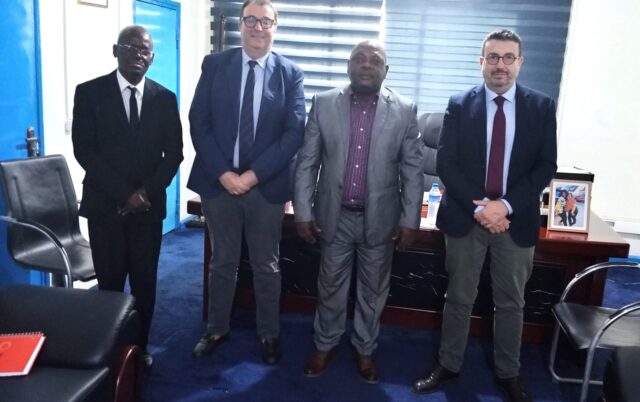
MONROVIA, LIBERIA — The Law Reform Commission (LRC) and the European Union Election Follow-up Mission Liberia 2026 have held high-level discussions on ongoing efforts to advance electoral reforms in Liberia ahead of future national elections.
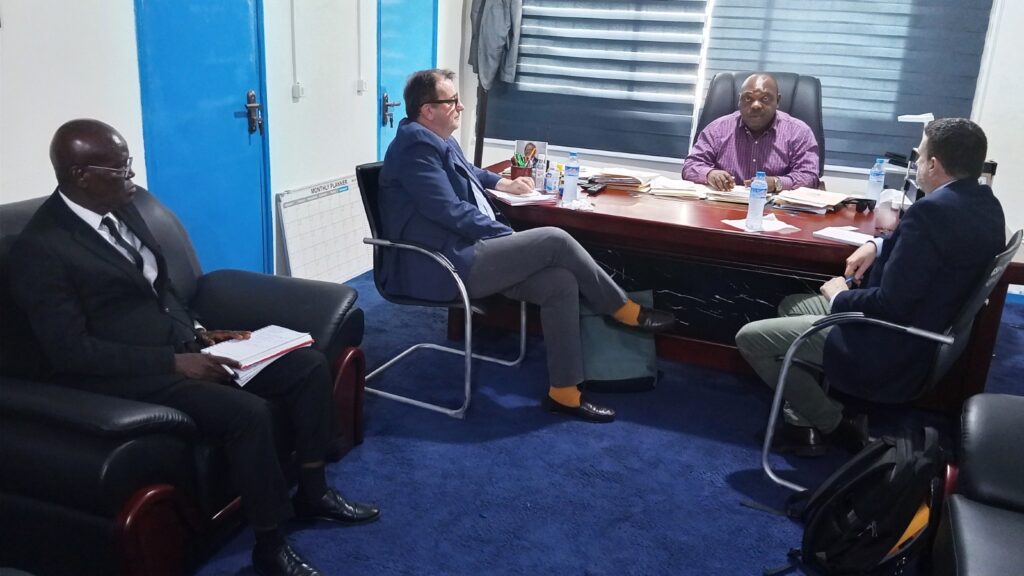
The meeting, held at the LRC headquarters on UN Drive in Mamba Point, brought together officials of the Law Reform Commission and a two-member delegation from the European Union Election Follow-up Mission led by Mr. Gilles Sapay, Legal and Human Rights Officer at the EU.
The discussions focused on several critical electoral reform issues, including campaign financing, boundary delimitation, diaspora voting, voters’ trucking, the role of the National Identification Registry, gender inclusion, election complaints and adjudication, electoral timelines, and constitutional complexities surrounding amendments to election laws.
The EU delegation said the visit was intended to familiarize itself with the current status of Liberia’s electoral reform process and ongoing collaboration among the National Elections Commission (NEC), the Law Reform Commission, civil society actors, and international development partners.
LRC Highlights Progress and Challenges
Speaking during the engagement, LRC Chairperson and Chief Executive Officer Varmah M. Bornor welcomed the EU delegation and outlined major legal and institutional issues requiring attention as part of Liberia’s electoral reform agenda.
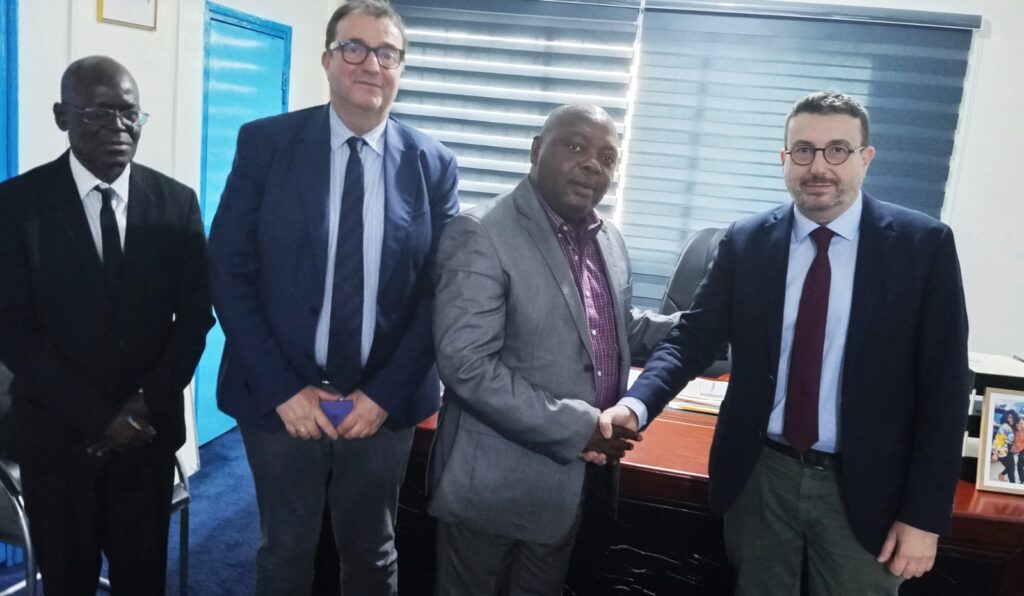
Cllr. Bornor described the Law Reform Commission as the statutory institution mandated to review and reform Liberia’s laws and emphasized the importance of strengthening the country’s electoral framework to reflect both national realities and international best practices.
Among the key issues highlighted by the LRC Chairperson were campaign financing regulations, diaspora voting, voters’ trucking, the role of the National Identification Registry, gender representation, the responsibilities of election commissioners, election complaint procedures, and collaboration with the Legislature.
He also referenced ECOWAS protocols that discourage major electoral law changes less than six months before an election.
According to Cllr. Bornor, constitutional provisions remain one of the major complexities affecting electoral reform in Liberia.
He pointed specifically to Article 91 of the 1986 Constitution, noting that several election-related laws are directly tied to constitutional provisions and therefore require a national referendum before changes can be implemented.
“Article 91 of the Constitution is critical to the electoral reform process,” he explained, noting that the Constitution speaks to referenda rather than wholesale constitutional rewriting.
NEC and LRC Collaboration Continues
The discussions come as Liberia intensifies efforts to modernize and strengthen its electoral system following recommendations made over the years by domestic stakeholders and international election observers.
In late 2025, the National Elections Commission conducted nationwide county-by-county consultations aimed at gathering citizens’ views on electoral reform and improving Liberia’s election laws.
The initiative sought to ensure that future elections are conducted within a stronger legal framework capable of enhancing transparency, fairness, inclusion, and public confidence in the electoral process.
The NEC and the Law Reform Commission have since continued collaborating to fast-track portions of the reform process, particularly recommendations emerging from past elections and international observation missions.
LRC Seeks Technical Support
During the meeting, Cllr. Bornor also appealed to the European Union for increased technical support to strengthen the Law Reform Commission’s institutional capacity.
He emphasized the need for assistance in areas such as legal drafting, legislative drafting, research, and broader capacity building initiatives.
According to him, the Commission remains committed to fully executing its legal mandate despite operational challenges.
“The LRC is working assiduously to ensure that its mandate and responsibilities are adhered to,” he said.
EU Reaffirms Support for Electoral Reform
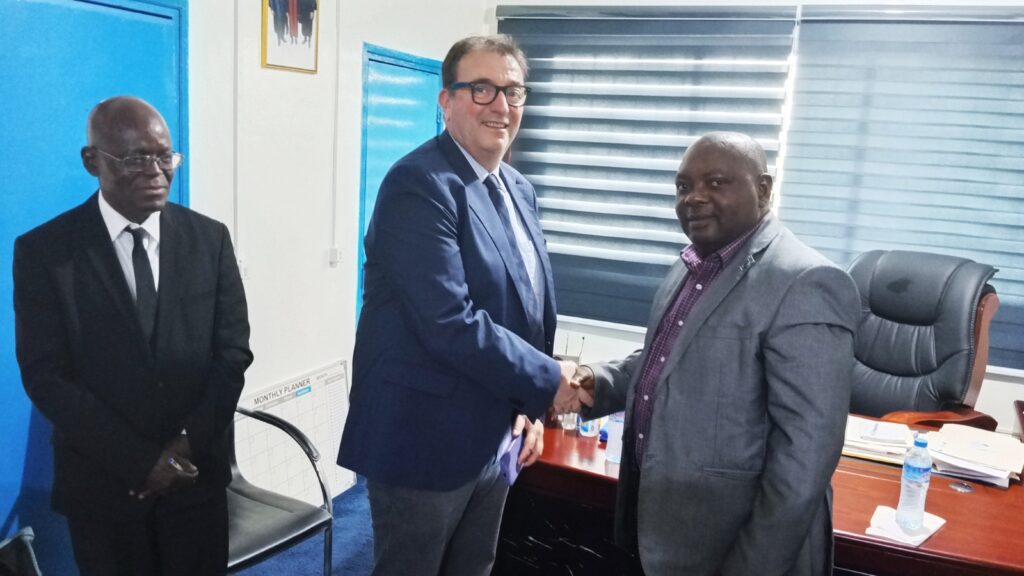
Meanwhile, members of the EU Election Follow-up Mission praised the Law Reform Commission for providing detailed insight into Liberia’s ongoing electoral reform efforts.
The delegation acknowledged the challenges affecting Liberia’s electoral system but encouraged continued collaboration among the LRC, NEC, civil society organizations, development partners, and other stakeholders to ensure meaningful reforms are achieved.
The European Union has remained one of Liberia’s major international partners supporting democratic governance, elections, institutional strengthening, and rule of law initiatives over the years.
Political analysts say ongoing electoral reforms will likely play a critical role in shaping public confidence in Liberia’s democratic processes ahead of future elections.
Key reform proposals — particularly those involving campaign financing, diaspora voting, and the National Identification Registry — are expected to generate significant national debate as consultations continue.
Follow The Liberian Post on Facebook and X (formerly twitter).