-Former National Team Goalkeeper Challenges Long-Held Public Narrative as Football Legends Clash Over Liberia’s Sporting History
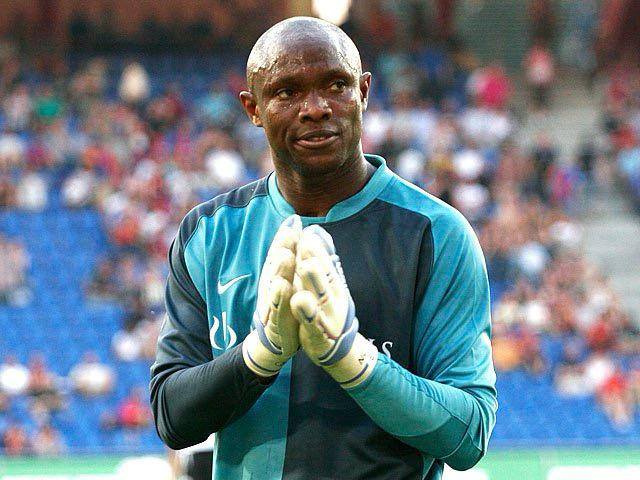
MONROVIA, Liberia – Former Lone Star goalkeeper Louis Crayton has sparked one of the most heated football debates currently sweeping across Liberian social media after publicly challenging widely held beliefs about former football icon and ex-President George Manneh Weah’s financial contributions to Liberia’s national football team during the early 2000s.
Crayton, who represented Liberia during the 2002 Africa Cup of Nations and FIFA World Cup qualifying campaigns, ignited the controversy with a Facebook post that has since generated thousands of reactions, comments, and shares among football fans, former players, sports administrators, and political commentators.
In his statement, Crayton argued that much of the financial support provided to the Lone Star during that period came from the government of former President Charles Ghankay Taylor, rather than solely from George Weah as many Liberians have long believed.
“Don’t be fooled,” Crayton wrote.
“Every jersey we wore during the 2002 World Cup and African Cup of Nations qualifiers was paid for by the Charles Taylor government. Every time we stayed at Kings Lodge on 9th Street was paid for by the Charles Taylor government. Every food we ate was paid for by the Charles Taylor government.”
The former goalkeeper further claimed that foreign-based players received US$5,000 each during national team assignments, while Weah allegedly received US$10,000 whenever he joined the team in his role as Technical Director.
“These are factual evidences by me and any player on that team, including Edwin Snowe,” Crayton added.
His comments immediately reopened a longstanding national conversation about the financing of the Lone Star during one of the most memorable periods in Liberia’s football history.
Social Media Erupts
Within hours of the post, Facebook discussion forums and sports platforms across Liberia were flooded with competing narratives regarding Weah’s role in sustaining the national team during years marked by civil conflict, economic hardship, and international isolation.
Supporters of the former Ballon d’Or winner accused Crayton of attempting to rewrite history and diminish the sacrifices many believe Weah made to keep the national team afloat during difficult times.
Others welcomed the comments, arguing that the public narrative surrounding Liberia’s football history has often overlooked the contributions of government institutions, football administrators, sponsors, and other stakeholders who supported the national team.
Several commentators suggested that both Weah and the Taylor administration may have contributed significantly to the team’s operations and that history should recognize the roles played by all parties.
Laffor Rallies Behind Weah
As the debate intensified, former Lone Star captain Anthony Laffor publicly came to George Weah’s defense, arguing that the former football superstar has already done more than enough for Liberian football and should not be unfairly criticized.
In a Facebook post that quickly gained traction among football fans, Laffor dismissed attempts to downplay Weah’s contribution to the national team and the development of football in Liberia.
“Only one king and the greatest of all,” Laffor wrote.
“You can disrespect him and call him names, but in my opinion he has done well for football. He was never a Sports Minister or LFA President.”
The former Mamelodi Sundowns and Lone Star star reminded Liberians that Weah provided support to numerous players throughout his illustrious football career.
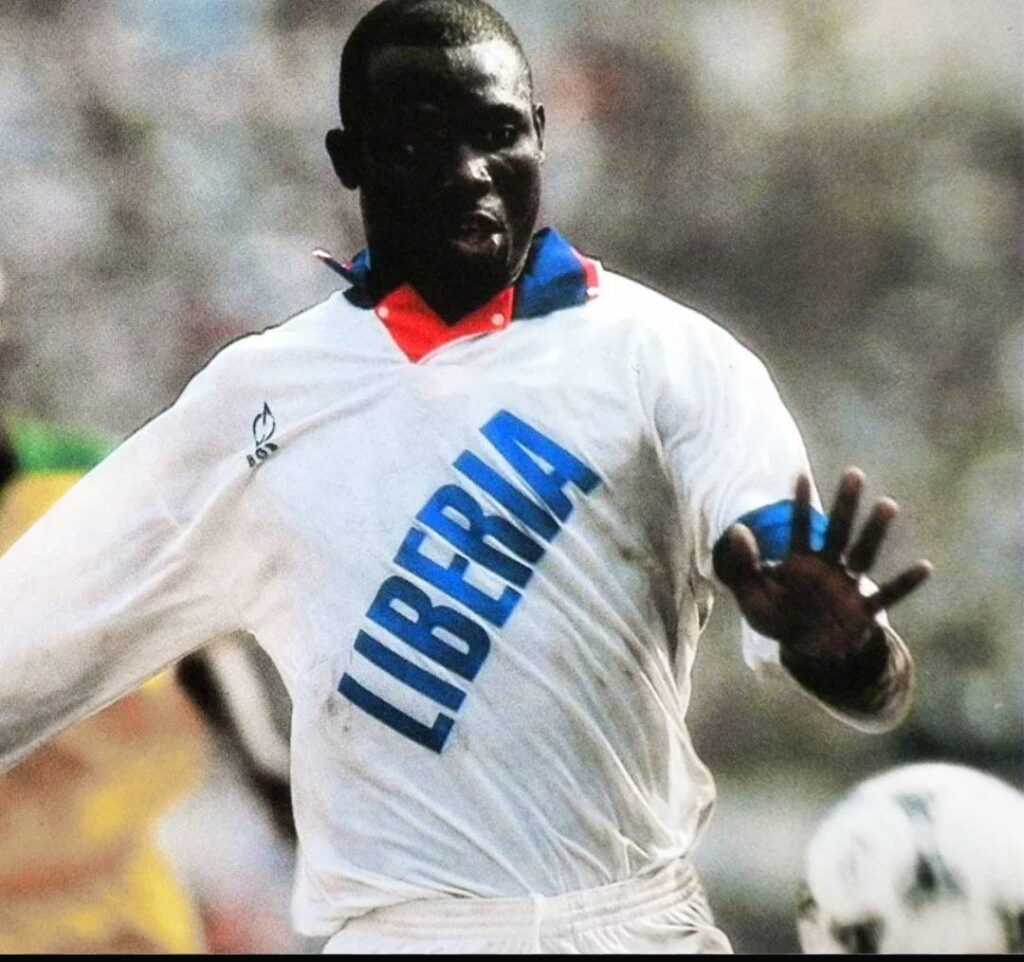
“In his playing days he helped a lot of Liberians, including me, Ben Teekloh and others,” Laffor stated.
Laffor also argued that expectations placed on Weah after he became President were often misplaced.
“He was the President for Liberia, not for football,” he wrote.
Questioning the timing of the criticism now emerging from some former players, Laffor added:
“And to those former players that played on the famous Weah 11 that have issues with him since 2002, why only now?”
His intervention further energized the debate, with many football fans citing his remarks as evidence that numerous former players continue to recognize Weah’s contributions to Liberian football both on and off the pitch.
Revisiting a Historic Era
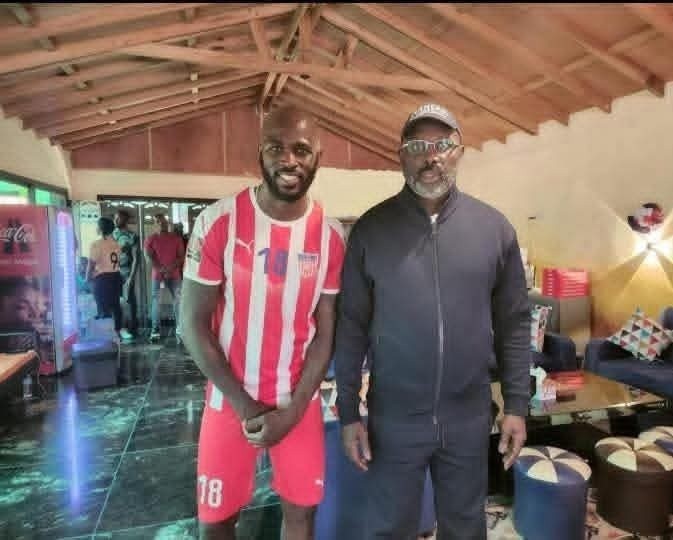
The controversy has reopened public discussion about one of the most emotional and celebrated periods in Liberia’s football history.
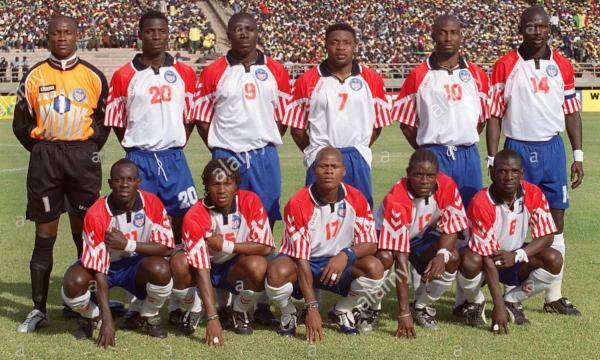
The Lone Star’s qualification campaign for the 2002 FIFA World Cup remains the closest Liberia has ever come to reaching football’s biggest stage.
Led by George Weah and a talented generation of players, Liberia narrowly missed qualification after finishing just one point behind Nigeria in the final standings.
That same generation also secured qualification to the 2002 Africa Cup of Nations, only Liberia’s second appearance at the continental tournament.
At the time, the country was grappling with political instability and economic challenges, making football one of the few sources of national unity and pride.
Because of those circumstances, George Weah’s role evolved beyond that of a player. To many Liberians, he became both the face and driving force of the national team.
Competing Narratives
Historical accounts and international football reports have documented Weah’s extensive involvement with the national team over the years, including reports that he personally financed travel, accommodation, and logistical support during periods of financial difficulty.
Weah himself has often spoken publicly about sacrifices he made to help keep the national team competitive.
Crayton’s remarks, however, challenge what he views as an oversimplified narrative that credits one individual for nearly every aspect of the team’s operations.
The debate has also highlighted a broader question about how Liberia remembers and records its sporting history.
Former Teammates Yet to Weigh In
As the discussion continues, many football followers are awaiting responses from other members of the celebrated 2002 Lone Star squad, former football officials, and individuals who were directly involved with the national team during that period.
The mention of former football administrator and politician Edwin Snowe in Crayton’s statement has fueled speculation that additional voices could soon join the conversation.
For now, the debate remains one of the most talked-about topics in Liberian sports circles.
What began as a Facebook post has evolved into a wider national discussion about football, legacy, politics, and the individuals who helped shape one of the most memorable chapters in Liberia’s sporting history.
Whether the controversy ultimately changes public perceptions or simply reinforces existing views, one thing is certain: Louis Crayton’s comments have reopened a passionate conversation about the legacy of George Weah and the famous Lone Star generation that came within touching distance of football history.
Follow The Liberian Post on Facebook and X (formerly twitter).