-Nigerian Cleric’s Latest Prophecy Sparks Fierce Debate as Supporters and Critics Clash Over Liberia’s Future
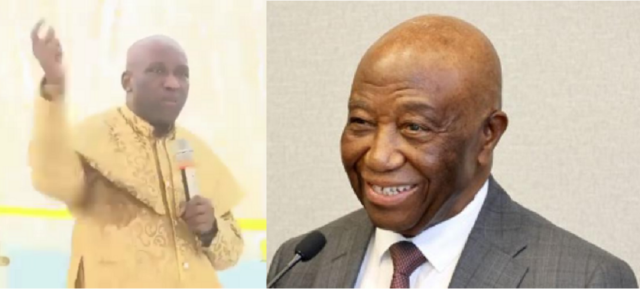
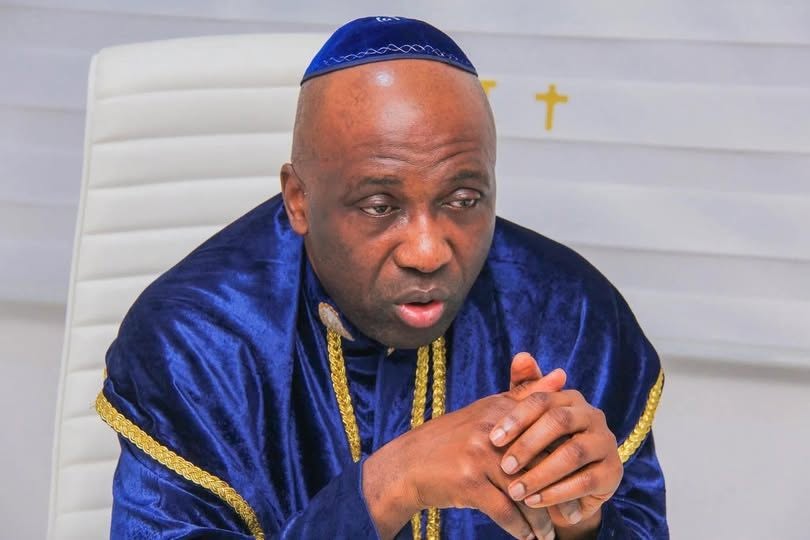
MONROVIA – Controversial Nigerian televangelist and leader of the INRI Evangelical Spiritual Church, Primate Elijah Ayodele, has once again thrust himself into Liberia’s political spotlight after launching a fresh attack on President Joseph Nyuma Boakai and predicting more difficult times ahead for the country.
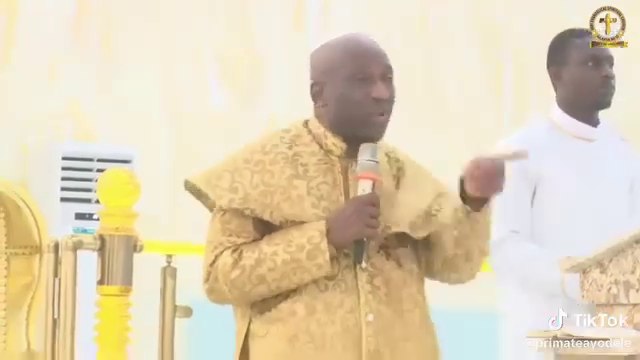
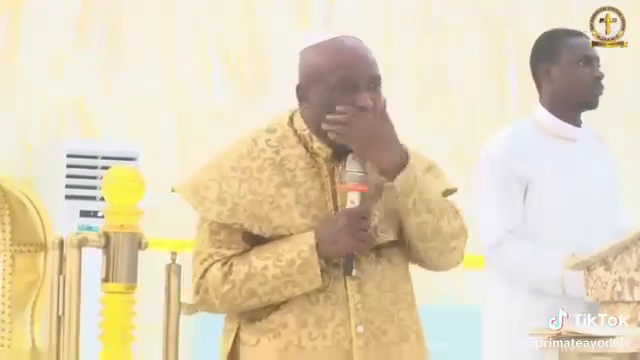
The remarks, delivered during a Sunday sermon in Nigeria, quickly spread across Liberian social media platforms, igniting a firestorm of reactions from government supporters, opposition sympathizers, religious observers, and ordinary citizens.
Ayodele’s latest comments have reopened old political wounds, revived questions about the credibility of prophetic declarations in politics, and reignited debate over Liberia’s economic direction under the Boakai administration.
Ayodele’s Latest Broadside
Speaking before his congregation, the outspoken Nigerian cleric painted a bleak picture of Liberia’s future, linking the country’s economic and governance challenges directly to President Boakai’s leadership.
“Liberia, your President is confused, so the economy of the country is confused, and everything about the country is confused,” Ayodele declared.
The preacher further suggested that Liberians would continue to experience hardship and disappointment under the current administration, remarks that quickly found their way onto Facebook pages, WhatsApp platforms, and online discussion forums across the country.
Within hours, excerpts of the sermon had gone viral, triggering hundreds of comments and reactions.
For supporters of the government, the comments were viewed as unfair and politically motivated. For critics of the administration, however, the remarks echoed concerns about economic difficulties facing many Liberians.
A Familiar Voice in Liberian Politics
Ayodele is no stranger to controversy in Liberia.
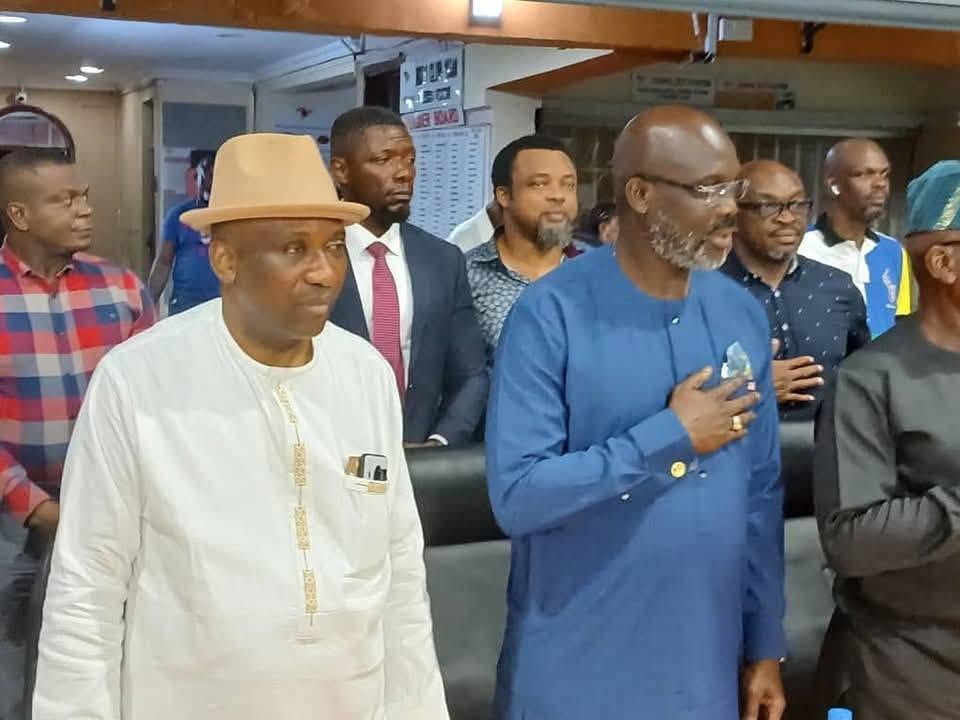
The Nigerian cleric became a widely discussed figure during the 2023 presidential elections when he repeatedly predicted that former President George Manneh Weah would secure a second term in office.
Those predictions ultimately failed to materialize after Joseph Nyuma Boakai emerged victorious in the runoff election and became Liberia’s 26th President.
Since then, Ayodele has continued issuing forecasts and warnings about Liberia’s political and economic future, often attracting widespread media attention and social media debate.
His latest comments have once again placed him at the center of national discourse.
For many Liberians, the preacher’s failed prediction regarding the 2023 election remains a key reason to question his latest forecast.
Others, however, insist that spiritual messages should not be judged solely by electoral outcomes and argue that prophetic warnings deserve consideration regardless of political affiliation.
Boakai Supporters Fire Back
Among the strongest reactions to Ayodele’s latest remarks came from supporters of the ruling Unity Party.
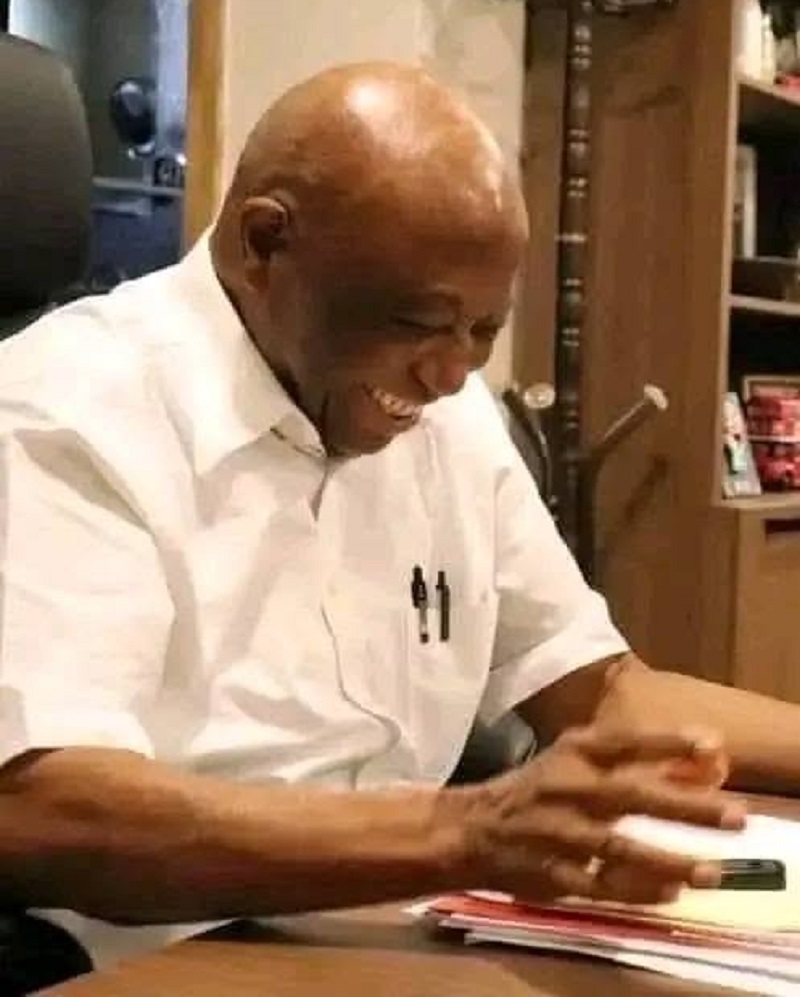
Prominent pro-Boakai commentator Varney Sackey launched a scathing attack on both the Nigerian cleric and former President George Weah in a Facebook post that quickly circulated online.
Sackey accused Ayodele of engaging in politically motivated attacks against the Boakai administration and alleged that the preacher’s comments were intended to advance opposition political interests.
“It is funny to think that paying a 419 Nigerian Bishop to give funny prophecies will help you come back to power,” Sackey wrote, directing his criticism at former President Weah.
The Unity Party supporter further argued that Liberians voted the former Coalition for Democratic Change (CDC) government out of office because they were dissatisfied with its leadership and governance record.
“We gave you a country to run; instead of being serious, you played around and destroyed our country both nationally and internationally,” he stated.
Sackey also dismissed attempts to use religion as a political tool, insisting that Liberians would not be swayed by prophetic declarations aimed at influencing public opinion.
“While it is true that we Liberians love God, you and your 419 Bishop will never use the name of God to fool us,” he wrote.
His comments generated significant engagement online and reflected the growing frustration among some government supporters over Ayodele’s repeated references to Liberia.
Old Criticisms Resurface
The controversy has also revived memories of previous reactions from prominent Liberians who publicly challenged Ayodele’s political predictions.
Montserrado County Senator Abraham Darius Dillon was among those who previously questioned the Nigerian cleric’s credibility after some of his forecasts concerning Liberia failed to materialize.
Other public commentators, including political activist J. Rufus Paul, have similarly urged Liberians to focus on democratic institutions, governance outcomes, and public accountability rather than relying on prophetic declarations to assess political leadership.
For critics of Ayodele, the central issue remains his unsuccessful prediction that George Weah would win reelection in 2023.
That failed forecast continues to be cited by skeptics whenever the Nigerian preacher comments on Liberian affairs.
Development Agenda Versus Dire Prophecies
Ayodele’s latest comments come at a time when the Boakai administration is attempting to highlight what it describes as significant achievements under its ARREST Agenda for Inclusive Development.
Only days ago, President Boakai commissioned Liberia’s largest solar energy project—a 20-megawatt solar power plant expected to strengthen electricity generation and improve power supply across parts of the country.
The administration has also pointed to ongoing infrastructure projects, governance reforms, anti-corruption initiatives, and Liberia’s recent election to a non-permanent seat on the United Nations Security Council as evidence of progress.
At the solar plant commissioning ceremony, President Boakai urged critics and political opponents to prepare themselves for more development achievements, remarks that generated widespread discussion both online and offline.
Supporters of the government argue that such developments contradict Ayodele’s gloomy assessment of the country’s direction.
Critics, meanwhile, maintain that many Liberians continue to struggle with rising living costs, unemployment, and economic hardship, concerns they believe deserve serious attention.
Religion and Politics Collide Again
Political observers say the latest controversy highlights the enduring influence of religion in Liberian public life and the growing role social media plays in amplifying political and prophetic messages.
Liberia remains one of Africa’s most religious societies, and statements by influential clergy—whether local or foreign—often generate significant public interest.
The episode also underscores the political polarization that continues to shape national conversations nearly three years after the 2023 elections.
As supporters of the ruling Unity Party and the opposition CDC continue to battle for public opinion online, Ayodele’s remarks have once again become a rallying point for both sides.
Whether his latest prediction proves prophetic or becomes another controversial footnote in Liberia’s political history remains uncertain.
What is clear, however, is that the Nigerian cleric has once again succeeded in reigniting a national conversation about leadership, governance, faith, and the future direction of Liberia.
Follow The Liberian Post on Facebook and X (formerly twitter).