–High-Level Legal-Legislative Dialogue to Examine Key Provisions of Landmark Accountability Legislation
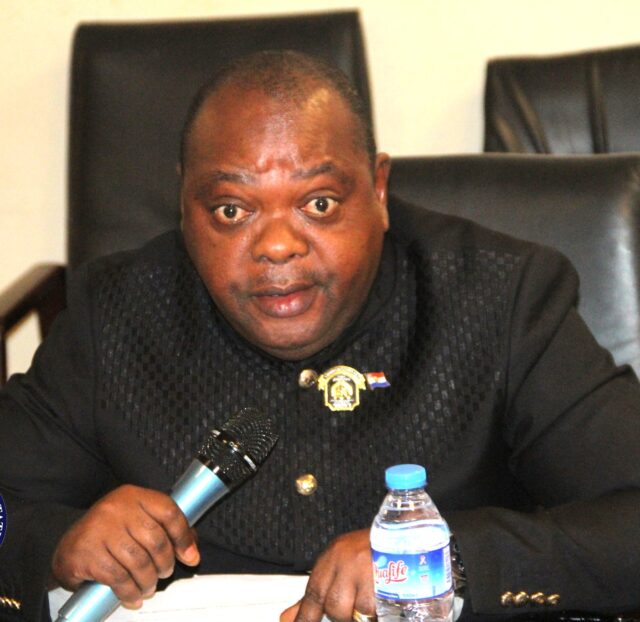
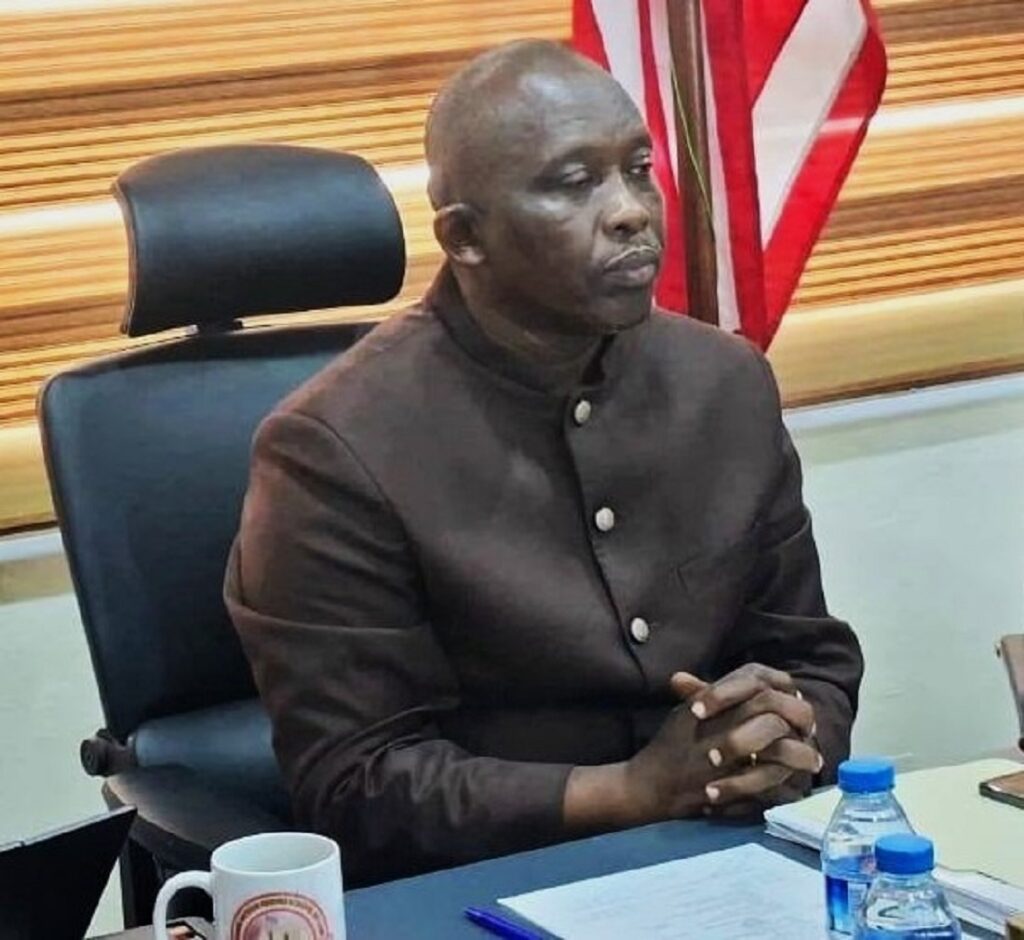
MONROVIA, Liberia – The Chairperson and Chief Executive Officer of the Law Reform Commission (LRC), Cllr. Bornor M. Varmah, is expected to lead a high-level technical review of the proposed War and Economic Crimes Court (WECC) Bill during a major legal-legislative dialogue scheduled to begin this weekend in Buchanan, Grand Bassa County.
The three-day engagement, organized by the Office for the Establishment of the War and Economic Crimes Court for Liberia (OWECC-L) under the leadership of Dr. Cllr. Jallah A. Barbu, will bring together lawmakers, legal experts, civil society representatives, and justice sector stakeholders to critically examine the draft legislation before it proceeds further through the legislative process.
OWECC-L has invited Cllr. Varmah to serve as lead facilitator for the technical review, a role expected to draw upon his extensive experience in legal reform, legislative drafting, constitutional law, and public policy.
The dialogue is scheduled to run from Thursday through Saturday and will focus on strengthening lawmakers’ understanding of the legal, constitutional, and institutional implications of establishing both the War and Economic Crimes Court (WECC) and the proposed National Anti-Corruption Court (NACC).
Landmark Justice Initiative
The review comes at a pivotal moment in Liberia’s ongoing efforts to address issues of accountability, transitional justice, and corruption.
Earlier this year, President Joseph Nyuma Boakai, Sr. formally submitted draft legislation to the National Legislature seeking the establishment of both the War and Economic Crimes Court and the National Anti-Corruption Court.
The move was widely hailed by victims’ groups, civil society organizations, human rights advocates, and international partners as a major step toward implementing longstanding recommendations arising from Liberia’s Truth and Reconciliation Commission (TRC) process.
Supporters argue that the proposed courts could help address serious crimes committed during Liberia’s civil conflicts, which spanned from 1979 to 2003, while also strengthening efforts to combat corruption and reinforce public confidence in the rule of law.
Deep Dive into the WECC Bill
According to organizers, the session titled “Technical Review of the WECC Bill” will provide participants with an opportunity to conduct an in-depth examination of the proposed law and its implications for Liberia’s justice system.
The dialogue is expected to explore key provisions relating to the court’s jurisdiction, legal framework, prosecutorial authority, funding mechanisms, constitutional compatibility, and operational structure.
As lead facilitator, Cllr. Varmah is expected to guide discussions and provide technical analysis aimed at helping lawmakers better understand the complexities of the legislation.
Observers say his participation is particularly significant given the Law Reform Commission’s statutory mandate to review, modernize, and strengthen Liberia’s legal framework.
Lawmakers to Play Central Role
The review will bring together members of several key legislative committees, including the Senate Committees on Judiciary, Human Rights, Claims and Petitions; Ways, Means, Finance and Budget; and Defense, Security and Intelligence, as well as the House Committee on Judiciary.
These committees are expected to play a critical role in scrutinizing the bills, conducting hearings, and making recommendations before any final legislative action is taken.
Organizers believe the technical working session will provide lawmakers with a dedicated platform to engage legal experts, seek clarification on complex provisions, and strengthen their understanding of the proposed courts before deliberations proceed.
According to OWECC-L, informed legislative engagement is essential to ensuring that the final laws are constitutionally sound, legally robust, and capable of achieving their intended objectives.
Broad Stakeholder Participation
Beyond lawmakers, the Buchanan dialogue will also include representatives from the Liberian National Bar Association (LNBA), the Association of Female Lawyers of Liberia (AFELL), civil society organizations, legal practitioners, transitional justice advocates, and technical staff from OWECC-L.

Participants are expected to discuss comparative international experiences, lessons from other post-conflict societies, and best practices for establishing accountability mechanisms that promote justice while strengthening national reconciliation.
The gathering is also expected to provide an opportunity for stakeholders to address concerns and recommendations regarding the proposed courts before the legislation reaches its final stages in the Legislature.
Advancing Accountability and Rule of Law
Organizers say the dialogue reflects Liberia’s continuing commitment to strengthening democratic governance, accountability, and respect for the rule of law.
The establishment of a War and Economic Crimes Court has been one of the most debated issues in Liberia’s post-war history, with advocates arguing that accountability for wartime atrocities and economic crimes is essential to preventing future abuses and consolidating peace.
The proposed National Anti-Corruption Court, meanwhile, is intended to strengthen the country’s capacity to prosecute corruption-related offenses and improve public sector accountability.
As deliberations begin in Buchanan, many stakeholders view the dialogue as an important milestone in Liberia’s evolving justice journey and a critical opportunity to shape the legal foundations of two potentially transformative institutions.
Follow The Liberian Post on Facebook (https://web.facebook.com/profile.php?id=61576017166570) and X, formerly twitter (https://x.com/LiberianPost).