-Liberia Participates in Global Environmental Governance Training Focused on Sustainable Mineral Management and Clean Energy Transition
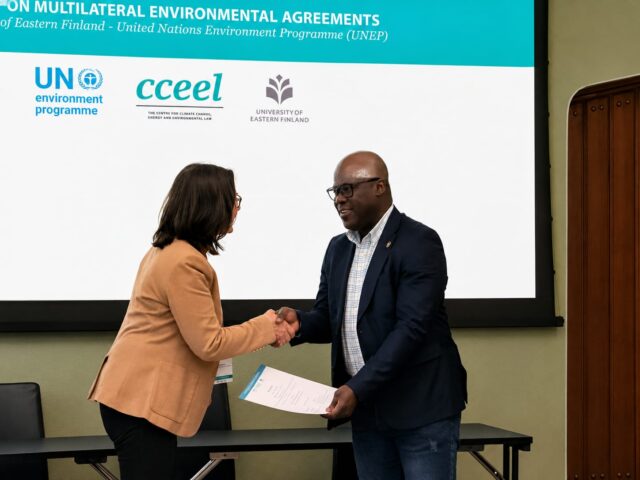
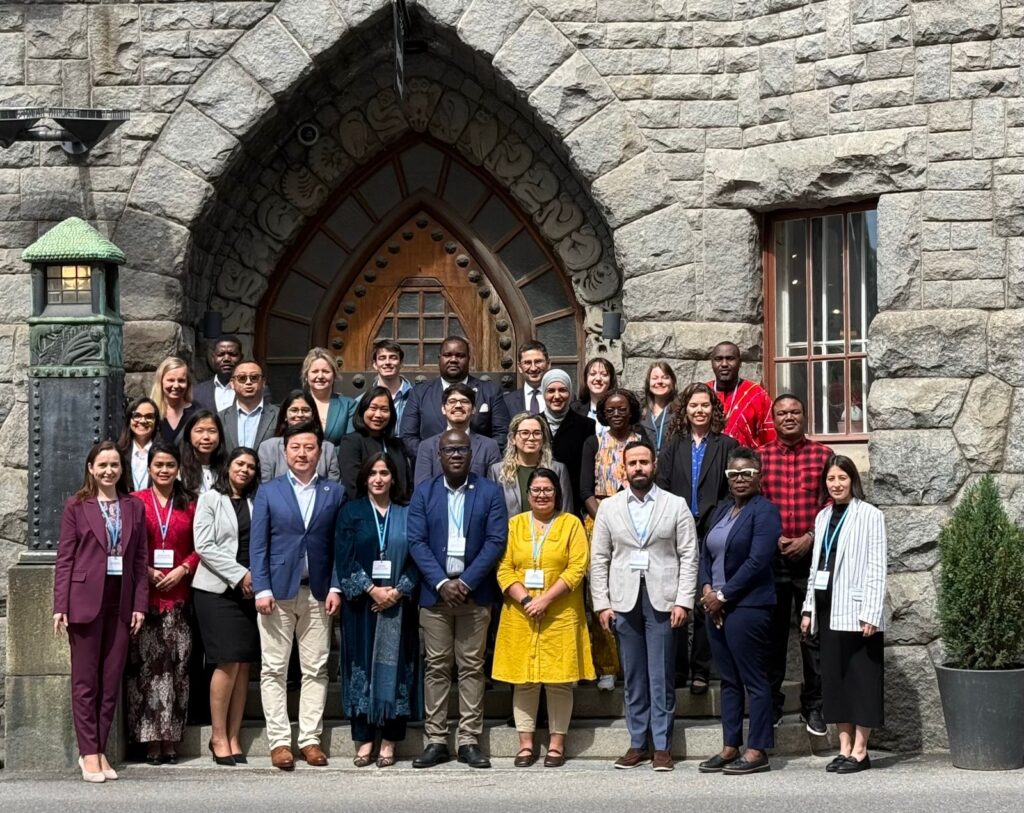
HELSINKI, Finland – The 20th edition of the University of Eastern Finland (UEF) and United Nations Environment Programme (UNEP) Course on Multilateral Environmental Agreements (MEAs), with a special focus on Critical Energy Transition Minerals, has successfully concluded in Helsinki, Finland.
The ten-day international training program, held from June 1–10, 2026, at the Home Hotel Jugend, brought together 25 participants from around the world, including environmental professionals, diplomats, climate scientists, researchers, policymakers, legal experts, and government officials engaged in environmental governance and sustainable development.
The course served as an important platform for dialogue, knowledge sharing, and capacity building on the governance of critical minerals and their growing importance in advancing the global transition to clean and renewable energy while safeguarding environmental sustainability.
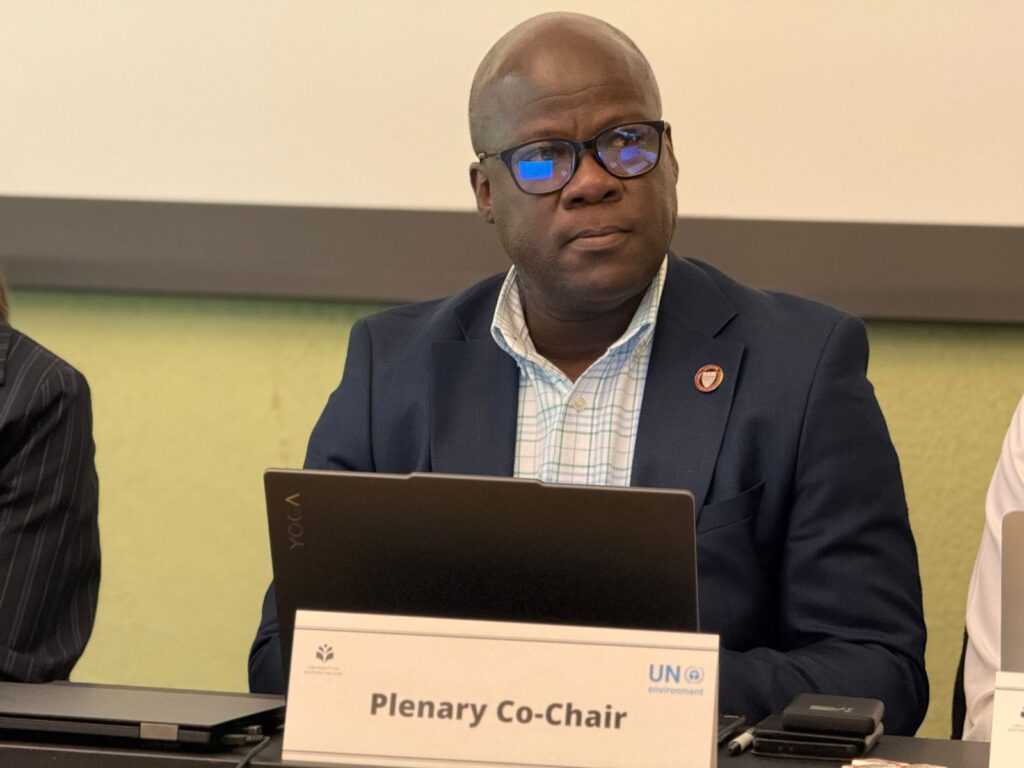
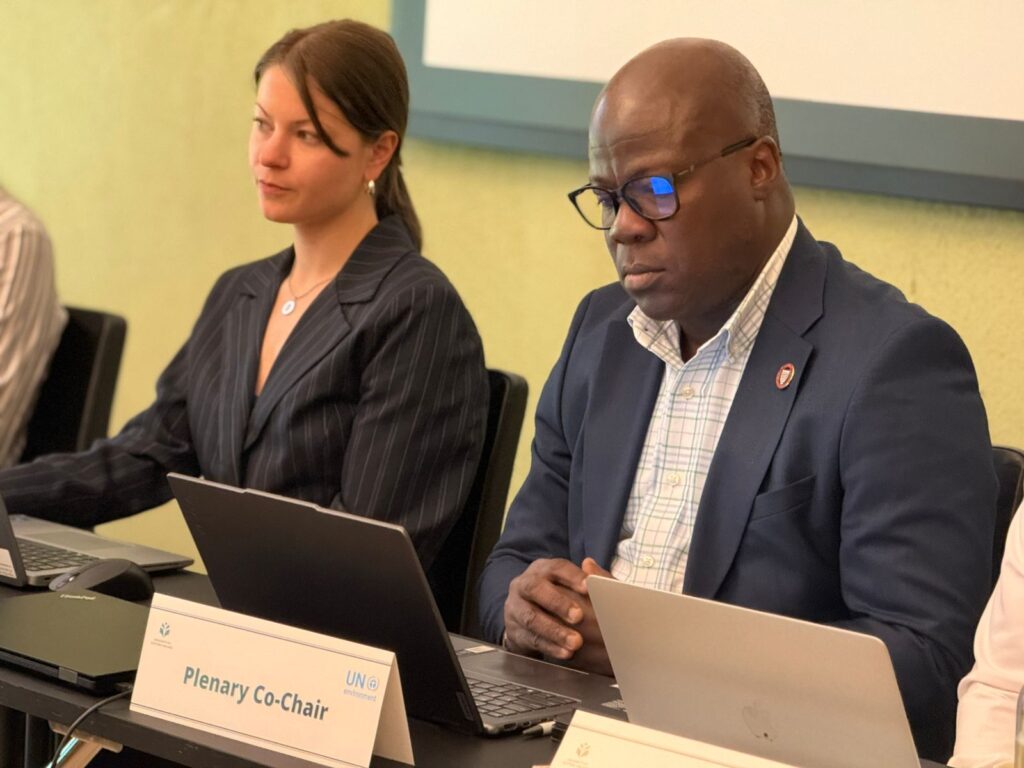
Representing Liberia at the prestigious program was Arthur R.M. Becker, Director of the Department of Multilateral Environmental Agreements, who joined experts and practitioners from various countries to explore emerging environmental challenges and opportunities associated with critical mineral resources.
Focus on Critical Minerals and the Green Transition
The 2026 course placed particular emphasis on critical energy transition minerals—such as lithium, cobalt, nickel, graphite, and rare earth elements—which are increasingly essential for renewable energy technologies, electric vehicles, battery storage systems, and other clean energy infrastructure.
Participants examined the environmental, social, legal, and governance challenges associated with the extraction, processing, transportation, and utilization of these minerals, which are expected to play a central role in achieving global climate goals.
Discussions also explored how countries can balance the growing demand for critical minerals with environmental protection, responsible resource management, and community well-being.
Strengthening Environmental Governance
A key objective of the course was to enhance participants’ understanding of Multilateral Environmental Agreements and their implementation at national, regional, and international levels.
The program examined the role of international environmental treaties in addressing climate change, biodiversity loss, pollution, natural resource management, and sustainable development.
Participants also explored practical approaches to strengthening environmental governance systems and improving compliance with international environmental obligations.
Organizers emphasized that effective implementation of environmental agreements remains critical to addressing the complex environmental challenges facing countries around the world.
Building Capacity for Sustainable Resource Management
The training sought to strengthen institutional and professional capacity among participants by equipping them with the knowledge and tools required to negotiate, implement, and enforce environmental agreements related to natural resources, climate action, and sustainable development.
Particular attention was given to promoting sustainable and responsible management of critical mineral resources through sound environmental policies, effective regulation, and enhanced international cooperation.
The course also highlighted the importance of integrating environmental, economic, and social considerations into decision-making processes governing the critical minerals sector.
Promoting International Cooperation
Another major objective of the program was to foster networking and collaboration among environmental professionals, policymakers, diplomats, researchers, and legal experts from different regions of the world.
Through interactive discussions, case studies, and collaborative learning sessions, participants exchanged experiences and shared best practices on addressing environmental challenges associated with resource extraction and the global energy transition.
Organizers noted that international cooperation remains essential for ensuring that the benefits of critical mineral development are realized in a manner that is environmentally sustainable, socially responsible, and economically inclusive.
Relevance for Liberia
Liberia’s participation in the course comes at a time when natural resource governance, environmental sustainability, and climate resilience continue to feature prominently in national development discussions.
As global demand for critical minerals increases, experts say countries rich in natural resources must strengthen environmental safeguards and governance frameworks to ensure that resource development contributes to sustainable economic growth while minimizing environmental and social impacts.
The knowledge gained from the program is expected to support Liberia’s ongoing efforts to implement international environmental agreements and strengthen its capacity to address emerging environmental and resource management challenges.
Advancing a Sustainable Future
The successful conclusion of the course reaffirmed the importance of international collaboration in addressing evolving environmental concerns and managing the growing demand for critical energy transition minerals.
Participants left the program with renewed commitments to promoting responsible environmental governance, strengthening institutional capacity, and advancing sustainable development practices in their respective countries.
Organizers emphasized that achieving a just and environmentally responsible global transition to clean energy will require continued cooperation among governments, international organizations, researchers, civil society, and the private sector.
As the world accelerates efforts to combat climate change and expand renewable energy systems, the responsible management of critical minerals is expected to remain at the center of global environmental and development discussions for years to come.
Follow The Liberian Post on Facebook (https://web.facebook.com/profile.php?id=61576017166570) and X, formerly twitter (https://x.com/LiberianPost).