-Controversial Reapportionment Measure Heads to Senate as Lawmakers Say Population Growth Demands Greater Representation While Critics Warn of Political and Financial Implications
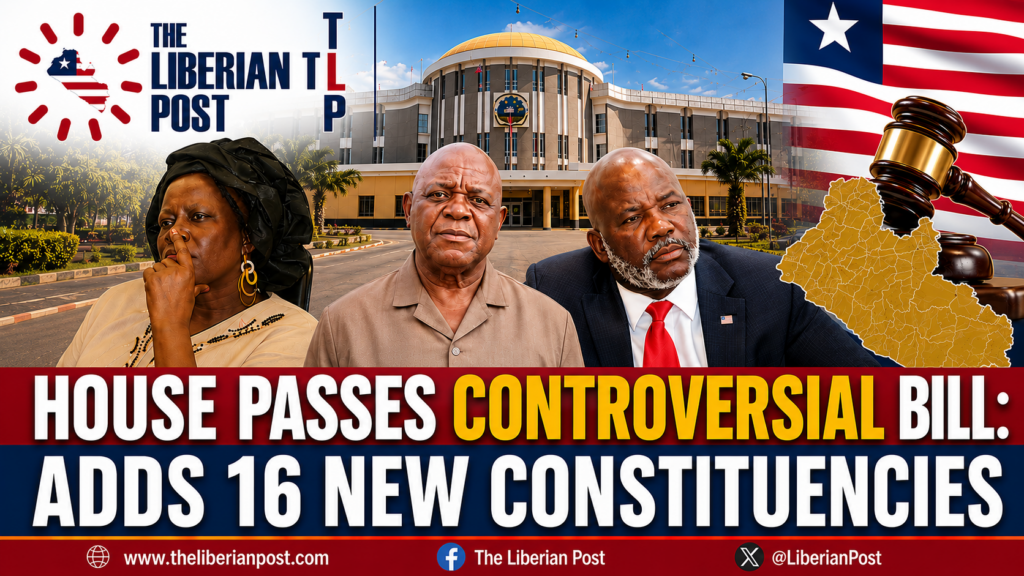
MONROVIA – Liberia’s House of Representatives has passed a landmark reapportionment bill seeking to increase the number of electoral constituencies from 73 to 89, setting the stage for one of the most significant changes to the country’s legislative map since the adoption of the 1986 Constitution.
The bill, approved during plenary after months of deliberation, will now be transmitted to the Liberian Senate for concurrence. If passed by the Senate and subsequently signed into law by President Joseph Nyuma Boakai, the measure would create 16 additional electoral districts, expanding representation in the House of Representatives ahead of future elections.
Supporters of the legislation argue that the proposal is a constitutional response to Liberia’s changing population dynamics, saying several existing electoral districts have grown significantly since the country’s last nationwide census, leaving some lawmakers representing substantially larger populations than others.
They contend that creating additional constituencies would promote fairer representation by bringing electoral districts closer to the constitutional principle that constituencies should have approximately equal populations. Article 80 of the Constitution provides for periodic reapportionment following a national census, with the Legislature authorized to prescribe constituency sizes while the total number of House seats cannot exceed 100.
A Major Political Reform
The proposed expansion represents one of the most consequential electoral reforms currently before the Legislature.
Liberia presently has 73 members in the House of Representatives. If enacted, the bill would increase that number to 89, leaving room for up to 11 additional seats under the constitutional ceiling of 100 representatives.
Although proponents describe the measure as necessary to ensure equitable representation, the proposal has already generated considerable public debate both inside and outside the Legislature.
Political observers note that altering constituency boundaries can significantly influence electoral competition, political representation and the distribution of national resources.
Questions have also emerged regarding the financial implications of adding 16 new legislative seats, including increased expenditures for salaries, operational budgets, constituency offices and legislative support services.
Supporters, however, argue that representative democracy should not be measured solely by cost but by the constitutional obligation to ensure citizens are fairly represented regardless of where they live.

Population Growth Driving Reapportionment
The reapportionment initiative follows recommendations stemming from Liberia’s most recent population data, which indicated demographic shifts across several counties.
Rapid population growth in parts of Montserrado, Margibi, Bong, Nimba and other counties has resulted in some constituencies containing significantly larger populations than others, creating disparities in representation.
Electoral experts have long argued that such imbalances weaken the constitutional principle of equal representation and underscore the need for periodic redistricting.
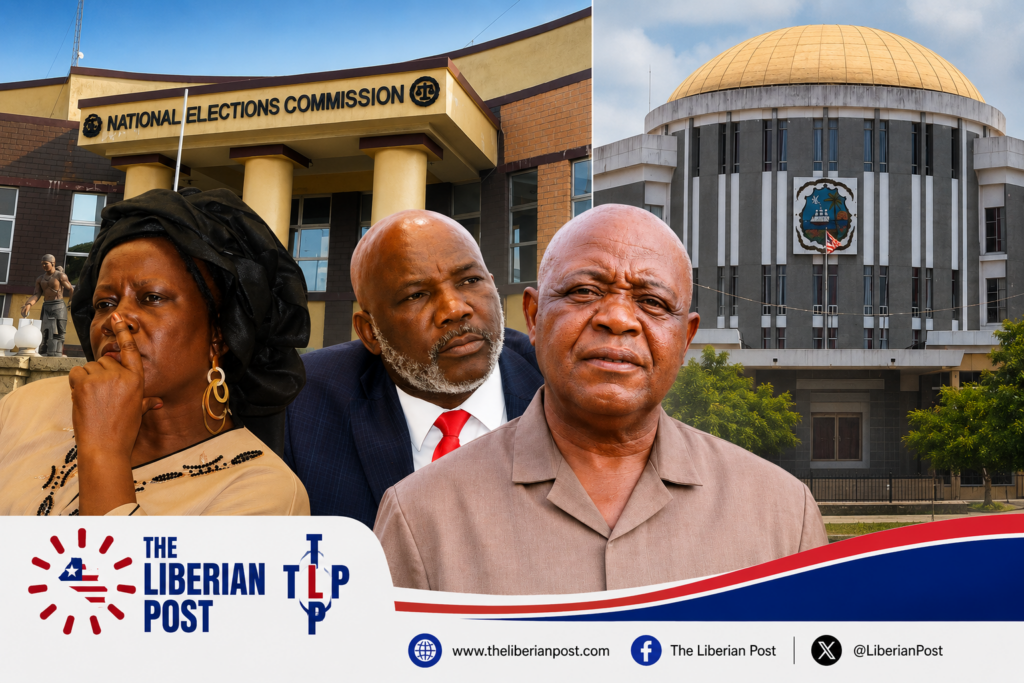
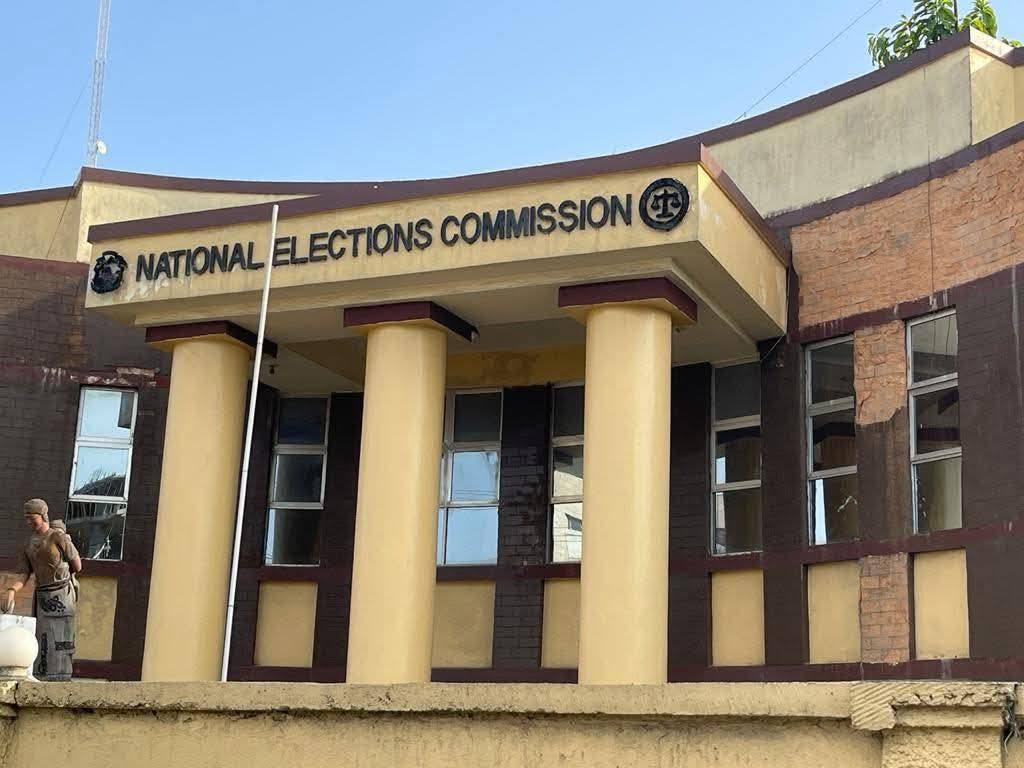
Under Liberia’s electoral framework, the National Elections Commission (NEC) is responsible for implementing constituency boundaries in accordance with constitutional and statutory requirements following legislative approval.
Senate Consideration Awaits
The legislation now faces its next major hurdle in the Liberian Senate.
Under Liberia’s bicameral legislative system, the measure cannot become law unless it is approved in identical form by both chambers before being submitted to the President for assent.
Should the Senate endorse the proposal, the NEC would eventually undertake the technical process of delineating the new constituency boundaries in accordance with population data and existing electoral regulations.
Analysts expect the Senate debate to attract intense scrutiny, particularly from political parties, civil society organizations and electoral reform advocates eager to examine how the proposed constituencies would be distributed among Liberia’s fifteen counties.
Debate Likely to Intensify
The reapportionment bill is expected to become one of the country’s most closely watched pieces of legislation in the months ahead.
Supporters see it as a long-overdue effort to align Liberia’s electoral map with demographic realities and strengthen representative democracy.
Critics, meanwhile, are likely to continue questioning the timing of the proposal, its fiscal implications and whether the creation of additional constituencies could alter the political balance ahead of the 2029 general elections.
As the legislation moves to the Senate, the debate is expected to extend well beyond Capitol Hill, touching on broader questions of constitutional governance, electoral fairness and how best to ensure that every Liberian enjoys equal representation in the nation’s highest lawmaking body.
For more credible, balanced and impactful news, analysis and special reports, follow The Liberian Post on Facebook (https://web.facebook.com/profile.php?id=61576017166570) and on X, formerly Twitter (https://x.com/LiberianPost).