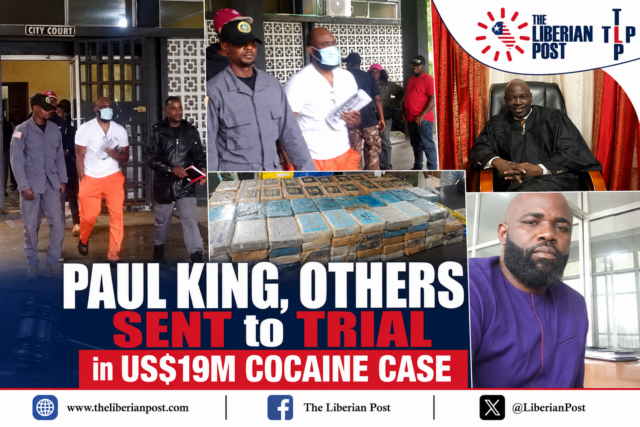
-Magistrate Finds Probable Cause, Says Evidence Points to Coordinated Scheme to Smuggle 237.6 Kilograms of Cocaine Through Roberts International Airport
MONROVIA – The Monrovia City Court has ordered Paul Jamaal King and several co-defendants to stand trial before Criminal Court “C” after finding probable cause that they allegedly participated in an attempted scheme to traffic 237.6 kilograms of cocaine valued at approximately US$19 million through Roberts International Airport (RIA).
The ruling, handed down Wednesday by Stipendiary Magistrate Ben Barco at the conclusion of a preliminary examination, marks a significant milestone in one of Liberia’s largest and most high-profile narcotics cases in recent years.
The defendants are now expected to face a full criminal trial before the First Judicial Circuit, Criminal Court “C”, where prosecutors will be required to prove their case beyond a reasonable doubt.
The indictment includes multiple counts under Liberia’s Drug Law of 2023 and the Penal Law, including Unlicensed Exportation of Controlled Drugs and Substances, Unlicensed Sale, Trading in and Transportation of Controlled Substances, Unlicensed Possession of Controlled Drugs or Substances, Illegal Trafficking, Criminal Conspiracy, Criminal Facilitation, and Criminal Solicitation.
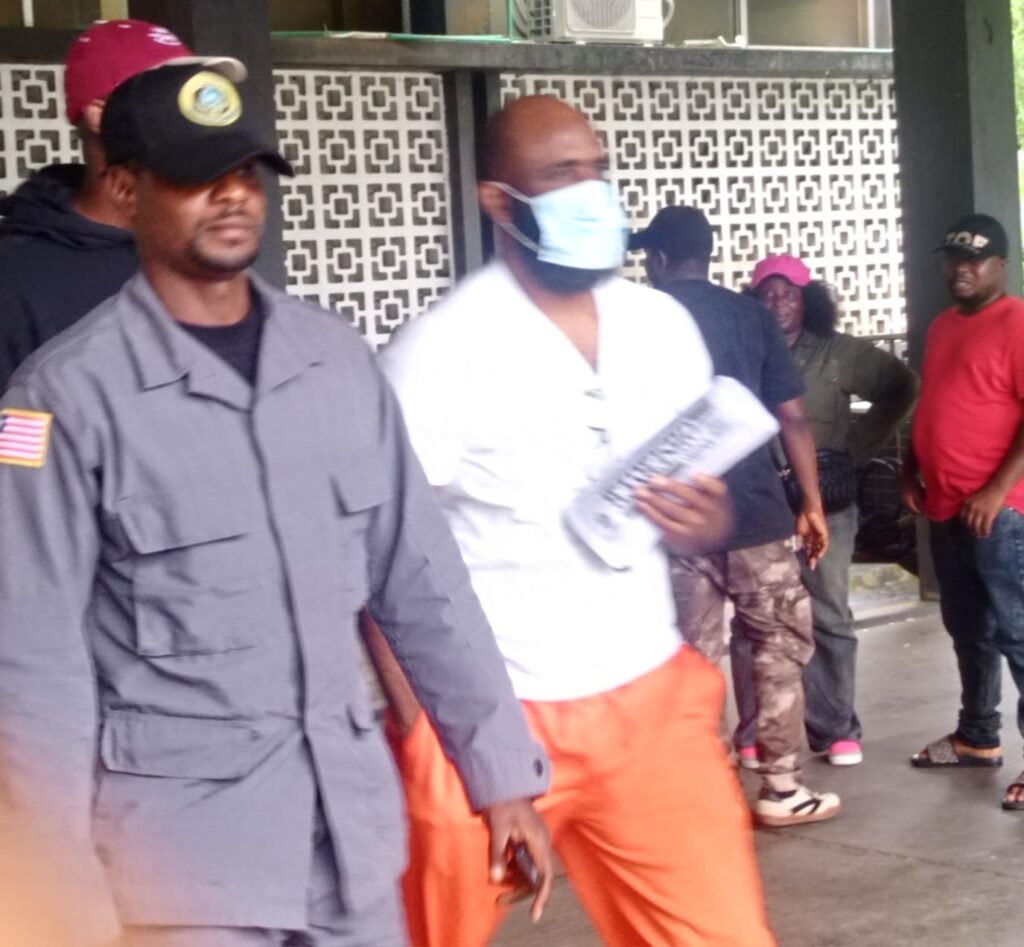
Court Finds Probable Cause
Delivering his ruling, Magistrate Barco held that prosecutors had met the legal threshold required at the preliminary examination stage by presenting sufficient evidence establishing probable cause against King and his associates.
“Wherefore and in view of the facts, applicable laws and analysis, it is the holding of this Court that the Prosecution has met its burden of establishing probable cause against Co-Defendant Paul Jamaal King and his associates,” the magistrate ruled.
He further concluded that the evidence presented during the proceedings pointed to what he described as “a coordinated scheme to traffic narcotics valued at US$19 million through Liberia’s airport system,” warranting that the accused be bound over for trial.
Magistrate Barco emphasized that the purpose of a preliminary examination is not to determine guilt or innocence, but to assess whether sufficient evidence exists for the matter to proceed to trial.
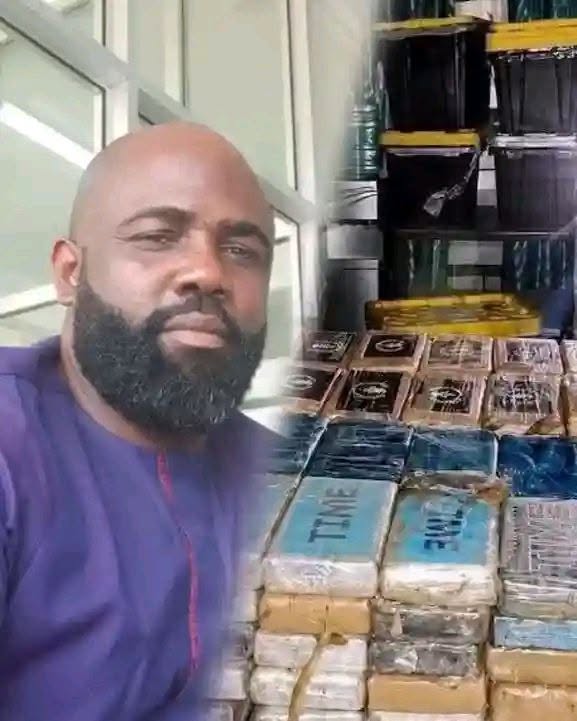
Prosecution Outlines Alleged Smuggling Scheme
According to prosecutors, the alleged trafficking operation occurred between June 5 and June 7, 2026, when the defendants allegedly conspired to export six boxes containing 237.6 kilograms of cocaine concealed beneath items declared on shipping documents as “Maggi cubes and lappers.”
Authorities alleged that the shipment was destined for the United Kingdom but was intercepted at Roberts International Airport after airport officials detected discrepancies during routine screening procedures.
The seizure has been described by law enforcement authorities as one of the largest cocaine interceptions ever recorded in Liberia.
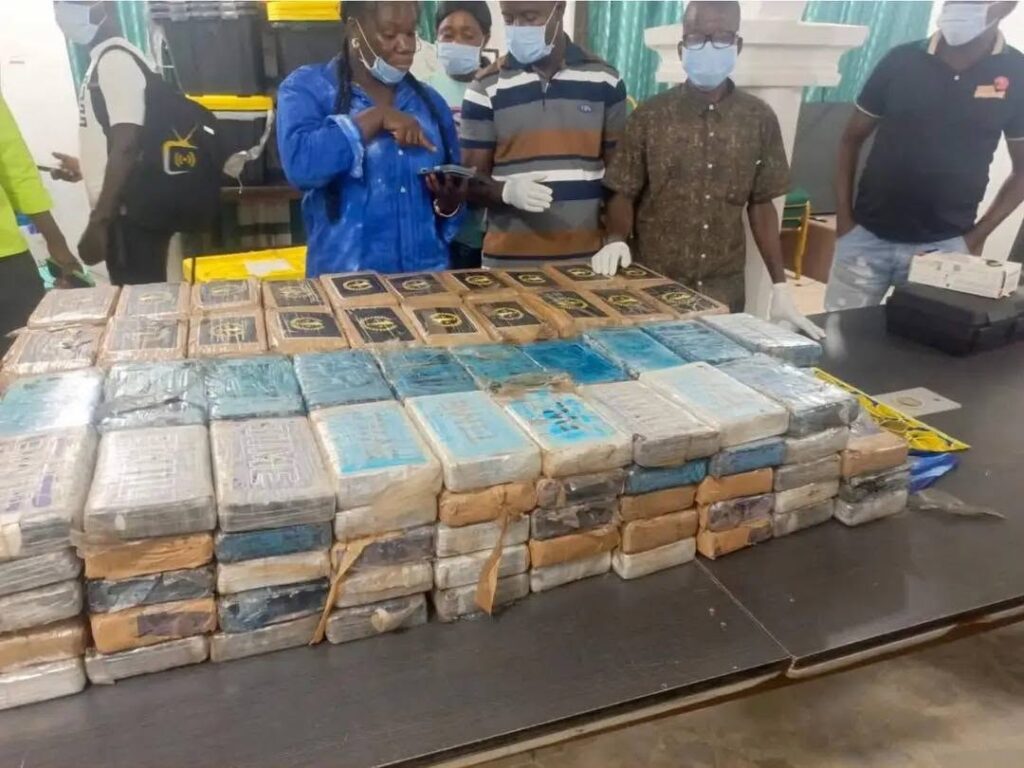
Investigators Detail Evidence
To support its case, the Ministry of Justice and the Liberia Drug Enforcement Agency (LDEA) presented testimony from Colonel Moses L. Meah, Chief Investigator of the LDEA, and Superintendent Joseph M. Kaiffa of the Liberia National Police’s Anti-Narcotics Unit.
Colonel Meah testified that investigators linked King—identified during the proceedings as Operations Manager of Global Logistics Services (GLS)—to the preparation of allegedly falsified shipping documentation and the movement of the six boxes to Roberts International Airport.
He further alleged that King attempted to facilitate the release of the shipment after airport authorities identified suspicious inconsistencies during the cargo screening process.
Superintendent Kaiffa told the court that investigators became suspicious after discovering discrepancies between the shipment’s declared weight and its actual weight.
According to his testimony, those discrepancies prompted a physical inspection that allegedly uncovered the concealed cocaine.
Kaiffa further testified that investigators traced the shipment to King’s residence and concluded that false information had been entered on the relevant airway bill.
During the preliminary examination, prosecutors introduced several pieces of documentary and physical evidence, including airway bills, receipts, witness statements, photographs of the seized cargo, the police charge sheet and samples of the suspected narcotics.
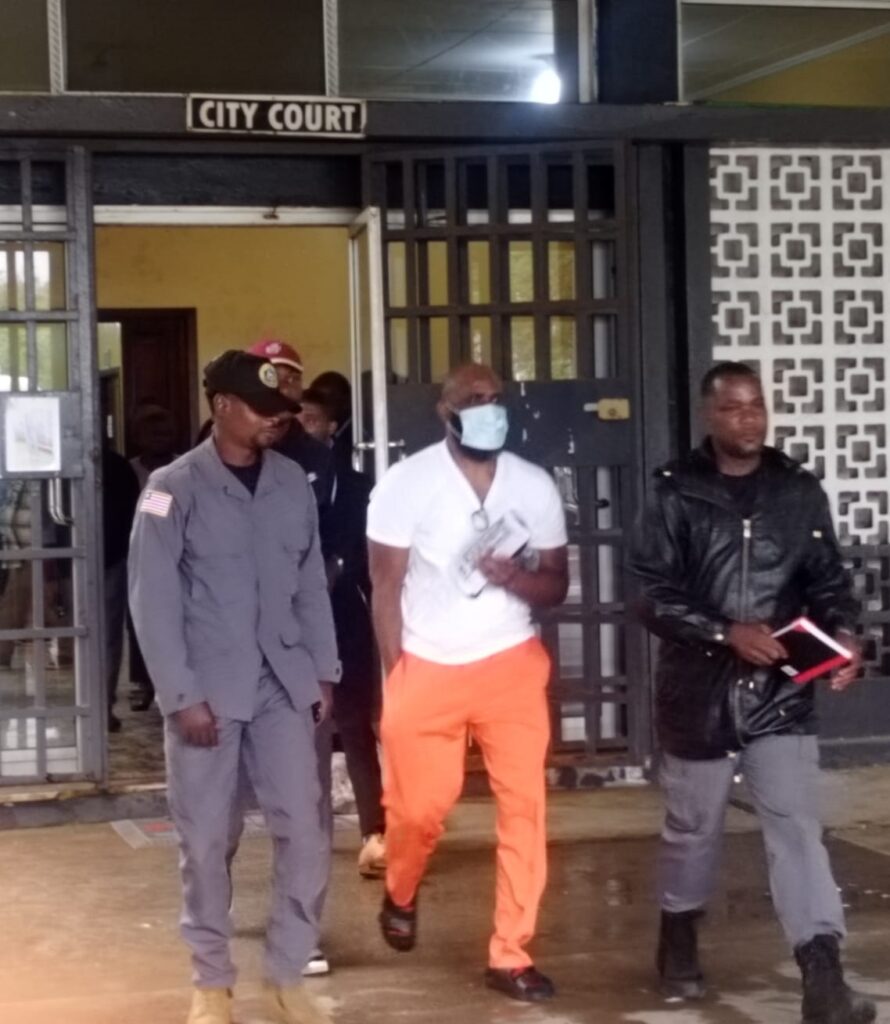
Defense Challenges Investigation
Lawyers representing the defendants challenged the prosecution’s evidence, questioning the manner in which the investigation was conducted and arguing that inconsistencies existed in the handling of evidence and aspects of the prosecution’s case.
Defense counsel also cited legal precedents from the United States in support of their arguments, contending that the prosecution had failed to establish sufficient grounds for the matter to proceed.
However, Magistrate Barco rejected those arguments for purposes of the preliminary examination, holding that they did not defeat the prosecution’s showing of probable cause.
He noted that issues concerning the credibility of witnesses, admissibility of evidence and the ultimate determination of guilt are matters to be fully examined during the trial before Criminal Court “C.”
Following the ruling, lawyers representing Paul King formally excepted to the court’s decision and announced their intention to pursue all legal remedies available under Liberian law.
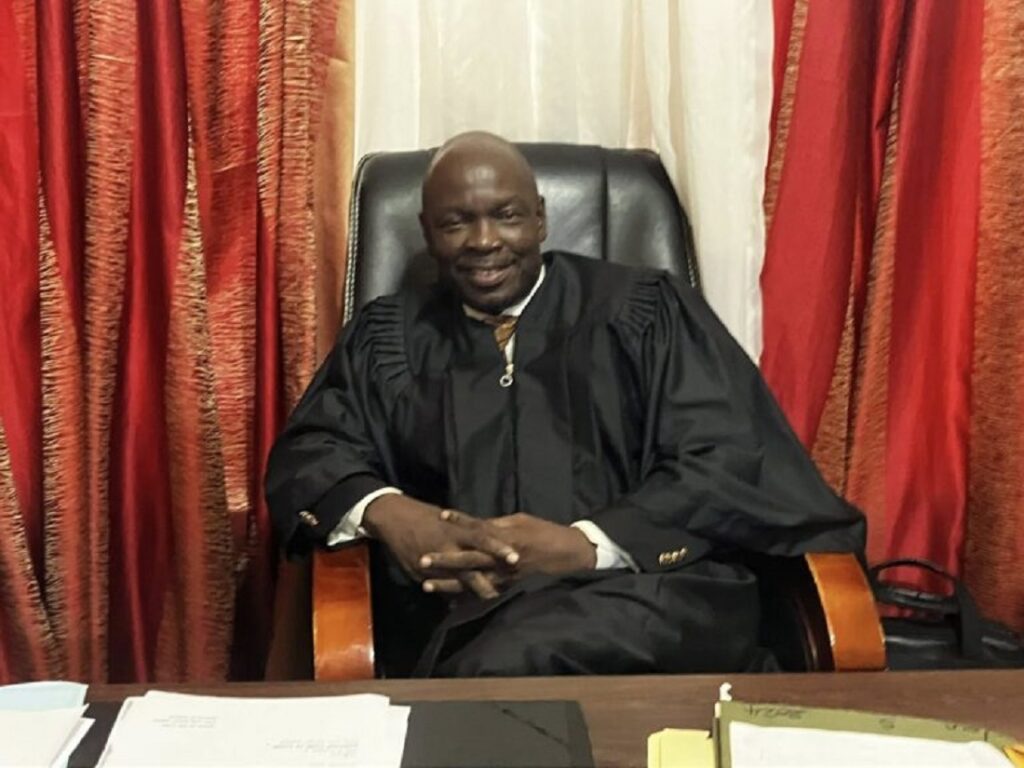
Case Draws National Attention
The case has attracted widespread public interest since authorities announced the seizure earlier this year, with the attempted export of the cocaine prompting renewed concerns over drug trafficking through Liberia’s principal international airport.
The interception triggered a multi-agency investigation involving the LDEA, the Ministry of Justice, airport security authorities and international partners.
The case has also dominated national political discourse after President Joseph Nyuma Boakai declared a zero-tolerance policy on narcotics trafficking, warning that no individual would be shielded from investigation or prosecution.
“We’re not going to… no matter who is involved, what position you hold, nobody will be spared,” President Boakai said following the seizure, describing drug trafficking as a serious threat to Liberia’s future and national security.
The government’s handling of the investigation has continued to draw close public scrutiny amid growing calls for stronger airport security, tighter cargo screening procedures and tougher enforcement against transnational organized crime.
With the preliminary examination now concluded, attention shifts to Criminal Court “C,” where prosecutors must prove the charges beyond a reasonable doubt in what is expected to be one of Liberia’s most closely watched criminal trials of the year.
For more credible, balanced and impactful news, analysis and special reports, follow The Liberian Post on Facebook (https://web.facebook.com/profile.php?id=61576017166570) and on X, formerly Twitter (https://x.com/LiberianPost).