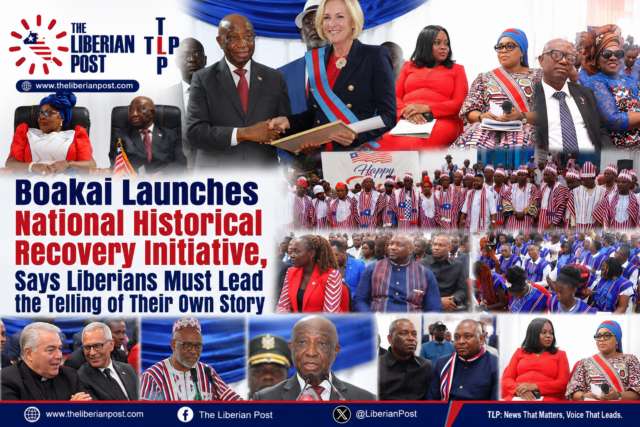
–President Announces Major Push to Reclaim Liberia’s Historical Records, Revitalize National Archives and Museum, and Revive National History Project as Country Marks 179th Independence Anniversary
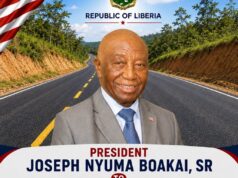
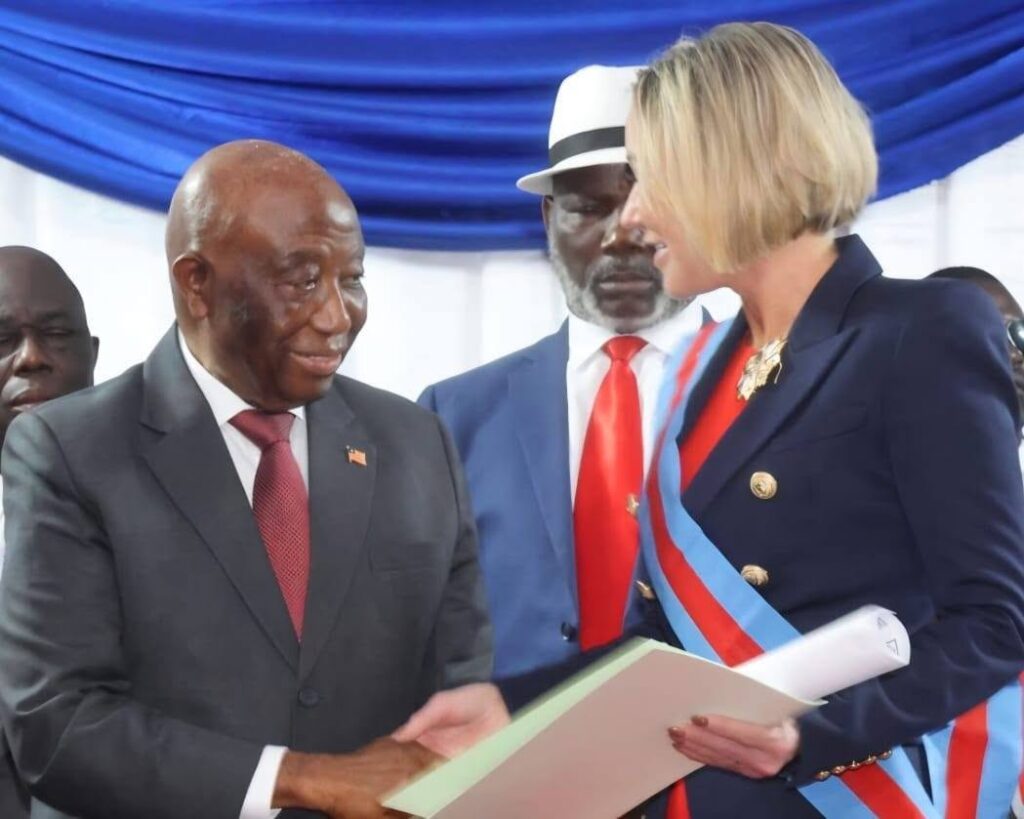
BUCHANAN, Grand Bassa County – President Joseph Nyuma Boakai has announced an ambitious national initiative to reclaim, preserve and reinterpret Liberia’s history, declaring that Liberians must take ownership of telling their own national story as the country prepares to celebrate two centuries of statehood.
Delivering his Independence Day Message during Liberia’s 179th Independence Anniversary celebration in Buchanan, Grand Bassa County, President Boakai said strengthening national identity requires more than celebrating the country’s sovereignty—it demands a deeper understanding of Liberia’s historical journey and a renewed commitment to ensuring that Liberians themselves lead efforts to research, preserve and interpret the nation’s history.
The President’s address, delivered under the theme “Strengthening National Identity Through Liberian-Led Historical Leadership,” focused less on politics and more on history, nation-building and the preservation of Liberia’s collective memory.
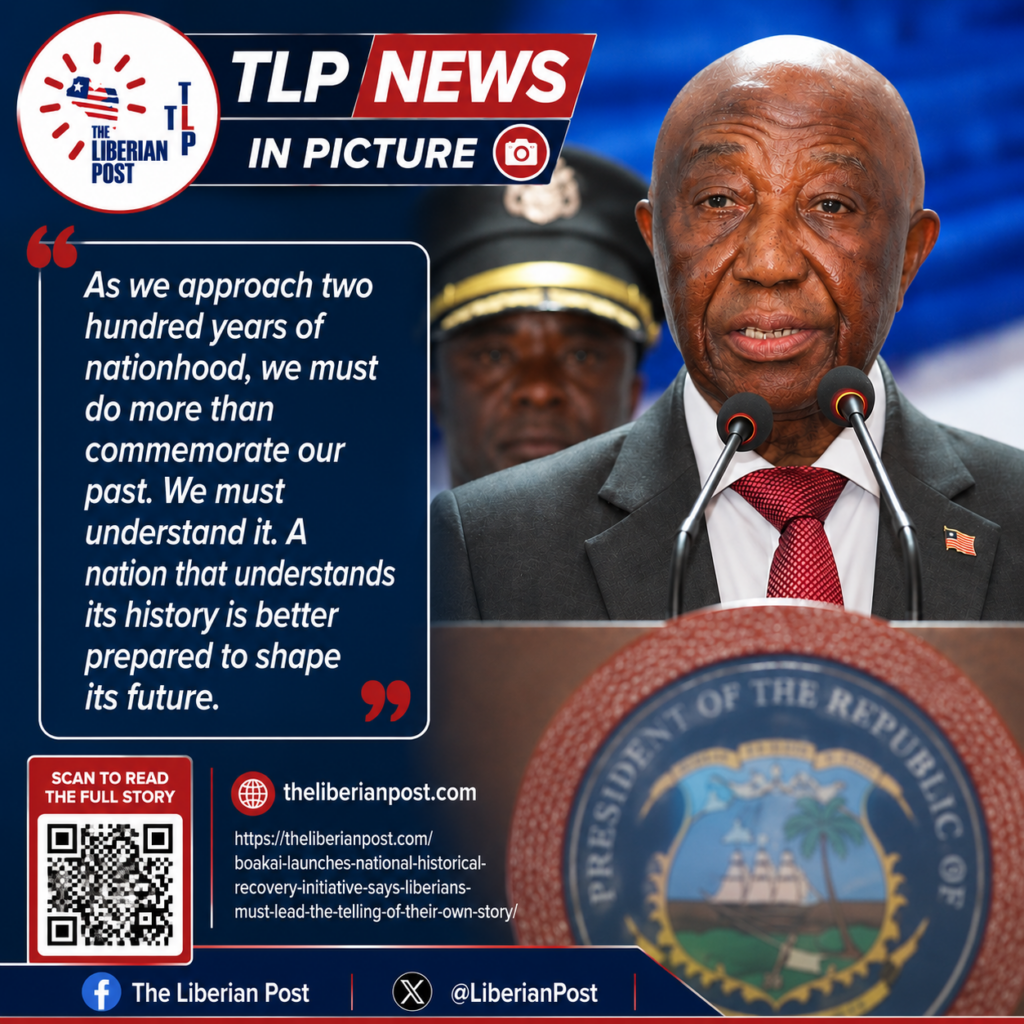
“As we approach two hundred years of nationhood, we must do more than commemorate our past. We must understand it,” President Boakai declared.
“A nation that understands its history is better prepared to shape its future.”
Liberians Must Tell Liberia’s Story
At the heart of Boakai’s message was a call for Liberian scholars, historians and researchers to take the lead in documenting the country’s past.
The President noted that Liberia’s history extends beyond official government records and includes indigenous civilizations, oral traditions, the experiences of settlers from the Americas and the Caribbean, and the country’s enduring ties to the African diaspora.
According to him, those diverse experiences have produced what he described as Liberia’s unique national character.
“Our identity must therefore be rooted in history and shaped by the values and experiences that make us uniquely Liberian,” he said.
Boakai emphasized that preserving history is not merely an academic exercise but a national responsibility essential for strengthening unity, reconciliation and democratic citizenship.
Government Announces Historical Recovery Initiative
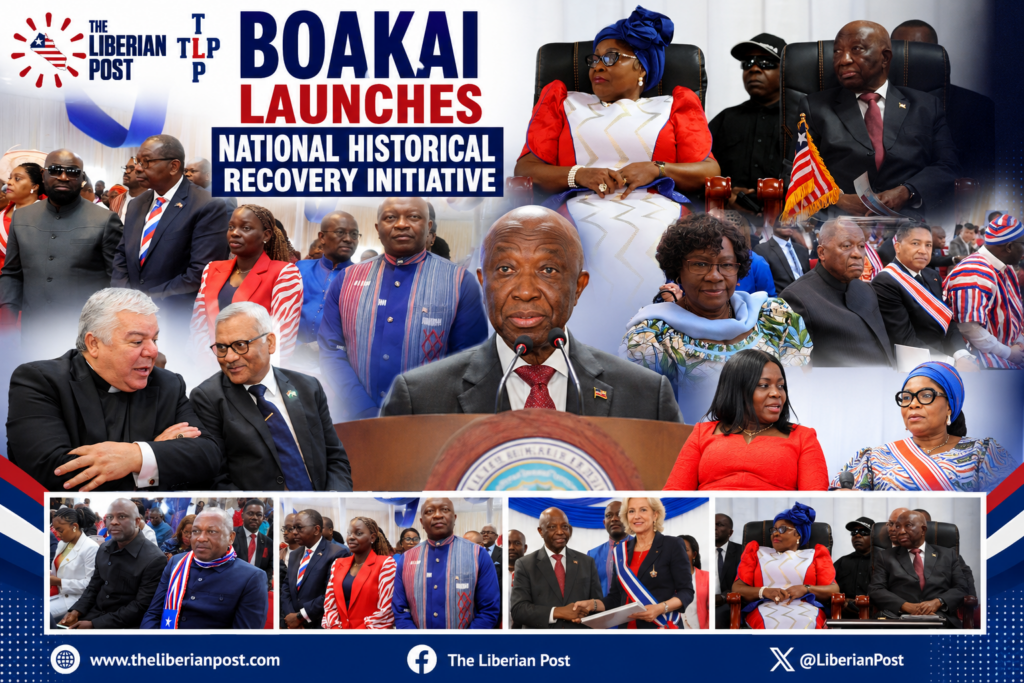
Among the major announcements contained in the President’s address was the creation of a National Historical Recovery and Repatriation Initiative, which will seek to recover copies of historical records relating to Liberia currently housed in foreign institutions.
According to Boakai, the initiative will be implemented in partnership with international universities, archives and cultural organizations to ensure Liberians regain access to important documentary records of their national history.
“The Government will work with international partners, universities, and cultural institutions to repatriate copies of historical records related to Liberia, enabling our people to once again access the documentary foundations of our national memory.”
The President described the initiative as an important step toward restoring national ownership of Liberia’s historical record.
Archives, Museum to Be Modernized
Boakai also announced plans to modernize two of Liberia’s principal heritage institutions—the National Archives and the National Museum.
He acknowledged that both institutions have struggled for years with inadequate infrastructure, limited preservation systems and restricted public access.
Under the new plan, government intends to improve infrastructure, digitize historical collections, strengthen preservation and conservation systems, and expand access for researchers, students and the general public.
The President described the National Archives and National Museum as custodians of Liberia’s collective memory whose revitalization is essential to preserving the country’s identity.
Kendeja Cultural Center May Be Restored
Boakai further announced the establishment of an intergovernmental technical committee to study the future of the historic Kendeja Cultural Center.
Once regarded as one of Liberia’s premier cultural institutions, the center has long ceased operating.
The committee, according to the President, will examine options for restoring, modernizing and integrating the facility into Liberia’s broader national heritage program.
National History Project to Return
In another significant policy announcement, President Boakai disclosed that his administration will revive the National History Project, an initiative originally recommended by Liberia’s Truth and Reconciliation Commission (TRC).
The project will seek to produce a more comprehensive and inclusive documentation of Liberia’s historical development through expanded research and scholarship.
Boakai stressed that the initiative must remain independent of political influence.
“History should never be written through the lens of political convenience. It must remain an honest, evidence-based account of our national journey.”
According to him, the project will be led by Liberian historians, archivists, archaeologists, anthropologists, linguists, educators and other scholars working in collaboration with communities across the country and supported by international academic partners.
Warning Against Misinformation
The President also cautioned against the growing spread of misinformation and historical distortion.
He argued that in an era where opinions are frequently mistaken for facts, Liberia’s universities, archives, museums and research institutions must become guardians of the nation’s historical memory.
Only credible scholarship, he said, can ensure that Liberia’s history is preserved with professionalism, intellectual independence and integrity.
Nation-Building Beyond Infrastructure
Beyond the historical initiatives, Boakai used the occasion to call for a broader understanding of nation-building.
While acknowledging the importance of developing state institutions, he argued that Liberia’s future also depends on strengthening shared values, civic responsibility and national identity.
According to him, true nation-building is reflected not only in government policies but also in how citizens treat one another, respect the rule of law and embrace Liberia’s shared history and national symbols.
“The strongest nations are united by shared values, common purpose, mutual respect, and a deep sense of identity.”
He added that every Liberian, regardless of county, ethnicity, religion, political affiliation or social background, must feel represented in the country’s national story.
Looking Toward Liberia’s Bicentennial
The President noted that Liberia is approaching its 200th anniversary at a time when the country has an opportunity to redefine how it understands its own history.
He described Liberia as a nation built on freedom, resilience and diversity, whose historical legacy inspired liberation movements across Africa and among people of African descent worldwide.
Boakai said the greatest inheritance today’s generation can leave future Liberians is not merely roads, buildings or stronger institutions.
“The greatest gift we can leave future generations is not only infrastructure or stronger institutions. It is a confident nation that understands itself.”
Calling on Liberians to draw strength from previous generations while learning from the nation’s challenges, the President urged citizens to preserve the country’s historical legacy and continue building a united, peaceful and prosperous Republic.
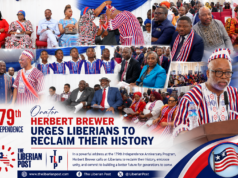
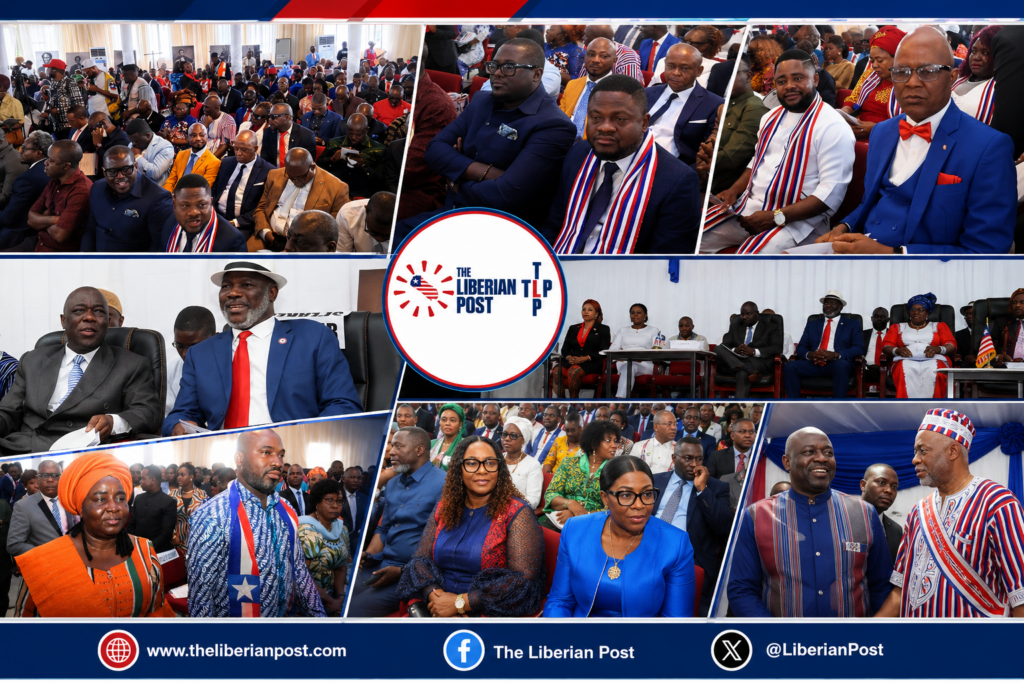
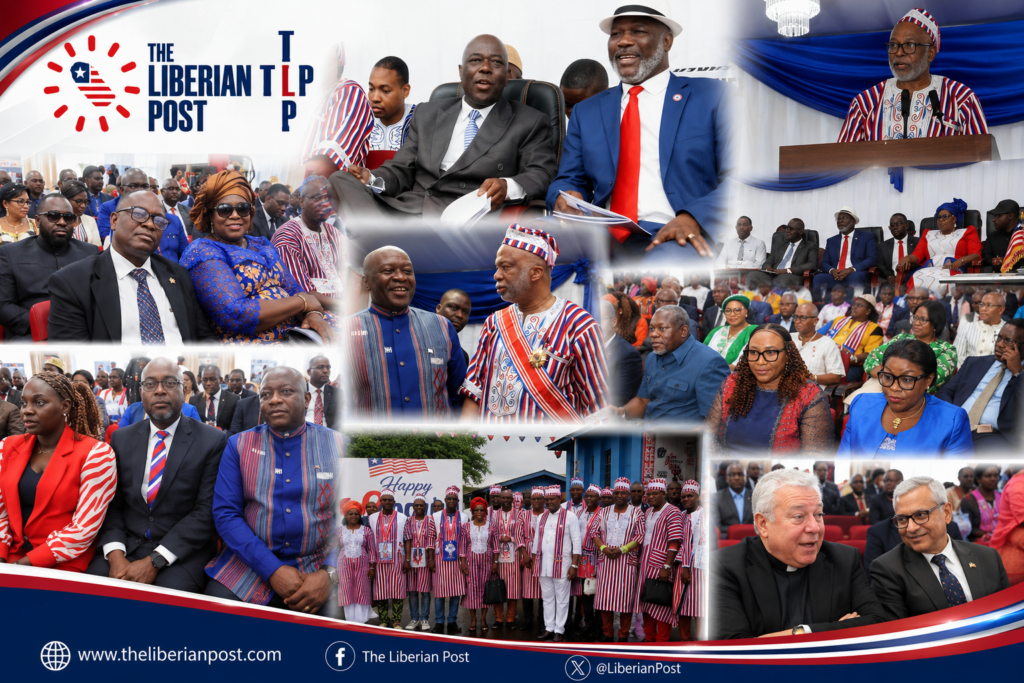
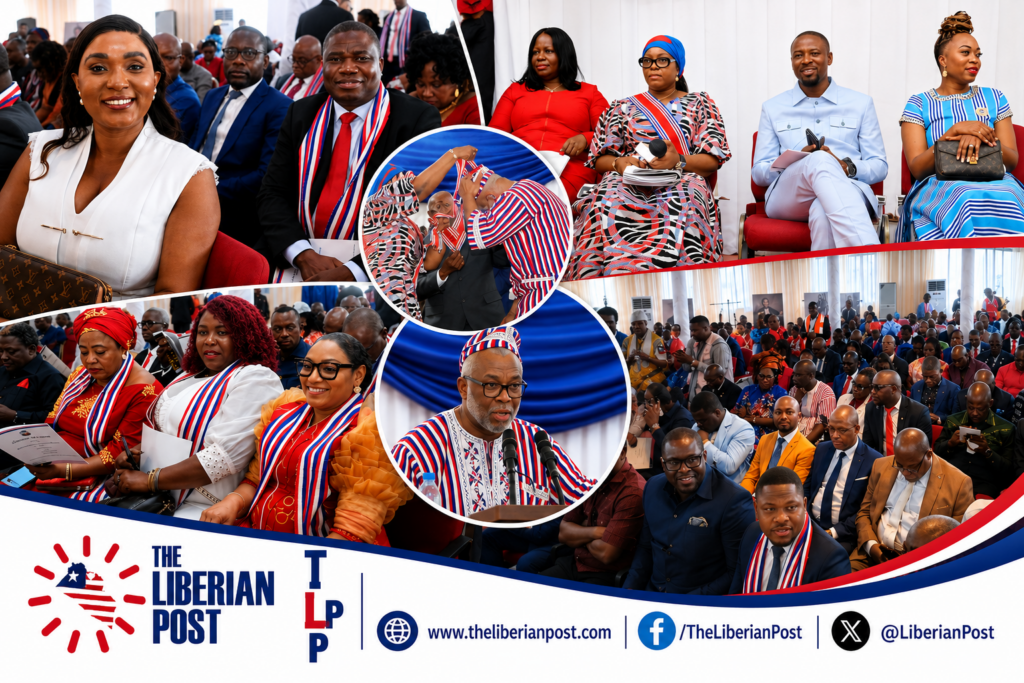
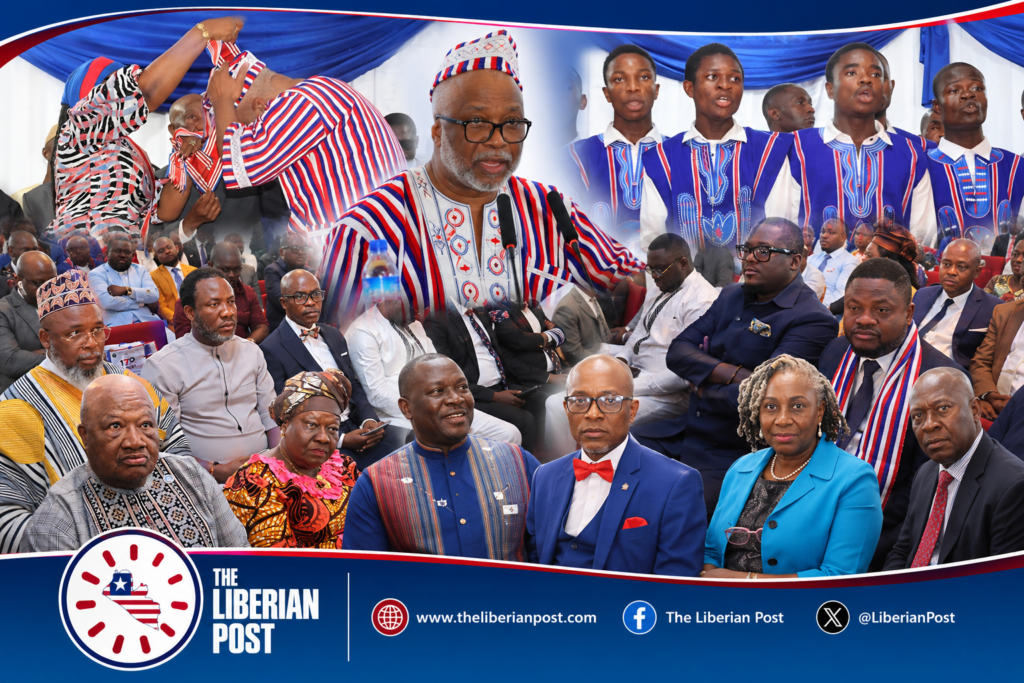
The 179th Independence Day celebrations were held in Buchanan, Grand Bassa County, and brought together senior government officials, members of the diplomatic corps, traditional and religious leaders, international guests and Liberians from across the country and the diaspora. The occasion also featured the Independence Day oration delivered by historian Dr. Herbert Brewer, whose address similarly emphasized the importance of history in shaping Liberia’s national identity.
For breaking news, in-depth analysis, and exclusive reports from Liberia and around the world, follow The Liberian Post on Facebook (https://web.facebook.com/profile.php?id=61576017166570) and X, formerly Twitter (https://x.com/LiberianPost).