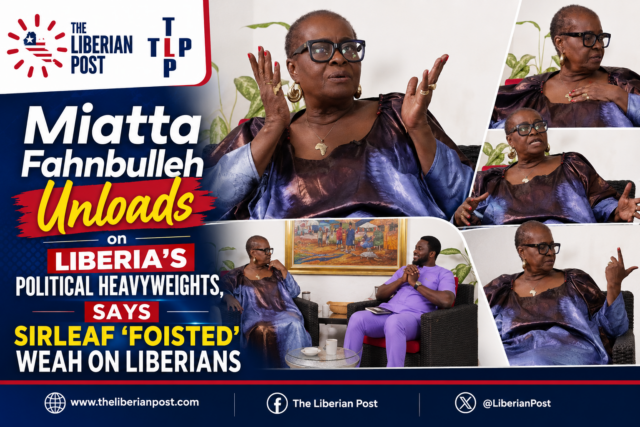
–Legendary Cultural Icon Says Weah Was ‘A Disaster for the Country,’ Criticizes Sirleaf’s Political Judgment, and Declares Charles Taylor’s 50-Year Sentence Can Never Match the Scale of the Nation’s Destruction
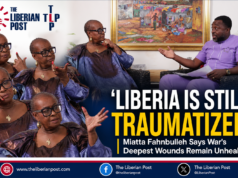
MONROVIA – One of Liberia’s most respected cultural voices, legendary singer, broadcaster and activist Miatta Fahnbulleh, has delivered a sweeping and uncompromising assessment of the country’s modern political leadership, blaming former President Ellen Johnson Sirleaf for elevating George Manneh Weah to the presidency while holding former warlord-turned-president Charles Ghankay Taylor personally responsible for “the destruction of three generations of Liberians.”
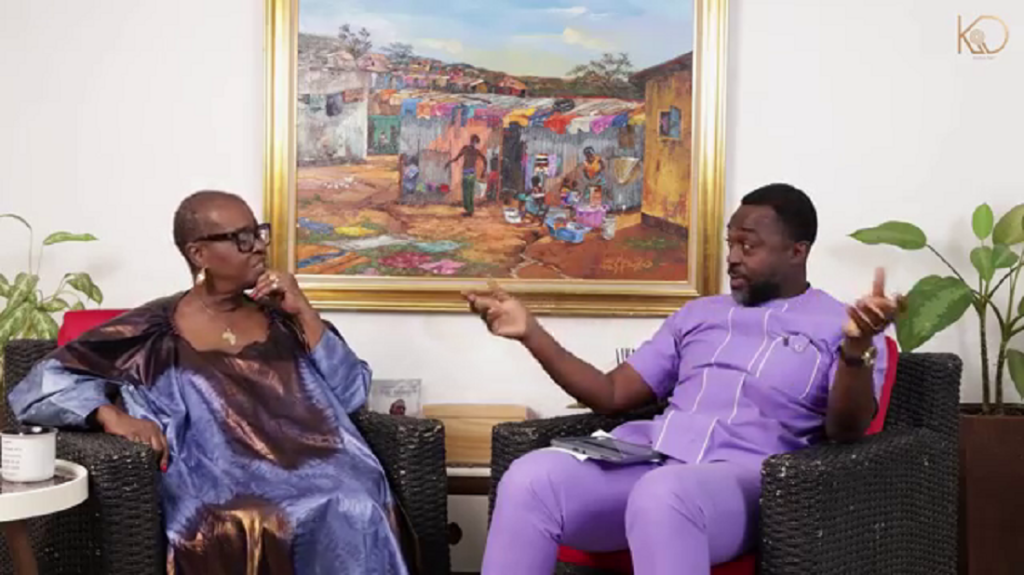
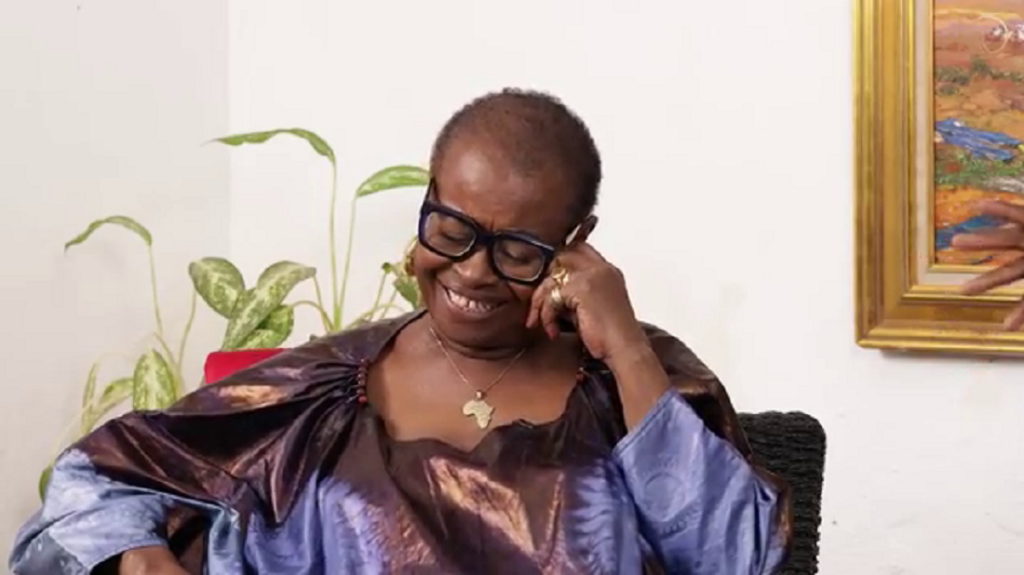
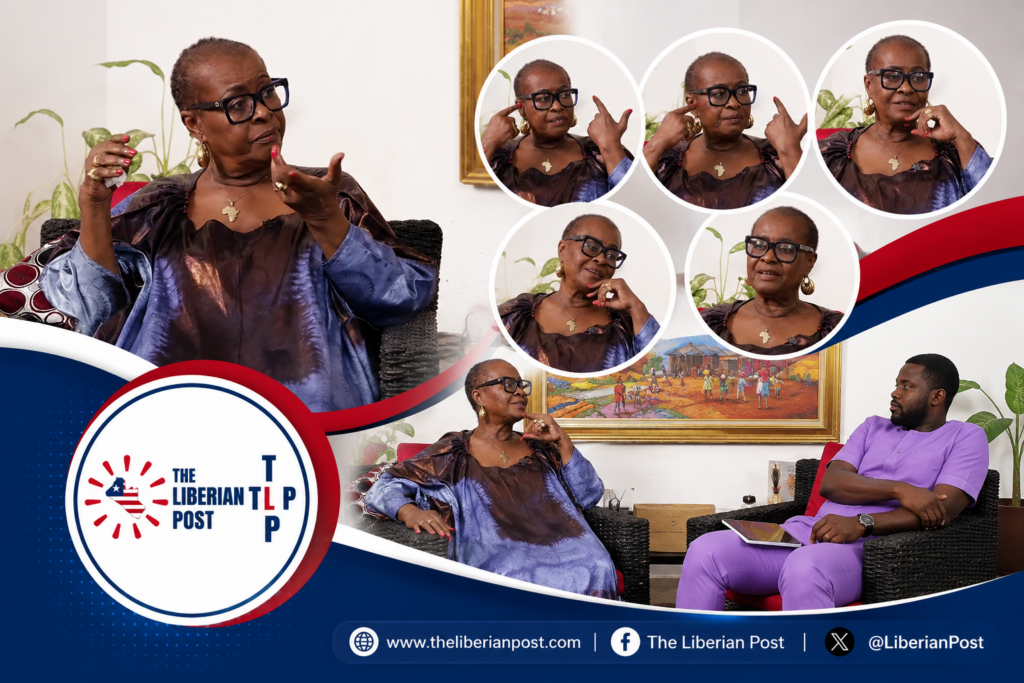
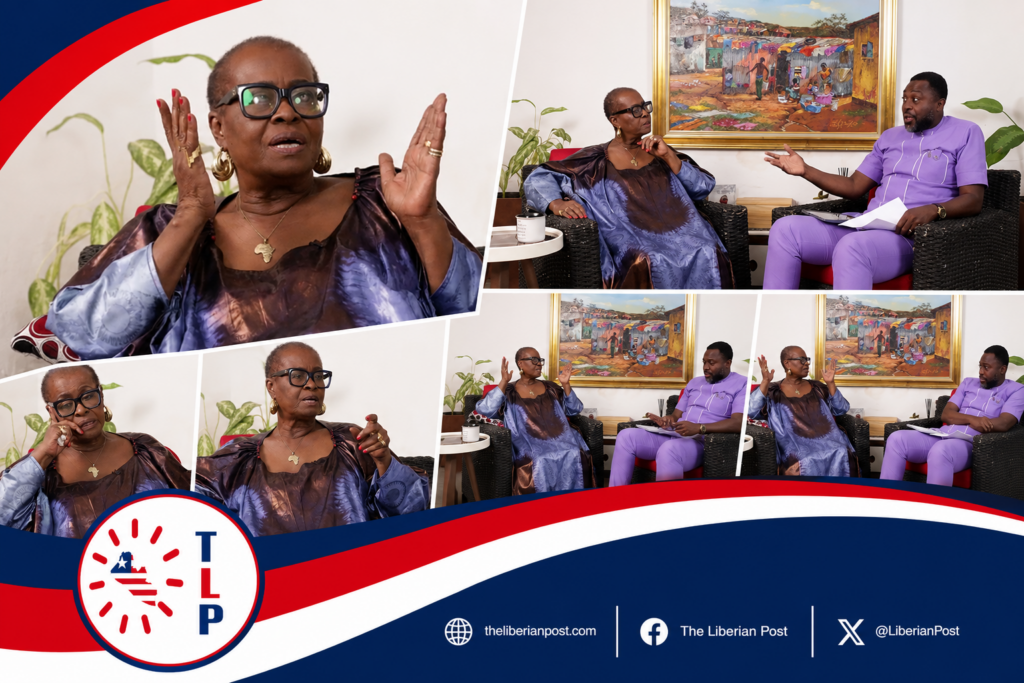
In a candid interview with acclaimed Ghanaian broadcaster Kafui Dey, published on YouTube on July 24, 2026, Fahnbulleh reflected on Liberia’s post-war political journey, offering sharp opinions on the legacies of three of the country’s most influential leaders.
Known more for her music and decades of advocacy than partisan politics, Fahnbulleh’s remarks are nevertheless likely to resonate across Liberia’s political landscape, where debates over leadership, accountability and the country’s democratic trajectory remain deeply contested.
Sirleaf’s Legacy: ‘She Unleashed George Weah on Us’
Asked by Dey what she believed would define former President Ellen Johnson Sirleaf’s legacy, Fahnbulleh’s response was immediate—and startling.
“Her lasting legacy will be that she unleashed George Weah on us.”
When pressed further, Fahnbulleh did not retreat from her position.
Instead, she argued that Sirleaf bears significant responsibility for Weah’s rise to national political leadership because she publicly embraced him during Liberia’s political transition.
According to Fahnbulleh, Sirleaf did more than merely support Weah politically—she effectively presented him to Liberians as the country’s next leader.
“Madam Sirleaf thought it would be interesting under the guise of generational change… she foisted him on us.”
She claimed that without Sirleaf’s political endorsement, Weah might never have become president.
“How did he get into the political class? He could have stayed there forever. We would not have voted for him… Madam Sirleaf, like I said, foisted him on us.”
Fahnbulleh further suggested that many Liberians who opposed Weah’s presidency simply lacked the political means to prevent his election.
‘He Was a Disaster for the Country’
Although critical of Weah’s presidency, Fahnbulleh was careful to separate his achievements on the football field from his performance as Liberia’s Head of State.
She acknowledged that the former Ballon d’Or winner remains one of Africa’s greatest footballers.
“He’s a fantastic football player.”
But she questioned the notion that sporting excellence should automatically qualify someone for the presidency.
Drawing a comparison with Ghanaian football legend Abedi Pele, she noted that Ghanaians never seriously contemplated making him president simply because of his football success.
“The background that I come from, we didn’t see football players as national political leaders. I never heard Ghanaians saying Abedi Pele for President.”
Her verdict on Weah’s presidency was unequivocal.
“He was a disaster for the country. Go to Liberia now, they will tell you, he was a disaster.”
Fahnbulleh also questioned Weah’s communication abilities during the interview.
When Dey remarked that he hoped to interview the former Liberian President one day, she responded:
“He can’t talk much. You won’t get much out of him. He’s not very articulate either.”
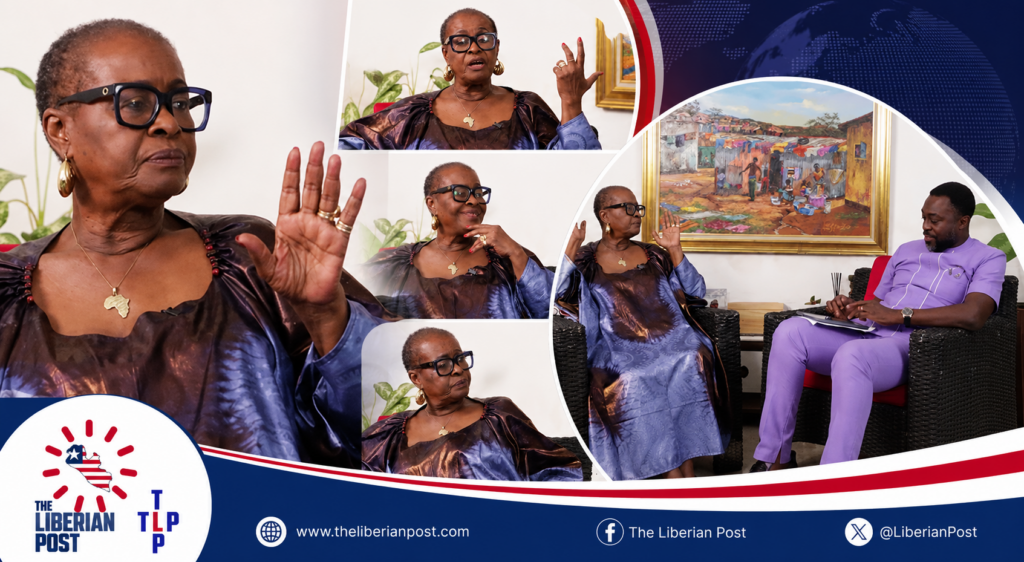
Taylor’s Legacy: ‘I Can Never Say Something Nice About Him’
If Fahnbulleh reserved some of her strongest criticism for Weah’s presidency, her assessment of Charles Taylor was even more severe.
She disclosed that she personally knows Taylor and members of his family but said that has never changed her view of his historical responsibility.
“I know Charles Taylor, the entire family… I would like to be able to say something nice about Charles Taylor. But I’m sorry, I can’t.”
Instead, she said Taylor bears direct responsibility for Liberia’s collapse during the civil war.
“I hold Charles Taylor responsible for the destruction of three generations of Liberians.”
According to Fahnbulleh, Liberia continues to suffer not only from physical destruction but from deep psychological trauma that may take generations to overcome.
She argued that the damage inflicted on the nation’s social fabric cannot be measured merely by prison terms or legal punishment.
“A 50 years can never be worth the destruction of a country.”
Recalling atrocities committed during the Mano River conflicts, Fahnbulleh described the mutilation of civilians—including children in neighboring Sierra Leone—as among the darkest chapters in West African history.
She pointed to the practice of amputating victims’ limbs and said such acts illustrated the scale of brutality unleashed during the wars.
Justice Delayed Is Justice Denied
Fahnbulleh also criticized Liberia’s post-war justice process, arguing that the country has failed to carry through on the recommendations of its Truth and Reconciliation Commission (TRC).
She praised the TRC process itself, saying it provided an opportunity for victims and perpetrators to tell their stories.
However, she lamented that its most significant recommendation—holding those most responsible for wartime atrocities criminally accountable—was never implemented.
“Those carrying full responsibility of the mayhem should be prosecuted… As you can see, we have not prosecuted anybody.”
She warned that many of those accused of bearing the greatest responsibility are dying before facing justice.
Why Her Words Matter
Unlike many political commentators, Miatta Fahnbulleh speaks from a position shaped by decades of national service beyond partisan politics.
A celebrated musician, broadcaster, educator and women’s rights advocate, she lived through Liberia’s turbulent political transitions, witnessed the civil war and remained actively involved in peacebuilding and civic engagement throughout the country’s reconstruction.
Her opinions therefore carry weight not because she holds public office, but because she represents one of Liberia’s most enduring moral and cultural voices.
Background
Ellen Johnson Sirleaf served as Liberia’s President from 2006 to 2018, becoming Africa’s first democratically elected female Head of State. Her administration restored Liberia’s international standing after years of civil conflict, secured debt relief, rebuilt key institutions and oversaw the country’s recovery from the Ebola epidemic. However, her government also faced persistent criticism over corruption, unemployment, youth empowerment and economic inequality.
George Manneh Weah, Africa’s only Ballon d’Or winner, was elected President in 2017 after previously serving as a senator for Montserrado County. His administration pursued infrastructure development, tuition-free public university education and road construction, but critics questioned its economic management, governance record and anti-corruption efforts. He was defeated by President Joseph Nyuma Boakai in the 2023 presidential runoff.
Charles Ghankay Taylor remains the only former African Head of State convicted by an international tribunal since the Nuremberg Trials. In 2012, the Special Court for Sierra Leone found him guilty of aiding and abetting war crimes and crimes against humanity committed during Sierra Leone’s civil war. He is serving a 50-year prison sentence in the United Kingdom.
For many Liberians, the legacies of Sirleaf, Weah and Taylor continue to define debates over governance, democracy, accountability and national reconciliation. Fahnbulleh’s blunt assessment has now added another influential voice to that national conversation.
For breaking news, in-depth analysis, and exclusive reports from Liberia and around the world, follow The Liberian Post on Facebook (https://web.facebook.com/profile.php?id=61576017166570) and X, formerly Twitter (https://x.com/LiberianPost).