-Historian Challenges Liberians to Reject Historical Shame, Declares July 26 Symbolizes Africa’s Capacity for Self-Governance, as President Boakai Confers National Honor on Distinguished Scholar
MONROVIA – Liberia’s 179th Independence Day National Orator, Dr. Herbert Brewer, has challenged Liberians to reclaim their history as a source of national pride and unity, warning that a people who lose confidence in their past will ultimately lose confidence in themselves.
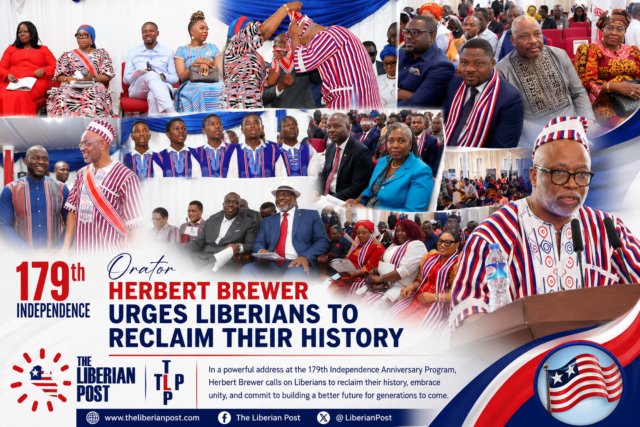
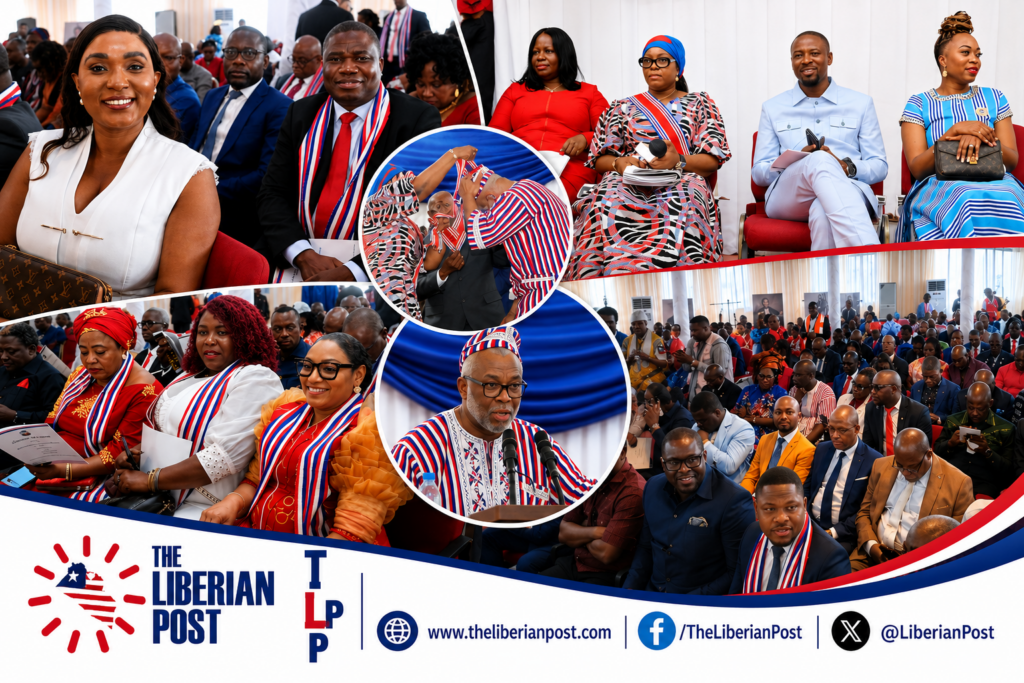
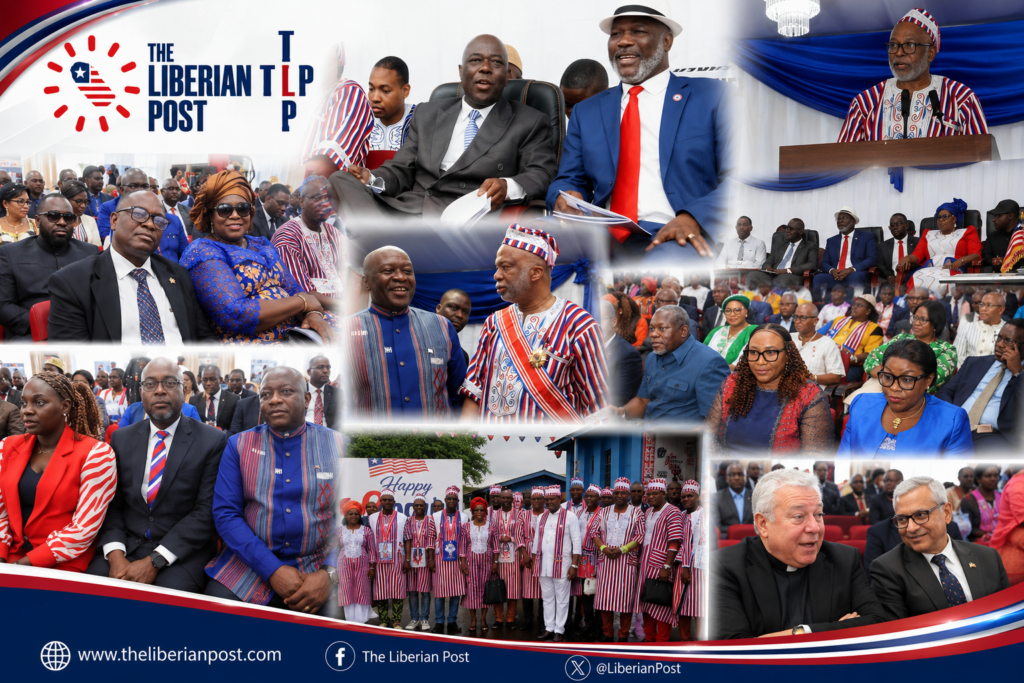
Delivering the keynote address at the nation’s 179th Independence Day celebration on Monday, July 27, 2026, Dr. Brewer rejected the growing narrative that Liberia’s history is defined primarily by failure, arguing instead that the country’s historical journey remains one of its greatest national assets and an indispensable foundation for democratic renewal and national identity.
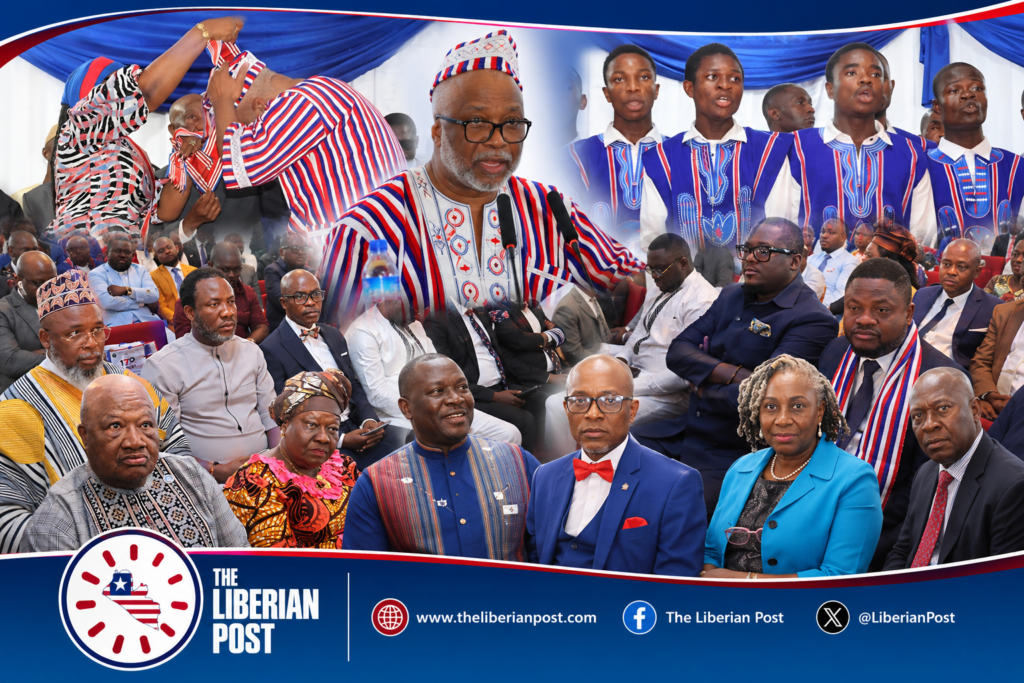
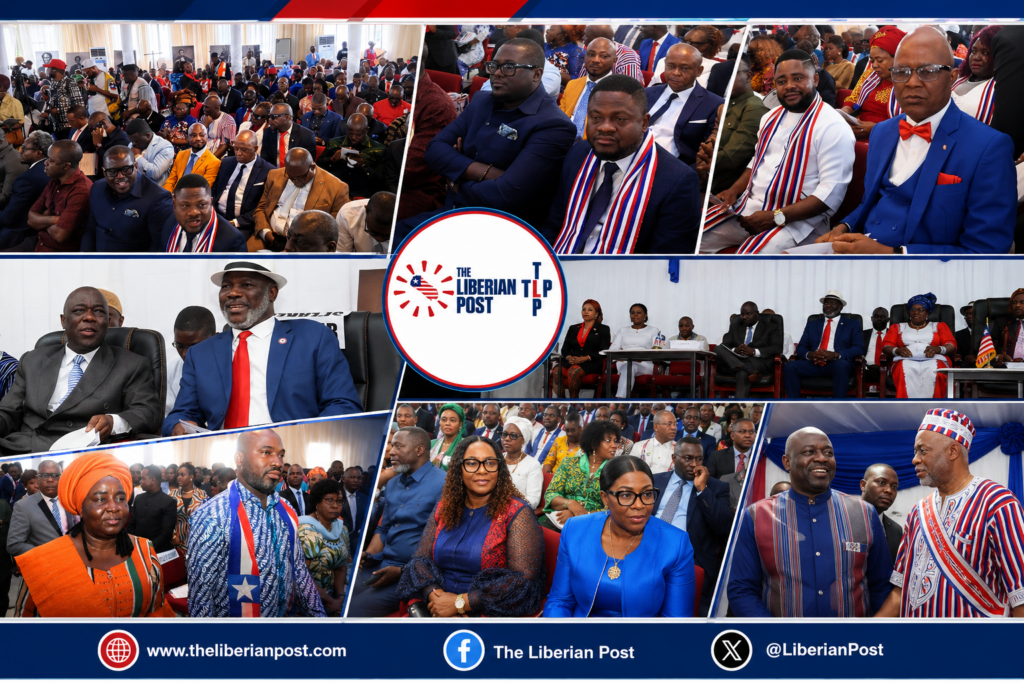
Speaking before President Joseph Nyuma Boakai, senior government officials, members of the diplomatic corps, traditional leaders, religious leaders and hundreds of invited guests, the renowned historian urged Liberians—particularly the younger generation—to embrace the nation’s complete history, including both its triumphs and its shortcomings.
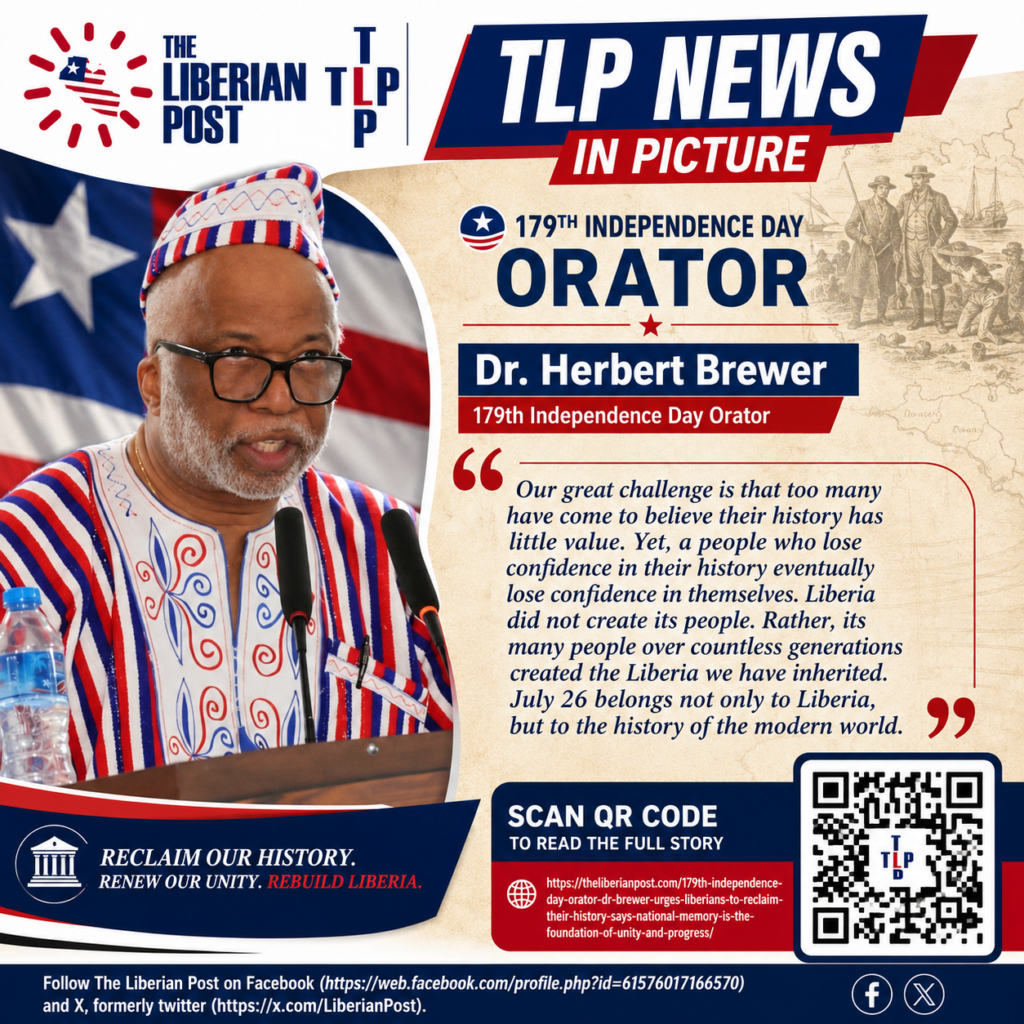
“Our great challenge is that too many have come to believe their history has little value. Yet, a people who lose confidence in their history eventually lose confidence in themselves,” Brewer declared.
‘What Is There to Celebrate?’
Brewer opened his address by acknowledging a question increasingly asked by many young Liberians.
“What is there to celebrate?” he said, noting that some critics have gone further by suggesting that Liberia’s history is little more than “a catalog of failure and disappointment” and that the very idea of Liberia was a mistake.
Rather than dismissing those concerns, Brewer said they deserved honest reflection.
However, he argued that Liberia’s history extends far beyond political crises and civil conflict.
According to him, understanding the country’s past requires looking centuries before the declaration of independence in 1847.
He reminded the audience that Liberia’s story did not begin with the founding of the republic but with centuries of African civilizations, migration, commerce and cultural exchange among the peoples who inhabited the region long before the arrival of settlers from the Americas.
Liberia’s History Began Long Before 1847
One of the central themes of Brewer’s oration was the distinction between the history of Liberia and the founding of the Liberian Republic.
He argued that while July 26, 1847 marks the birth of the Republic of Liberia, it does not mark the beginning of Liberian history.
According to him, the country’s indigenous communities had already established sophisticated systems of governance, diplomacy, commerce, justice and culture centuries before independence.
Brewer said understanding that longer historical experience is essential to building a more inclusive national identity.
“Liberia did not create its people. Rather, its many people over countless generations created the Liberia we have inherited.”
He stressed that Liberia’s ethnic identities themselves evolved through centuries of migration, trade, intermarriage and cooperation rather than existing as fixed or permanent categories.
Independence Was a Global Declaration of Black Self-Government
Brewer devoted significant attention to the historical significance of Liberia’s Declaration of Independence.
He argued that the event represented far more than the creation of another nation-state.
Instead, he described it as a bold declaration to a world still dominated by slavery and colonialism that people of African descent possessed both the right and the capacity to govern themselves.
Quoting Liberia’s first President, Joseph Jenkins Roberts, Brewer said the declaration sought “to vindicate the race from scandal” by demonstrating that Black people were fully capable of sustaining a modern constitutional republic.
He noted that when Liberia declared independence, slavery still existed across much of the world while European colonial powers continued expanding across Africa.
Against that backdrop, he said, Liberia became a symbol of African sovereignty and self-determination.
“July 26 belongs not only to Liberia, but to the history of the modern world.”
Recognizing Indigenous Contributions
Throughout his address, Brewer repeatedly emphasized that Liberia’s founding was a collaborative achievement involving both returning descendants of enslaved Africans and the indigenous African communities already living in the territory.
He highlighted the contributions of indigenous leaders and interpreters such as William Campbell, David Noah and William Davis, saying they helped build trust between local rulers and the early settlers while facilitating diplomacy that made the establishment of the Liberian state possible.
He also argued that indigenous rulers who later agreed to transfer sovereignty over Cape Mesurado became co-founders of the Liberian state and deserve far greater recognition in the country’s historical narrative.
Lessons from Liberia’s Difficult Past
Brewer also reflected on several defining moments in Liberia’s national development, including the transatlantic slave trade, the country’s resistance to European colonial ambitions, the Berlin Conference, the Firestone concession agreement, political centralization, military rule and the civil war.
Rather than portraying those episodes as reasons for despair, he urged Liberians to study them carefully in order to understand the difficult choices previous generations faced.
“History asks us first to understand, and only then to judge,” he said while discussing major national decisions that shaped modern Liberia.
He praised Liberia’s survival through nearly two centuries of political, economic and social challenges, describing the country’s endurance itself as a remarkable achievement.
Appeal to Young Liberians
As he concluded his address, Brewer directed some of his strongest remarks to Liberia’s youth.
He urged them not merely to inherit the country’s territory, flag or Constitution but also to inherit its collective memory and the sacrifices made by previous generations.
“Do not allow anybody to persuade you that your history is something to be ashamed of. It is your inheritance. Claim it. All of it.”
According to Brewer, genuine patriotism lies not in pretending Liberia’s past was perfect but in honestly confronting both its successes and failures while leaving future generations a stronger republic.
He said the true measure of citizenship is whether today’s Liberians pass on a nation stronger than the one they inherited.
President Boakai Honors Distinguished Historian
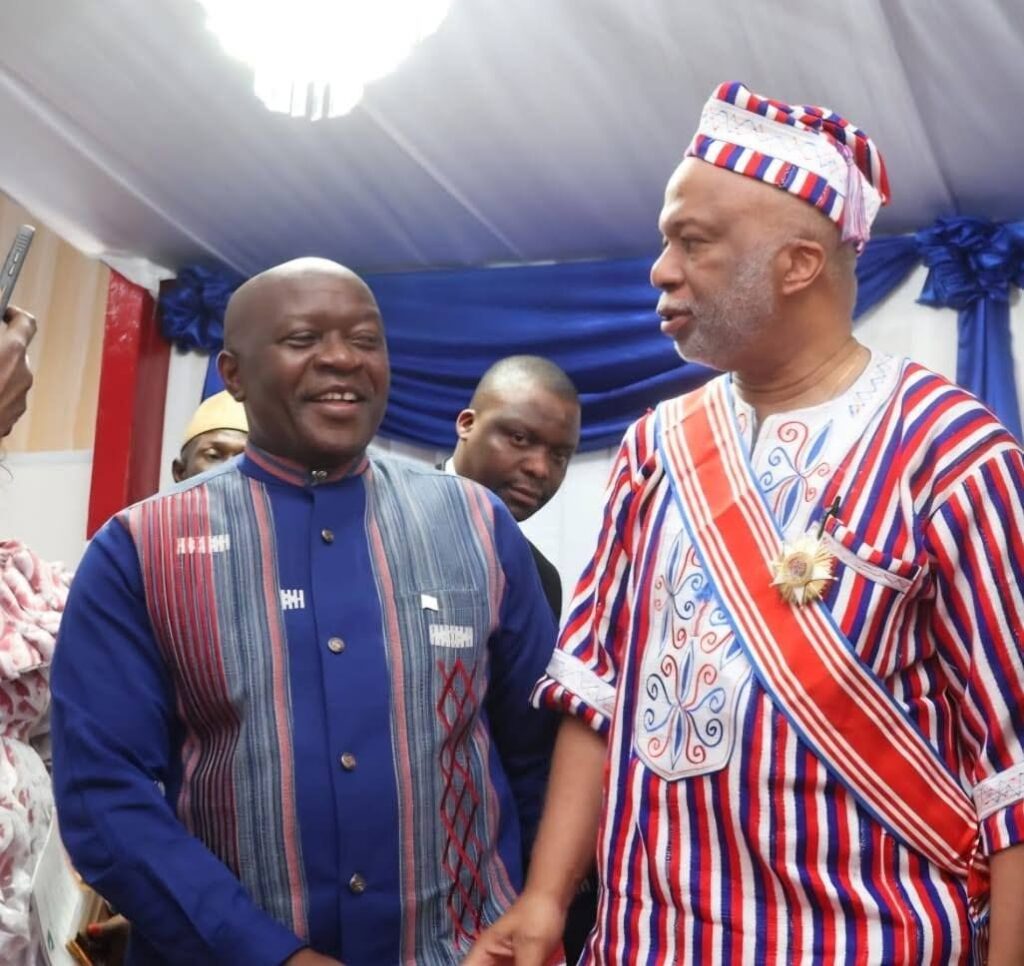
Following the oration, President Joseph Nyuma Boakai conferred one of Liberia’s national honors on Dr. Brewer in recognition of his decades of scholarship, teaching and public service.
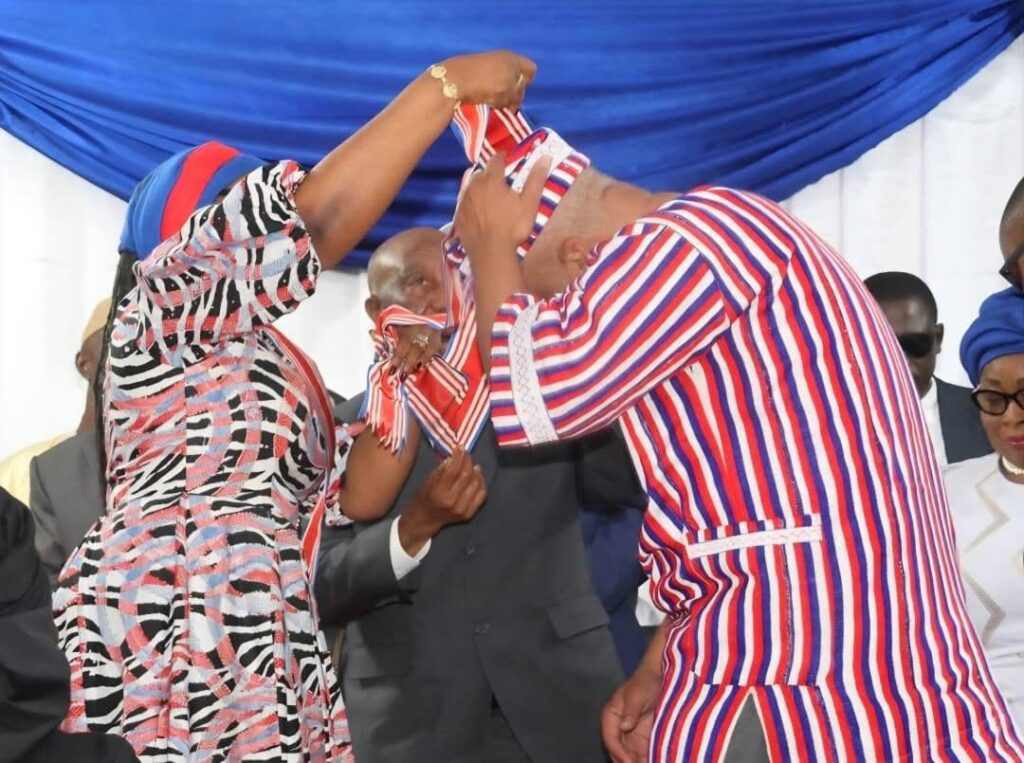
In the official citation, the President praised Brewer as a distinguished historian, educator, mentor and public intellectual whose work has significantly advanced the understanding of Liberian history, African American history, the African diaspora, slavery, abolition and Black intellectual traditions.
The citation highlighted Brewer’s academic career at Morgan State University, where he has served as a professor in the Department of History, Geography and Museum Studies and held several leadership positions, including Director of the African American and African Diaspora Studies Program and Director of the Benjamin Quarles Humanities and Social Science Institute.
President Boakai also recognized Brewer’s extensive scholarly publications, his mentorship of graduate students and his public engagement through lectures, documentaries and international media.
For his outstanding contributions to historical scholarship and education, President Boakai admitted Dr. Brewer into the Humane Order of African Redemption and conferred upon him the rank of Knight Grand Band, one of Liberia’s distinguished national honors.
For breaking news, in-depth analysis, and exclusive reports from Liberia and around the world, follow The Liberian Post on Facebook (https://web.facebook.com/profile.php?id=61576017166570) and X, formerly Twitter (https://x.com/LiberianPost).