–Retired Major General to Report Directly to President; Prince Mulbah and Precious Rue Named Deputies as Justice Probe Finds No Evidence Linking Biago to Drug Trafficking but Flags Ethical Concerns
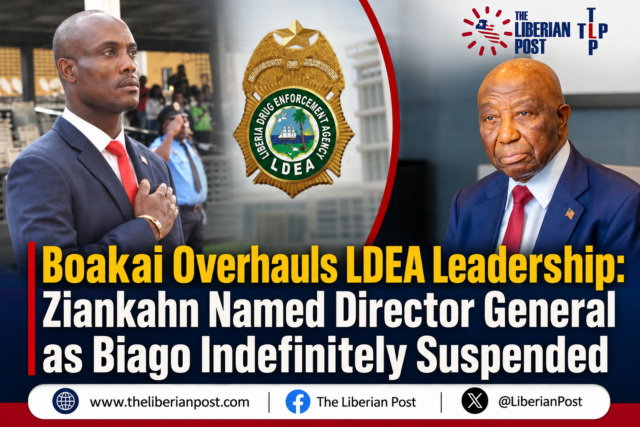
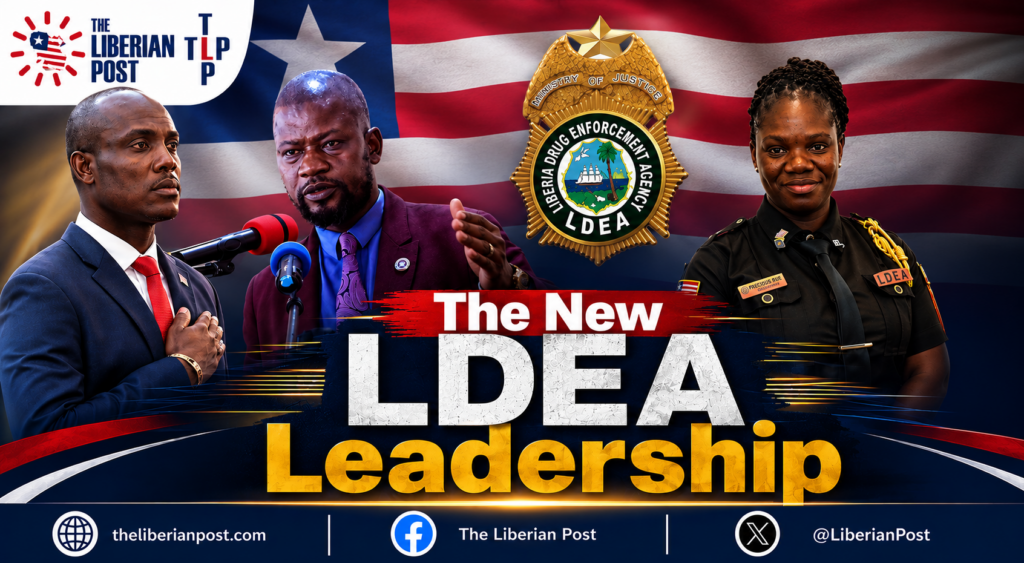
MONROVIA, Liberia — President Joseph Nyuma Boakai, Sr. has appointed retired Major General Daniel Dee Ziankahn, Jr. as Director General of the Liberia Drug Enforcement Agency (LDEA), marking a major leadership shake-up at the institution as the government intensifies its unprecedented campaign against narcotics trafficking and transnational organized crime.
The appointment, announced following a marathon meeting of the National Security Council, is subject to confirmation by the Liberian Senate. Ziankahn and two newly appointed deputies have, however, been directed to assume their responsibilities immediately in an acting capacity pending legislative confirmation.
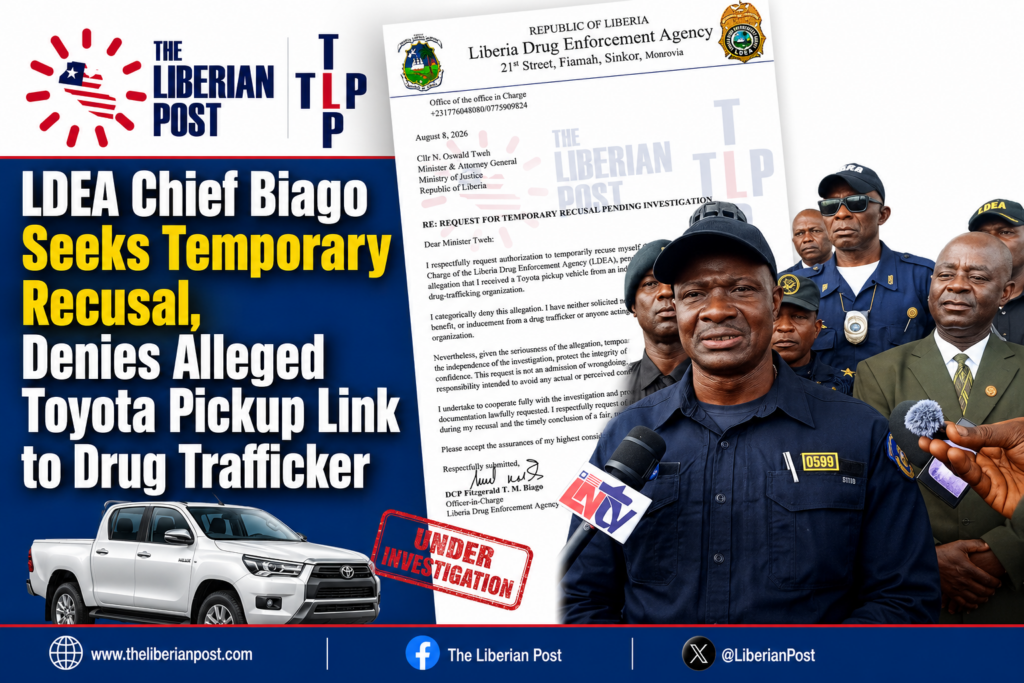
At the same time, President Boakai has indefinitely suspended former LDEA Officer-in-Charge Fitzgerald T. M. Biago from the Liberia National Police for ethical transgressions and ordered that he be subjected to a further, more detailed investigation.
The developments follow the submission of the Ministry of Justice’s investigative report to the President concerning allegations surrounding Biago.
Significantly, the government says the report did not establish any involvement by Biago in illegal narcotics trafficking, although it identified ethical concerns that President Boakai believes require additional scrutiny.
Ziankahn Takes Command of LDEA
President Boakai’s appointment of Major General Ziankahn places one of Liberia’s most experienced national-security figures at the helm of the agency responsible for combating illicit drugs.
The retired general previously served as Chief of Staff of the Armed Forces of Liberia (AFL), where he played a central role in the transformation and professionalization of the country’s post-war military.
He later served as Minister of National Defense and, under President Boakai, as Military Advisor to the President, providing strategic counsel on national-security matters.
The Executive Mansion said the appointment reflects President Boakai’s confidence in Ziankahn’s leadership, integrity and operational experience.
In his new position, Ziankahn will report directly to President Boakai, while working in close consultation with the Minister of Justice.
The arrangement gives the President direct oversight of the country’s principal anti-narcotics agency at a time when the government’s drug investigation has expanded into a broader national-security operation.
Two Deputies Join New LDEA Leadership
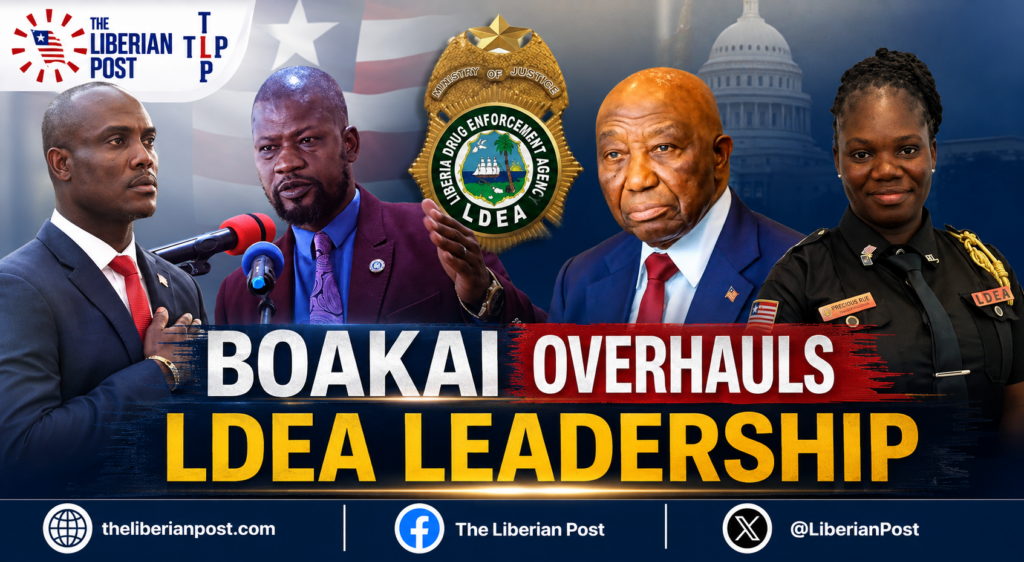
President Boakai has also appointed Mrs. Precious Rue as Deputy Director General for Operations and Mr. Prince Mulbah as Deputy Director General for Administration of the LDEA.
Like Ziankahn, both appointments are subject to confirmation by the Senate, but the two officials have been instructed to immediately assume their respective responsibilities in an acting capacity.
The appointments create a new three-member leadership structure at the LDEA, combining military, security and law-enforcement experience at the top of the agency.
Prince Mulbah, a former senior Liberia National Police commander, brings extensive policing and criminal-investigation experience to his new assignment.
The President’s appointment of Precious Rue to oversee operations also places responsibility for the agency’s operational functions under the new leadership structure as the government moves to strengthen enforcement and intelligence capabilities.
Ernest Tarpeh Returns to NSA
The leadership changes also affect Mr. Ernest Tarpeh, who previously served as Deputy Director General of the LDEA.
According to the presidential announcement, Tarpeh will return to his previous assignment at the National Security Agency (NSA).
The move further integrates the LDEA’s leadership changes into the broader national-security architecture surrounding the government’s narcotics investigation.
Justice Report Clears Biago of Drug Trafficking Allegation
One of the most consequential revelations in the presidential announcement concerns the findings of the Ministry of Justice investigation into Biago.
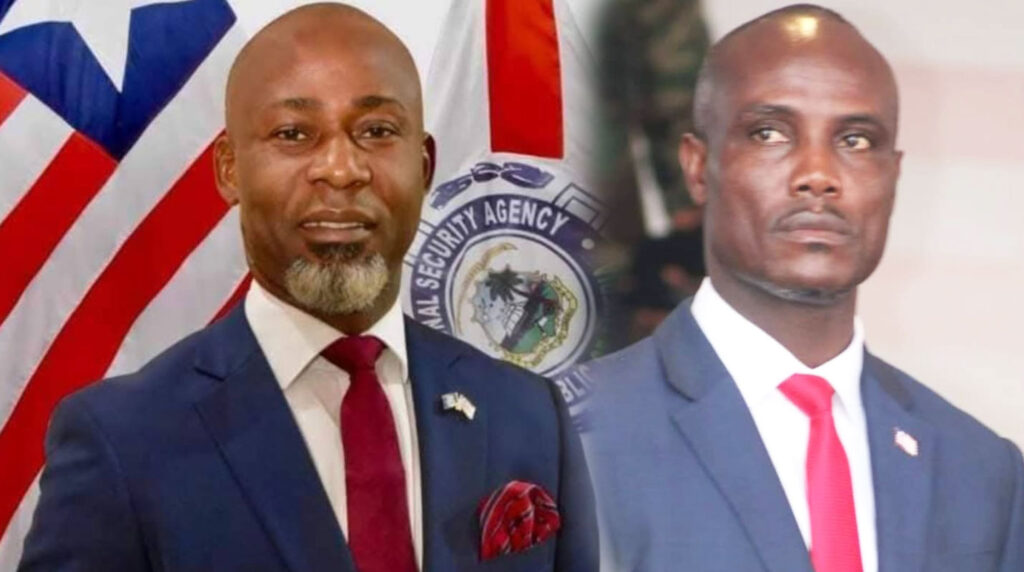
The government said the report did not establish that Biago was involved in illegal narcotics trafficking.
That finding is important because allegations surrounding the former LDEA chief had emerged at a particularly sensitive stage of the country’s drug investigation.
Biago had previously requested temporary recusal from his LDEA duties while an investigation was conducted into an allegation that he had received a Toyota pickup vehicle from an individual allegedly associated with a drug-trafficking organization.
Biago categorically denied the allegation.
However, while the Justice Ministry’s investigation did not establish narcotics-trafficking involvement, the presidential statement said investigators identified ethical concerns that warranted further scrutiny.
President Boakai has therefore ordered a more detailed investigation and indefinitely suspended Biago from the Liberia National Police.
Boakai Draws Line Between Allegations and Accountability
The President’s action appears designed to distinguish between criminal culpability and ethical responsibility.
According to the Executive Mansion, the Justice Ministry’s report did not establish that Biago participated in illegal drug trafficking. Nevertheless, the President determined that the ethical issues identified in the report could not simply be disregarded.
The administration said the additional investigation will determine whether further administrative or other appropriate action is warranted.
Following the National Security Council meeting, President Boakai reaffirmed that allegations of misconduct must be addressed fairly, professionally and in accordance with due process.
He stressed that the government’s position remains that allegations alone cannot establish guilt, but public officials must also be held accountable when legitimate questions about their integrity arise.
“No individual will be condemned without evidence, [but] no public official will be exempt from accountability where questions of integrity arise,” the President emphasized.
A New Command at a Critical Moment
The leadership transition comes as Liberia’s anti-drug campaign has evolved into one of the most consequential national-security investigations undertaken by the Boakai administration.
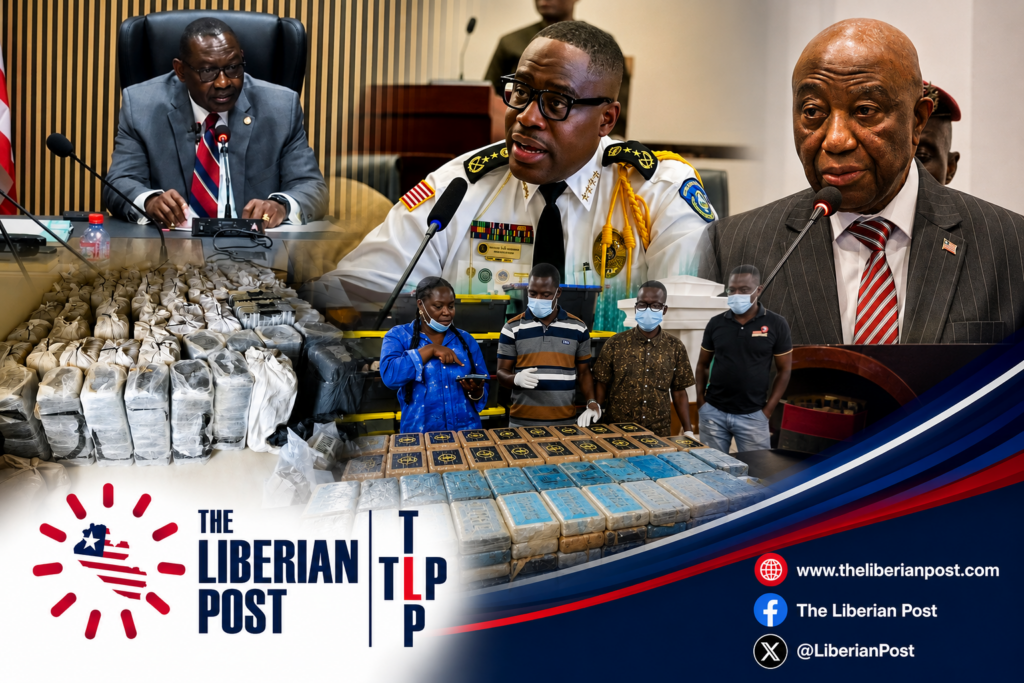
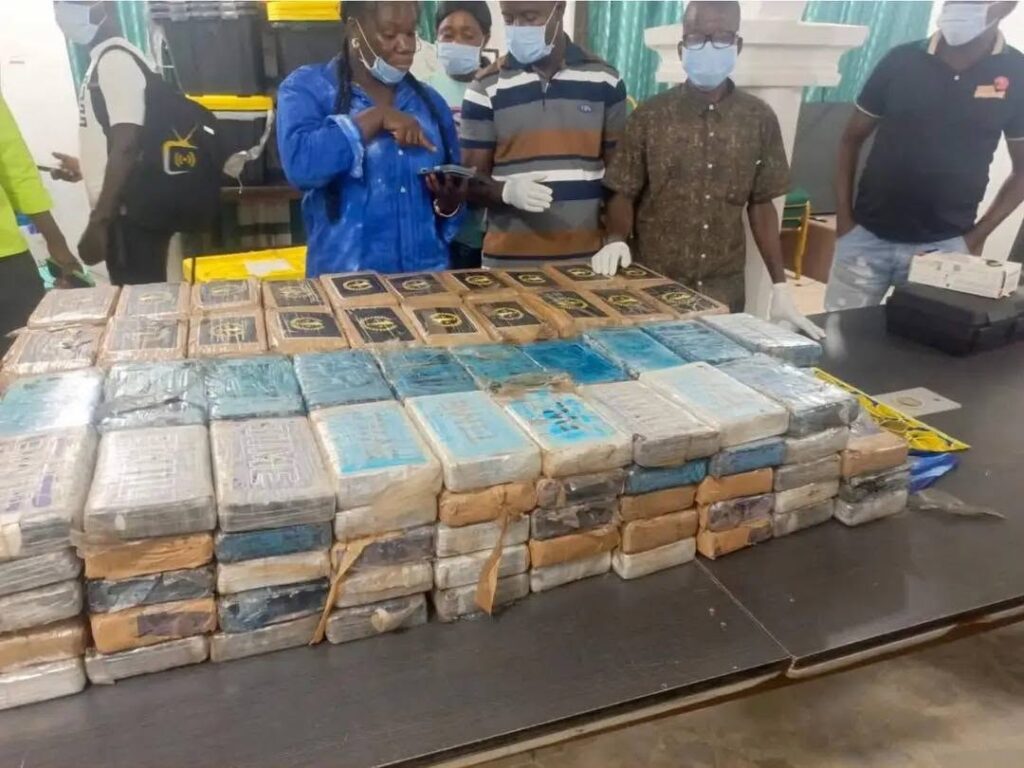
Authorities have seized unprecedented quantities of cocaine and other narcotics, while investigations have expanded to examine alleged trafficking networks, financial transactions, logistics and possible institutional facilitators.
The government has repeatedly described the campaign as an effort to dismantle organized and transnational drug-trafficking networks, rather than simply prosecute individual couriers.
President Boakai has also repeatedly declared that there will be “no sacred cows” in the investigation.
The appointment of Ziankahn and his deputies therefore comes with a mandate that extends well beyond routine drug enforcement.
President Gives New LDEA Leadership Broad Mandate
President Boakai has directed the newly appointed LDEA leadership to work closely with the Joint Security, the Ministry of Justice and international partners.
Their responsibilities include dismantling drug-trafficking networks, strengthening border security, improving intelligence and enforcement capabilities, and protecting Liberian communities—particularly young people—from the effects of illicit drugs.
The President said the new leadership must strengthen the institutional capacity of the LDEA while ensuring that Liberia remains capable of responding to increasingly sophisticated international trafficking organizations.
The administration’s emphasis on international cooperation also reflects the increasingly transnational character of the drug investigation, which has involved cooperation with international security and law-enforcement partners.
“Our Fight Against Drugs Is a Fight for the Future”
President Boakai framed the latest leadership changes as part of a broader national effort to protect Liberia’s future.
“Our fight against drugs is a fight for the future of Liberia,” the President declared.
He added:
“We will continue to strengthen our institutions, hold public officials to the highest ethical standards, and pursue those who seek to poison our communities.”
The President concluded with a direct warning to traffickers and those who facilitate their activities:
“There will be no safe haven for drug traffickers or those who aid and abet them.”
What the Shake-Up Means for the Drug Investigation
The appointment of Ziankahn and his deputies represents more than a routine change of personnel.
The LDEA is being placed under the leadership of a retired military commander who has served as AFL Chief of Staff, Defense Minister and presidential military adviser, supported by senior law-enforcement and operational figures.
At the same time, the government has made clear that the suspension of Biago should not be interpreted as a finding that he participated in drug trafficking.
Instead, the Justice Ministry’s report has separated the unproven narcotics allegation from the ethical concerns that the government says require further investigation.
That distinction could become important as the administration seeks to maintain public confidence in an investigation that increasingly reaches into state institutions themselves.
Three New Leaders Await Senate Confirmation
The appointments of Ziankahn, Rue and Mulbah now move to the Liberian Senate for confirmation when lawmakers return later this year.
Until then, all three will serve in an acting capacity and have been directed to immediately begin their respective assignments.
Their arrival comes at a defining moment for Liberia’s anti-narcotics campaign.
For Ziankahn in particular, the challenge will be to translate decades of military and national-security experience into effective leadership of a civilian drug-enforcement institution while preserving evidence, strengthening interagency cooperation and ensuring that investigations remain professional and evidence-driven.
For the Boakai administration, the restructuring represents another test of its pledge to confront Liberia’s drug crisis without fear or favor.
For breaking news, in-depth analysis, and exclusive reports from Liberia and around the world, follow The Liberian Post on Facebook (https://web.facebook.com/profile.php?id=61576017166570) and X, formerly Twitter (https://x.com/LiberianPost).