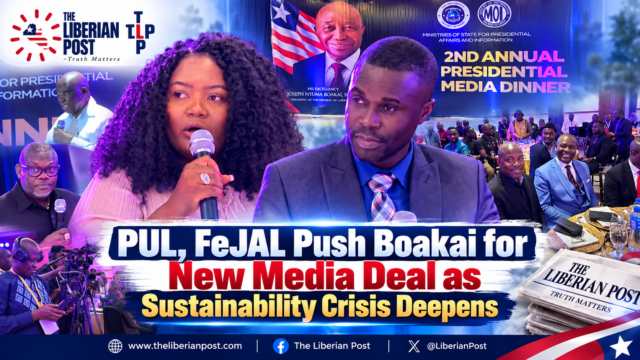
–Kanubah Demands Media Governance and Sustainability Act While Diasay Calls for Independent Journalism Fund; President Faces Question of His Administration’s Media Legacy
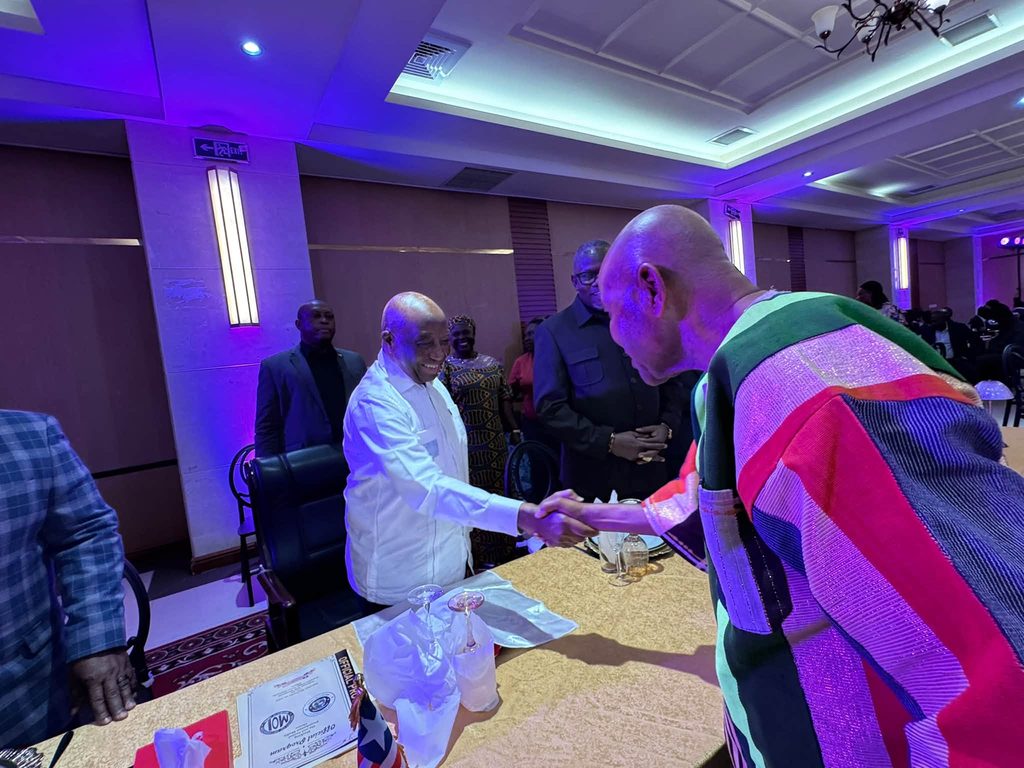
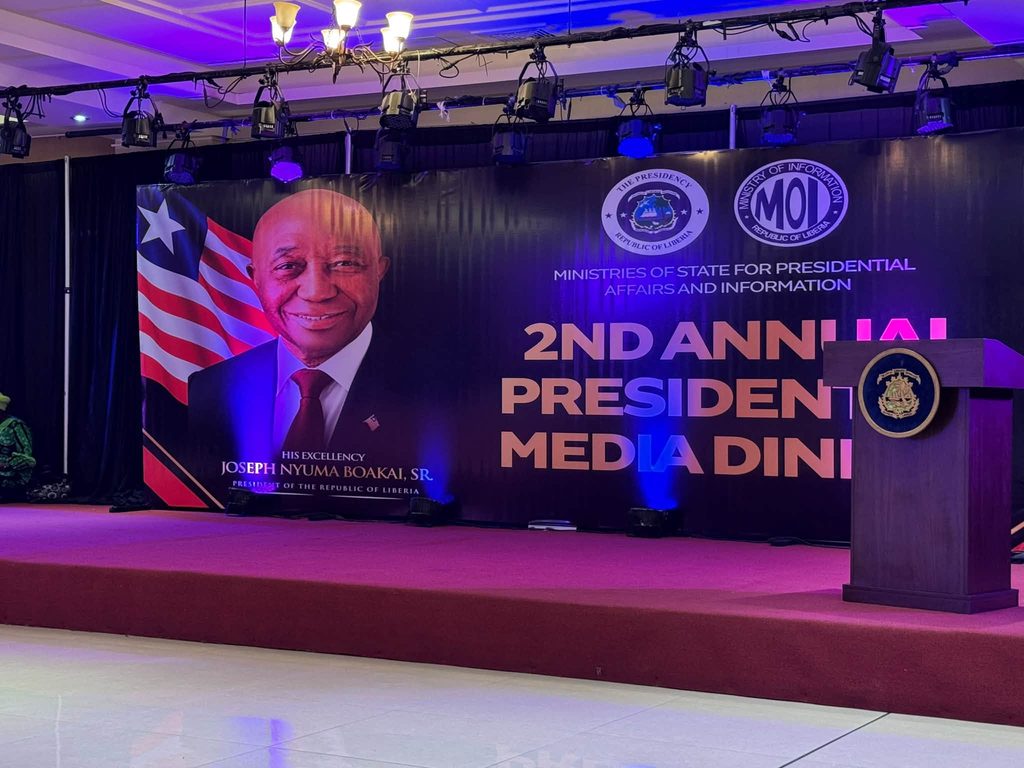
MONROVIA, Liberia — Liberia’s media community used President Joseph Nyuma Boakai’s second annual Presidential Media Dinner Saturday, September 12th night to press for a new government–media compact, with the Press Union of Liberia (PUL) demanding a national media sustainability law and the Female Journalists Association of Liberia (FeJAL) proposing an independent fund for public-interest journalism.
The unusually pointed calls came alongside assurances from the Boakai administration that it would protect press freedom, keep government accessible to journalists and address legitimate debts owed to media institutions.
But the dinner also exposed a deeper challenge confronting Liberia’s media sector: how to preserve independent, professional journalism when advertising revenues are shrinking, donor support is declining and many media organizations struggle to meet basic operating costs.
PUL President Julius Kanubah put the question directly to President Boakai, asking what media legacy his administration intends to leave behind.
“The question is: What will be the media legacy of the Joseph Nyuma Boakai administration?”
Kanubah said previous administrations had left identifiable contributions to Liberia’s media environment, pointing to the Freedom of Information Act under former President Ellen Johnson Sirleaf and the Kamara Abdullah Kamara Act under former President George Weah.
He argued that the Boakai administration now has an opportunity to establish a durable framework for the survival and professional development of Liberia’s independent media.
PUL Calls for Media Governance and Sustainability Act
Kanubah said concerns raised by the Press Union at the first Presidential Media Dinner in April 2025 remain largely unresolved.
Those concerns included the need to transform ELBC into an impartial public-service broadcaster, the deteriorating media economy, difficulties confronting community radio stations, unreliable electricity, inadequate equipment, limited advertising, high operational costs and insufficient professional training.
More than a year later, he said the Union has yet to see significant progress toward comprehensive ELBC reform, structured support for community radio, improved working conditions for journalists or a national media sustainability framework.
PUL is therefore proposing the formulation and enactment of a Liberia Media Governance and Sustainability Act.
Kanubah said the proposed legislation would establish a transparent national framework for supporting independent, ethical and professional journalism.
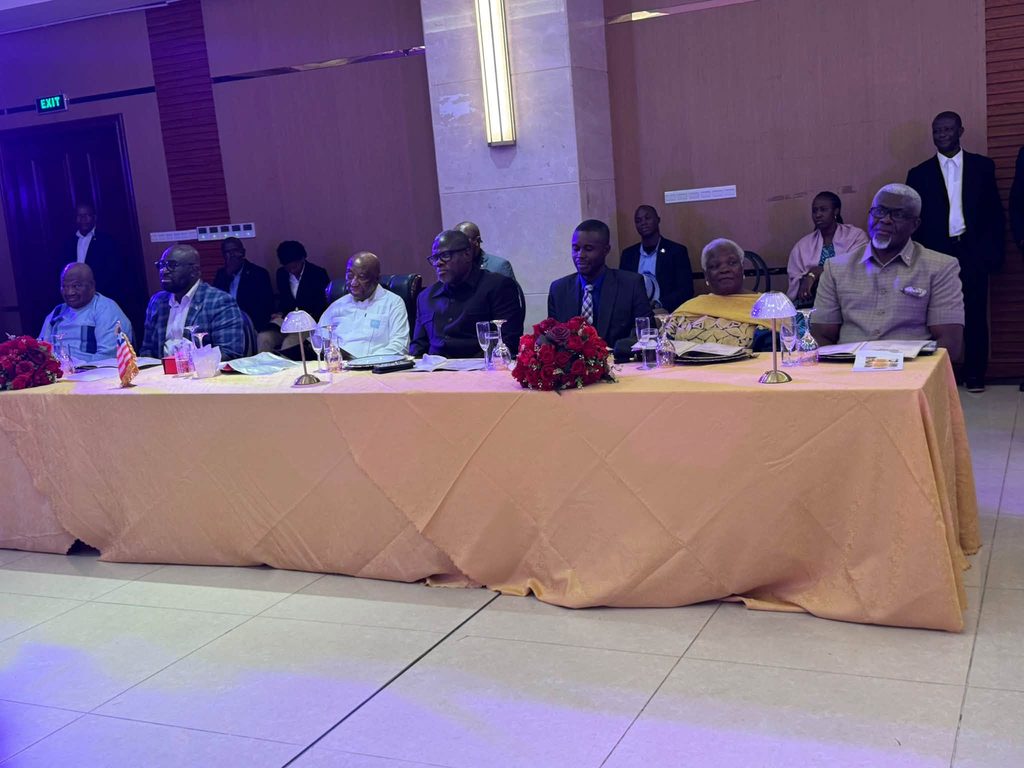
“Credible journalism remains the lifeblood and oxygen of democracy,” he told the President.
The proposal comes amid broader concerns about the financial condition of Liberia’s media industry.
A February 2026 media sustainability forum in Monrovia described the sector’s problems as increasingly structural, with declining advertising revenue, digital disruption and chronic nonpayment threatening the business model supporting independent journalism.
The economic pressure is also affecting journalists directly. In May, Kanubah said journalists’ welfare remained one of the most pressing issues in the sector, citing low wages and difficult working conditions.
FeJAL Proposes Independent Journalism Fund
FeJAL President Lisa Tenneh Diasay added another dimension to the sustainability debate, proposing an Independent Public Interest Journalism Fund.
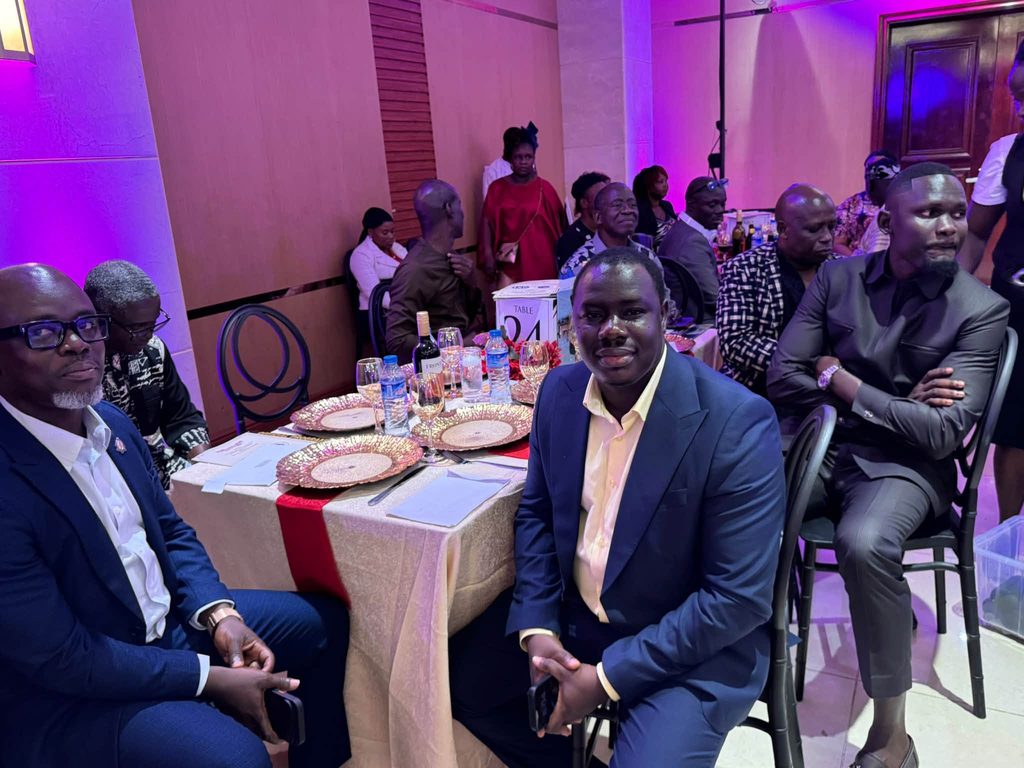
Diasay said declining donor support has made it necessary for government and the media sector to begin discussions on establishing a transparently managed fund dedicated to supporting public-interest journalism.
But she stressed that such a fund must be protected from political interference.
Her proposal effectively seeks to address the financial vulnerability of news organizations without turning government support into government influence over editorial decisions.
Diasay also linked media sustainability to Liberia’s decentralization and inclusion agenda.
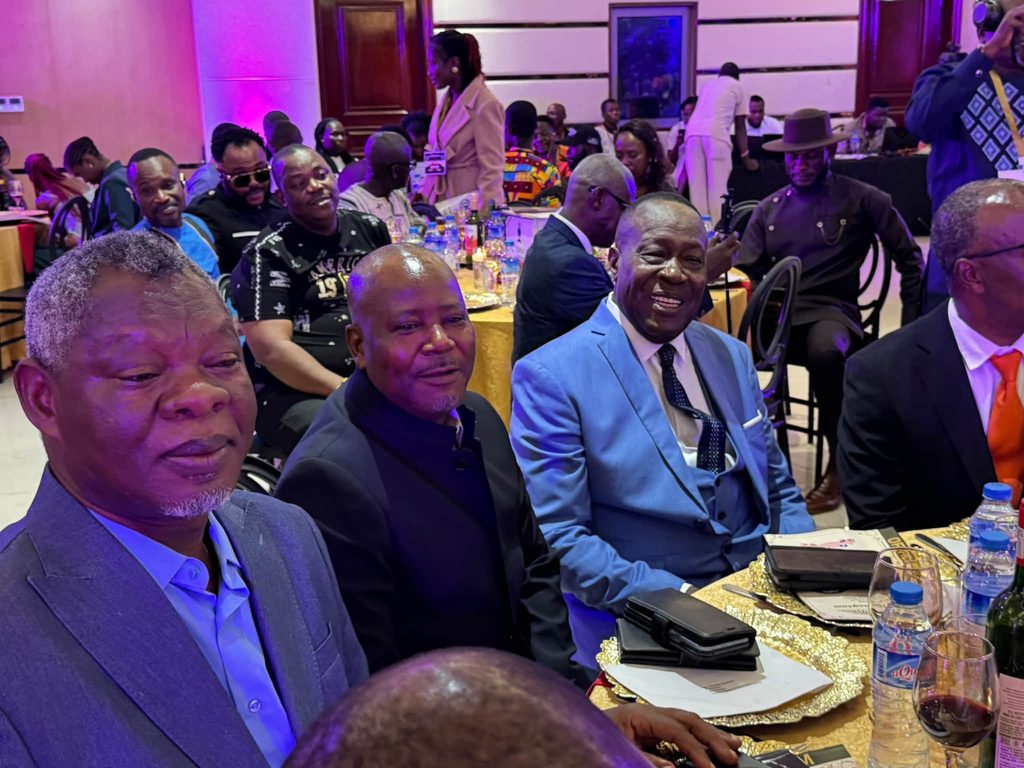
She urged the government to remove duties on broadcast and internet equipment and improve connectivity for county-based media organizations, arguing that national development cannot be properly reported when journalists lack the resources to remain in the communities where roads, clinics, schools and other projects are being implemented.
“Inclusive development that nobody can verify is only an announcement,” Diasay told the President.
She urged the government to provide both the “count” and the “reach” needed for journalists to independently document development.
Her concerns also included the representation of women in decision-making spaces, both inside government and within the media.
Diasay argued that women’s participation must be measured not simply as a matter of sentiment but by their actual presence at decision-making tables and in the rooms where questions are asked and national policies are explained.
Government Says Media Debts Are Being Addressed
Information Minister Jerolinmek Matthew Piah, meanwhile, acknowledged that government has obligations to the media sector.
He said the Ministry of Finance and Development Planning has begun settling legitimate debts owed by previous administrations to media institutions for services rendered and assured journalists that the government remains committed to meeting those obligations.
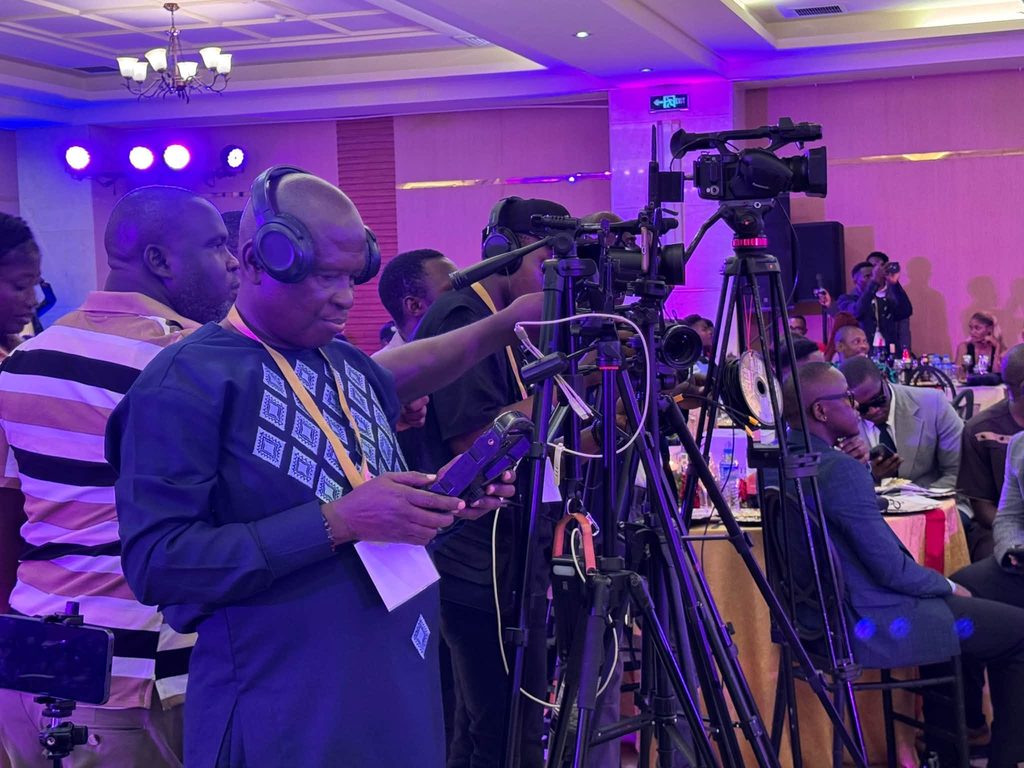
Piah also described the Presidential Media Dinner as an avenue for strengthening collaboration and understanding between government and the media.
He said the annual gathering was intended to create an informal environment where journalists and government officials could interact, network and deepen their relationship.
A Defining Moment for Boakai’s Media Legacy
Kanubah’s appeal for support toward construction of the PUL headquarters added another concrete test to the question of the administration’s media legacy.
He acknowledged the controversy surrounding an earlier US$100,000 contribution made during the Sirleaf administration but said the Union remains committed to transparency and intends to complete its headquarters on land acquired since 1997.
He asked President Boakai to make the dinner a defining moment of intervention toward completing the national home for press freedom, professional development and journalist protection.
The proposals from Kanubah and Diasay arrive as Liberia continues to be regarded as having a comparatively vibrant media environment, while still facing serious economic and security challenges.
Reporters Without Borders ranks Liberia 58th out of 180 countries in its 2026 World Press Freedom Index, with the organization noting the growth of the country’s media landscape alongside continuing attacks against journalists and broader structural challenges.
The United Nations Development Programme has similarly emphasized that independent, professional and responsible journalism remains essential to democracy, peacebuilding, accountability and national development.
The second Presidential Media Dinner therefore ended up raising a question much larger than the relationship between journalists and the Executive Mansion.
It placed before the Boakai administration a choice about what kind of media ecosystem Liberia will have in the years ahead—and what institutional legacy it will leave behind.
For the PUL and FeJAL, the message was clear: protecting press freedom is essential, but freedom without an economically viable media industry may ultimately prove difficult to sustain.
For breaking news, in-depth analysis, and exclusive reports from Liberia and around the world, follow The Liberian Post on Facebook (https://web.facebook.com/profile.php?id=61576017166570) and X, formerly Twitter (https://x.com/LiberianPost).