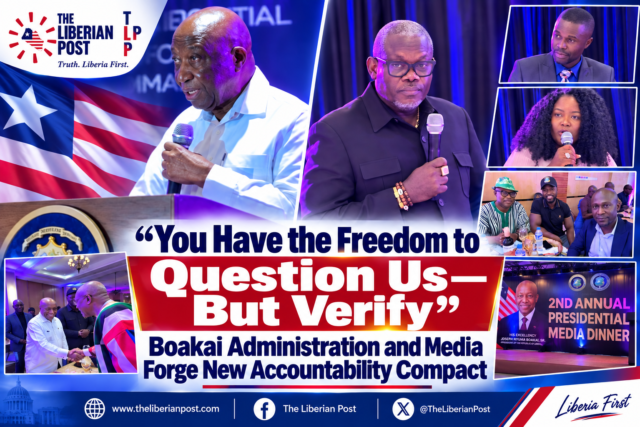
–Second Presidential Media Dinner Brings Government Assurances on Press Freedom Together With Warnings Over Misinformation and Calls for Greater Access
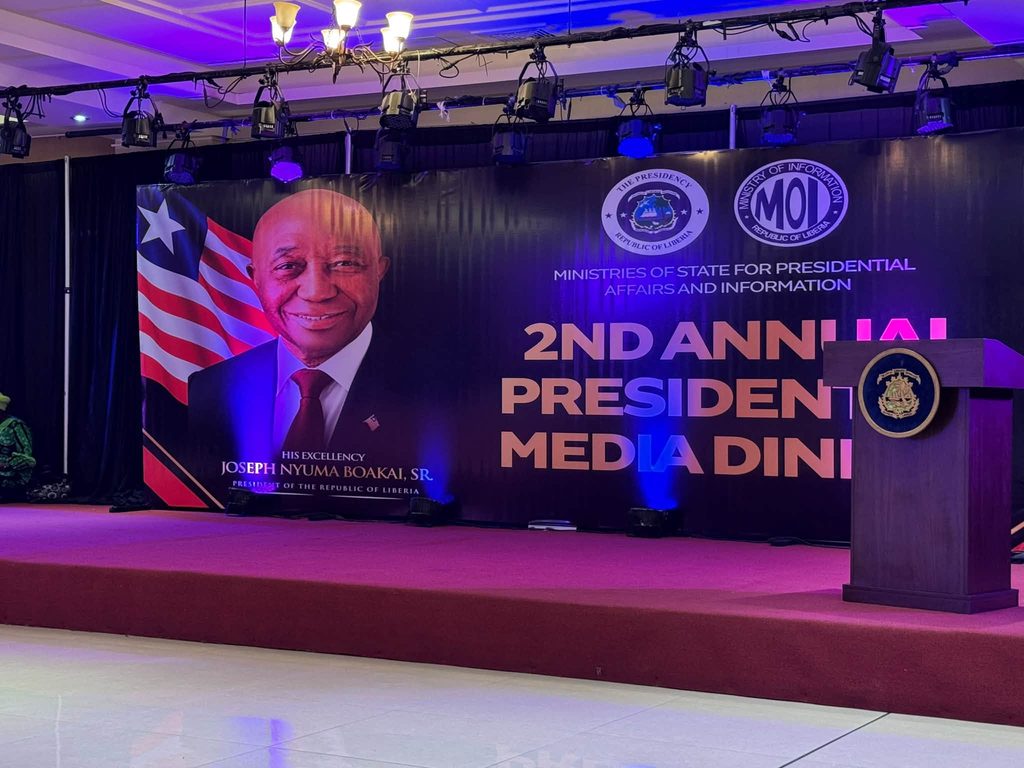
MONROVIA, Liberia — The second Presidential Media Dinner has produced an emerging bargain between Liberia’s government and the press: the government must protect the media’s freedom to question and investigate, while journalists must uphold accuracy, fairness and professional responsibility.
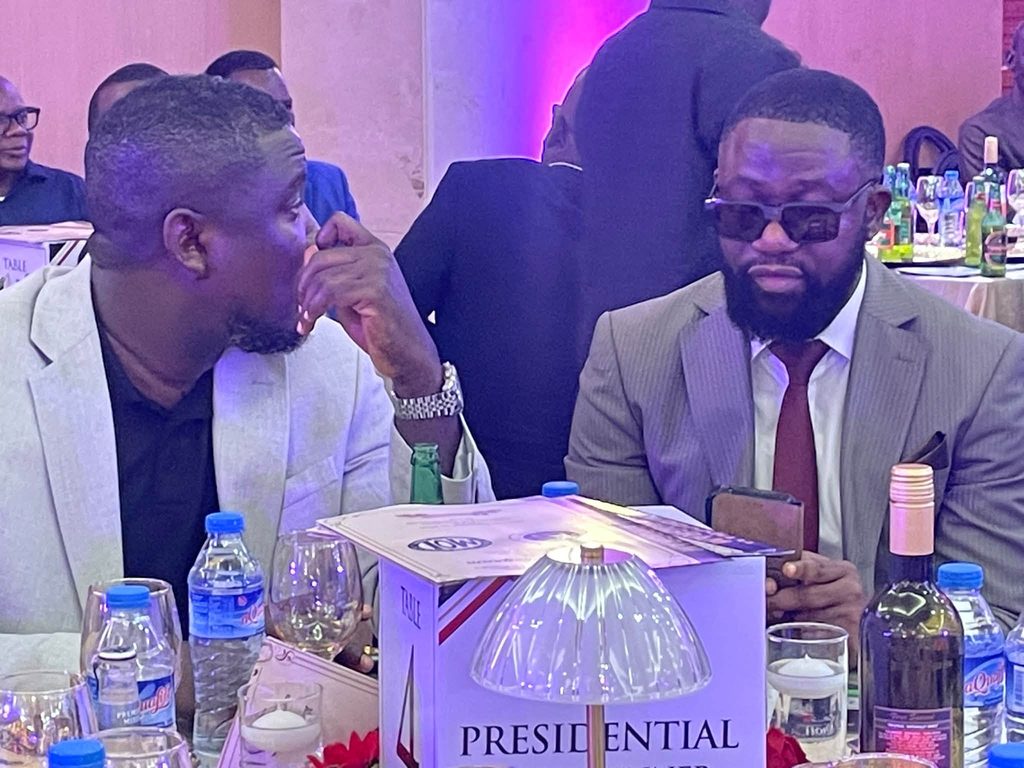
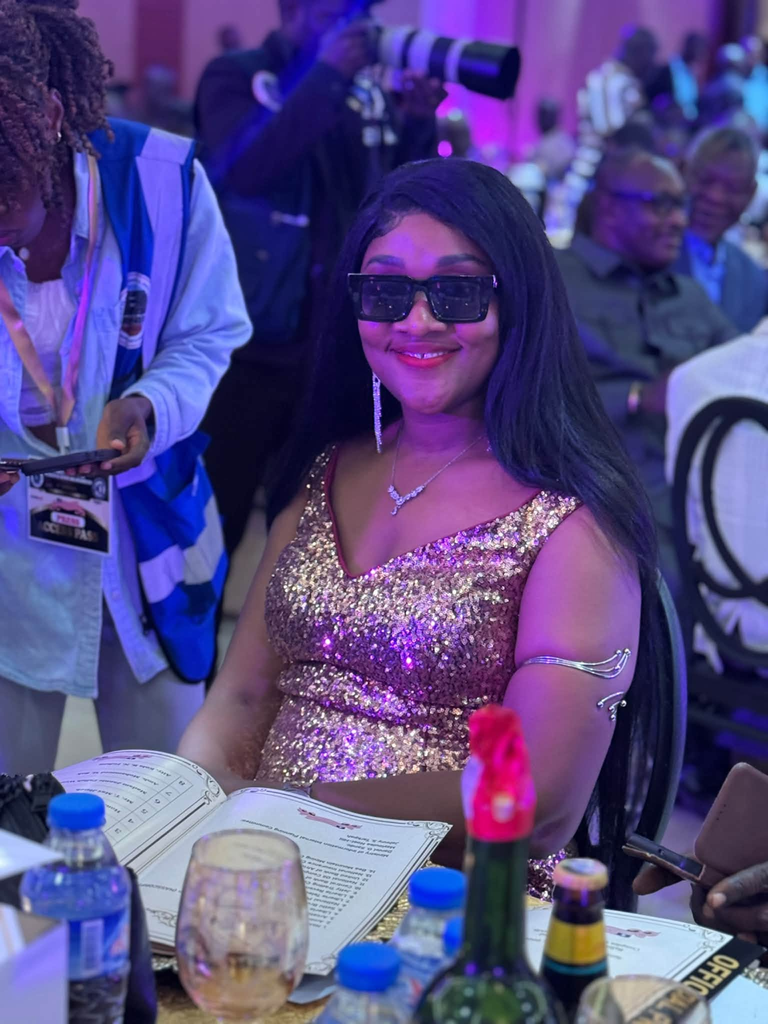
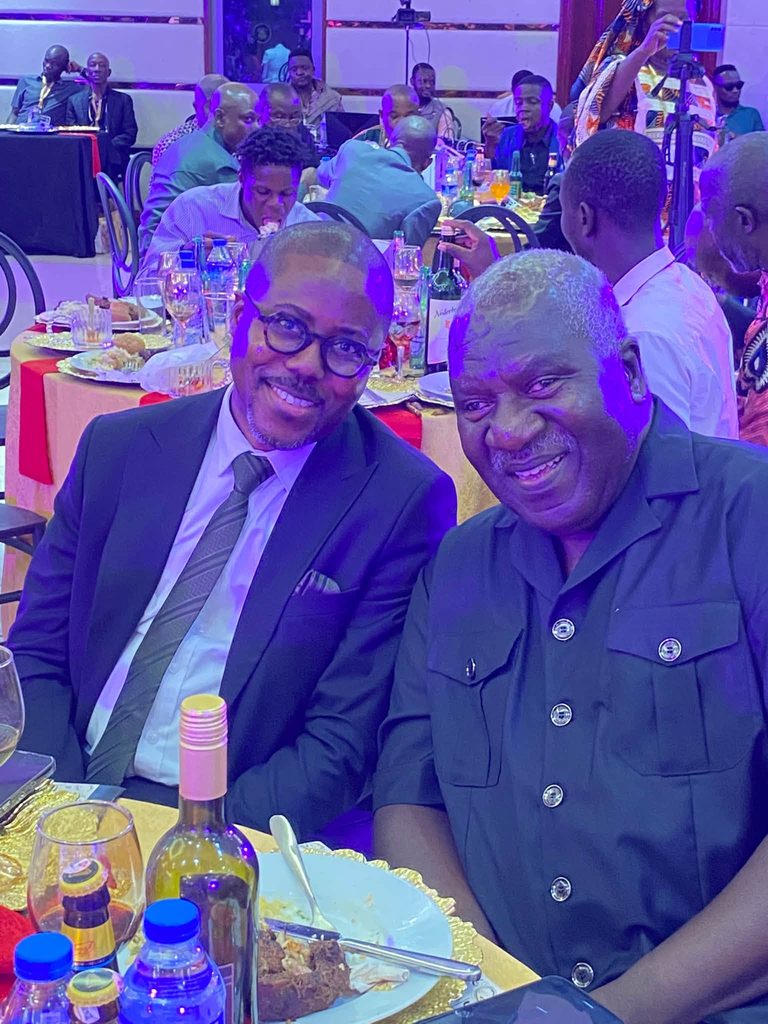
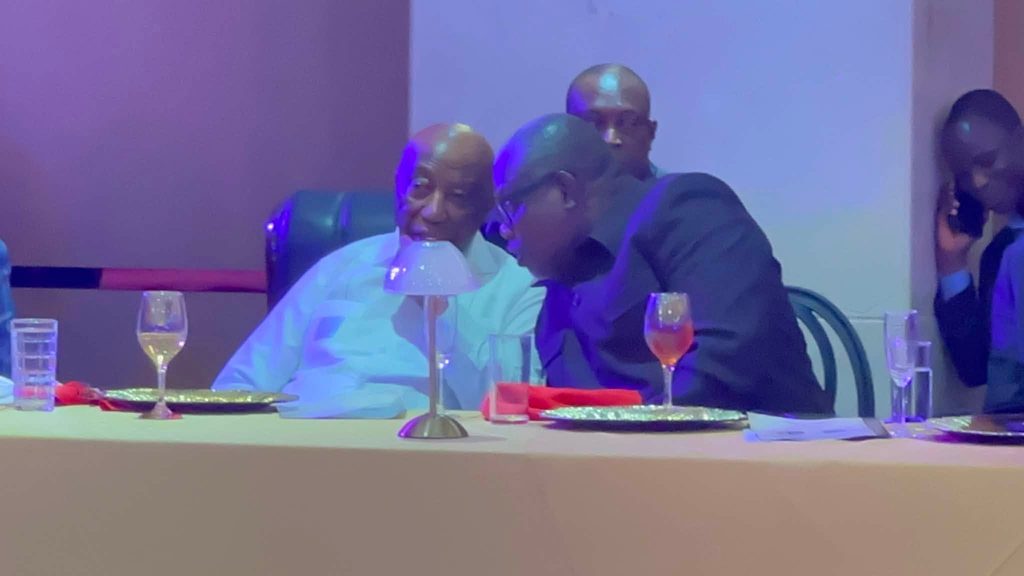
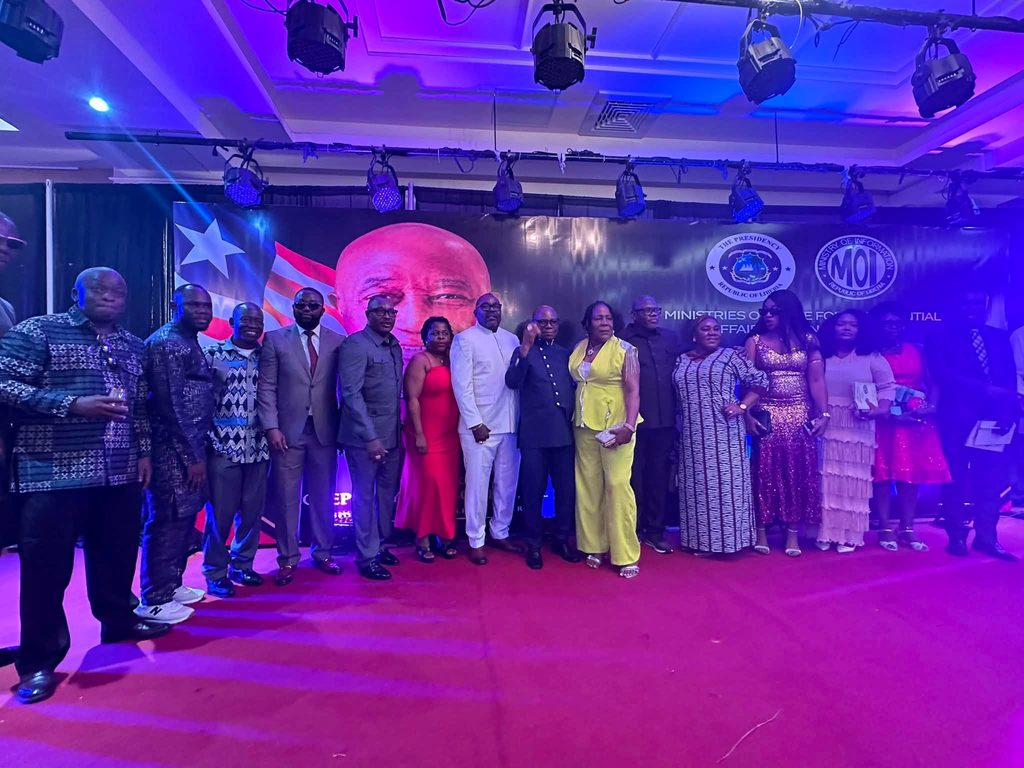
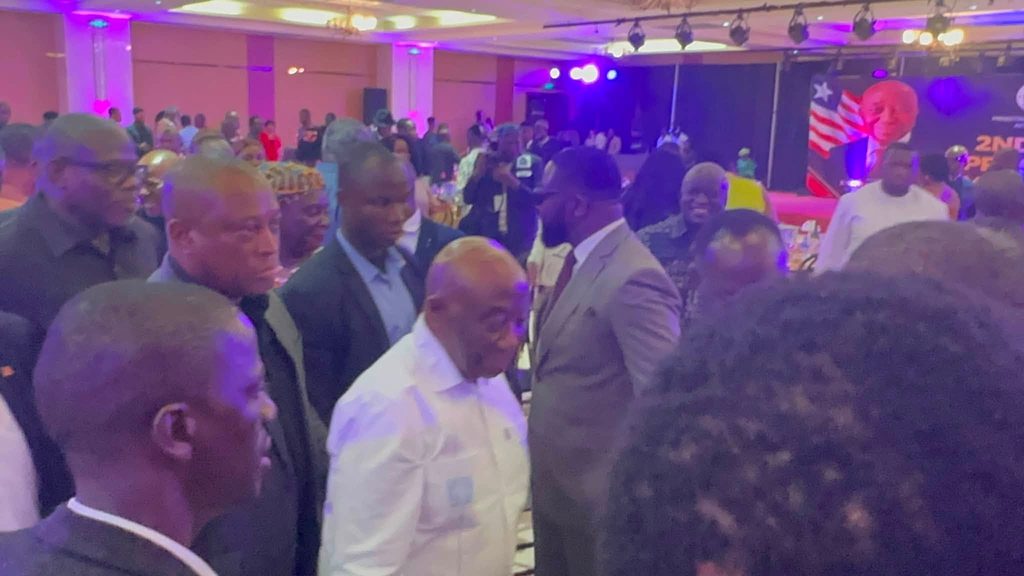
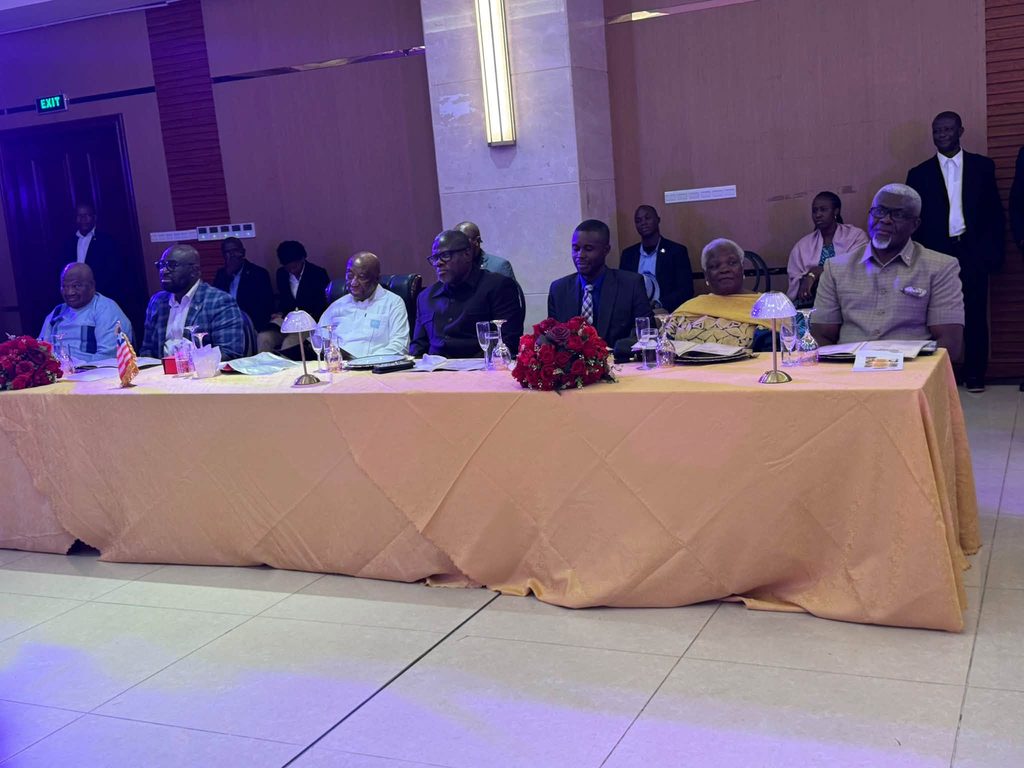
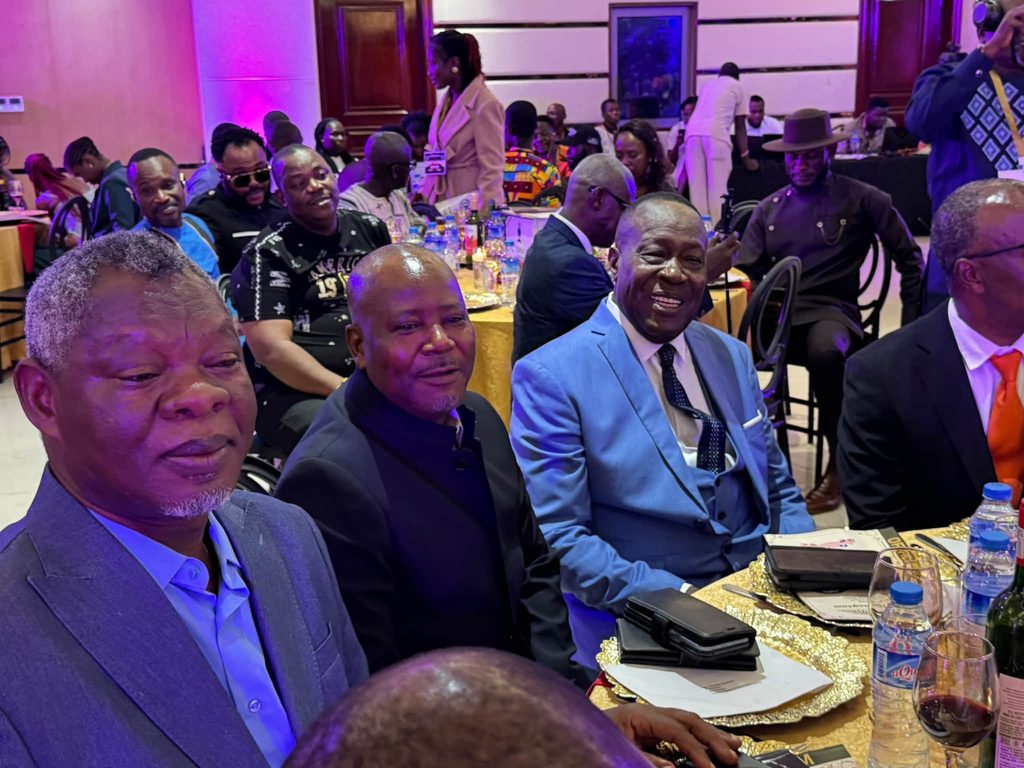
That balance dominated Saturday’s gathering at the EJS Ministerial Complex in Congo Town, where President Joseph Nyuma Boakai, Information Minister Jerolinmek Matthew Piah, Press Union of Liberia President Julius Kanubah and FeJAL President Lisa Tenneh Diasay offered complementary but sometimes demanding perspectives on the future of Liberia’s media.
The message from the government was that journalists should not fear the state.
The message from the media was that government should not expect partnership to mean silence.
And the common ground was that both sides have obligations to the Liberian public.
Government Promises No Return to Media Clampdowns
Information Minister Jerolinmek Piah gave one of the administration’s clearest assurances of its position on press freedom.
He said the government remains committed to free speech and assured the media that no journalist would be censored, no media institution arbitrarily shut down because of its editorial position and no journalist unlawfully detained.
He declared that the “dark days” of government clampdowns on the media are behind Liberia.
The assurances are significant in a country whose post-war democratic recovery has included major reforms to the legal environment surrounding journalism.
The Freedom of Information Act and the Kamara Abdullah Kamara Act have strengthened the legal framework for access to information and freedom of expression, while community radio has expanded the reach of news beyond Monrovia. PUL President Julius Kanubah cited those developments as important achievements that must now be protected and strengthened.
But Piah’s message was not simply one of government restraint.
He also challenged journalists to exercise greater responsibility.
Piah Warns Against Unverified Information
Piah identified what he described as a growing threat to relations between government and media: the continued spread of unverified information through media houses, online platforms and other communication channels.
He warned that inaccurate reports can create fear, damage reputations, generate public confusion and undermine confidence in the media.
In Liberia, he said, information can move rapidly through radio and social media, meaning that an inaccurate report can reach thousands of people within minutes.
His challenge to journalists was straightforward: before publishing, they should ask whether information is true, whether it has been verified, whether it is fair and what consequences could follow if it is wrong.
He called for journalism that investigates rather than assumes, informs rather than misleads and promotes peace rather than undermining it.
The call for accuracy comes against a backdrop in which Liberia’s media sector has increasingly had to navigate the rapid spread of information through digital platforms alongside traditional radio and print journalism.
The United Nations Development Programme has similarly emphasized that press freedom must be accompanied by professionalism and responsibility, describing independent journalism as central to democratic governance and accountability.
Media Says Partnership Cannot Mean Silence
PUL President Julius Kanubah welcomed the administration’s engagement but used the occasion to remind President Boakai that partnership requires concrete action.
He said the media had already raised concerns at the first Presidential Media Dinner in April 2025, including the declining media economy, ELBC reform, community radio challenges, inadequate equipment, high operating costs and journalists’ working conditions.
According to Kanubah, many of those concerns remain unresolved.
His proposed Liberia Media Governance and Sustainability Act is therefore not simply a funding request. It is an attempt to establish a national framework defining how Liberia protects and strengthens independent journalism.
Kanubah also challenged the President to consider the historical record.
“What will be the media legacy of the Joseph Nyuma Boakai administration?”
Diasay: Open the Rooms Where Questions Are Asked
FeJAL President Lisa Tenneh Diasay added another layer to the accountability conversation, arguing that access itself is an important component of press freedom.
She challenged the President to examine who travels with him, who is called upon at briefings and who gets access to sit-down interviews when major national stories develop.
Her argument was that women journalists are not absent from Liberia’s media profession; rather, they are often absent from the rooms where key questions are asked and answers are provided.
Diasay said greater access for women journalists would broaden the questions being asked of government, particularly around markets, health facilities, schools and other issues directly affecting citizens.
She also tied access to resources.
County journalism, she argued, requires reliable connectivity and affordable broadcast and internet equipment.
Her position is particularly relevant to Liberia’s decentralized information environment, where community radio remains an important source of information outside Monrovia.
Boakai Administration: Government and Media Are Partners, Not Adversaries
The President’s remarks, together with Piah’s intervention, framed the relationship as one of partnership rather than control.
The administration’s position is that journalists should be able to question, investigate and criticize government.
At the same time, officials expect journalists to maintain professional standards.
Piah said government and media should see one another as partners with different responsibilities but a shared obligation to the Liberian people.
He acknowledged that the two sides will not always agree, saying disagreement is normal but should never obscure their common responsibility to Liberia.
That formulation may prove to be the most consequential message from the second Presidential Media Dinner.
It rejects the idea that a government-friendly press is necessarily a responsible press, while also rejecting the idea that adversarial journalism must mean inaccurate journalism.
Instead, it proposes a relationship built around access, accountability, verification and mutual respect.
A Relationship Under Pressure
The need for such a compact is underscored by the difficult economic environment facing Liberia’s media.
A 2026 media-sector forum in Monrovia warned that declining advertising revenues, digital disruption and chronic nonpayment were threatening the financial foundation of independent journalism.
At the same time, PUL has warned about journalists’ low wages and difficult working conditions.
Diasay has now proposed an Independent Public Interest Journalism Fund, while Kanubah has called for legislation establishing a national sustainability framework.
Those proposals suggest that the media’s concerns extend well beyond access to the Executive Mansion.
They are increasingly about whether Liberia can maintain a free, independent and professionally capable press outside political and donor dependency.
The Test Is What Happens After the Dinner
The second Presidential Media Dinner succeeded in creating an unusually open conversation between government and journalists.
But the real test will come after the speeches.
Will government access expand?
Will outstanding media debts continue to be settled?
Will ELBC reform advance?
Will community radio receive more structured support?
Will journalists’ working conditions improve?
Will women journalists gain greater access to national decision-making spaces?
And will the proposed Media Governance and Sustainability Act and Independent Public Interest Journalism Fund move from ideas into serious policy discussions?
Those questions now sit at the center of the government–media relationship.
For President Boakai’s administration, the challenge is to demonstrate that its pledge of an open and accessible government can survive difficult questions.
For the media, the challenge is to demonstrate that greater access and freedom will be matched by rigorous verification, fairness and professional responsibility.
That may ultimately be the most important outcome of the second Presidential Media Dinner: not agreement on everything, but an acknowledgment that Liberia needs both a free press and a responsible press—and that neither government nor journalists can build that environment alone.
For breaking news, in-depth analysis, and exclusive reports from Liberia and around the world, follow The Liberian Post on Facebook (https://web.facebook.com/profile.php?id=61576017166570) and X, formerly Twitter (https://x.com/LiberianPost).