
–Finance Minister Says Growing Domestic Revenue Will Expand Government’s Ability to Fund Health Services, Promises Action on CT Scan, X-Ray and Incinerator Needs
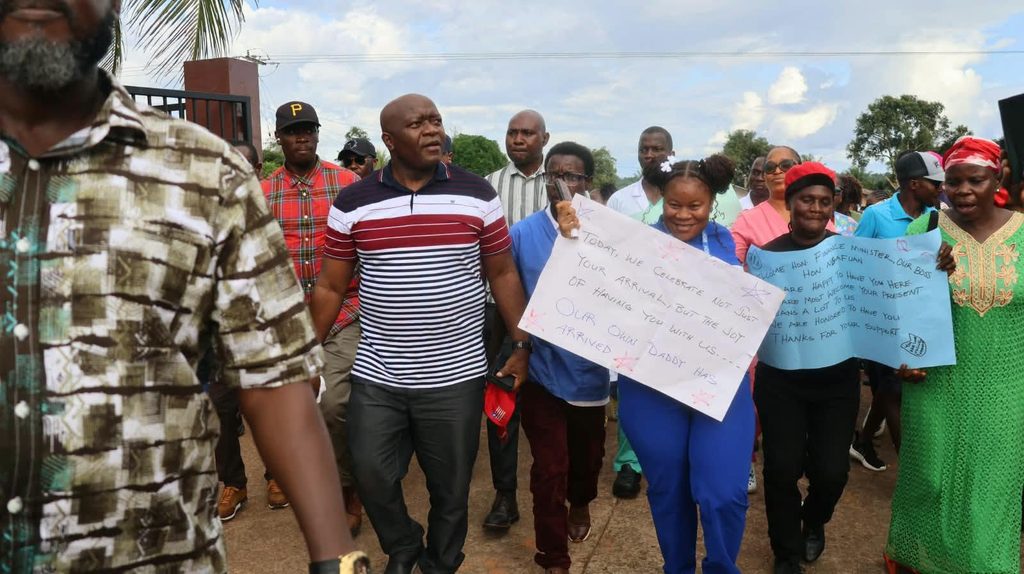
TAPPITA, NIMBA CO., Liberia — Finance and Development Planning Minister Augustine Kpehe Ngafuan has pledged additional government support to the Jackson F. Doe Referral Hospital in Nimba County, identifying the facility’s urgent equipment and infrastructure needs as Liberia moves toward a historic US$1 billion domestic revenue milestone.
Ngafuan made the commitment during a stop at the referral hospital while traveling to Maryland County, where he is expected to deliver a speaking engagement at Tubman University.
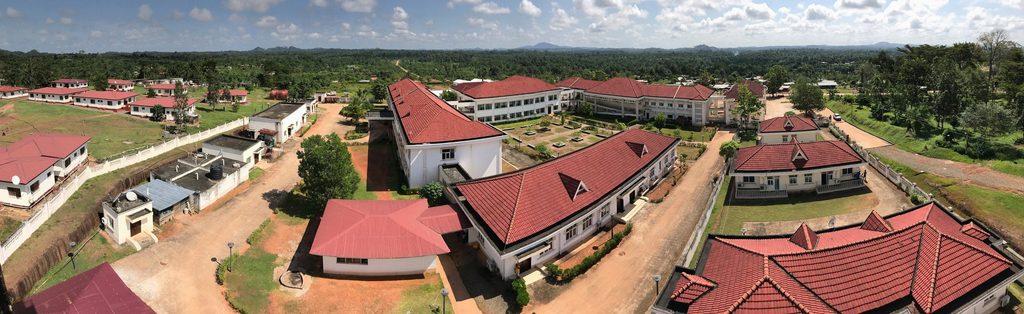
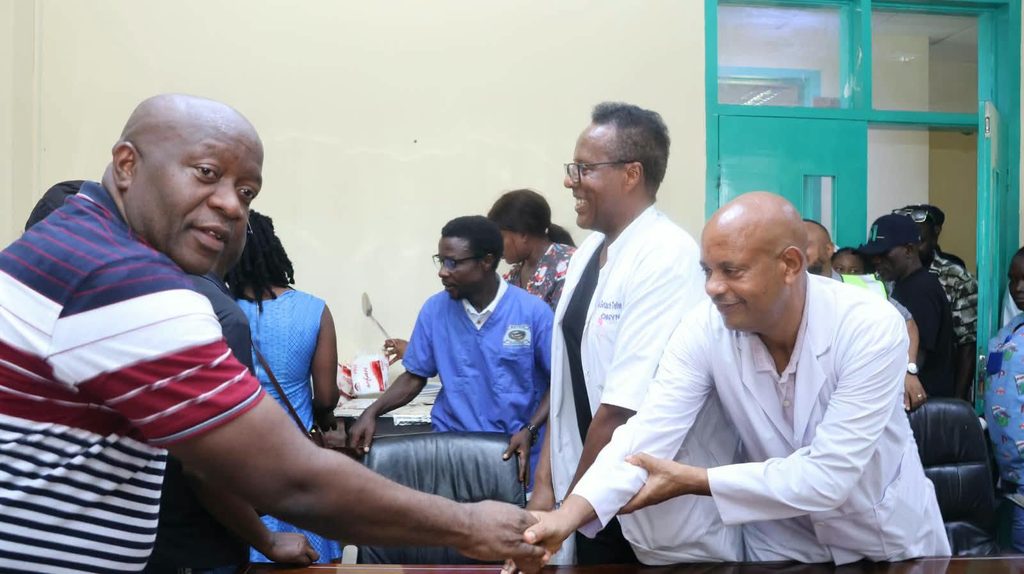
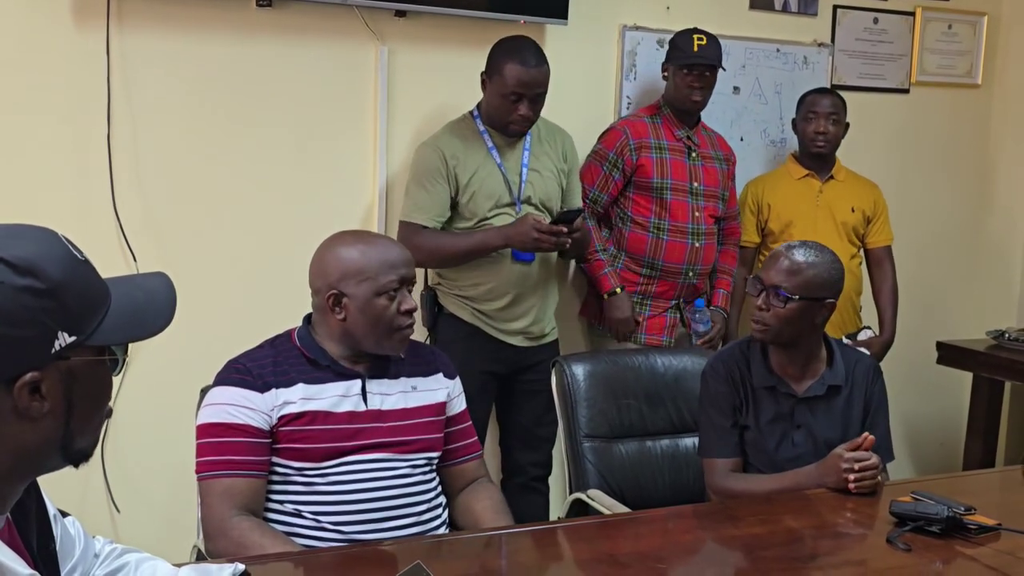
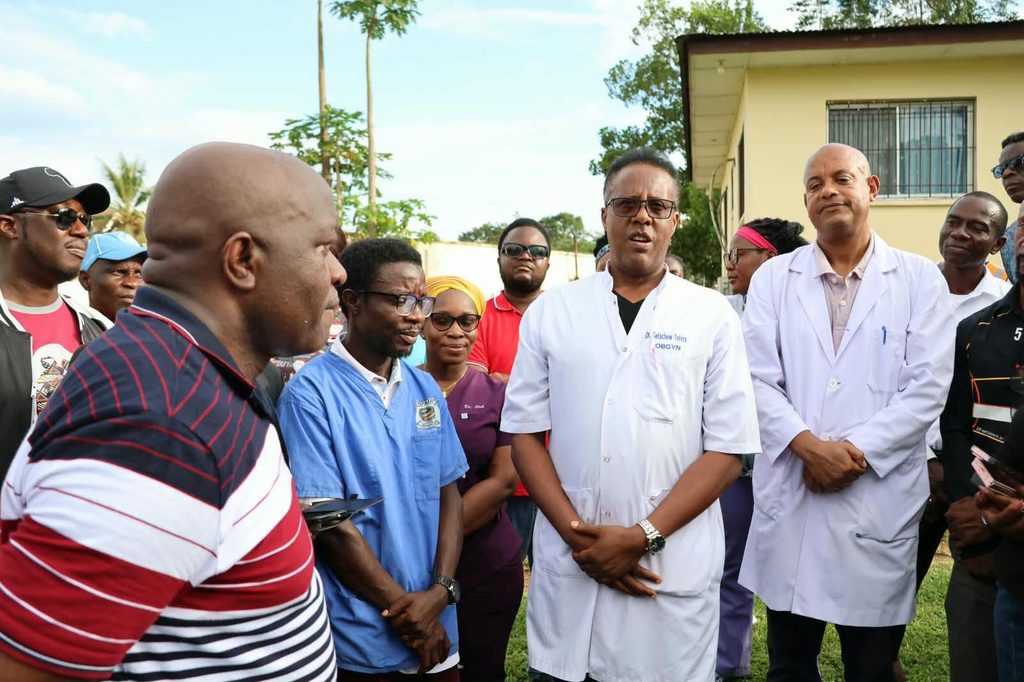
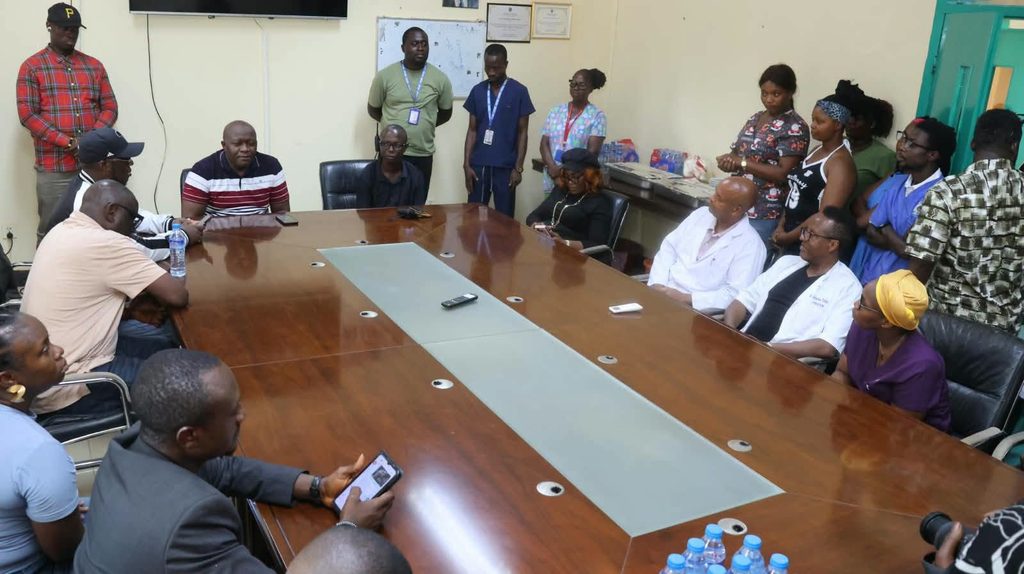
The Finance Minister met hospital management, doctors, nurses, administrative personnel and other staff during the visit, while also touring projects and facilities financed through the national budget.
Ngafuan said the visit was intended to allow budget officials to see firsthand how public resources are being used and to gather information that could inform future budgetary decisions.
“We’ve decided to come, to see, to hear,” Ngafuan told hospital staff, adding that the delegation had collected data and documented some of the hospital’s needs.
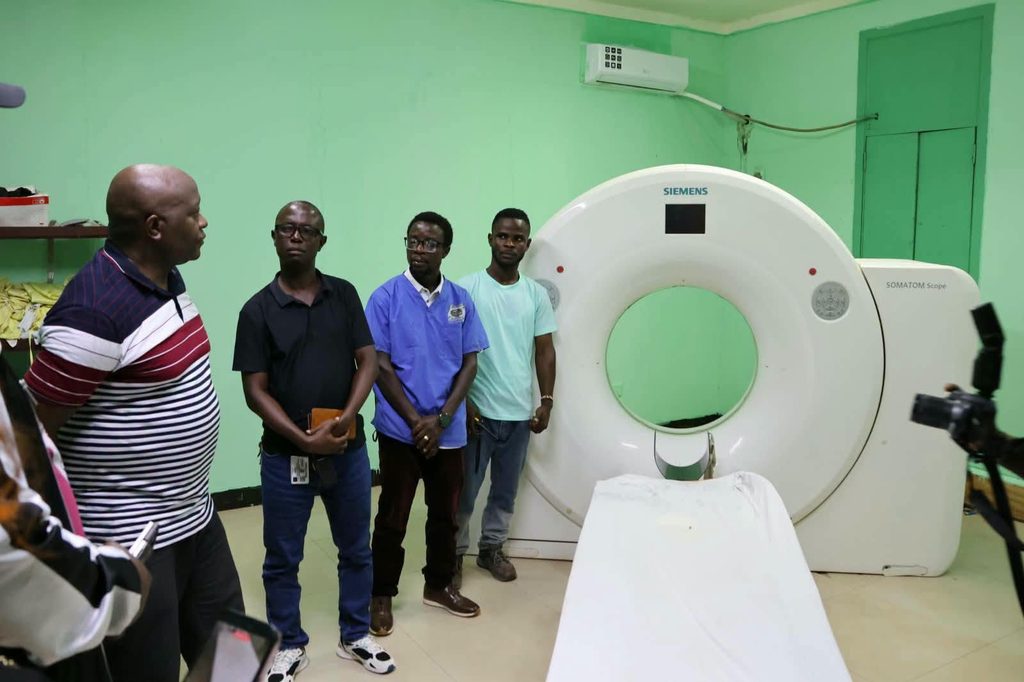
Among the needs identified during the visit were a new CT scan machine, replacement of the hospital’s X-ray equipment and additional incinerators to handle sensitive medical waste.
Ngafuan said President Joseph Nyuma Boakai’s foundation had already donated an X-ray machine, but acknowledged that government would need to provide further assistance.
“Thanks to the President, his foundation, the JNB Foundation, he has donated one x-ray machine. But the government will have to step up,” Ngafuan said. “And I can assure you that we will step up.”
He also said the need for incinerators required urgent attention because of the sensitive nature of medical waste generated at the hospital.
Budget Investments Already Visible
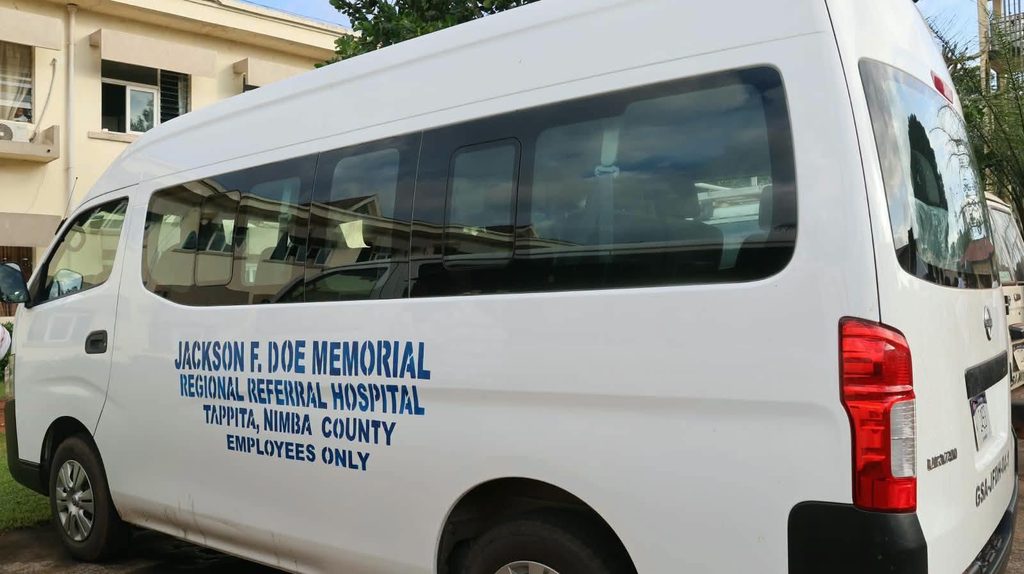
During the tour, hospital officials showed Ngafuan a number of projects and assets funded through the national budget, including seven vehicles: buses and ambulances, a new generator room and an expansion project for the emergency room.
The hospital’s Chief Administrative Officer, Julius Gleekia, thanked the Finance Minister and the government for increased support, saying the institution’s budget had grown from approximately US$2.1 million to US$3.9 million under the current administration.
Gleekia said the increased allocation was helping the hospital implement projects and provide services, while urging government to continue increasing support in future budgets.
He linked the improvements to the administration’s development agenda, saying staff wanted to “continually feel the impact” of the ARREST Agenda for Inclusive Development (AAID) and the government’s Rescue Agenda.
Ngafuan, in response, praised the hospital’s workforce, including local and foreign doctors, nurses, administrators and support staff, and said improving their conditions of service remained an important responsibility of government.
He used a football analogy to describe the Finance Ministry’s role in supporting frontline government institutions.
“We are the midfielder,” Ngafuan said. “We are there to supply the ball for others to score.”
‘Liberia Would Hit the $1 Billion Mark’
Ngafuan also used the hospital visit to point to what he described as a historic development in Liberia’s public finances.
He told hospital staff that Liberia was only days away from reaching US$1 billion in domestic revenue, emphasizing that the milestone would be based on locally generated resources rather than borrowed funds or donor financing.
“Liberia, your country, my country, would hit the $1 billion mark in domestic revenue,” Ngafuan said. “Yes, domestic revenue. We’re not talking about borrowed funds. We’re not talking about donor money.”
The Finance Minister said the achievement belonged to the Liberian people and pointed to the Jackson F. Doe Hospital as evidence of what increased government resources were already helping to finance.
He cited salaries for health workers, support for foreign medical professionals, vehicles and ambulances, power infrastructure and expansion of the emergency room among the areas receiving budgetary support.
The comments come as Liberia’s domestic revenue collections have climbed sharply in recent months. The Liberian Post reported earlier this month that collections had reached US$954.7 million, leaving US$45.3 million to reach the billion-dollar mark.
Ngafuan had previously projected that Liberia would reach the historic threshold in September, describing the milestone as an opportunity to expand fiscal space for roads, electricity, schools, healthcare and employment.
‘Next Year Will Be Much Better’
Ngafuan told hospital staff that the government may not be able to address every need in the next budget, but insisted that the growing national budget would enable government to do more.
“The assurance we gave you, we may not be able to solve all the problems next year, but next year will be much better than this year,” he said.
He explained that the government’s growing revenue base was creating greater room for investment, while acknowledging that demand for public resources already exceeds available financing.
According to Ngafuan, preliminary analysis shows that requests from government institutions exceed US$2 billion, meaning even a billion-dollar budget cannot satisfy every demand.
“A billion dollar budget can’t solve all the problems,” he said, but added that as the budget grows, “the ambitions of the country are growing.”
Health Investment Comes Under Closer Budget Scrutiny
The Jackson F. Doe visit reflects a broader effort by the Finance Ministry to link budget allocations to actual conditions and service delivery across Liberia.
Ngafuan has recently conducted similar field engagements with government institutions, including health infrastructure projects, as part of preparations for future budget decisions. The Liberian Post reported last month that he called for accelerated work on the New Redemption Hospital in Montserrado, stressing that government must ensure major health investments are completed and operationalized.
At Jackson F. Doe, however, the immediate focus was on strengthening an existing referral facility serving patients from Nimba and surrounding southeastern counties.
As Ngafuan continues his journey to Maryland County, his message from Nimba was that Liberia’s growing fiscal capacity should increasingly be visible in the institutions delivering essential services.
For Jackson F. Doe Hospital, that now includes expectations that government will follow through on the promised support for a new CT scan, replacement X-ray equipment and incinerators—while sustaining funding for staffing, emergency care and other critical operations.
For breaking news, in-depth analysis, and exclusive reports from Liberia and around the world, follow The Liberian Post on Facebook (https://web.facebook.com/profile.php?id=61576017166570) and X, formerly Twitter (https://x.com/LiberianPost).