–A Free Press and An Accountable Government Are Not Adversaries—They Are Partners in Building Liberia
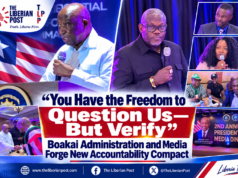
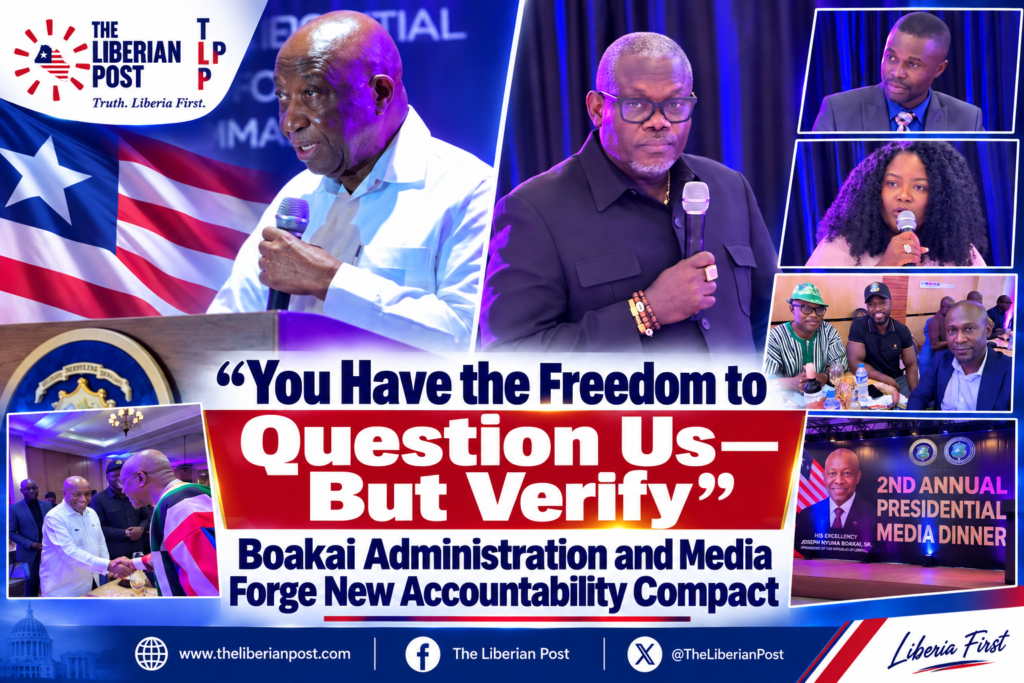
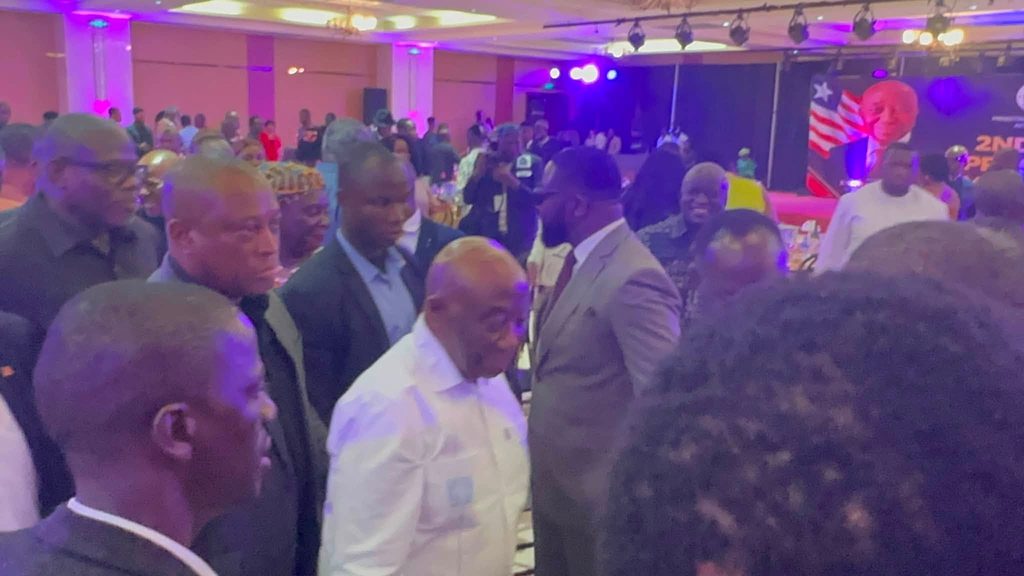
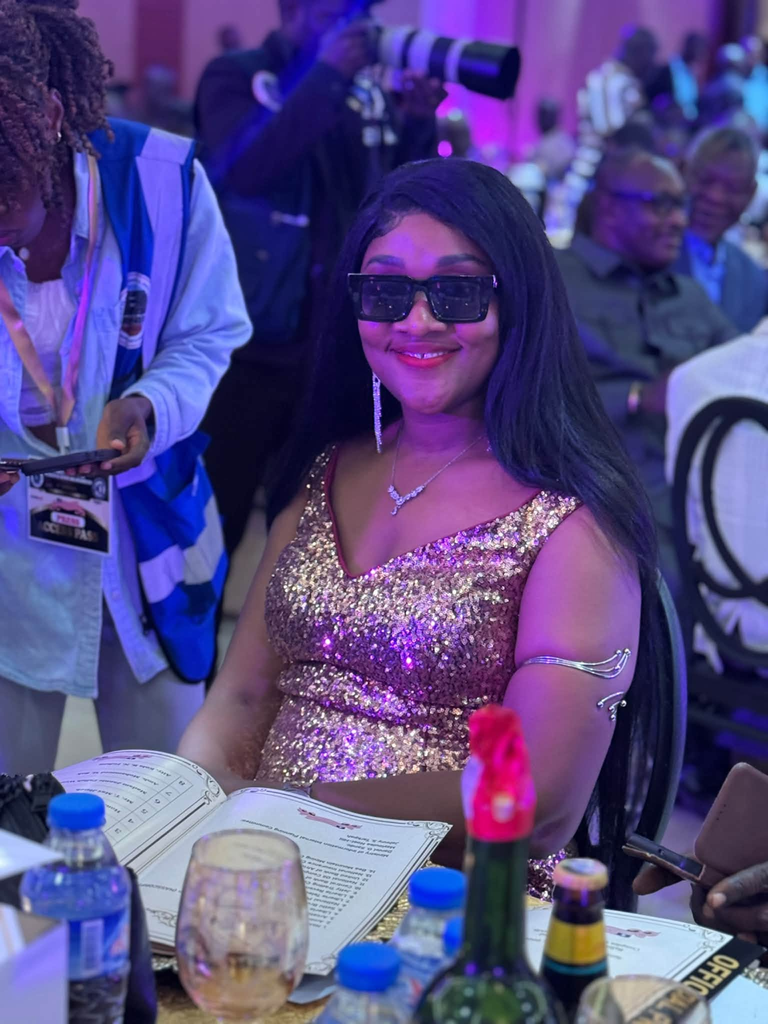
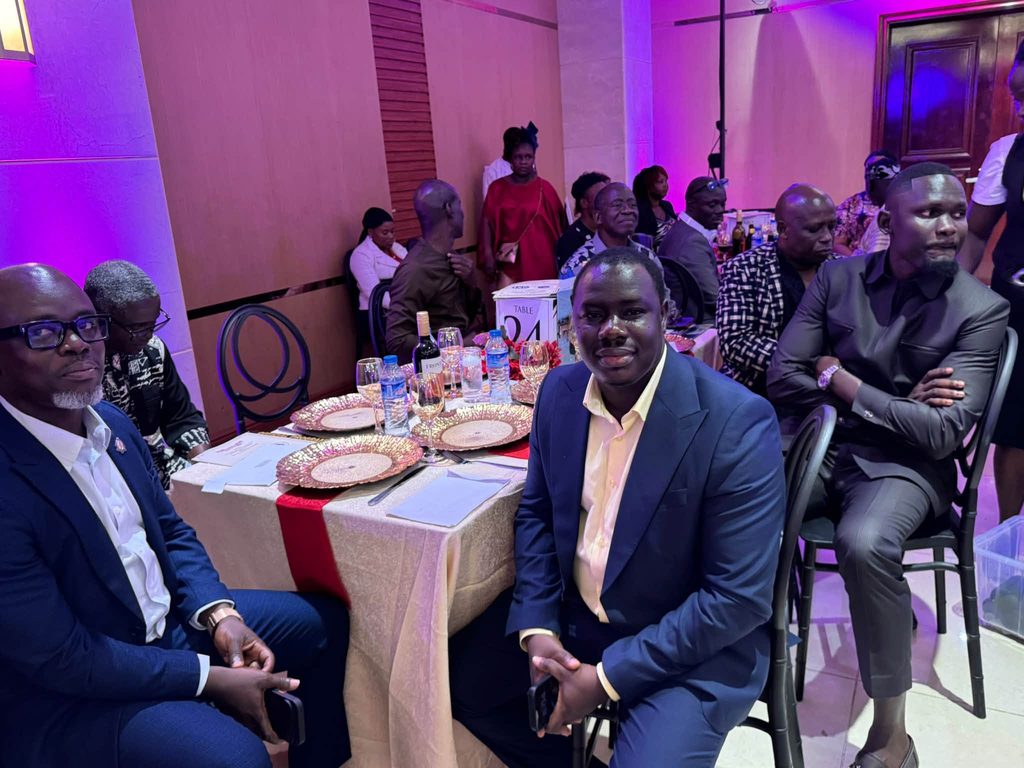
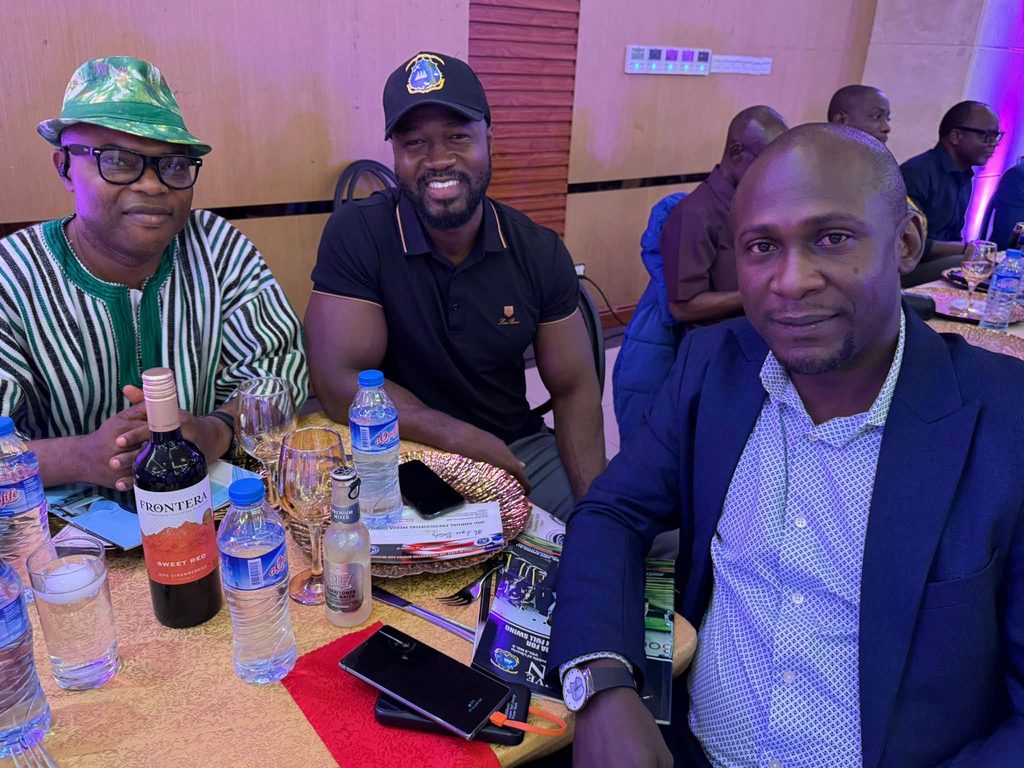
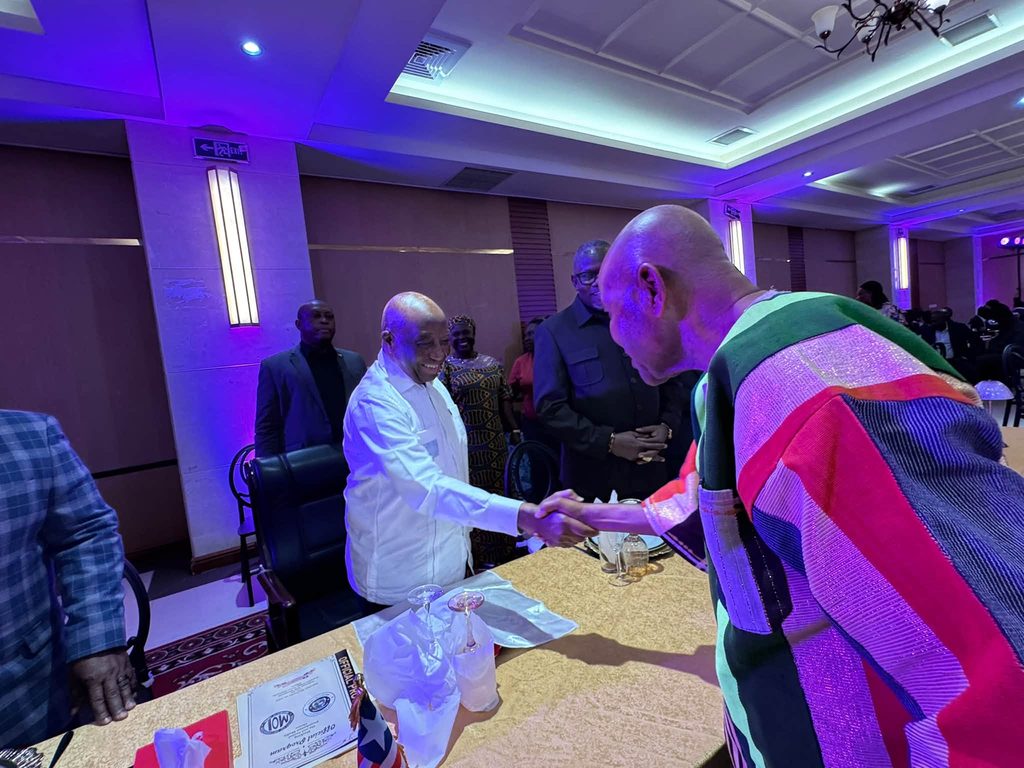
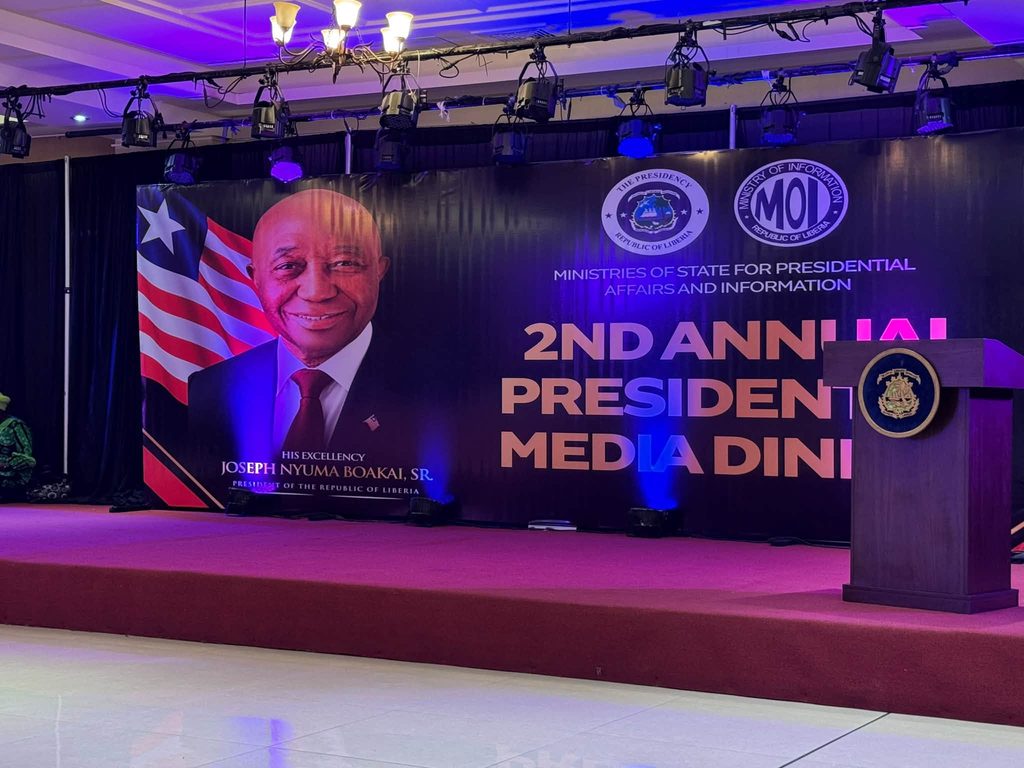
THE SECOND PRESIDENTIAL Media Dinner has come and gone, but the most important thing that emerged from the gathering was not the ceremony, the networking or the dinner itself. It was the conversation about the relationship between the Liberian government and the country’s media.
FOR A COUNTRY whose democratic journey has been shaped by both the power of government and the resilience of the press, that conversation could not have come at a more important time. Liberia needs to ask a fundamental question: What should government expect from the media, and what should the media expect from government?
OUR ANSWER IS straightforward: government needs a free, professional and courageous press, while the press needs an open, accessible and accountable government. Above both institutions, however, stands the Liberian people, whose right to accurate information and accountable governance must remain the ultimate consideration.
THAT SHOULD BE the foundation of the partnership Liberia builds from this point forward.
Partnership Does Not Mean Agreement
PARTNERSHIP DOES NOT mean agreement on every issue. Minister of Information Jerolinmek Matthew Piah made an important distinction at the dinner when he emphasized that government and the media have different responsibilities but a shared obligation to the Liberian people.
THAT DISTINCTION DESERVES serious attention. A government that expects journalists to praise everything it does is not seeking partnership; it is seeking public relations. Conversely, a media organization that believes its responsibility is to oppose everything government does is not practicing journalism; it is practicing partisanship.
PROFESSIONAL JOURNALISM MUST be able to applaud what works while challenging what fails. President Joseph Nyuma Boakai reinforced this principle in his remarks, emphasizing that positive reporting about Liberia does not mean ignoring the country’s challenges. Journalists must investigate, criticize, question and hold government accountable while also telling the story of Liberia’s resilience and progress.
THIS IS PRECISELY THE relationship Liberia needs. The media must not become an extension of government, but government must also stop treating every critical headline as an act of hostility.
CRITICISM IS PART of democracy. A government confident in its record should have enough institutional maturity to withstand scrutiny.
Government Must Protect the Space for Journalism
THE BOAKAI ADMINISTRATION’S ASSURANCES on press freedom are therefore important. Minister Piah said government would not censor journalists, arbitrarily shut down media institutions because of editorial positions or unlawfully detain journalists.
SUCH ASSURANCES SHOULD not remain statements delivered at presidential dinners. They should become an enduring standard of governance.
AN OPEN GOVERNMENT SHOULD make information accessible, respond to legitimate questions, facilitate journalists’ access to public officials and institutions, and recognize that scrutiny is an essential part of public service.
GOVERNMENT OFFICIALS SHOULD not determine whether a journalist is “good” or “bad” based on whether that journalist agrees with them. The proper measure should be whether the journalist is accurate, fair, ethical and evidence-driven.
AT THE SAME TIME, government must recognize that withholding information often creates the very environment in which rumors, speculation and misinformation flourish.
TRANSPARENCY IS THEREFORE not simply a democratic obligation. It is also one of the strongest antidotes to misinformation.
But Freedom Comes With Responsibility
THE MEDIA CANNOT demand freedom while neglecting responsibility. This was another important message from Minister Piah, who warned about the growing spread of unverified information and its potential consequences for individuals, institutions and society.
FALSE OR POORLY verified reporting can damage reputations, create fear, confuse the public and undermine confidence in journalism. But the answer to this problem cannot be government control of the press.
THE ANSWER IS stronger journalism.
BEFORE PUBLISHING, JOURNALISTS should ask: Is it true? Can we prove it? Have we sought the other side? Is the language fair? What happens if we are wrong?
THESE ARE NOT restrictions on journalism. They are the foundations of journalism.
LIBERIA’S MEDIA MUST therefore embrace rigorous verification, responsible sourcing and professional ethics. Independence becomes more powerful—not less—when journalism is demonstrably credible.
Government Cannot Demand Professional Journalism While Ignoring Its Economic Reality
THERE IS ANOTHER side of this partnership that must be confronted honestly: a free press cannot survive on principles alone.
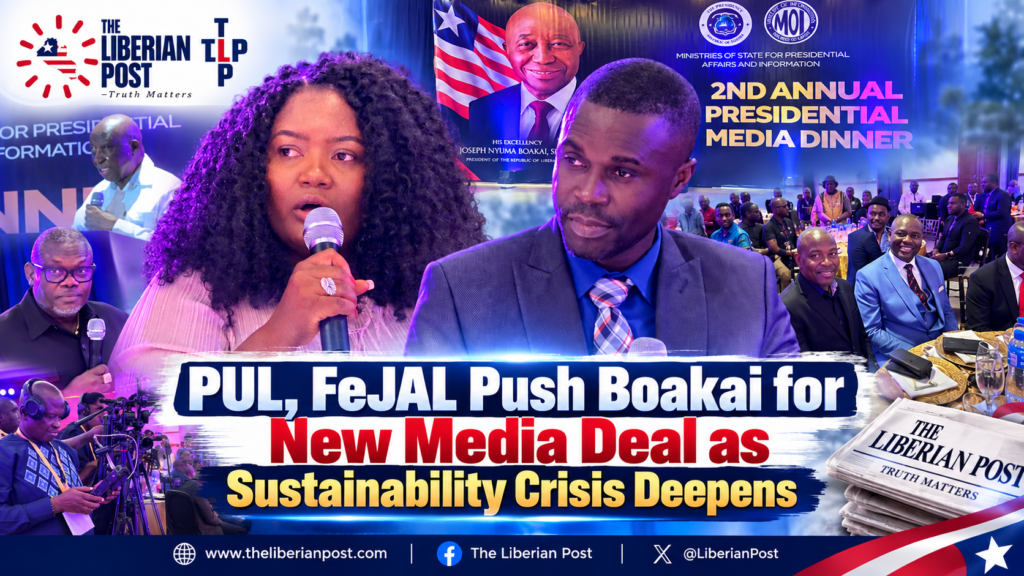
PUL PRESIDENT JULIUS Kanubah used the media dinner to remind President Boakai that many of the concerns raised during the first Presidential Media Dinner remain unresolved. They include the declining media economy, inadequate equipment, unreliable electricity, limited advertising, high operational costs, insufficient training and the difficult operating environment facing community radio.
THESE ARE NOT merely complaints from journalists. They are questions about the infrastructure of democracy.
IF A COMMUNITY radio station cannot afford electricity or functioning equipment, how does it keep citizens informed? If a county reporter cannot afford transportation or reliable internet connectivity, how does the public learn what is happening outside Monrovia?
IF NEWSROOMS REMAIN financially unstable and journalists struggle with inadequate compensation and resources, how can Liberia build the investigative capacity necessary to expose corruption and hold powerful institutions accountable?
THESE QUESTIONS DESERVE serious policy attention.
THAT IS WHY the PUL’s proposal for a Liberia Media Governance and Sustainability Act deserves national discussion. Such legislation should not create government-controlled journalism. It should create conditions in which independent journalism can survive independently.
Diasay’s Proposal Deserves Serious Consideration
FEJAL PRESIDENT LISA Tenneh Diasay offered another potentially important element of the conversation: the establishment of an Independent Public Interest Journalism Fund.
THE IDEA DESERVES serious examination, particularly at a time when donor support for media initiatives is shrinking and the traditional advertising model is under increasing pressure.
BUT ANY SUCH fund must be designed with one principle firmly protected: editorial independence.
GOVERNMENT SUPPORT SHOULD never become government ownership of the news agenda. If Liberia establishes a public-interest journalism fund, it must be independently and transparently managed, with safeguards against political interference.
THE SAME PRINCIPLE SHOULD apply to government investment in media infrastructure, community radio, journalism training and public broadcasting. The objective should be to strengthen the media’s capacity to serve the public—not to make journalists dependent upon political goodwill.
Take Journalism Beyond Monrovia
DIASAY ALSO MADE an important argument about geographic inclusion. Liberia’s development story cannot be adequately told from Monrovia alone.
THE ROADS BEING constructed in Grand Gedeh, the health facilities being renovated in Lofa, the schools being improved in Grand Bassa and agricultural initiatives being implemented across the country require independent reporting from the communities where those developments are taking place.
THAT REQUIRES reliable connectivity, functioning equipment, transportation and viable county-based news operations.
IF THE BOAKAI administration genuinely believes in inclusive development, then inclusive information must be part of that agenda.
DEVELOPMENT THAT CANNOT be independently verified remains, at best, an announcement. A government confident in its record should welcome journalists into the field to see, question and report for themselves.
The President’s Media Legacy Will Be Measured by Institutions
KANUBAH ASKED PRESIDENT Boakai a question that may ultimately define the administration’s relationship with the media: What will be the media legacy of the Joseph Nyuma Boakai administration?
IT IS A FAIR question.
THE ANSWER SHOULD not be another presidential dinner.
IT SHOULD BE institutions.
IT SHOULD BE a stronger public-service broadcaster. It should be healthier community radio, better working conditions for journalists, stronger access to information, improved county reporting, greater protection for female journalists and a more sustainable media economy.
IT SHOULD ALSO be a government that can tolerate difficult questions without interpreting them as disloyalty.
BUT THE MEDIA’S legacy must also be measured by its own standards.
DID JOURNALISTS VERIFY before publishing? Did they distinguish allegations from established facts? Did they give subjects a fair opportunity to respond? Did they investigate rather than merely repeat? Did they expose wrongdoing regardless of who committed it?
DID THEY TELL Liberia’s success stories without becoming government propagandists?
THESE ARE EQUALLY important questions.
A Partnership Built on Trust
THE RELATIONSHIP BETWEEN government and media should move beyond the traditional cycle of suspicion.
GOVERNMENT SHOULD NOT fear journalism. Journalists should not fear government. But neither side should become complacent about its responsibilities.
THE GOVERNMENT MUST understand that an uncomfortable question is not an enemy attack.
THE MEDIA MUST understand that a legitimate demand for accuracy is not automatically censorship.
BOTH SIDES MUST defend the democratic space while respecting the boundaries of their respective responsibilities.
WHEN DISAGREEMENTS ARISE—and they inevitably will—the solution should be dialogue, evidence, law and professional standards, not intimidation, retaliation or misinformation.
The Dinner Must Become a Beginning
THE SECOND PRESIDENTIAL Media Dinner provides a useful starting point. The government has said it wants an open, accessible and responsible press. The media has said it wants an open, accountable and supportive government.
THOSE OBJECTIVES ARE not contradictory. They are complementary.
LIBERIA DOES NOT need a government-controlled press. Neither does it need a politically captured media.
WHAT LIBERIA NEEDS is an independent press strong enough to challenge government, professional enough to tell the truth, sustainable enough to survive and patriotic enough to understand that accountability and national interest can coexist.
AND LIBERIA NEEDS a government confident enough to understand that such a press ultimately strengthens—not weakens—the Republic.
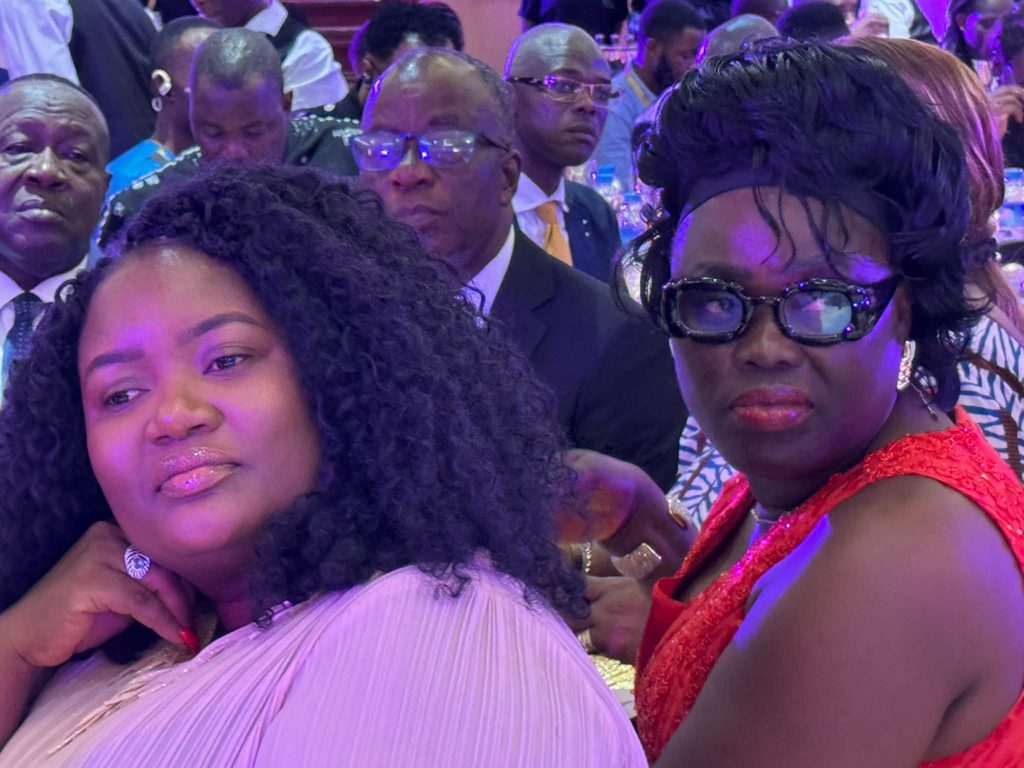
THE DINNER IS over. The speeches have been delivered. The photographs have been taken.
NOW THE PARTNERSHIP MUST begin in earnest.
THE TEST IS no longer what was said around the dinner table. The test is what government and media do when the cameras are gone, the headlines become uncomfortable and the interests of the Liberian people demand that each side performs its duty.
THAT IS WHERE the real meaning of partnership will be found.
For breaking news, in-depth analysis, and exclusive reports from Liberia and around the world, follow The Liberian Post on Facebook (https://web.facebook.com/profile.php?id=61576017166570) and X, formerly Twitter (https://x.com/LiberianPost).