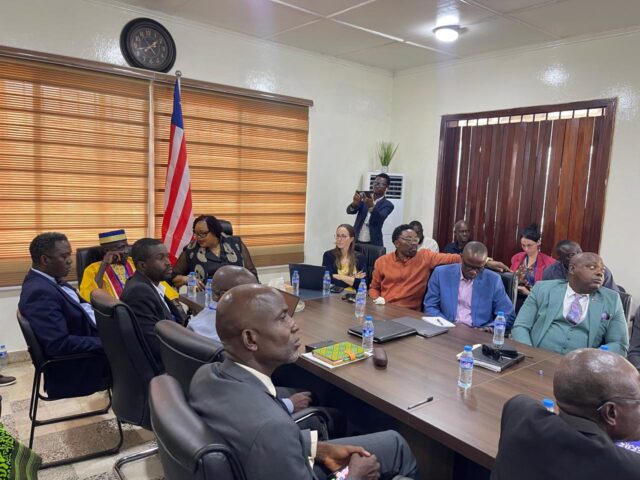
MONROVIA – The Office for the Establishment of the War and Economic Crimes Court (OWECC-L) and the Anti-Corruption Court unveiled a comprehensive National Communication and Outreach Strategy aimed at promoting transitional justice in Liberia.
Through their Consultant, the initiative highlights key messaging and engagement practices to foster trust and clarity within the community regarding the country’s justice journey.
During the presentation, Miss Karvee Wright, the consultant responsible for developing the communication strategy, outlined a multifaceted approach to outreach, emphasizing the importance of dialogue among various stakeholders.
The strategy underscores vital partnerships with institutional stakeholders, including governmental and judicial partners, as well as local civil society organizations (CSOs), youth organizations, and traditional leaders.
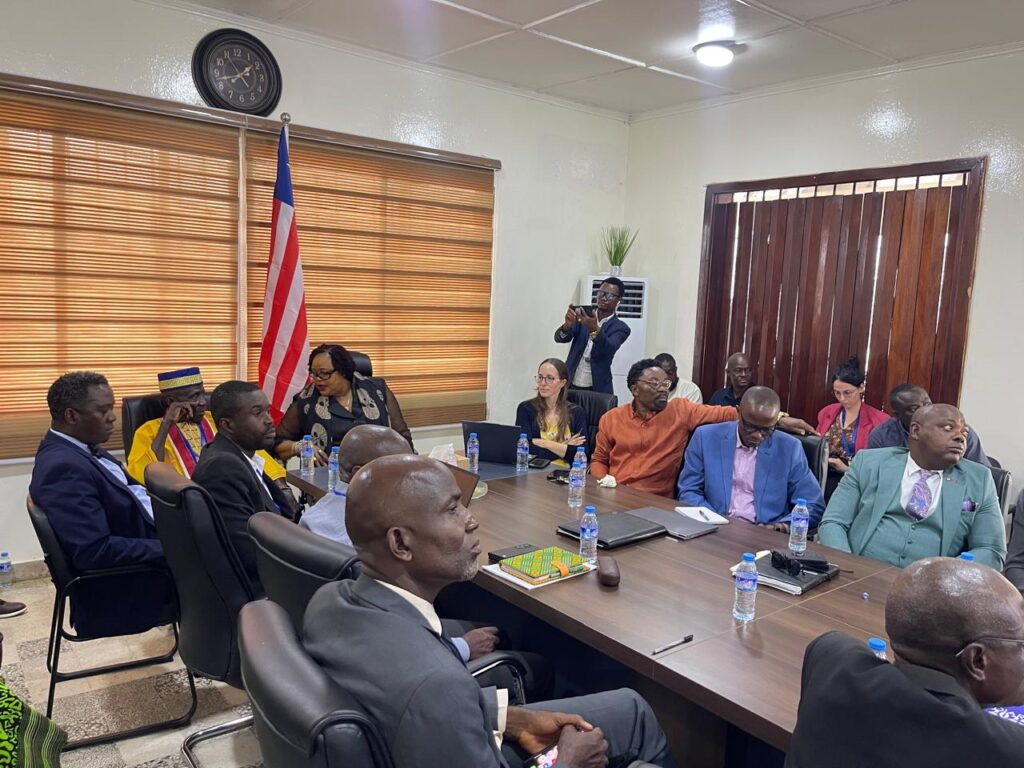
Wright identified additional outreach opportunities through journalists, artists, and social media influencers who can amplify the narrative. “We aim to speak to a diverse audience, including war-affected individuals and families, the general public, particularly rural populations, and youth,” she stated.
“Each message theme shapes the language, tone, and emotional resonance of outreach across different demographics.”
The strategy focuses on four core messaging components: Truth Telling & Testimony, Legal Literacy & Civic Education, Cultural & Media Engagement, and Participation & Public Dialogue, presenting a cohesive narrative characterized by multiple voices.
“Justice is a shared journey,” Wright emphasized, adding that OWECC-L’s communication efforts are anchored in a unified national message that is tailored to suit different audiences and contexts.
Whether through policy briefings or rural dramas performed in local dialects, the initiative focuses on building trust and encouraging public engagement in Liberia’s justice process.
Reframing key concepts, the strategy reiterates that “Justice is everybody’s business,” while adapting the familiar principle that “Every Liberian has a role in justice.” Campaign taglines such as “You are not forgotten. Justice is your right” and “Delayed justice is not denied justice” have been designed to resonate with victims and the broader community.
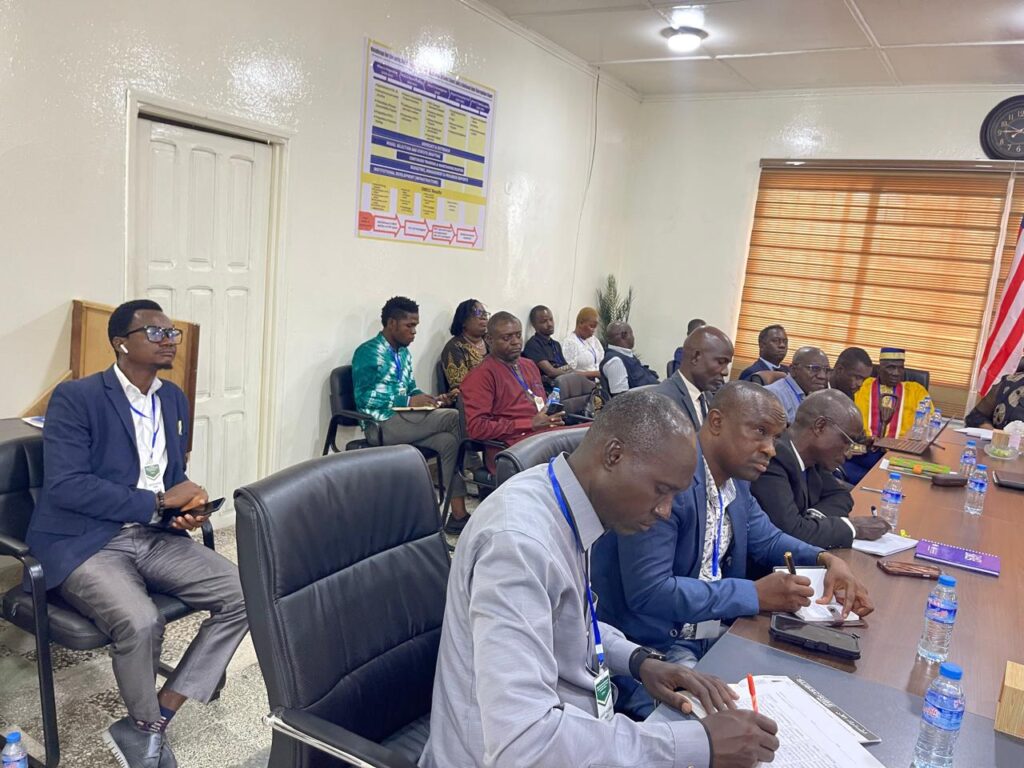
Miss Wright announced that the strategy will be implemented in phases, beginning with the “Justice for All” campaign running from July to September 2025. This includes activities to build awareness and understanding, followed by public dialogues and community activations in preparation for the court openings anticipated in mid-2026.
“Justice takes root through national dialogue and shared storytelling,” Wright emphasized, asserting that the success of the strategic communication plan hinges on active partnerships, community engagement, and monitoring public sentiment. “OWECC-L will lead coordination, but the implementation requires a collaborative effort across all sectors.”
As preparations for the transitional justice process unfold, the Office for the Establishment of the War and Economic Crimes Court is paving the way for a more just future—one that recognizes the rights of all Liberians and builds a foundation for accountability and healing.
The presentation which was Grace by the Liberian National Bar Association, the President Union of Liberia’s, independent National Commission on Human rights, office of the high commission on Human rights Ducor Institute of research National Traditional Council of Liberia’s and others Civil society Organization at the head of OWECC-L in Monrovia.