MONROVIA – The Liberian Post has gathered that it was based on a legal analysis by the Ministry of Justice, that President Joseph Nyuma Boakai vetoed two major legislative bills that would have dismantled the National Port Authority and decentralized control of Liberia’s seaports, warning that the proposed changes violate existing maritime laws and would create overlapping mandates with the Liberia Maritime Authority.
The Justice Ministry’s analysis concluded that the bills would significantly weaken the Liberia Maritime Authority’s statutory powers by transferring key regulatory functions to a new agency – The Liberia Sea and Inland Ports Regulatory Authority – without sufficient legal safeguards.
In a formal communication to the Senate dated July 15, President Boakai returned Senate Enrolled Bill No. 4, titled the Liberia Ports Authority Act, and Senate Enrolled Bill No. 5, the Liberia Sea and Inland Ports Decentralization and Modernization Act, citing “structural and substantive reasons” for his decision.
“If signed into law, the bill would substantially render the Liberia Maritime Authority partially redundant,” The President stated in his communication to the Senate. “The consolidation of regulatory, operational, and oversight duties within a single entity undermines the principle of regulatory independence.”
The legislation, passed during the second session of the 55th Legislature, aimed to decentralize port operations by dissolving the current centralized structure under the National Port Authority (NPA). The bills proposed creating autonomous boards for the ports of Monrovia, Buchanan, Greenville, and Harper, with a new regulatory body overseeing licensing, security, and compliance.
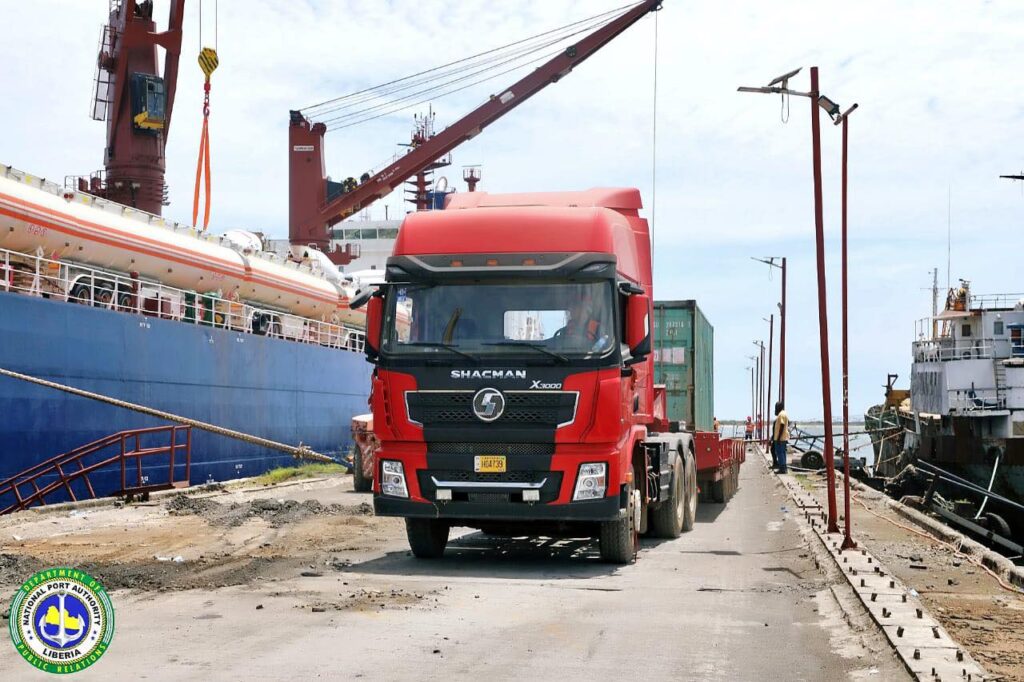
But President Boakai said the two bills are interdependent and flawed in both design and implementation. He flagged contradictions in the legal text and raised concerns about institutional redundancy, potential legal conflicts, and the absence of a clear transitional plan.
What are the Key Legal Concerns?
The President’s veto is rooted in concerns that the proposed regulatory body would duplicate and, in some cases, override the statutory responsibilities of the Liberia Maritime Authority (LiMA). Under the existing Maritime Law and the Liberia Maritime Authority Act of 2010, LiMA is tasked with enforcing international maritime conventions, regulating port operations, setting safety standards, and monitoring maritime compliance.
However, the bills proposed shifting these same powers, almost verbatim, to the new Sea and Inland Ports Regulatory Authority. For example, Section 401 of the bill authorizes the new agency to enforce international treaties, regulate safety protocols, inspect vessels, and oversee maritime insurance—all functions already assigned to LiMA.
In perhaps the most controversial clause, Section 409 would amend existing law to strip LiMA of its port oversight powers, effectively transferring them to the new agency.

“The bill amends section 37.3 of the Executive Law to confer all such powers to the new agency,” Boakai warned, adding that such a sweeping transfer of authority could trigger legal and administrative confusion across the maritime sector.
Organizational Insufficiencies and Managerial Risks
Apart from legal duplication, President Boakai pointed out multiple inconsistencies in the structure and drafting of the bills.
The President cited a mismatch between the titles and contents of the enrolled documents, noting that while the submission was labeled “Liberia Ports Authority Act,” the actual bill text referred to the “Liberia Sea and Inland Ports Regulatory Act.” He also flagged the inclusion of a nine-member board for each port, calling it excessive and unjustified.
In addition, Section 50 of the bill references the adoption of the existing Public Authority Act—the law that created the NPA—and implies that its provisions would still remain in force, even after the NPA is dissolved. Boakai described this as contradictory and questioned whether the drafters intended to keep the NPA Act alive alongside the new framework.
“Does this mean that the NPA Act is still active even after the passage of this Act?” he asked in his letter to the Senate.
The president warned that without adequate legal alignment, the new framework could result in regulatory overlap, administrative confusion, and uncertainty for port users, investors, and international shipping partners.
Why the Reform Was Proposed?
The bills were introduced by the Legislature as a corrective measure for decades of centralized port mismanagement under the NPA. Under the current system, the Freeport of Monrovia receives most of the attention and investment, while regional ports in Buchanan, Greenville, and Harper remain underdeveloped and poorly equipped.
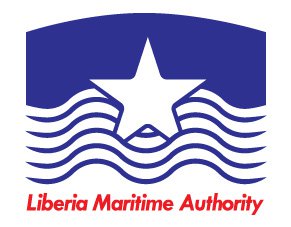
Backers of the bills argued that decentralizing port management would allow each location to reinvest its revenue, improve local governance, and attract new trade and investment. They also proposed creating a Port Development Fund and digitizing port operations through real-time cargo tracking and customs automation.
In June, the House and Senate both passed the bills following recommendations from the Joint Committee on Maritime Affairs and Finance.
Thoughtfulness from Within
Despite strong legislative support, several lawmakers had expressed concern. Sinoe County Rep. Thomas Romeo warned that the reform moved too quickly and lacked institutional preparation. “You don’t reform by dismembering institutions before building replacements,” Quioh cautioned during debate.
Senator Gbehzohngar Findley, a former NPA board chair, also voiced skepticism, suggesting Liberia lacked the capacity to manage multiple autonomous port authorities and should instead explore privatization options.
With the veto now in effect, the bills return to the Legislature for possible amendments or an override. Under Article 35 of the Constitution, lawmakers may accept the President’s objections and revise the bills, or override the veto with a two-thirds majority.
President Boakai urged lawmakers to take a second look at the bills and “correct all necessary loopholes in the interest of the country and its people.”
Public Reactions
Meanwhile, pundits have hailed President Boakai for pointing out the loopholes in the bills and calling for the legislature to correct all necessary loopholes for the sake of the country. They have called on the Legislature to act promptly upon their return to correct the lapses in the bills.