Liberia now stands at a critical economic crossroads.
On one hand, the Central Bank of Liberia has made a compelling case: the country is facing a genuine liquidity challenge. Currency shortages are not theoretical—they are real, and if left unaddressed, they can disrupt markets, weaken confidence, and slow economic activity.
On the other hand, the Senate’s skepticism is not only justified—it is necessary.
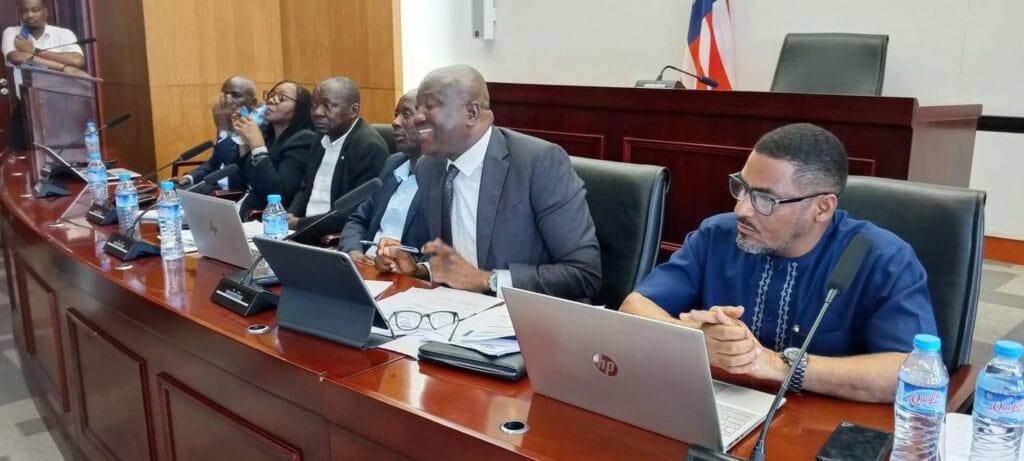
When lawmakers demand clarity on cost, procurement, and long-term impact, they are not obstructing progress; they are safeguarding the public interest.
The proposal to print L$79 billion is not a routine administrative decision. It is a high-stakes monetary intervention with far-reaching consequences. Every Liberian dollar printed affects inflation, exchange rates, and ultimately the purchasing power of ordinary citizens.
Senator Abraham Darius Dillon’s warning about approving a “pig in a bag” captures the central dilemma: no responsible legislature should authorize such a massive undertaking without full transparency.
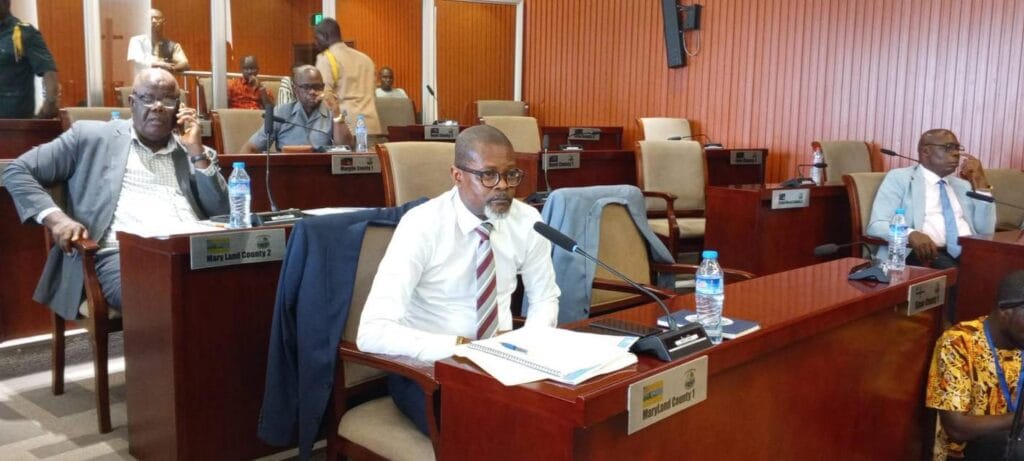
At the same time, the Central Bank’s warning about potential currency shortages cannot be ignored. A failure to act could trigger its own crisis—one defined by cash scarcity, disrupted payments, and declining economic confidence.
This is not a choice between action and inaction. It is a choice between responsible action and reckless haste.
The path forward is clear:
First, the Central Bank must provide full and detailed cost projections, procurement frameworks, and risk assessments. Estimates are not enough.
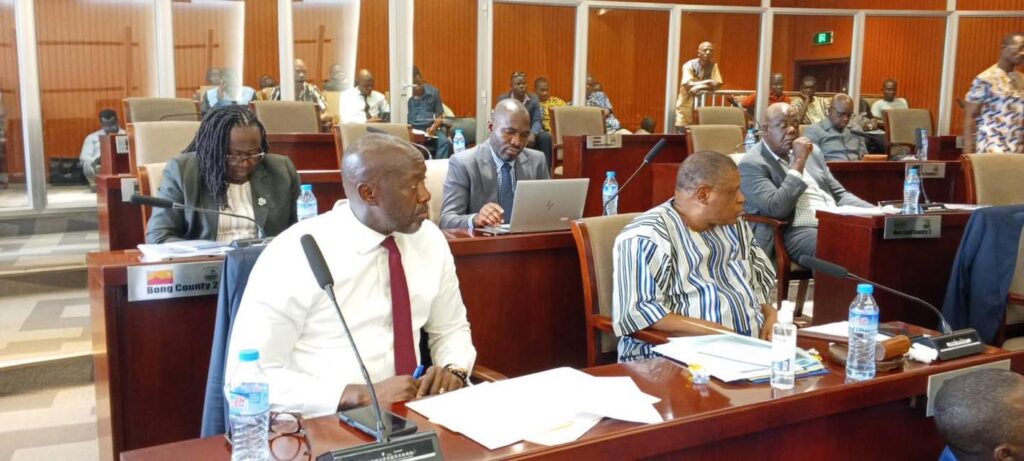
Second, the Legislature must insist on strong safeguards—independent audits, transparent bidding processes, and real-time monitoring mechanisms.
Third, both institutions must prioritize the long-term stability of the Liberian economy over short-term expediency.
Liberia’s economic history offers a sobering lesson: excessive or poorly managed currency expansion can act as a silent tax on citizens, eroding incomes and deepening hardship.

But so too can inaction.
The responsibility, therefore, is shared.
The Central Bank must earn the Legislature’s trust. The Legislature must act with both caution and urgency.
Because at the heart of this debate is not just money—it is the economic future of Liberia and the well-being of its people.
Follow The Liberian Post on Facebook and X (formerly twitter)