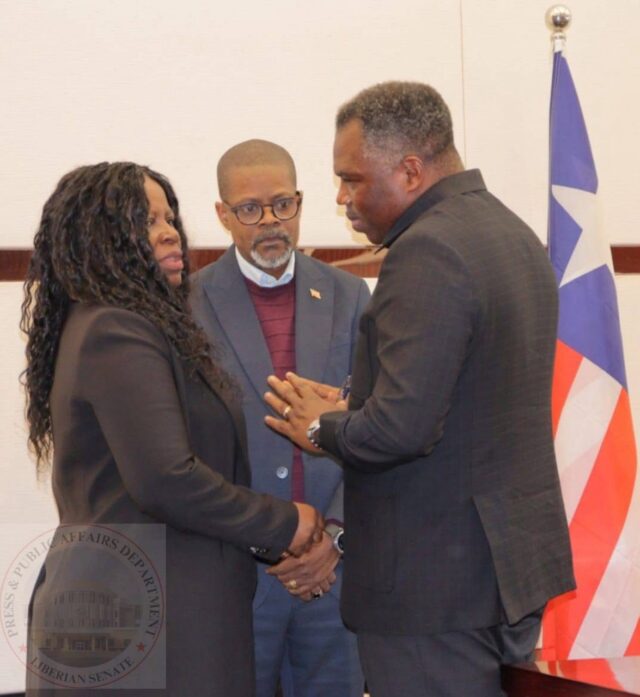
On Thursday, July 24, 2025, during their regular session, the Liberian Senate resolved to officially wade into the escalating controversy surrounding the Ministry of Transport’s concession agreement with a private firm, Liberia Traffic Management Inc. (LTMI). The Senate’s leadership has announced plans to meet with President Joseph Nyuma Boakai to advise a halt to the implementation of the deal, pending a comprehensive review.
The decision comes in the wake of widespread public concern and internal protests by Ministry of Transport employees who argue that the agreement effectively outsources vital government services to a foreign-owned company without due diligence or national consultation.
Background and Concerns
The 25-year concession, signed earlier this year, reportedly grants LTMI exclusive control over several core government functions previously managed by the Ministry of Transport. These include vehicle registration, driver’s licensing, traffic law enforcement, toll collection, and vehicle inspections.
Critics of the deal warn that it risks undermining government sovereignty, displacing hundreds of public sector workers, and handing over sensitive national data and critical revenue streams to a private entity.
According to protestors, the agreement was crafted and signed with minimal input from key stakeholders, including workers’ unions, civil society organizations, and lawmakers.
Grand Cape Mount County Senator Dabah Varpilah raised the issue during the Senate’s 41st sitting on Thursday, July 24, 2025. She highlighted what she described as “glaring irregularities” and “questionable motives” behind the agreement, suggesting that the arrangement poses both employment and national security risks.
“We must ensure that any agreement signed in the name of the Liberian people upholds transparency, protects jobs, and aligns with our long-term national interest,” Senator Varpilah said. “This LTMI deal does not appear to do that.”
Senate Steps In
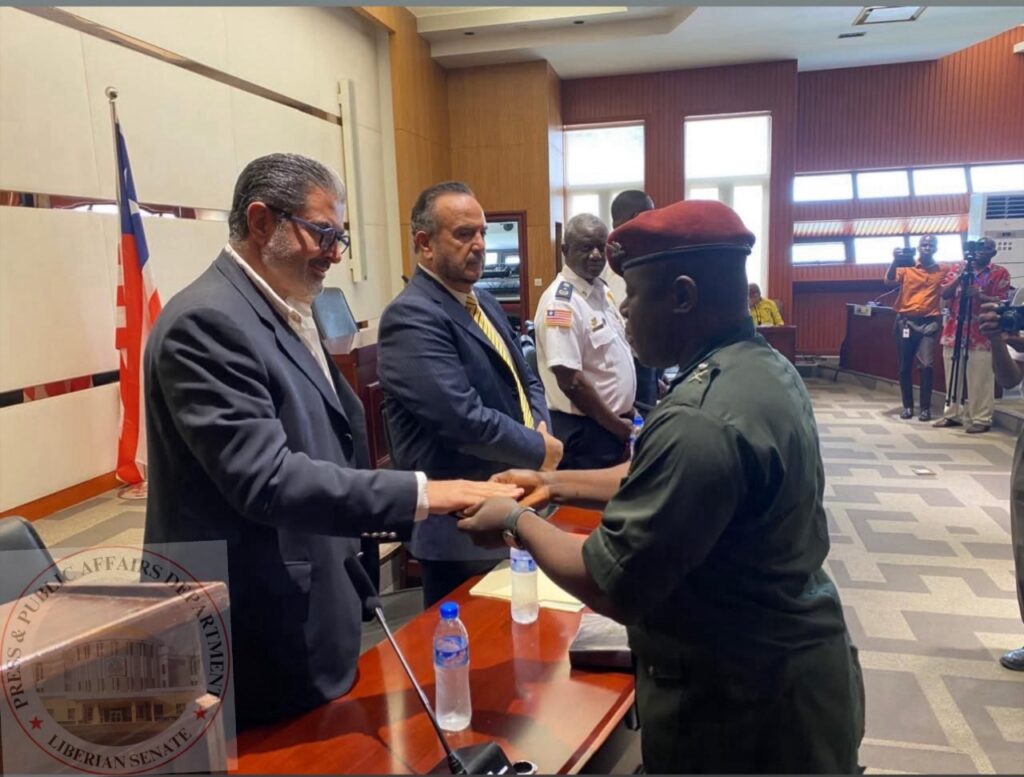
In response to the growing uproar, the Senate’s leadership, under President Pro Tempore Nyonblee Karnga-Lawrence, announced that it will formally engage the Executive Branch to request a temporary suspension of all LTMI-related operations.
“The Senate, through its oversight responsibility, will meet with the President to seek clarity on what exactly was signed, and what the implications are,” said Karnga-Lawrence.
She added that any agreement affecting national revenue generation, data protection, and job security must be carefully vetted and inclusive of the views of the Liberian people.
Employees Take to the Streets
The protests by Ministry of Transport staff have gained momentum over the past two weeks. Workers have staged sit-ins and demonstrations outside ministry premises in Monrovia and other regions, demanding the cancellation of the agreement.
Many fear mass layoffs, loss of government pensions, and weakening of public institutions in favour of foreign profiteering.
Employees have also questioned the capacity of LTMI to manage such a vast and sensitive portfolio, warning that the country’s road safety and transportation infrastructure could be compromised under foreign control.
Way Forward
As the Senate prepares for its meeting with the President, there is growing anticipation over whether the Executive will heed the call to suspend the deal and open a broader dialogue.
Insiders suggest the Senate may also push for a legislative review of all major concession agreements signed by the current administration since it took office in January 2024 — a move that could set a precedent for stricter oversight of public-private partnerships going forward.
For now, both Transport Ministry workers and the broader public await decisive leadership from the nation’s top officials — leadership that prioritizes transparency, national interest, and the rights of public sector workers.
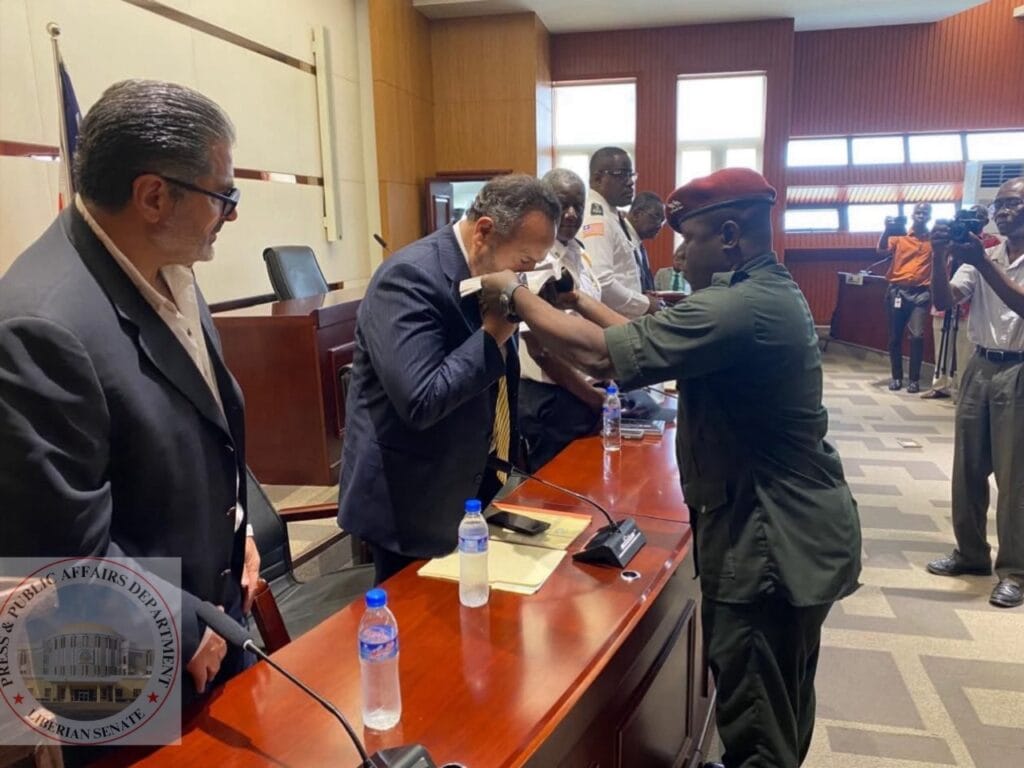
US$40 Million Concession for Liberia Traffic Management Raises Concerns
It can be recalled the Government of Liberia entered into a ‘controversial’ concession agreement with Liberia Traffic Management, outsourcing seven key traffic-related functions for a total of US$40 million.
This agreement, which has sparked concerns regarding transparency and fiscal responsibility, involves essential public services that were previously managed by the Ministry of Transport. The outsourced functions include:
Traffic ticketing
Roadworthiness vehicle inspection
Driver’s license issuance
Vehicle registration
City parking
Vehicle towing and impoundment
Driver testing and certification
Financial Implications, A Discrepancy in Revenue Generation
Historically, the Ministry of Transport generated approximately US$12 million annually from just two of the functions being outsourced: Vehicle Registration and Driver’s Licenses.
Despite receiving only US$3 million a year from the national budget to cover operational costs, the Ministry managed to generate a net revenue of US$48 million over four years, which raised questions about the financial prudence of the current concession model.
Under the new concession agreement, the revenue-sharing formula has shifted significantly, with 70% of revenue directed to the private operator and 30% allocated to the Government of Liberia.
This ratio starkly contrasts with previous partnerships, which allowed a more favorable 55% to the government and 45% to the private entity involved.
Concerns About Revenue Distribution
Recent reports indicate troubling patterns in the revenue distribution from the concession, with 35% retained by Liberia Traffic Management, 15% allegedly allocated to the Inspector General of Police, 5% allegedly to the Minister of Justice, and 15% allegedly to individuals within President Boakai’s family circle. This newspaper has not yet seen pieces of evidence to support these allegations.
However, this distribution raises serious questions about oversight and whether the agreement serves the public interest.
Adding to the confusion, discrepancies have emerged regarding the concession’s legitimacy, as conflicting statements indicate it was signed under the administrations of both President Weah and former President Ellen Johnson Sirleaf.
This raises further questions about the legal grounding of the concession, particularly since the Ministry of Transport—established in 1987—has not been legally dissolved or repealed.
A Calls for Revaluation and Accountability
The formation of a concession review committee by former President George Weah has yet to result in a review of the LTMI concession, which critics argue is essential given the potential misalignment with national interests and the substantial financial implications involved.
Liberians are questioning why the committee would shy away from scrutinizing an agreement that reportedly allows the Liberia National Police to delegate core Ministry of Transport’s functions to a private entity.
Doubts persist about the projected US$40 million investment from Liberia Traffic Management Incorporated and who will monitor this investment over the concession’s 25-year term. With growing concerns about transparency and fiscal responsibility, many advocate for a revaluation of the concession to ensure that public revenue is maximized and accountability is upheld.
In conclusion, while the potential for increased efficiency exists in outsourcing, the current concession agreement raises critical questions about the fiscal and operational impacts on the Government of Liberia, necessitating urgent scrutiny and potential revision to better serve the country’s interests.