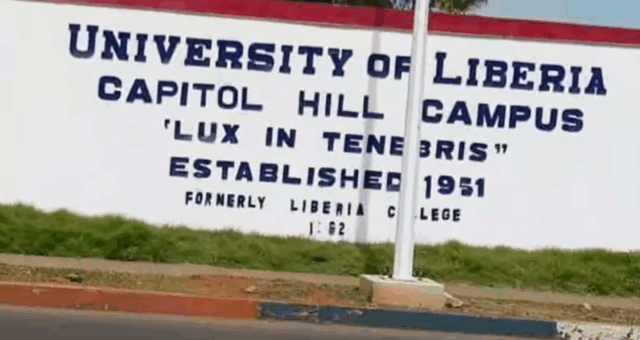
MONROVIA – The University of Liberia Faculty Association (ULFA) has unanimously voted to suspend all academic activities across the University of Liberia’s campuses, citing the administration’s failure to sign a long-delayed Collective Bargaining Agreement (CBA) and address other longstanding grievances.
The decision, made during an emergency general assembly held Friday, August 30, 2025, at the university’s Capitol Hill campus, comes just days ahead of the new semester, threatening to disrupt academic schedules for thousands of students enrolled at Liberia’s flagship public university.
ULFA’s action centers around unresolved issues that have plagued the institution for over a decade, including salary disparities, delayed promotions, poor sanitation, unpaid overloads and vacation classes, irregular social security contributions, and what faculty members describe as a consistent lack of good-faith engagement from both the university administration and the Government of Liberia.
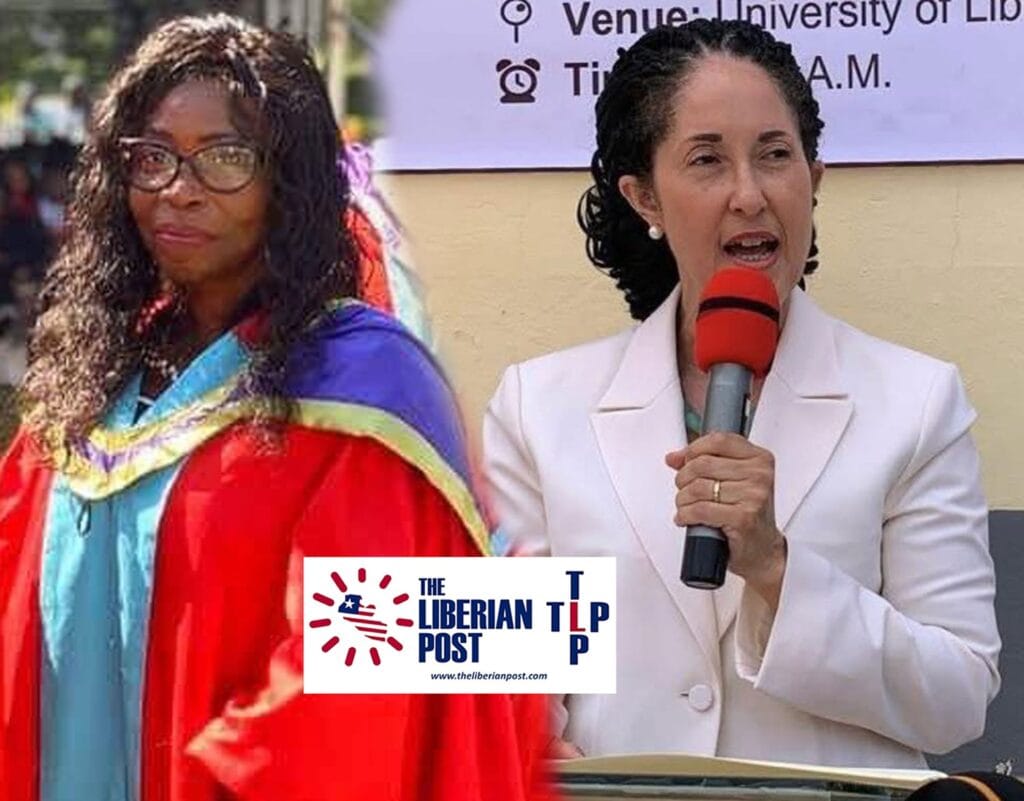
“This is where we are today—caught in a cycle of broken promises and neglect,” said ULFA President, Dr. Edna Johnny, during the assembly. “The UL Administration and the Government of Liberia, through the Ministry of Finance, have pushed us into this corner. So whatever decision you make today, I will follow your command.”
Following heated deliberations, faculty members voted unanimously to halt all academic involvement until the Collective Bargaining Agreement is formally signed by ULFA, the University of Liberia Administration, and relevant government authorities.
“Therefore, all faculty members are urged to disengage from any planned academic activities on all campuses of the University of Liberia until further notice,” the resolution read.
Unfulfilled Promises and Persistent Challenges
The decision to strike follows months of unsuccessful negotiations and, according to ULFA, years of empty promises. Faculty members argue that despite repeated assurances, tangible results have been elusive—especially concerning promotions for instructors who have attained higher academic qualifications.
Dr. Johnny disclosed that even after a meeting with UL President Dr. Layli Maparyan, during which she inquired about delayed faculty promotions, the administration failed to follow through.
“She promised to get back to me. That never happened—not until today’s assembly,” Dr. Johnny said.
ULFA further noted that its repeated engagements with the Ministry of Finance and Development Planning (MFDP) yielded no concrete solutions to persistent issues, including timely salary payments, remittances for social security, and compensation for faculty members who taught overload and vacation classes.
At a previous general assembly on July 18, ULFA gave its leadership one month to secure progress in negotiations with the administration. That deadline expired without any resolution.
A Lingering Crisis in Higher Education
The University of Liberia, one of the oldest institutions of higher learning in West Africa, has long grappled with systemic challenges. These include chronic underfunding, aging infrastructure, overcrowded classrooms, outdated curricula, and frequent faculty strikes—factors that have eroded academic standards and undermined student morale.
Despite receiving just over US$30 million in the 2025 National Budget for salaries and operational costs, critics argue that the university is grossly underfunded, particularly in critical areas such as research, faculty development, and student support services.

In stark contrast, the Legislature’s 103 members were allocated nearly US$50 million in the same national budget, covering salaries, benefits, public hearings, vehicles, and constituency visits.
“If public universities like UL are to perform effectively, then adequate and timely budgetary support must be provided,” said one educational policy expert. “Otherwise, the challenges that have haunted our higher education system for decades will persist.”
A Call for Dignity and Respect
While the current strike centers on the Collective Bargaining Agreement, ULFA insists its action reflects broader concerns about institutional neglect and the erosion of professional dignity.
“This is about more than salaries,” said one ULFA executive. “This is about dignity, respect, and the sustainability of Liberia’s premier public university.”
The strike leaves students in limbo, especially seniors who were preparing to complete their academic programs.
With no clear timeline for resolution, the situation threatens to prolong academic delays and deepen the crisis in an already fragile education system.
Dr. Johnny, however, made it clear that ULFA remains open to dialogue—if done in good faith.
“This university can’t run without the faculty. We’re not the problem—we’re part of the solution. But we must be treated with the respect and seriousness our profession deserves,” she concluded.
Background: The University of Liberia’s Ongoing Struggles
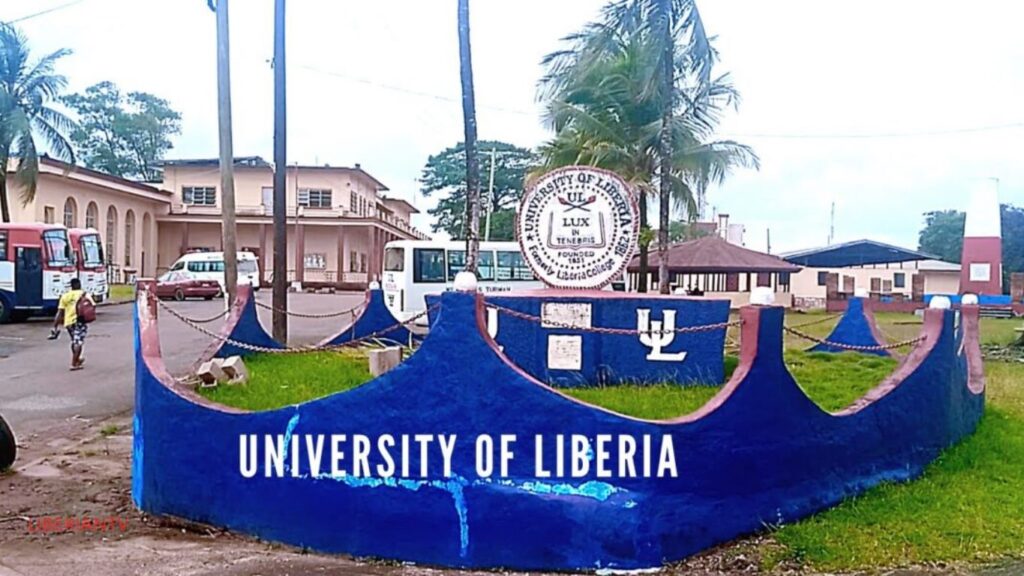
Founded in 1862, the University of Liberia has played a vital role in shaping the nation’s political, economic, and intellectual elite. However, the institution has faced an uphill battle in the post-war era, battling poor infrastructure, low faculty morale, and declining standards.
Recent administrations have pledged reform, but meaningful change has been slow and uneven.
With the latest strike, observers say the government must act decisively to avert further damage to Liberia’s already beleaguered higher education sector.