MONROVIA — Montserrado County Senator Abraham Darius Dillon has raised serious concerns over the expulsion of former Representative Yekeh Kolubah, arguing that the action may have violated constitutional due process protections.
Speaking publicly on the matter, Senator Dillon emphasized that while the Legislature has the authority to discipline or expel its members, such actions must strictly adhere to constitutional safeguards.
Citing Article 38 of the Liberian Constitution, Dillon noted that although each chamber of the Legislature has the power to establish its own rules and enforce order, those rules must conform to the requirements of due process.
“All rules adopted by the Legislature shall conform to the requirements of due process laid down in this Constitution,” Dillon stressed, arguing that due process is not defined by internal legislative procedures but by constitutional standards.
“This Is Not About Defending Kolubah”
The Montserrado Senator was careful to distance himself from defending Kolubah personally, instead framing his intervention as a matter of principle.
“I didn’t come here to defend Yekeh,” Dillon said. “I came to speak to an issue… the respect for the rule of law.”
He acknowledged Kolubah’s controversial conduct but maintained that even unpopular figures are entitled to constitutional protections.

Concerns Over Legislative Overreach
Dillon warned that allowing administrative bodies, including the Legislature, to act outside constitutional boundaries sets a dangerous precedent.
He argued that when disciplinary actions involve potential loss of liberty or rights, the affected individual must be afforded full due process as defined by the Constitution—not by internal legislative discretion.
“That due process is not determined by the rules of the Legislature. It is determined by the Constitution,” he asserted.
Call for Respect for the Judiciary
The senator also expressed concern about what he described as a growing tendency to disregard judicial authority, cautioning that undermining the courts could weaken Liberia’s democratic framework.
“When a court is acting within the scope of its constitutional authority, it becomes troubling for any good citizen when that authority is not respected,” Dillon said.
Broader Constitutional Implications
Dillon referenced the involvement of former Associate Justice Kabineh Ja’neh, who is reportedly part of Kolubah’s legal team, noting his expertise in constitutional due process matters.
Legal observers say Dillon’s intervention adds a significant dimension to the ongoing controversy, shifting the debate from political conduct to constitutional interpretation.
What Comes Next
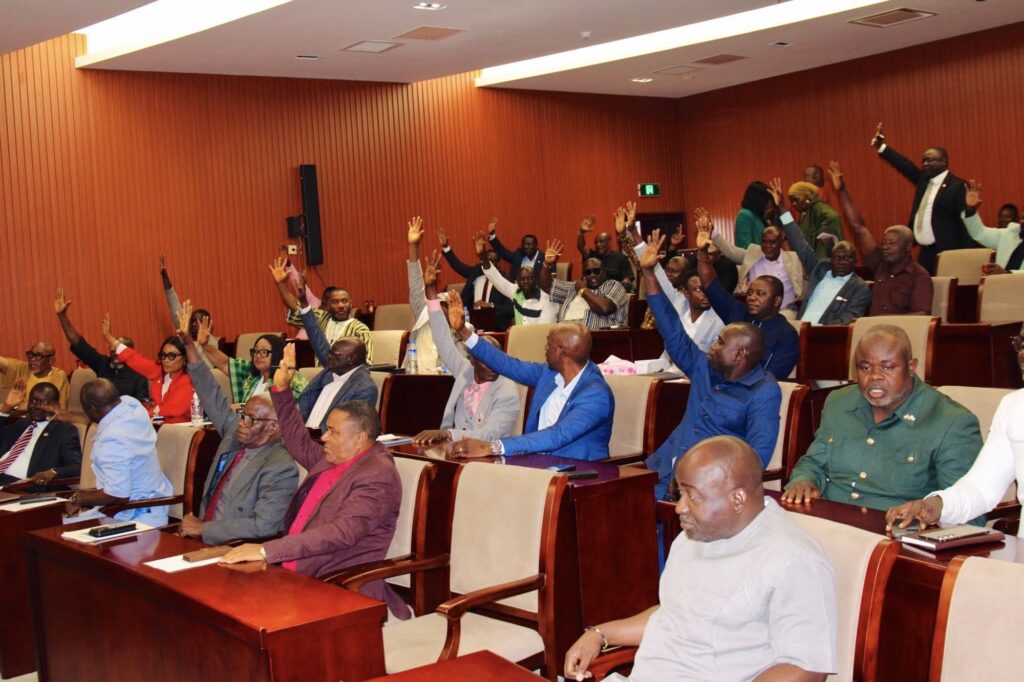
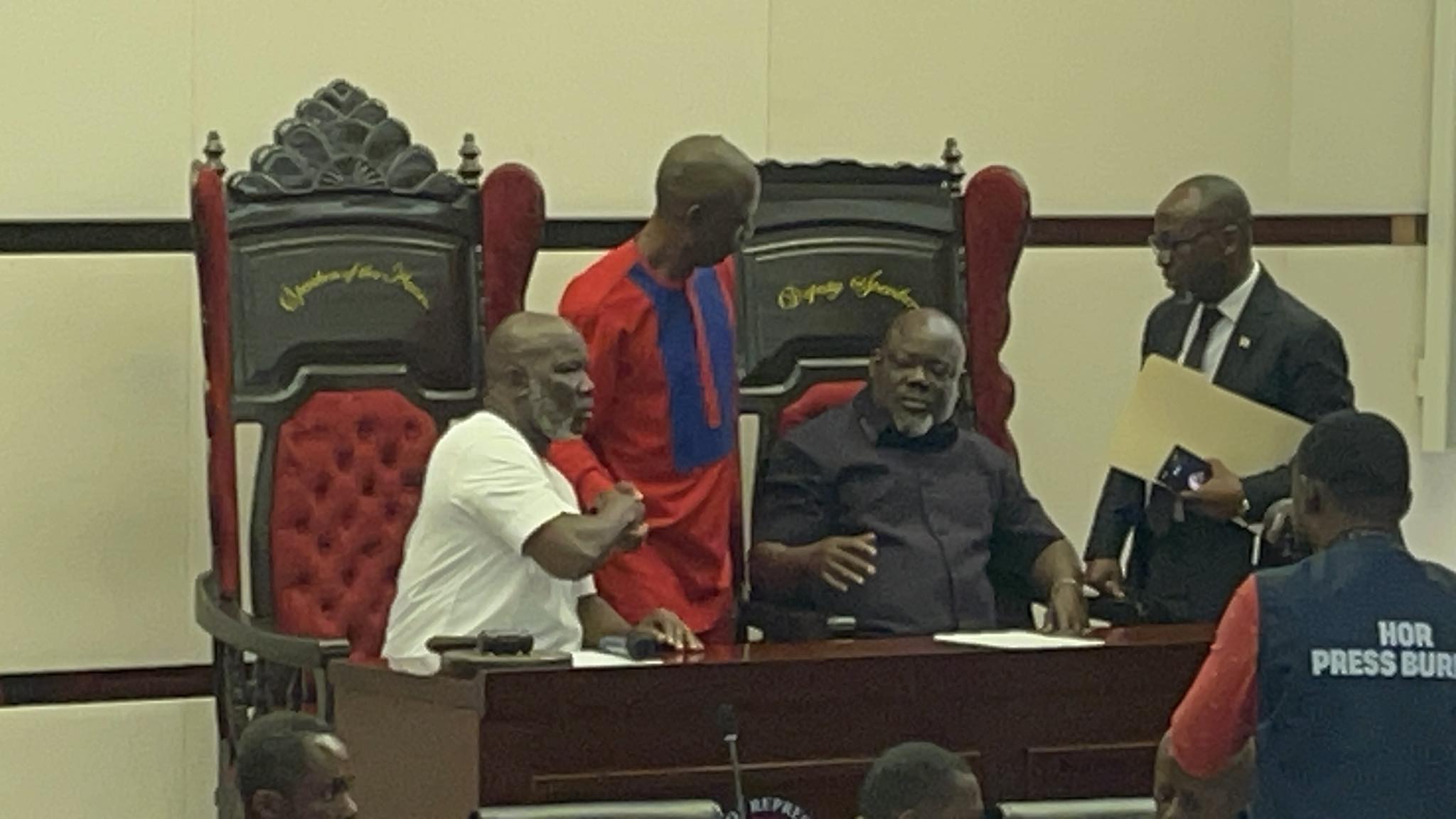
Kolubah’s expulsion has already sparked national debate over legislative authority, judicial independence, and the limits of internal disciplinary power.
With the matter expected to face judicial scrutiny, Dillon’s remarks could influence broader legal and political discussions about due process and separation of powers in Liberia.
For now, the controversy underscores a critical question: whether the enforcement of legislative discipline can withstand constitutional tests of fairness and legality.
Follow The Liberian Post on Facebook and X (formerly twitter)