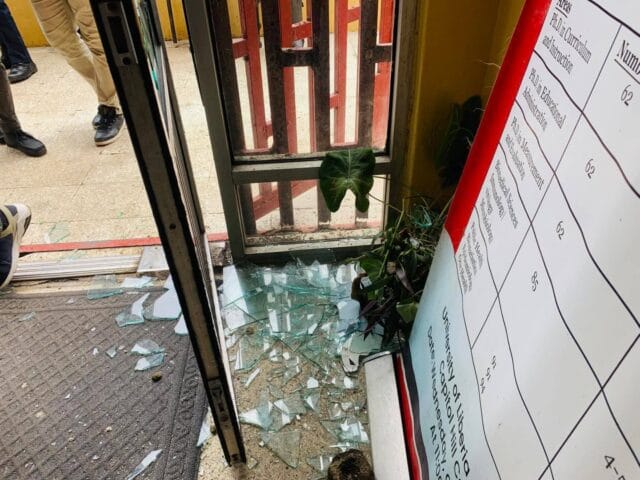
MONROVIA– Tensions are running high at the University of Liberia (UL) following renewed protests led by the campus-based Student Unification Party (SUP), which has called for the immediate resignation of UL President Dr. Layli Maparyan. The unrest has reportedly resulted in the vandalism of several university offices, further deepening the crisis at Liberia’s flagship public institution.
The student protests, which began late last week, are in response to what SUP describes as “poor leadership, administrative inefficiency, and declining academic standards” under Dr. Maparyan’s watch. According to SUP leaders, the administration has failed to address critical concerns related to student welfare, sanitation, academic delays, and infrastructure.
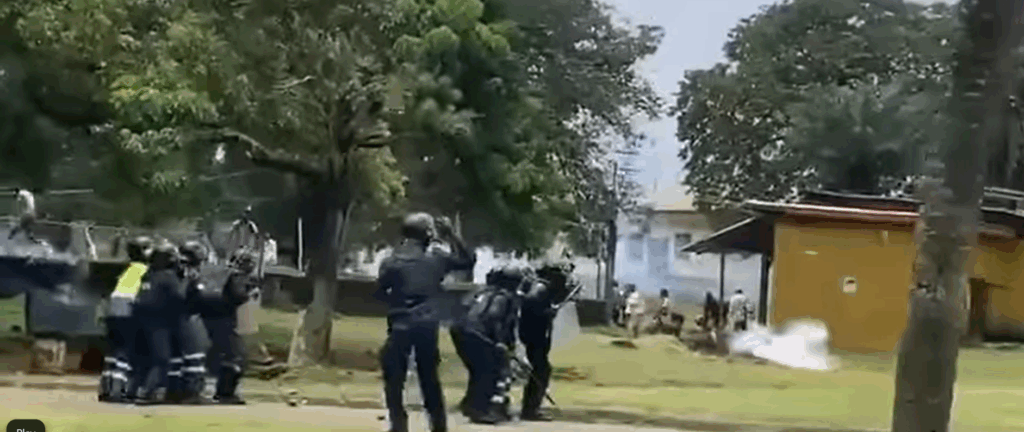
Eyewitnesses reported chaotic scenes on the Capitol Hill campus, with multiple offices ransacked, documents scattered, and equipment damaged. University authorities have since condemned the acts of vandalism and promised a full investigation in coordination with law enforcement agencies.
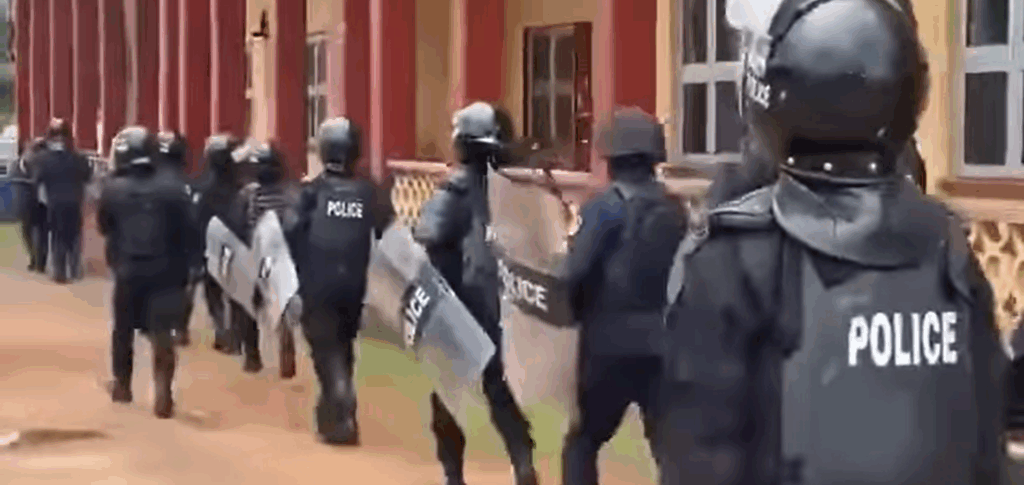
“The destruction of property undermines the integrity of the university and will not be tolerated,” said a senior UL official who spoke on condition of anonymity. “We will work with police to identify those responsible and ensure accountability.”
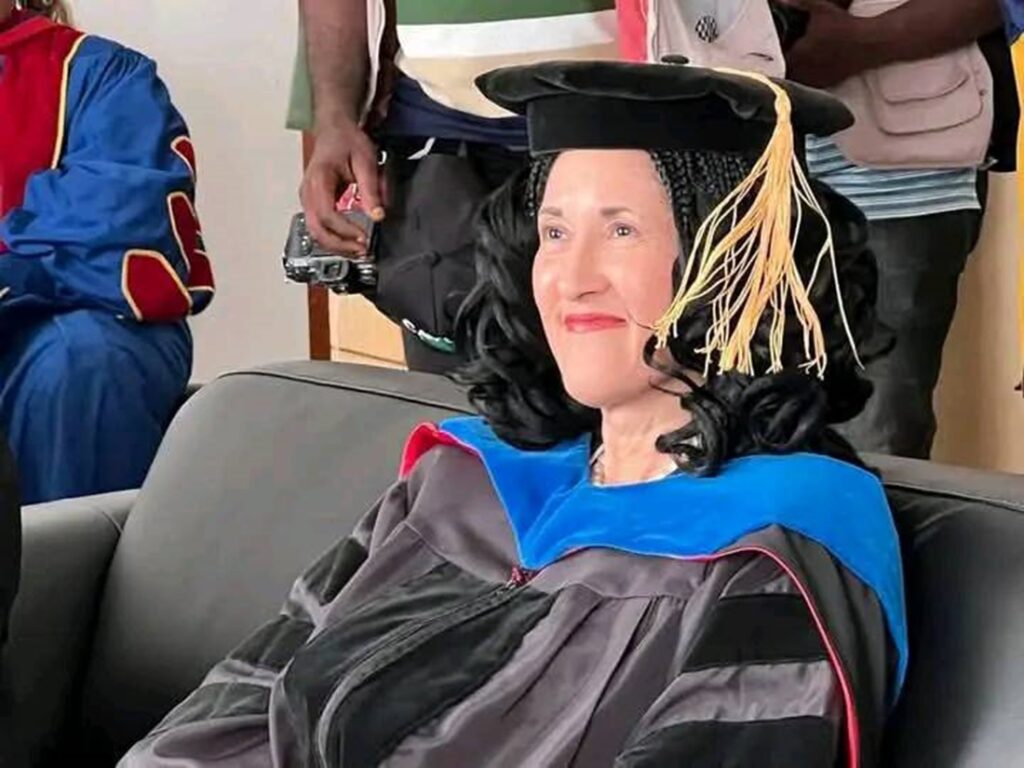
In an attempt to de-escalate the situation, President Maparyan addressed the university community in a statement calling for calm and open dialogue.
“I remain committed to the growth and development of the University of Liberia,” she said. “We must engage constructively to resolve our differences and uphold the values of academic excellence and respect.”
However, SUP has remained defiant. At a recent student gathering, a spokesperson reiterated the party’s demands.
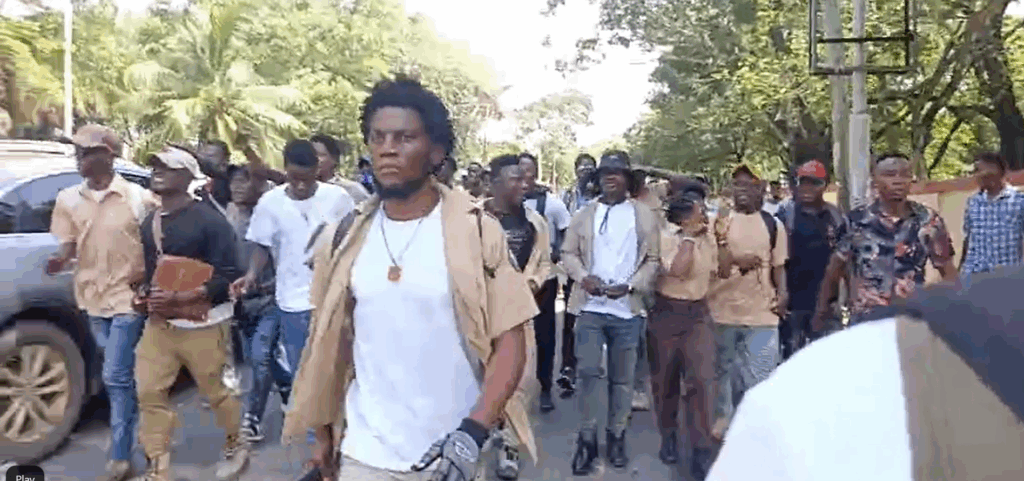
“This is not just about Dr. Maparyan; it’s about the direction of our university,” the spokesperson said.
“We are fighting for quality education, transparency, and accountability. The students deserve better.”
The ongoing tension has raised alarm among faculty, parents, and education stakeholders, many of whom are urging both sides to seek peaceful dialogue before the situation deteriorates further.
The university has yet to release a timeline for when normal academic activities will resume.
The unrest comes at a critical time for UL, which is already grappling with internal challenges, including faculty dissatisfaction over delayed promotions, poor sanitation, and budgetary constraints. The current crisis risks further disrupting the academic calendar and eroding public confidence in the institution’s leadership.
As calls for change grow louder, all eyes are now on whether the administration and student leadership can reach a compromise to restore calm and refocus attention on the university’s core mission—educating the next generation of Liberians.