


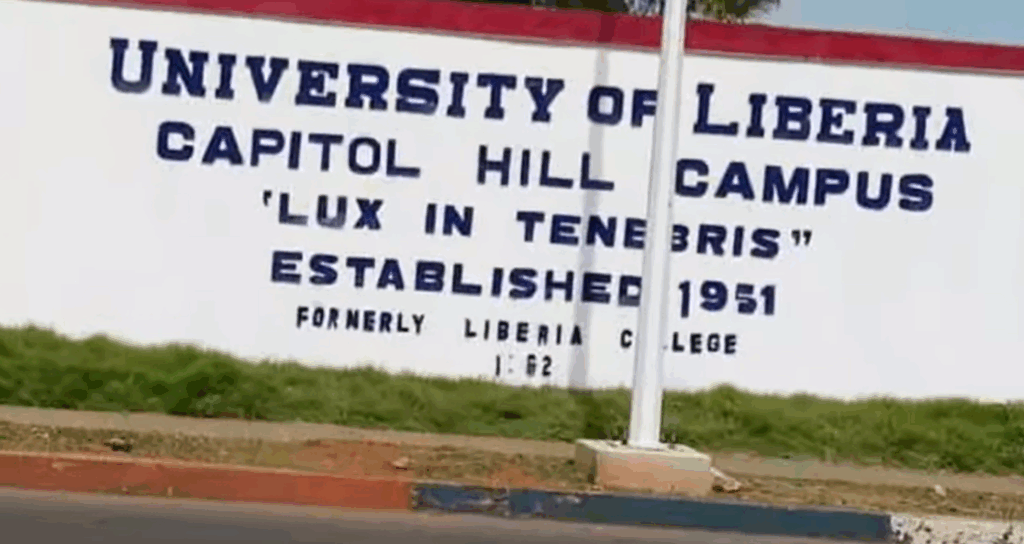
The recent decision by the Ministry of Finance and Development Planning (MFDP) to withhold the University of Liberia’s (UL) September salary payment until a full payroll verification is completed is a bold move—one that speaks to a long-overdue need for accountability in Liberia’s public institutions. But it is also a move that, if not managed carefully, risks punishing legitimate faculty, administrators, and ultimately, students, for the sins of a broken system.
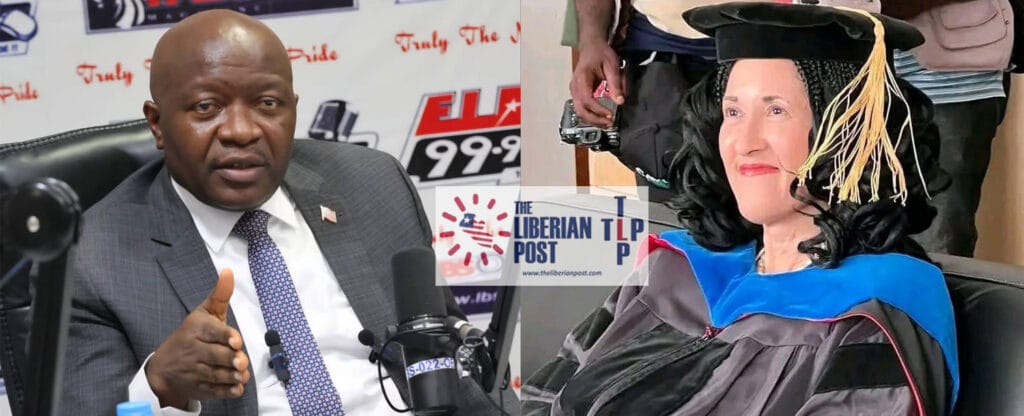
Finance Minister Augustine Kpehe Ngafuan’s appearance on “The Class Reloaded” talk show last Friday confirmed what insiders had already leaked: the Ministry has disbursed US$550,000 in emergency funding to the University—funds that are clearly off-budget, not legislated, and driven by urgency rather than obligation. This gesture should not be understated. It reflects government responsiveness at a time of educational fragility.
However, the conditions attached—particularly the insistence that **no salaries will be paid for September until each and every person on UL’s payroll is re-verified and signed off by department heads, deans, and senior administrators—**raise significant questions about implementation, fairness, and timing.
A Broken Payroll System, Long Ignored
Minister Ngafuan is not wrong. The University of Liberia’s payroll consumes over US$32 million of its US$33.9 million budget. That’s nearly 95% of the institution’s public funding going directly to personnel costs, with minimal resources left for infrastructure, equipment, research, or even basic maintenance. If this isn’t financial mismanagement by structure, what is?
For years, there have been murmurs—some supported by credible audits—that the University’s payroll includes ghost names, double-dipping staff, inactive personnel, and political appointees who contribute little to nothing academically. The idea of finally auditing and cleaning up this bloated payroll is commendable. In fact, it’s necessary.
But what is not commendable is weaponizing that cleanup process against the very lifeline of the University—its ability to remain operational during an academic semester.
Accountability Must Be Paired With Realistic Timelines
The Finance Ministry’s sudden demand that all verification be completed in September, under threat of withholding salary, effectively turns faculty members and university administrators into auditors, overnight. Many of these departments already struggle with basic administrative functions; to now require every name to be tracked, verified, and signed off—within days—is an unrealistic administrative burden, and one that creates panic and instability.
UL President Dr. Layli Maparyan already warned the Legislature that the school needed US$550,000 just to reopen—highlighting how fragile the institution is. Yes, funds have been disbursed. But pairing that with a do-or-die verification deadline is a ticking time bomb. If even one department delays or disputes a signature, will hundreds of staff go unpaid? Will lectures grind to a halt? Will students bear the brunt?
The Ministry must balance reform with realism. Cleaning the payroll must be a multi-phase process with benchmarks, oversight, and reasonable timelines—not a blanket threat.
The Bigger Picture: A Government-Wide Reform
UL is not alone. Many public institutions across Liberia suffer from similar payroll irregularities, ghost names, and financial opacity. What the Finance Ministry is now doing at UL should become the blueprint for a broader civil service payroll reform—but done transparently, fairly, and sustainably.
Institutions like the General Auditing Commission (GAC), the Liberia Anti-Corruption Commission (LACC), and the Civil Service Agency (CSA) must be looped into the process, and integrity systems must replace what is now political guesswork.

But let’s be clear: no amount of cleanup will fix Liberia’s higher education system if the only response to structural rot is withholding paychecks.
Final Thoughts
Minister Ngafuan’s stand on cleaning the University of Liberia’s payroll is courageous and well-intentioned. But good intentions can have bad outcomes if applied without proper judgment.
We call on the Finance Ministry to:
- Disburse September salaries for verified personnel immediately—especially those already confirmed by multiple layers of administration.
- Give UL a phased timeline for full payroll verification—ideally over 30 to 60 days.
- Partner with external integrity bodies to monitor and validate the process, avoiding internal conflicts of interest.
- Ensure students and academic schedules are not disrupted, as the ultimate purpose of the University is to educate, not to audit.
Liberia deserves a functioning public university—clean, transparent, and accountable—but also open and stable. Reform must walk hand-in-hand with reason.




The Ministry of Finance and Development Planning’s (MFDP) decision to withhold the University of Liberia’s (UL) September salary payment until a full payroll verification is completed is a bold and necessary step toward accountability in public financial management. This action addresses persistent issues like payroll fraud and ghost workers, ensuring that public funds are allocated only to legitimate employees. It demonstrates fiscal discipline, sets a precedent for other institutions, and strengthens public trust in the government’s ability to manage taxpayer money transparently. Moreover, it highlights the need for institutional reforms at the UL, such as improved internal controls and human resource systems, which are essential for long-term efficiency. While the decision may cause temporary hardship, its focus on transparency and integrity ultimately benefits both the institution and the public.
Comments are closed.