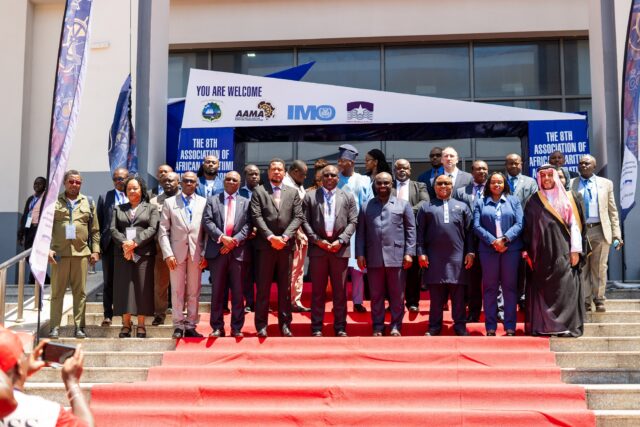
MONROVIA – Liberia has made history by hosting the 8th Annual Conference of the Association of African Maritime Administrations (AAMA), a landmark gathering that has brought together maritime leaders, policymakers, and experts from across the continent to chart a path toward sustainable growth and stronger cooperation in Africa’s maritime sector.
Welcoming delegates, Cllr. Neto Zarzar Lighe, Sr., Commissioner/CEO of the Liberia Maritime Authority (LiMA), underscored the pressing challenges facing Africa’s oceans and waterways—from piracy and Illegal, Unreported, and Unregulated (IUU) fishing to infrastructure deficits, marine pollution, and climate change. He warned that these issues “transcend national boundaries” and can only be effectively addressed through regional cooperation, with AAMA serving as the key institutional framework for collaboration.
Cllr. Lighe also outlined Liberia’s five-year strategic plan to position its maritime sector as a driver of sustainable growth. The plan includes developing new business streams such as ship demolition and recycling, seafaring, bunkering, and ecotourism, while strengthening domestic maritime infrastructure and enhancing safety and security at ports and in territorial waters.
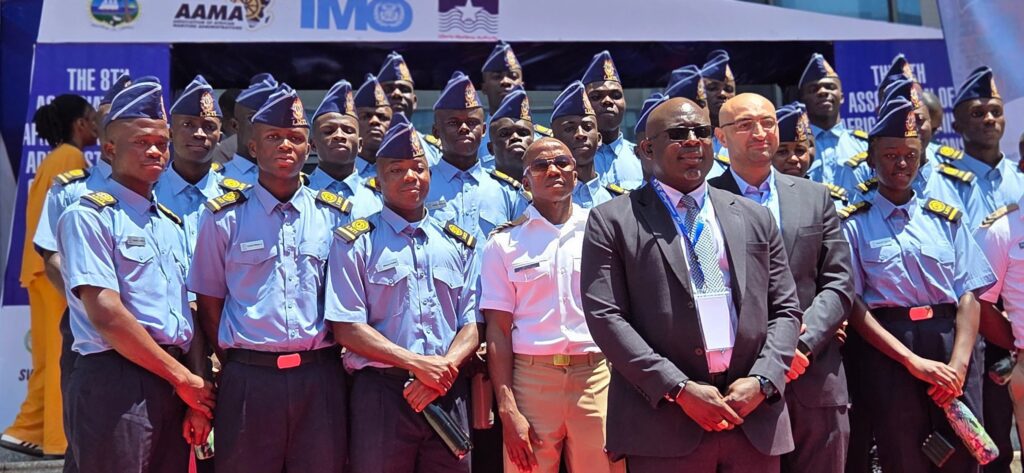
“These initiatives are anchored in the blue economy concept, which holds immense potential for Africa in areas like marine transport, trade, food security, and job creation,” Lighe said, urging African nations to confront IUU fishing and increase investment to unlock the full promise of the sector.
The conference’s official theme — “Safeguarding Our Ocean, Promoting Decarbonization in Shipping, and Exploring Africa’s Blue Economy Potential” — set the tone for the deliberations.
Delivering the keynote address, CPA Omae Nyarandi, Chairman of AAMA and representative of the Government of Kenya, praised Liberia’s “illustrious maritime history and its role as a cornerstone of the global shipping industry.” He extended greetings from Kenyan President Dr. William Ruto and lauded Liberia for its hospitality in hosting such a pivotal gathering.
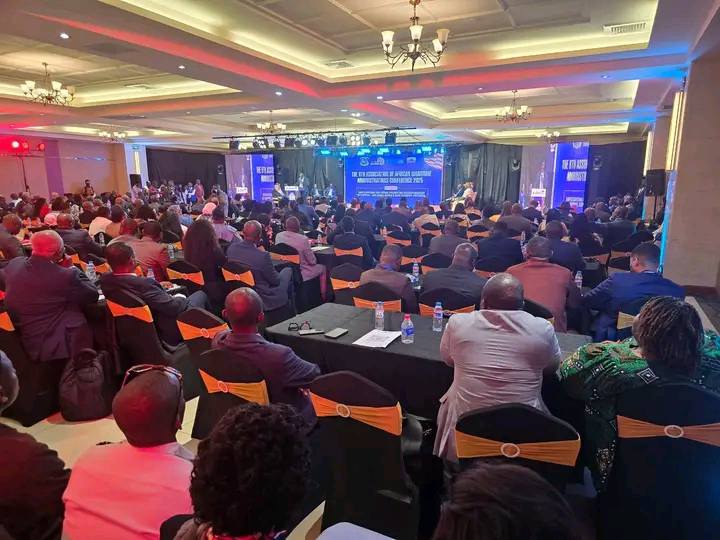
Nyarandi stressed that Africa’s maritime potential is vast but remains underutilized due to persistent challenges: piracy, limited African-owned fleets, inadequate sea-time training for seafarers, and fragmented regulatory frameworks. He also cited marine pollution and the climate crisis as urgent threats to the continent’s maritime future.
Despite these obstacles, Nyarandi emphasized the enormous opportunities available through the African Union’s Blue Economy Strategy, Agenda 2063, and the African Continental Free Trade Area (AfCFTA). He outlined four priority areas for maritime administrators across the continent:
- Strengthening maritime governance and security through collaboration, information sharing, and joint patrols.
- Investing in capacity building and technology to modernize administration and develop skilled human capital.
- Harmonizing legal and regulatory frameworks to facilitate intra-African maritime trade and improve port efficiency.
- Championing sustainability by reducing greenhouse gas emissions and protecting marine ecosystems.
“Kenya, during its chairmanship, has actively prioritized these pillars, fostering dialogue and collaboration among member states,” Nyarandi affirmed.
As discussions continue, the Monrovia conference is expected to produce a unified agenda for Africa’s maritime future—balancing security, sustainability, and economic growth—while strengthening the continent’s voice on global maritime issues.