By Jacquelyne L. Dennis
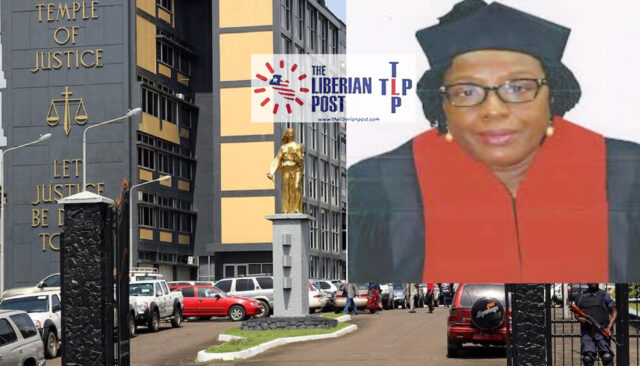
MONROVIA — The Supreme Court of Liberia has denied a petition for a writ of certiorari in the highly watched Capitol Building arson case, paving the way for Criminal Court “A” to resume proceedings against several high-ranking figures accused of setting fire to the Capitol Building. In an October 8 communication, Supreme Court Clerk Sam Mamulu, acting on the directive of Associate Justice Jamesetta H. Wolokolie, confirmed the denial and lifted a stay order previously imposed on September 25, 2025. A court letter to Judge Roosevelt Z. Willie stated, “You are hereby mandated to resume jurisdiction and proceed in keeping with the law.”
The petitioners—J. Fonati Kofa, Dixon W. Seboe, Abu B. Kamara, and Jacob C. Debbie—had sought the Court’s intervention, arguing procedural irregularities and alleged rights violations during the early stages of the case. Their filings come amid a broader debate over the admissibility of evidence and the safeguards governing pretrial detention.
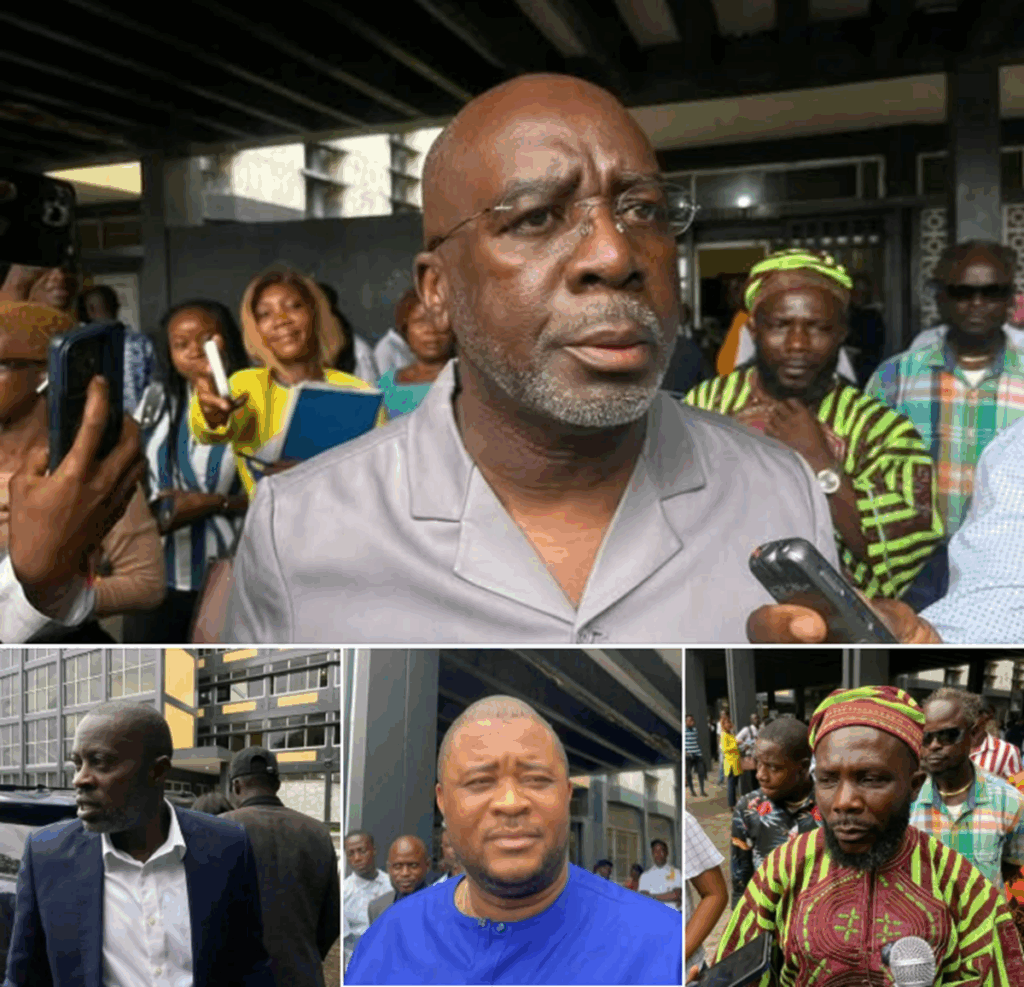
Torture Allegations and Rights Concerns Surface
A central point of the defense’s petition centers on the suppression of key prosecution materials, including an alleged confession, mobile phone records, and forensic data. Defense lawyers contend that the search that yielded these items was conducted without proper legal authorization. They challenge the validity of a December 18, 2024 letter they say served as a search warrant, arguing that prosecutors’ January 9, 2025 application for a second warrant undermines the first warrant’s legality. “If the December 18 letter was valid, there would have been no need for a second warrant,” a defense attorney told the court.
The defense also raised grave concerns about alleged torture and illegal detention, accusing the National Security Agency (NSA) of detaining two suspects—Etheridge and Susay—for eight days without access to lawyers. “This was not technical support. This was illegal interrogation,” the defense team asserted. Medical reports from independent physicians reportedly described injuries consistent with torture in four of six assessments, a detail the defense says the trial judge disregarded when evaluating the admissibility of evidence.

Government Maintains Due Process, Sees No Rights Violations
The prosecution counters that all procedures complied with Liberian law, and that the evidence—including confessions and digital records—was essential to proving charges of arson and destruction of public property. Officials also dismissed the torture allegations, noting that several defendants denied mistreatment, and suggesting that the defense’s broader claims lack corroboration.
Public Debate and Legal Precedent Reaction to the decision has been mixed. Some legal practitioners view the denial as a measured deference to the lower court process, while rights advocates warn it could be interpreted as tolerating coercive tactics if due-process concerns are not fully addressed. “This decision raises a troubling question: is the judiciary condoning torture by omission?” one rights advocate commented, highlighting the ongoing tension between securing convictions and safeguarding universal rights.
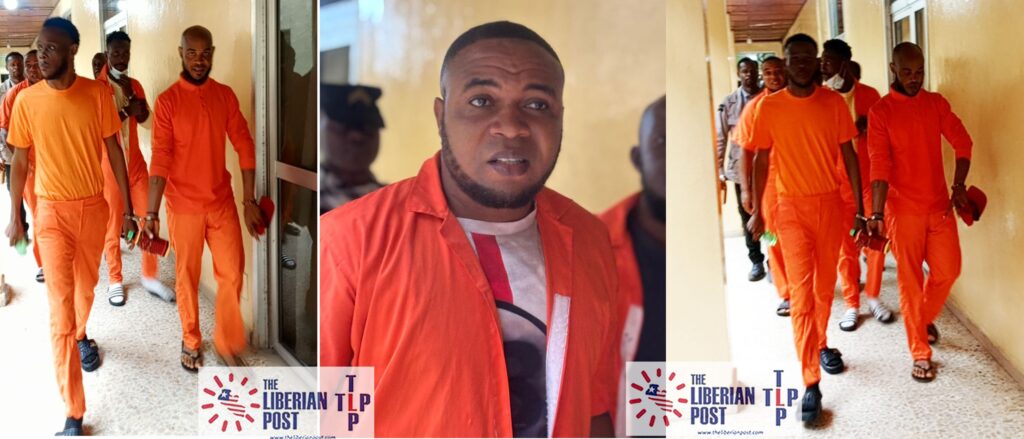
The case has also rekindled debate about the role of the NSA in criminal investigations, with critics asking whether the agency overstepped its constitutional mandate by conducting interrogations traditionally conducted by the Liberia National Police.
What’s Next in the Capitol Arson Case With the stay lifted, Criminal Court “A” is expected to reconvene soon, with Judge Willie presiding. Legal observers say forthcoming weeks will be pivotal as courts weigh motions to admit or suppress evidence, hear witness testimony, and determine whether contested material will shape the outcome of one of Liberia’s most politically charged prosecutions. The ruling could implicitly influence future interpretations of search-and-seizure law and the handling of pretrial detention in high-profile cases.