Liberia has entered an era where citizenship is no longer confined to its borders. The passage of the dual‑citizenship amendments was an overdue recognition that Liberians abroad are not exiles from the national story—they are central to it. Now, with the All‑Liberian Conference on Dual Citizenship (ALCOD) appealing for Diaspora Voter Registration Centers by 2029, the country faces its next logical test: will we match recognition with representation?
We should.
ALCOD’s proposal is not radical. It is measured, phased, and patriotic. It does not demand that Liberia suddenly run full‑scale elections in dozens of foreign capitals. Instead, it offers a realistic starting point: allow Liberians abroad to register to vote at designated embassies and consulates, while still requiring them to return home to cast their ballots—at least in the beginning.
Done properly, this would be a low‑risk, high‑return reform that strengthens our democracy, honors our diaspora, and gives the National Elections Commission (NEC) the time and data it needs to design a workable out‑of‑country voting system.
A Democracy That Follows the Money Should Also Follow the Voters
For years, Liberia has had no problem accepting the diaspora’s money. Remittances consistently rank among the largest sources of foreign exchange, stabilizing families, paying school fees, underwriting construction projects, and yes, financing political campaigns. Parties of every stripe quietly admit that diaspora Liberians help keep their operations running.
But when it comes to formal political power, the message has been very different: if you want to vote, buy an expensive ticket, fly home to register, fly back again for the election—and if there’s a runoff, do it all over. As ALCOD has pointed out, some Liberians spent US$6,000 or more just to participate in the 2023 polls. That is not a system; that is a barrier.
The irony is hard to miss: we treat the diaspora as indispensable funders, but near invisible voters. That imbalance is neither fair nor sustainable.
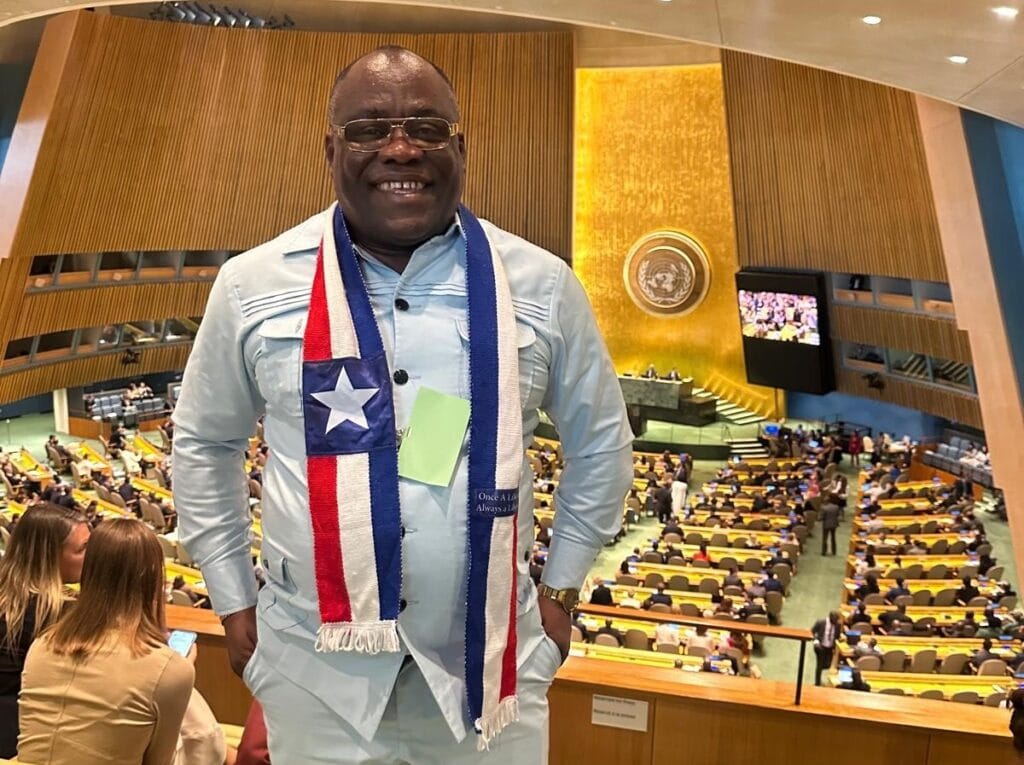
A Sensible First Phase
ALCOD’s call for Diaspora Voter Registration Centers in 2029 is a pragmatic attempt to break this stalemate.
The core of the proposal is simple:
- NEC and the Ministry of Foreign Affairs deploy teams to Liberian embassies, consulates, and designated missions abroad.
- Diaspora Liberians are registered there, using biometric enrollment and documentation similar to the passport process.
- The data flows into the national voter roll, but balloting remains in‑country while Liberia tests systems, builds confidence, and assesses cost.
This approach directly answers some of NEC’s long‑standing objections. It does not require Liberia to organize foreign polling places or transport ballots across borders. It does not demand a constitutional revolution overnight. What it does is gather information, test procedures, and demonstrate political will.
If we cannot even register our citizens where they live, how serious are we about ever letting them vote where they live?
The Legal and Technical Questions Are Manageable
Skeptics will raise legitimate questions: Does Article 80 of the Constitution, which ties voting to constituencies within Liberia, restrict even overseas registration? What regulations must NEC adopt? How will we ensure data security and prevent double registration?
These issues are real—but they are problems to be solved, not excuses to do nothing.
Liberia has already shown it can roll out biometric voter registration across difficult terrain at home. Digitizing registration abroad, under the supervision of NEC and embassies, is technically easier, not harder, than registering hard‑to‑reach rural communities.
On the legal side, the Legislature can, at minimum, authorize a pilot program and empower NEC to adopt regulations for diaspora registration, while initiating the deeper constitutional conversation about full out‑of‑country voting. Waiting for a perfect text before taking even the smallest step is how reforms die.
Representation Is a Question of Respect
At its heart, this debate is about respect—respect for the Liberians who left during war and hardship but never stopped sending money home; respect for those who carry Liberian passports in Paris, Minnesota, Philadelphia, Accra or Pretoria and still call Liberia “back home”; respect for the hundreds of thousands of young Liberians born abroad to parents who still dream of a better Liberia.
If they are Liberians enough to be taxed at the airport, courted for campaign cash, and celebrated as “our proud diaspora” at conferences, then they are Liberians enough to have their names on the roll.
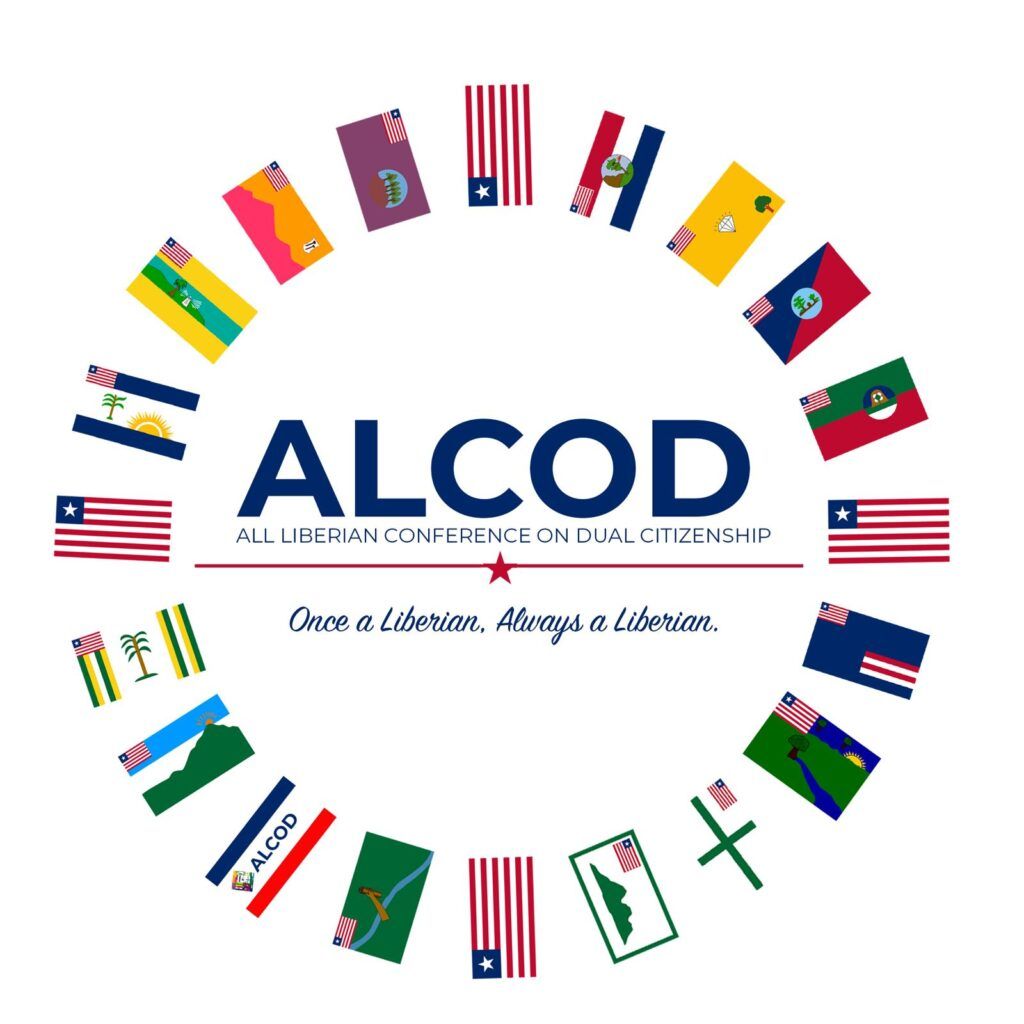
Recognizing dual citizenship opened the legal door. Diaspora voter registration is how we walk through it.
2029 Is Closer Than It Looks
Some will say 2029 is far off. It is not. For a system as complex as elections, four years is yesterday. To make diaspora registration possible by then, Liberia must act now:
- The Executive should publicly embrace the principle of phased diaspora participation.
- The Legislature should begin hearings on a framework law that authorizes overseas registration centers on a pilot basis.
- NEC and the Foreign Ministry should convene technical working groups—including diaspora representatives—to map out costs, host countries, security protocols, and timelines.
Done right, Liberia could enter the 2029 cycle with Diaspora Voter Registration Centers operating in a limited number of key locations—for example, the United States, Europe, and a few ECOWAS states with large Liberian populations—while gathering the data needed to expand later.
A Test of Political Courage
ALCOD’s appeal is also a test for our political class. Some incumbents may quietly fear diaspora voters, seeing them as unpredictable, more independent, or less easily swayed by local patronage networks. That may be true. It is also the point.
Strong democracies welcome more independent voices, not fewer. Leaders who are confident in their records should not fear the judgment of citizens simply because they live in Minneapolis rather than Montserrado.
If Liberia wants to be taken seriously as a country that values its global citizens, it must move beyond symbolic rhetoric. The world notices whether we only praise the diaspora at banquets—or whether we are willing to do the harder work of including them in the democratic process.
The Moment to Start Is Now
ALCOD’s call for Diaspora Voter Registration Centers in 2029 is an invitation—to the President, to lawmakers, to NEC—to match words with action.
We often say, “Liberia belongs to all of us.” That “all” now includes a nurse in New York wiring money home every month, a student in Ghana carrying a Liberian flag at a football match, a business owner in Belgium financing a family house in Ganta. Their voices should not stop at Western Union counters or Sendwave alerts.
The question before us is simple: Do we want a democracy that truly reflects the Liberian nation—wherever its people live—or are we content with a partial one?
A phased, well‑designed diaspora voter registration program would not solve all our democratic challenges. But it would be a powerful signal that Liberia is ready to honor the full circle of citizenship: rights, responsibilities, and representation.
ALCOD has put a practical idea on the table. It is now up to those who hold power at home to decide whether Liberia’s democracy will finally follow its people into the world—or continue to ask them for everything except their vote.