Liberia’s relationship with the World Bank has entered a critical phase—one defined not just by scale, but by expectation. With a portfolio nearing a billion dollars and renewed high-level engagement, the partnership is no longer simply about support. It is about results.
For years, the World Bank has stood as Liberia’s most consistent development partner, particularly in moments of economic strain. That reliability matters. In a global environment marked by shrinking aid, rising debt pressures, and geopolitical uncertainty, Liberia’s ability to maintain a strong, responsive partner is a strategic advantage.
But partnerships, especially those of this magnitude, must evolve. The question today is not whether the World Bank is supporting Liberia—it clearly is. The question is whether that support is translating into tangible, equitable, and sustainable improvements in the lives of ordinary Liberians.
There are reasons for cautious optimism.
Recent engagements between Liberian authorities and the World Bank signal alignment around key priorities: infrastructure, job creation, macroeconomic stability, and institutional reform. These are not abstract goals. They are the foundational pillars of any serious development agenda.
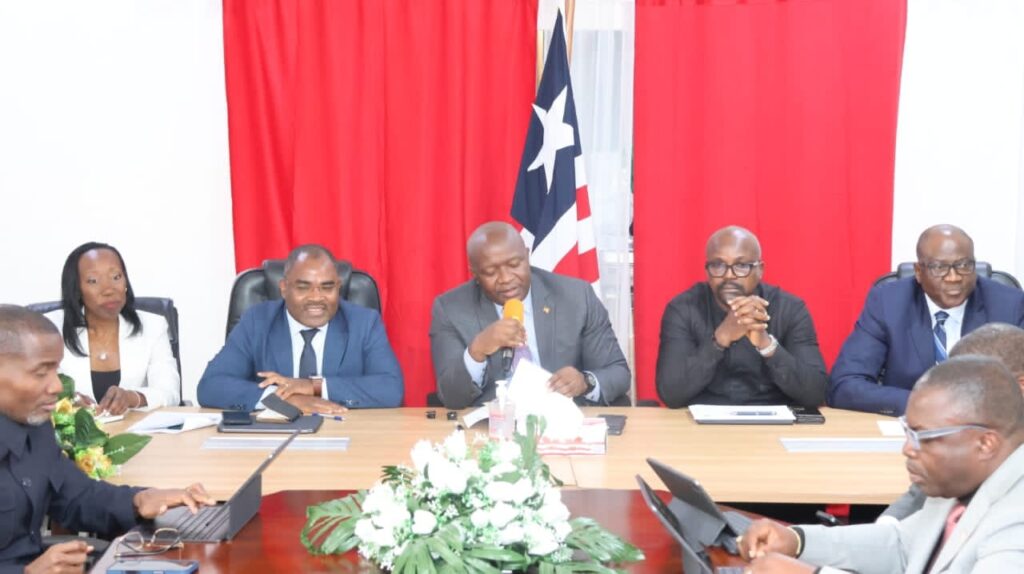
The emphasis on macroeconomic stability is particularly important. Liberia’s ability to maintain relative stability amid global shocks is not accidental—it reflects deliberate policy choices. And it is this stability that makes further investment possible. Investors, whether public or private, require predictability. Without it, growth stalls before it begins.
Yet stability alone is not enough.
Liberia’s development challenge is not simply to grow—it is to grow inclusively. Roads must connect markets, but they must also connect opportunity. Financial reforms must stabilize the economy, but they must also expand access to capital for local businesses. Public investments must not only be disbursed—they must be felt.
This is where the partnership faces its most important test: implementation.
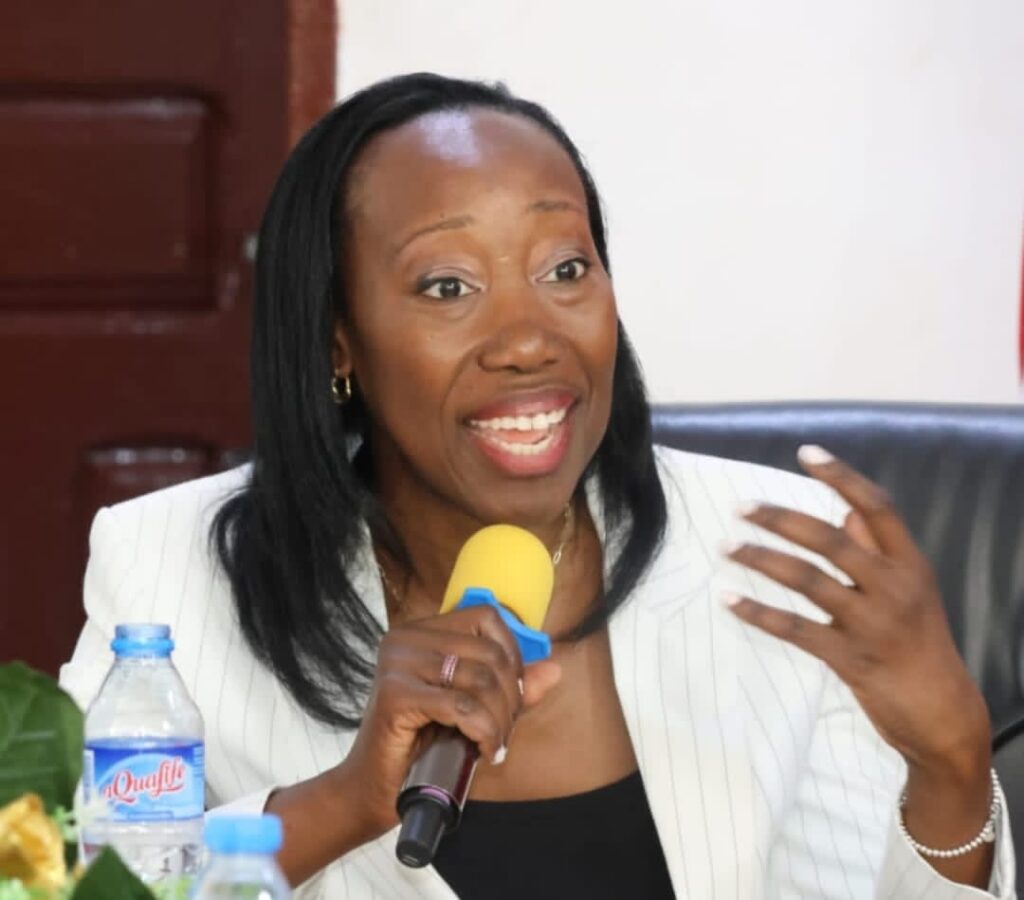
Repeatedly, both Liberian officials and World Bank representatives have acknowledged a familiar problem—projects that are approved but slow to execute, funds that are allocated but delayed in disbursement, and programs whose impact is diluted by inefficiencies. These are not minor technical issues; they are systemic constraints that determine whether development succeeds or stalls.
The government’s planned portfolio review is therefore not just timely—it is necessary. It must go beyond diagnostics and lead to measurable improvements in execution, accountability, and delivery. Liberia cannot afford a development model where progress is measured in commitments rather than outcomes.
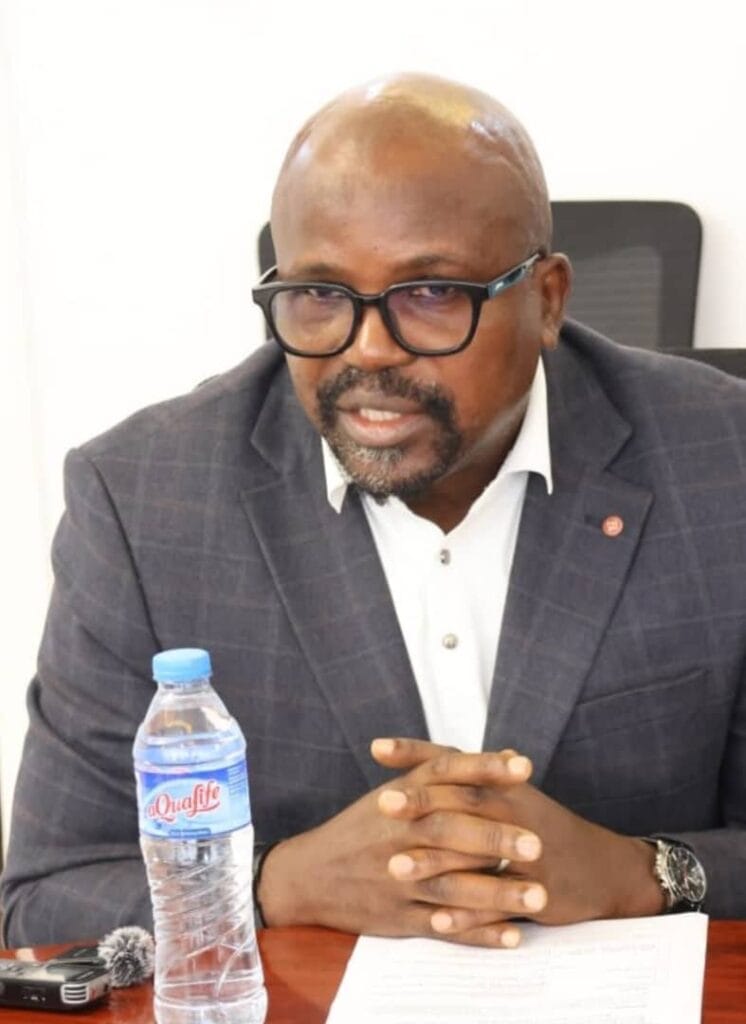
At the same time, the World Bank must continue to refine its approach. Development financing cannot be effective if it remains overly centralized, overly bureaucratic, or disconnected from local realities. The Bank’s growing emphasis on impact—on how projects affect real people—is a step in the right direction. That focus must now become the standard, not the exception.
There is also a broader opportunity embedded in this partnership: reform.
Liberia’s economic future will not be secured by external financing alone. It will depend on internal transformation—strengthening institutions, improving governance, expanding the tax base, and creating an environment where private enterprise can thrive. The World Bank can support this process, but it cannot substitute for it.
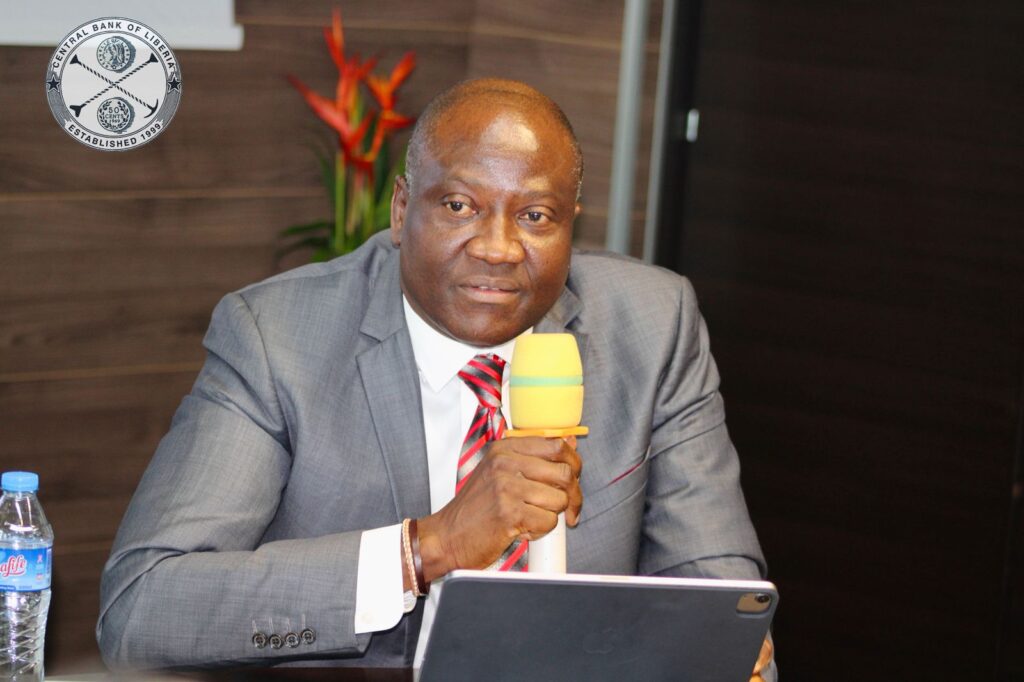
In this sense, the partnership must be catalytic, not compensatory.
Liberia must use World Bank support to build systems that outlast donor cycles. That means investing in capacity, enforcing accountability, and ensuring that public resources—whether domestic or external—are used efficiently and transparently.
Encouragingly, there are signs that this shift is underway. Increased disbursement rates, a growing pipeline of projects, and renewed focus on priority sectors suggest that lessons are being learned. But progress must be sustained—and accelerated.
Ultimately, the strength of the Liberia–World Bank partnership will not be judged by the size of its portfolio, but by the depth of its impact.
Can it reduce poverty in meaningful ways?
Can it create jobs at scale?
Can it transform infrastructure into opportunity?
These are the metrics that matter.
Liberia stands at a pivotal moment. With strong partnerships, a clear reform agenda, and growing international confidence, the building blocks for progress are in place. What remains is execution—disciplined, transparent, and results-driven.
The partnership is strong. The intentions are clear.
Now, the delivery must follow.
Follow The Liberian Post on Facebook and X (formerly twitter)